When great news hits—like that electric “you won” phone ring or the email saying my writing got published in the local paper—I find my husband first. He’s my confidante, best friend, and life partner through every homestead adventure.
My heart’s pounding, but here’s the thing: I don’t post it on Facebook or call my best friend yet. I track him down right then—whether he’s upstairs sawing away at our renovation project, out back feeding the pigs, or in the kitchen helping our toddler reach for homemade bread.
“Hey,” I say, grabbing both his hands, “you will not believe this.” His eyes light up instantly, then he pulls me into that familiar hug where the world just quiets. We laugh, do a silly jig right there amid chicken chores or pancake batter splatters—letting that joy multiply before telling the kids.
Working Mom’s Homestead Wins On our homestead, big wins—like selling our pigs at market, getting my writing published locally, or nailing that sourdough starter—feel bigger shared soul-to-soul first. No fanfare needed, just us. Then we plan the family celebration: hamburgers on the picnic table under our maple tree, homemade ice cream under summer stars.
That’s our slow living rhythm. News shared heart-to-heart first builds everything else—family cheers, neighbor toasts, grateful posts. He grounds my excitement into something lasting, reminding me why we chose this simple, connected homestead life.
Four reasons he’s always first: Instant emotional anchor. Turns “my” news into “our” victory. Sets joyful tone for kids. Keeps our homestead priorities straight.
So tell me—who’s your first call when great news hits?
If this resonated with you, please like and share with others.
Loved this? Subscribe for weekly homesteading tips:
If this resonated with you, please like and share with others.
Loved this? Subscribe for weekly homesteading tips:
Yes, I’ve outgrown my pre-kids habit of Gilmore Girls marathons on quiet evenings.
My Pre-Kids Gilmore Girls Habit Back then, entire Saturdays disappeared into couch time with coffee and comfort shows. It filled the silence when my days felt empty. But I’d always surface feeling guilty—wanting more from my time but stuck in the cycle of TV marathons to beach days.
Motherhood’s Homestead Mom Journey My son (and later daughter) arrived and rewrote my busy mom routine. Beach walks replaced Netflix queues—we’d chase waves and hunt seashells, sandy toes and all. Late-night binging became kitchen nights—flour-dusted noses, kneading pasta dough together while singing silly songs. Quiet alone time transformed into side-by-side seed starting, their tiny fingers pushing basil seeds into soil, then cheering their first sprouts.
Seed Starting with Kids Changed Everything Now our homestead garden feeds us—those basil pots grew into tomatoes, beans, onions. This motherhood shift brought fresh air through beach walks, creative connection through cooking together, and patience through gardening my children can touch.
No guilt now—just full days growing food, making memories, building our slow living mom rhythm. My pre-kids evenings served their purpose. This hands-on homestead chapter? It’s what my heart was made for.
Something on your “to-do list” that never gets done.
There’s one item that’s been living rent-free on my to-do list for what feels like forever: deep-clean the house. Every week I write it down with the best intentions, and every week it stares back at me, smug and unchecked.
Sure, I’m great at the daily tidy-ups—the quick resets, leaping over toys, and keeping countertops visible (mostly). But the real deep clean? Scrubbing baseboards, washing curtains, or tackling the mystery stuff in the back of the cabinets? Somehow that always gets bumped down the list by, well… just about everything else.
Part of the problem is our ongoing upstairs renovation. Two years in, and we’re still coaxing this old house back to life—tearing out lath and plaster, sealing drywall, trying to keep ahead of the dusty evidence. That fine gray film drifts through the house like snow that overstays its welcome. Add two little kids who turn any clean surface into an art project within minutes, and—let’s be honest—deep cleaning doesn’t stand a chance.
By the time evening rolls around, my energy’s long gone. I look around, spot another trail of cracker crumbs, and think, good enough till tomorrow. Honestly, I’ll take progress over perfection any day.
My (Somewhat Hopeful) Game Plan
I keep telling myself there has to be a way to outsmart this never-ending chore. Maybe it’s not about a single heroic cleaning day but smaller, practical wins.
Fifteen-minute power bursts. Pick one room, one task, one playlist. Quick sweep, easy win.
Recruit the tiny troops. The kids love joining in—with spray bottles and rags, no less. Sure, it takes longer, but at least we laugh through it.
Wait for calmer seasons. Once the last coat of paint dries and the drywall dust clears, I’ll finally give this place a top-to-bottom refresh.
Keep the dream in mind. A calm, clean space where we can all exhale—that’s the goal. Future me will be thrilled.
Until then, I’m embracing the real version of home: a little messy, a lot loved, always humming with life. Between raising kids, growing things outside, and building something meaningful in our community, there’s bound to be dust somewhere—and that’s okay.
So tell me—what’s the chore that never quite leaves your list? Let’s swap confessions in the comments and remind each other that perfect isn’t the point—living fully is.
If you enjoyed this peek into our real-life chaos, give this post a little love. Like it, share it with a friend, or subscribe for more stories about growing food, raising kids, and building community one messy day at a time.
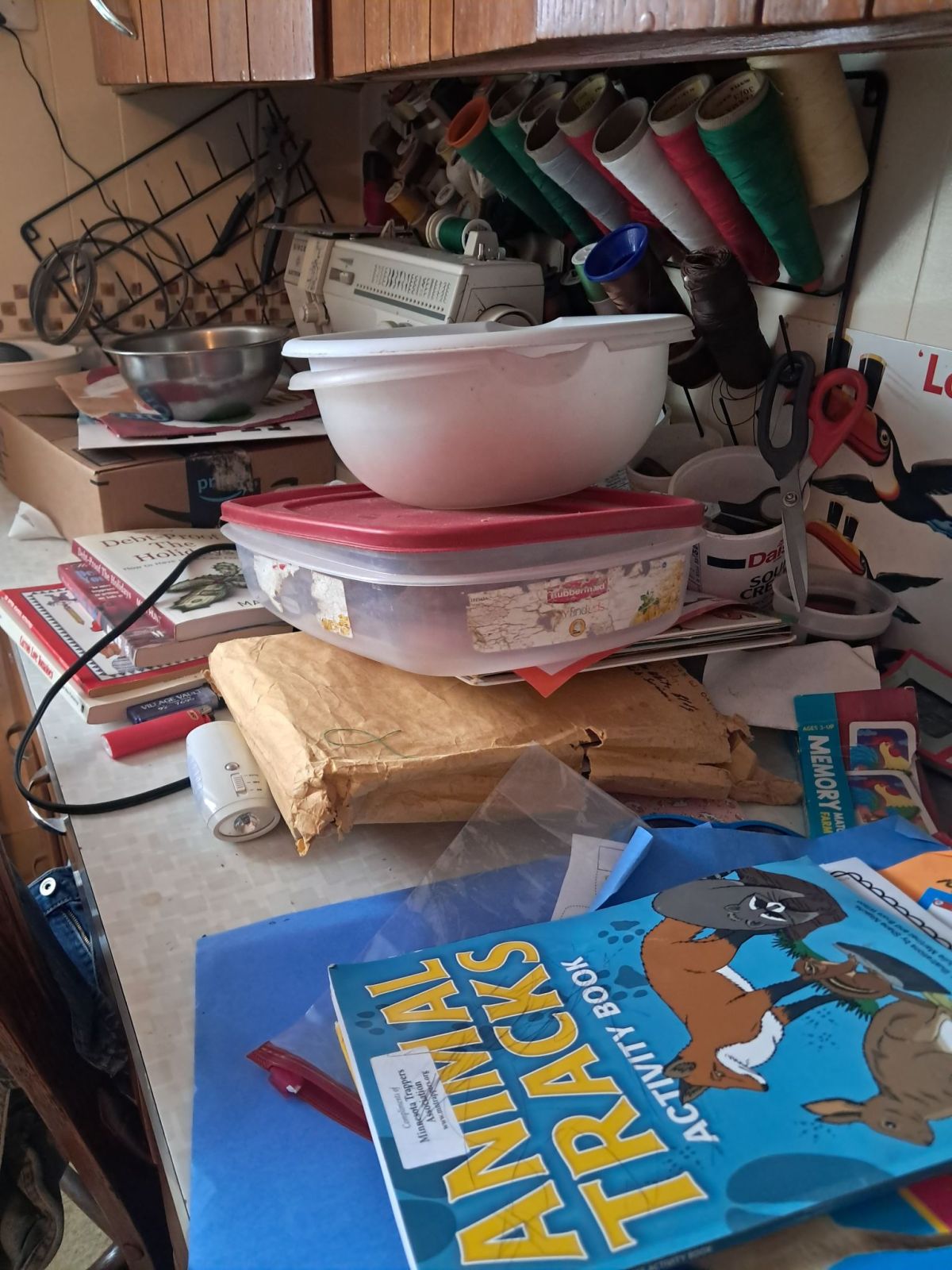
Counter chaos? Working mom of 2 shares her monthly garbage-can blitz to tame kitchen clutter. Husband sews on grandma’s machine. Real homesteading progress over Pinterest perfection.
Between work, family, and home life, finding balance and patience is an ongoing challenge. Here’s how I’m learning to slow down, give myself grace, and grow through it all.
This prompt stumped me at first. I love cooking most things, especially when I get to share the meal with people I love. So I took the easy route and invited my six‑year‑old son into the kitchen to help me decide.
His first instinct was “cookie bars,” which is adorable and perfectly on brand for him—but for me? That’s too easy a win. So we pivoted, and his second answer surprised me: my Chinese‑inspired dumplings—proof he’s been paying attention.
A Learner in the Kitchen
I call them “Chinese‑inspired” because I’m not Chinese, and I’ve never been to China. That disclaimer isn’t an apology—it’s a reminder that I’m always learning in the kitchen.
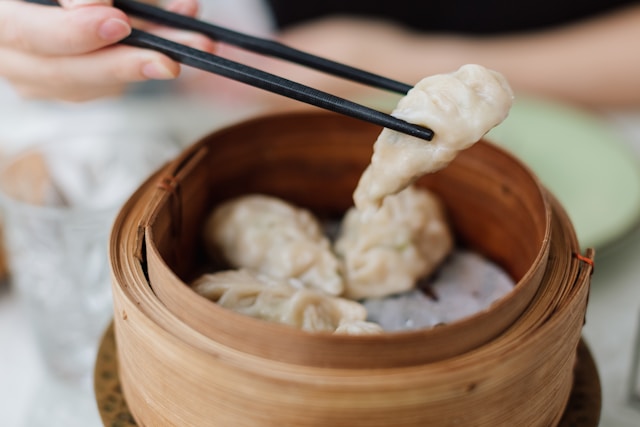
These dumplings are the kind you steam rather than fry: thin flour wrappers cradling a savory mix of meat and vegetables. I fold them with a rhythm that often makes it look like my son did the work, which feels exactly right—dumplings should look handled, not manufactured. Every crimped edge reminds me that cooking is more about process than perfection.
A College Detour in Mandarin
My dumpling story began long before the dough hit the counter. In college, I took three semesters of Chinese on a whim—Spanish was full, and Chinese looked interesting.
I learned how a stray tone could turn “mother” into “horse,” a lesson that stuck far beyond the classroom. On Friday nights, a Chinese roundtable met on campus. We practiced speaking—and sometimes, we shared steamed dumplings.
I can still taste that first one, dipped in soy sauce, black vinegar, and sesame oil: warm, tender, and endlessly comforting. It tasted like a small passport stamp on my college life.
The Janky Restaurant Valentine
Months later, early in our relationship, my now‑husband and I found ourselves in a tiny, sticky‑floored Chinese restaurant on State Street in Madison. It was Valentine’s Day. The décor was questionable, the menu unpredictable, but the dumplings? Pure joy.
We ate until we were full and a little giddy. That meal wasn’t about romance; it was about finding comfort in something humble and good—a truth the sticky floor couldn’t ruin.
Bringing Dumplings Home
As I started cooking more at home, I wanted to recreate that feeling. I planted bok choy in the garden—there’s something deeply satisfying about pulling a crisp green leaf from soil you’ve nurtured.
I experimented with what I had: powdered ginger instead of fresh, onions for sweetness, ground beef for substance. A simple bamboo steamer lined with cabbage leaves kept the dumplings from sticking to the rack.
The dumplings weren’t authentic, but they were ours. And authenticity, for me, isn’t a destination—it’s a doorway to learning and connection.
Learning Together, One Mess at a Time
Now, when my son and I roll dough together, the process has turned into a ritual. We talk, we laugh, we listen to a podcast, and flour drifts across the counter (and occasionally, Black Cat).
We’re not just making food—we’re making memories that stick, as any good dumpling does. And honestly, we laugh more over flour than over finished meals.
What It All Comes Back To
Food weaves together people, places, and time. These dumplings hold it all—college curiosity, early love, homegrown bok choy, and the joyful chaos of raising a child.
Growing food, raising kids, building community—it all finds its way back to the kitchen.
Until I attended college, I believed that cultural influences on food were largely a thing of the past. I grew up in a part of small-town Wisconsin where the cultural influence of my German dairy farming heritage had diminished over the years. Regional dishes, while still present, were largely nationalized. Food was sourced from boxes…
When I pulled open the long-forgotten box of clothes, I expected nothing more than sweaters and dresses that hadn’t seen daylight since before we moved. Instead, I uncovered an archive of myself—fabric woven with memory and identity, versions of me I thought I’d misplaced in the blur of motherhood, upheaval, and quiet reinvention. Threads I…
My first computer? A refurbished Dell that my parents gave me as an early graduation gift halfway through senior year. It felt like a quiet door swinging open to the world—no more fighting over the family desktop.
My sister chipped in for Microsoft Office, making it feel truly official. Suddenly, I could type papers in my room, save drafts without panic, and fuss over fonts late into the night. That Dell tagged along to college for study marathons, half-finished research papers, and way too much social media through my freshman and sophomore years.
By junior year, it was groaning and freezing at the worst times. True to my “use it up” ways, I rode it until the end instead of fixing it. One afternoon, I walked into Best Buy and came out with a Mac—a thrilling upgrade.
That Dell still stands out, not for its power, but because it was mine. It carried me from high school awkwardness into real life.
Until I attended college, I believed that cultural influences on food were largely a thing of the past. I grew up in a part of small-town Wisconsin where the cultural influence of my German dairy farming heritage had diminished over the years. Regional dishes, while still present, were largely nationalized. Food was sourced from boxes…
The first sound I remember from that trip wasn’t birdsong or the crackle of firewood—it was my professor’s baritone voice drifting through a soft Michigan mist. Waking to that unlikely serenade, I understood for the first time that geology wasn’t only about rocks. It was about connection. I was a sophomore then, half-frozen in an…
When I pulled open the long-forgotten box of clothes, I expected nothing more than sweaters and dresses that hadn’t seen daylight since before we moved. Instead, I uncovered an archive of myself—fabric woven with memory and identity, versions of me I thought I’d misplaced in the blur of motherhood, upheaval, and quiet reinvention. Threads I…
What’s the thing you’re most scared to do? What would it take to get you to do it?
I’ve been writing online for nine months, and you’d think the fear would have faded. But every time I hover over “Publish,” my heart still skips. It’s funny — no matter how many posts I write, that little flash of fear never really goes away.
The Scariest Button I Click
“Publish” on my most vulnerable stories.
I can talk all day about raising kids, growing food, and finding our rhythm in community. I’ve shared about my postpartum struggles and other tender seasons because I want other moms to know they’re not alone. That kind of openness feels easier now—but there are deeper stories I haven’t shared yet. The ones that changed me, stretched me, and still make my stomach knot when I think about putting them out there.
The Drafts That Wait
Some of those stories sit in my drafts folder, half‑finished, holding the hardest moments—the times that tested my faith, my patience, and my sense of self. I know sharing them might help someone else, but I still hesitate. I worry about being misunderstood, about saying too much, about people turning away. But I also know that the most meaningful connections grow when we show up honestly, even when it scares us.
What It Would Take
A clear why: Remembering that if one person feels seen, the fear is worth it.
Gentle accountability: Friends who nudge me to keep showing up.
Boundaries: Knowing which parts of my story I can hold close.
Small practice: One honest sentence at a time, letting courage build slowly.
Growing Braver
The fear never really leaves. But each time I hit “publish,” I feel a little steadier, a little stronger. I see that courage isn’t a single leap—it’s the quiet, everyday choosing to keep growing, even when it’s uncomfortable. Maybe that’s what real community is built on: showing up with our full selves, mess and all, and finding we’re not alone after all.
If you’re comfortable, tell me one area where you’re trying to be braver this year.
If this story made you feel a little less alone, share it with a friend who might need it too. Better yet, invite them over for coffee and a real conversation. Subscribe for more reflections on growing food, raising kids, and building community—new posts every Sunday and Thursday.
Struggling with fear of judgment? How silence creates isolation, why authentic self-expression feels dangerous, and 3 small steps to overcome rejection anxiety and build real connections.
A quiet afternoon by the pond, a little boy, and a frog teach a mother how to let go, say goodbye to a beloved homestead, and embrace change with grace.
For as long as I can remember, I wore independence like a suit of armor: polished, impenetrable, and heavy. I believed that refusing help was a sign of strength; until, one winter night, my newborn son cracked that armor wide open. I was sitting on the cold living room floor, cradling him against my chest,…
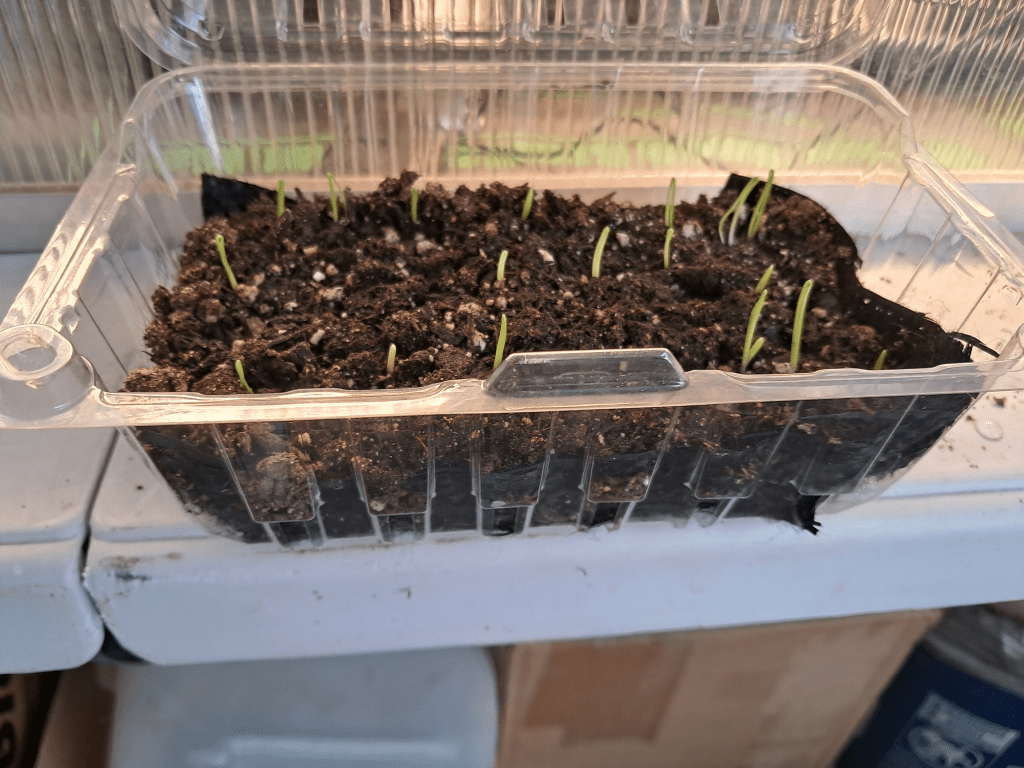
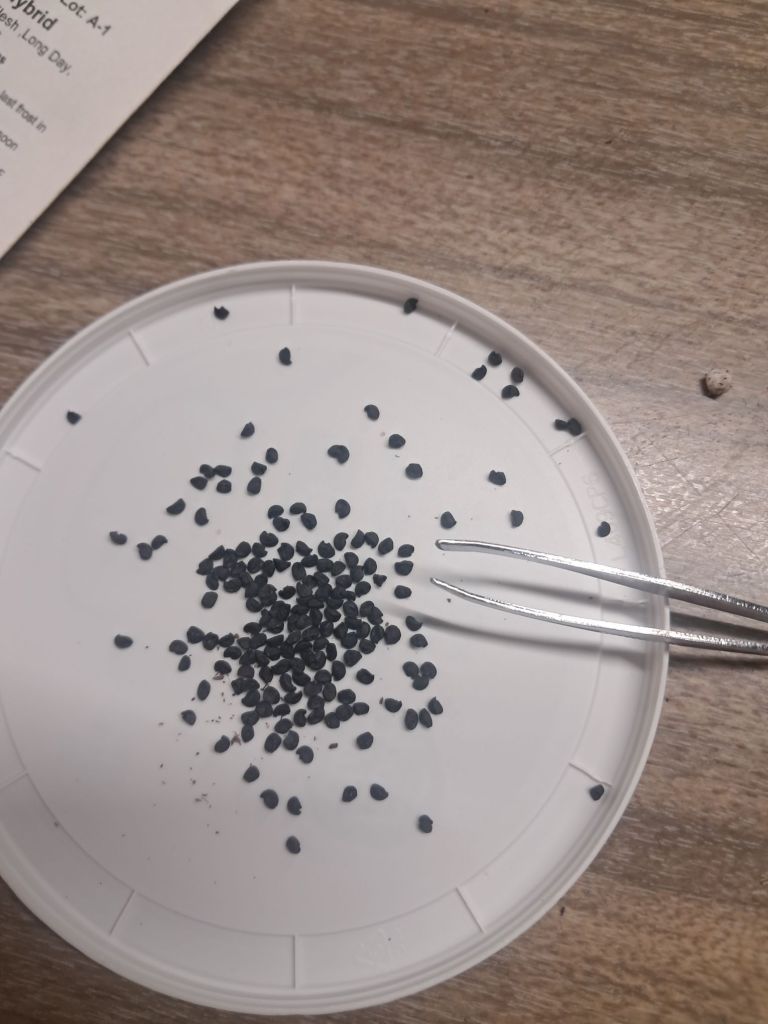
My six‑year‑old son and I stand together in the soft, golden light of a winter morning. Outside, the world lies quiet under a thin layer of snow. Inside, our kitchen hums with gentle purpose. On an old sour cream container cover, tiny onion seeds rest—black flecks of promise. The soil waits to cradle them in recycled strawberry cartons. My son points to the sunbeam and whispers that the floating dust looks like magic. I smile and agree.
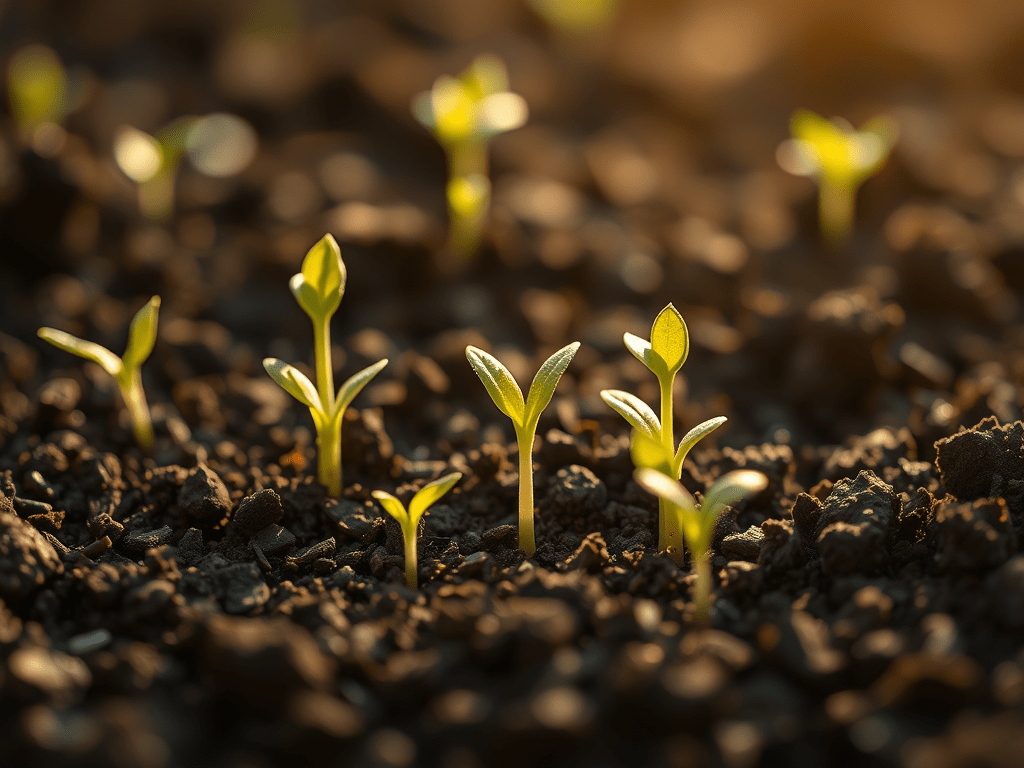
With tweezers in hand, I show him how to lift each seed and drop it into place. He tries once, twice, and then finds his rhythm. We do this a hundred times—two sets of hands planting quiet hope in the soil. The air smells of earth and possibility. Even in midwinter, there’s life brewing under our fingertips.
I am struck by how vulnerable each seed is—relying entirely on us for warmth, water, and light. They hold the potential to feed our family, just as my son holds his own potential, waiting for the right care to help him thrive. I can give him a home, guidance, and love, but not control what takes root or how quickly it grows. All I can do is nurture and trust.
Each morning, we peek into the trays. Nothing happens—until, suddenly, everything does. A thin green shoot bends toward the light, impossibly fragile yet fierce in its will to live. I feel that same thrill watching my son master something new. The patience, the waiting, the joy of discovery—all unfolds in its own time.
Over the weeks, we’ll water carefully, clip the tops, and ready the seedlings for their place in the garden. By summer, they’ll feed us, just as these shared moments feed me in ways I never expected. It feels good to know that something small, started with care, can ripple outward into community.
Gardening keeps teaching me that growth—whether in a seed, a child, or a neighborhood—comes from the same things: attention, patience, and faith in what we cannot yet see. Maybe that’s why tending these small beginnings feels so deeply hopeful.
In my next post, I’ll share exactly how we start our onions indoors each January, in case you’d like to bring a little green magic into your own winter days.
🌱 Did this story resonate with you? Tell me about a moment when gardening taught you something unexpected. 💬 Know someone who’d enjoy this reflection? Please share it! ❤️ Subscribe for more stories about growing food, raising kids, and building community.
Discover why growing food, raising children, and building community are at the heart of my homesteading mission. Together, we can return to the roots of connection, resilience, and hope.
This morning I realized that for the first time in nearly six years, my son will spend more waking hours away from me than with me. Tomorrow, he starts Kindergarten—8 am to 3 pm, five days a week. That single fact tightens my chest with a swirl of emotions: pride at the boy he’s becoming, excitement…
Sometimes the most important thing we build isn’t made of cardboard. A Big Idea (and a Bigger Mess) My 5-year-old son was determined to build a fort, though he pronounced it “for-et,” which made it even more endearing. I try hard to encourage his creative play, if it doesn’t involve wrecking things, so I said,…
Books shape us as much as we shape gardens or communities. They feed the mind, plant empathy, and remind us that resilience often grows in the darkest places.
When I saw today’s prompt — “What books do you want to read?” — I realized my answer says a lot about what kind of growth I’m craving this year. Reading has always been more than a pastime; it’s how I connect. Story time with my kids is sacred — we laugh, wonder, and sometimes ask big questions together. Once, I even read The Disaster Artist aloud to my husband, and we laughed so hard we cried. That joy lives in my memory like a cherished heirloom.
📚 Reading with the village
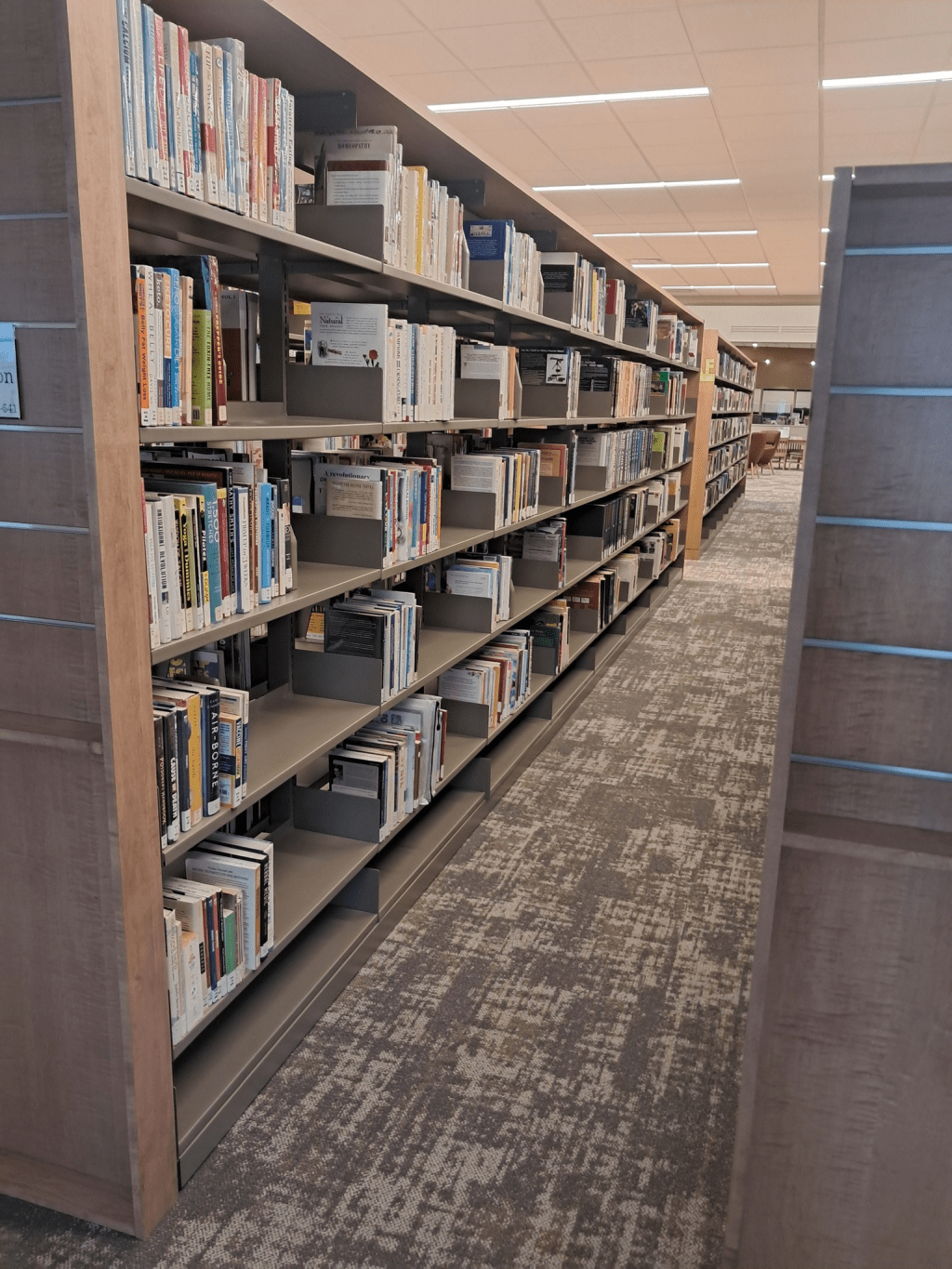
Beyond home, I gather monthly at our local library for book club — a lively mix of neighbors and new friends united by stories and snacks. We’ve been deep in historical fiction lately, stepping into lives far from our own. These evenings remind me that community grows naturally when people come together to wonder.
If you’re curious about what we’ve been reading together, I share highlights and reflections on my Book Club Reads page(this page contains affiliate links — I may earn a small commission, at no extra cost to you, if you decide to purchase. Thank you for supporting Practical Homesteading!).
🌿 Why survivor stories call to me
Recently, I’ve found myself drawn to stories of survival — real people facing impossible odds and somehow finding light. Maybe it’s because they show not only how people survive, but why they choose to keep living.
Here are a few titles that top my list right now:
“Man’s Search for Meaning” by Viktor Frankl A profound reflection on finding purpose even in suffering. Frankl’s insights from Auschwitz remind me that inner strength begins with meaning.
“Endurance: Shackleton’s Incredible Voyage” by Alfred Lansing Twenty-eight men trapped on Antarctic ice for more than a year — and every one of them survives. It’s a gripping lesson in leadership, loyalty, and hope against all odds.
“Jungle” by Yossi Ghinsberg Still on my to-read list, this one explores what happens when you’re alone in the Amazon and survival depends on the mind as much as the body.
🌼 Lessons for everyday resilience
I hope I never face what these survivors endured, yet I read their stories to understand the quiet strength that grows inside us all. I want my children to see that resilience works like a garden — cultivated through patience, weathering storms, and trusting in renewal.
Reading reminds me that every family, every friendship, is its own kind of survival story. We move through hard seasons by leaning on one another and holding faith that winter won’t last forever.
“Endurance isn’t about toughness — it’s about purpose, compassion, and hope taking root in the hardest soil.”
So, as I grow food, raise kids, and build community, I’ll keep reading about people who found light when the world went dark. These stories keep me grounded — and remind me that, like a garden in spring, we can always begin again.
What about you — which story has taught you the most about resilience? Please share your book recommendations in the comments! I love to learn and grow with you!
🌱 If you enjoyed this reflection, don’t forget to like, share, and subscribe for more posts about growing food, raising kids, and building community — one story at a time.
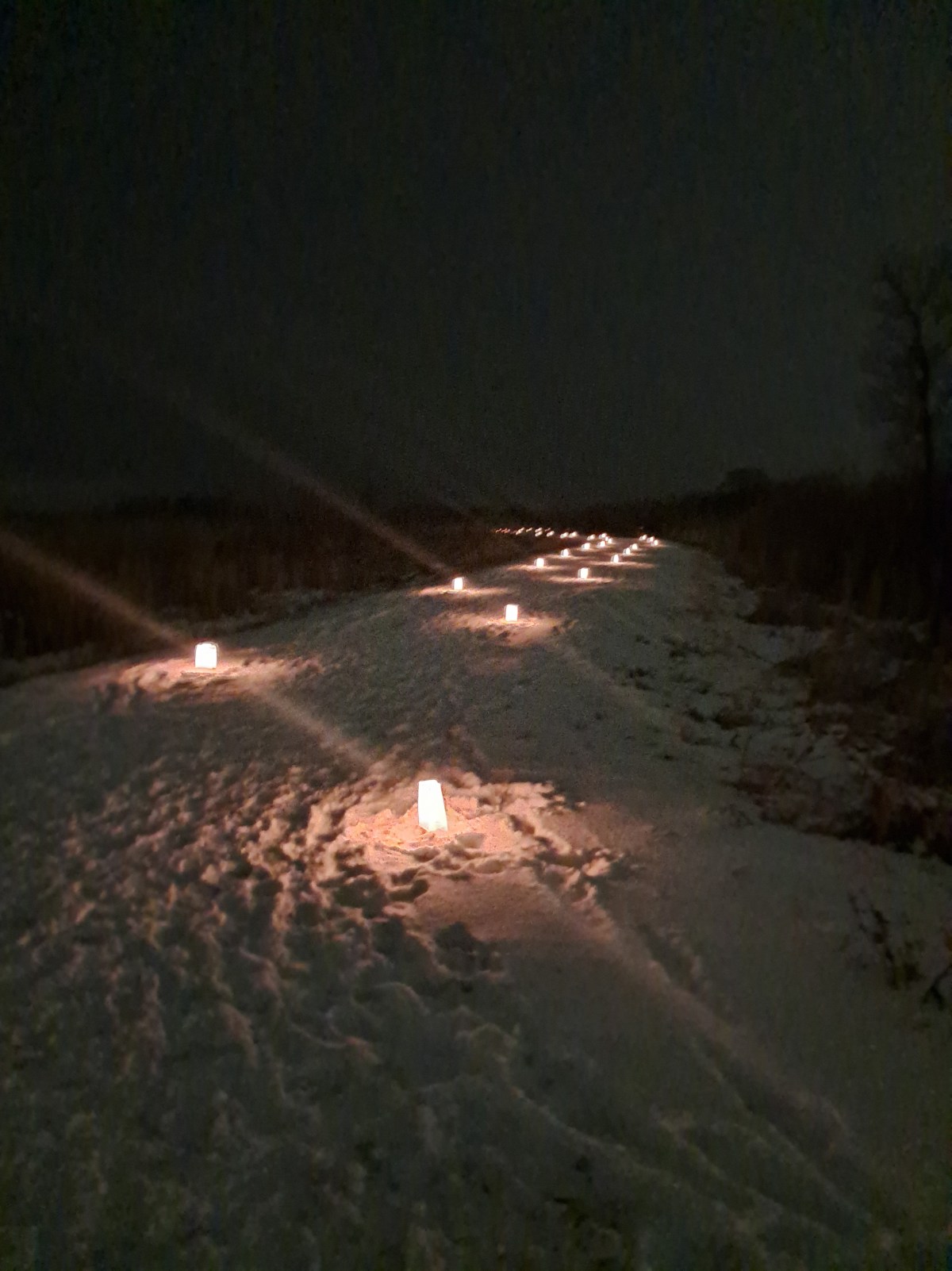
Discover our favorite winter storybook trail walks with kids at Horicon Marsh’s candlelight event. Hot cocoa, nature stories, and family fun—share your ideas below!
A thoughtful parenting moment inspires reflections on curiosity, learning, and adventure from home. Discover how one mom connects travel dreams, homesteading life, and the wonder of raising endlessly curious kids.
What book are you reading right now? Some of my earliest memories are of getting lost in a book. I read on the school bus until the motion made me queasy but I never quite wanted to stop. Books have always been my favorite escape into bigger worlds. That love of stories has shaped much…
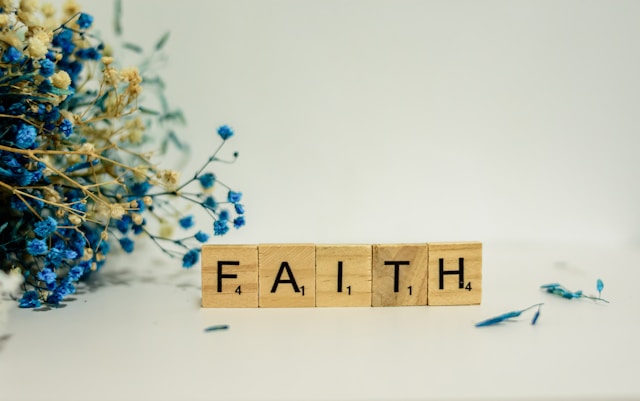
Write about your first name: its meaning, significance, etymology, etc.
As the last of six girls, I drew the “leftover” name that ended up rewriting my story.
Faith was not the name my parents had planned—because they hadn’t planned any name at all. The night I was born, my mom kept suggesting options and my dad kept turning them down. Nothing felt quite right. Then my mom suggested Faith, adding almost offhandedly, “Everyone needs a little Faith.” This time, my dad didn’t argue. Just like that, Faith became mine.
For years, I didn’t love that origin story. My name felt too different, too noticeable. On the phone, if I said it too fast, people would ask me to repeat it or guess something else entirely. One child dubbed me “Face” in a moment of childhood brilliance. That pretty much summed up how I felt—misheard, slightly awkward, and more than a little self-conscious about a name that drew attention I didn’t want.
Names have a way of catching up with you, though. As I got older, I started to sit with the meaning of Faith. At its simplest, it means “belief in something greater than yourself.” That “something greater” is different for everyone—God, the universe, a calling, a purpose, or even the quiet conviction that life can be better than it is today. There is a tenderness in that idea, a kind of built-in hope. My name stopped feeling like an odd label and started feeling more like an invitation.
Faith, on its own, doesn’t magically fix anything. Belief without action can easily turn into wishful thinking. But when you pair faith with hard work, grit, and determination, it becomes a powerful force. It keeps you moving when the path is unclear. It nudges you to try again after a setback. It whispers that the effort is still worth it, even when the outcome isn’t guaranteed .
Now, when I introduce myself, I do it with a little more warmth toward that younger version of me who cringed at her own name. I carry a word that reminds me daily to look beyond what I can see, to trust that there is more possible than what is obvious, and to keep showing up and doing the work anyway.
Everyone may not need me, exactly—but everyone does need a little faith. And somehow, over the years, that has become something I’m proud to embody.
Have you ever performed on stage or given a speech? My heartbeat quickened as the announcer called my name, each syllable echoing through the microphone. Applause filled the conference hall as I walked toward the podium, my shoes tapping softly against the floor. The room smelled faintly of coffee and stale donuts—a familiar comfort for…
What positive events have taken place in your life over the past year? When my mom called her three-week hospital stay “the worst resort ever,” we laughed—a little nervously, but genuinely. That’s just who she is: tough as nails with humor for armor. The “resort” came with a 24-hour staff, questionable cuisine, and, as she…
Discover why growing food, raising children, and building community are at the heart of my homesteading mission. Together, we can return to the roots of connection, resilience, and hope.
Can you share a positive example of where you’ve felt loved?
Disclosure: This post contains affiliate links. As an Amazon Associate, I earn from qualifying purchases. Thanks for supporting Practical Homesteading!
Ever feel like love keeps reaching for you, but some old instinct makes you duck away?
That’s been my story for most of my life, a quiet belief that something was fundamentally wrong with me—something that disqualified me from being truly, deeply loved. When people went out of their way with kindness, whether it was a thoughtful gesture or words meant to affirm me, I found myself almost unable to bear it. I’d deflect with a joke, change the subject, or pull back to what felt like a safer distance, convincing myself I didn’t really need anyone after all. And yet, from that very distance, I’d ache and complain that no one truly cared.
Where the Pattern Began Looking back, I can trace much of this to childhood on our Wisconsin dairy farm. Farming carried relentless stress—long days in the fields, milking cows, haying season pressures that stretched my parents thin. The farm always came first, and while they poured everything into keeping it alive, we six girls learned to need less, do more, and stay out of the way. We never needed words to feel the pressure, but children read rooms like seismographs, absorbing every sigh, every moment of bone-deep tiredness. I internalized that needing anything made me a burden. So I shrank myself: good student, low-maintenance helper, hyper-independent. Better to be useful than to be needy.
That pattern wove into adulthood. My love language became acts of service—cooking, cleaning, organizing, stepping in quietly. It became both how I loved and my shield. Always doing meant never done for, staying safely in control as the helper, never the helped.
When My Children Started to Change Everything Motherhood began unraveling this through hundreds of small moments. When my babies nestled against me, their complete trust felt like a start. But deeper change came as they grew, each finding ways to love me back through acts of service—their tiny mirror of what I’d modeled for them.
My two-year-old adores doing the dishes. She drags a chair to the sink, climbs up purposefully, rag in hand, and tackles plastic bowls and spoons. Counters grow wetter, floor becomes a puddle, but her earnest eyes shine with pride. The old me wants to take over. Instead, I hand her another bowl and say softly, “You’re such a good helper. Thank you.”
My six-year-old is mastering the art of folding laundry. When our daughter arrived, survival mode hit hard. For a while it was simply faster to do everything ourselves. Now that we’re coming out of that season, we’re intentionally pulling him into family contributions, even though it takes more effort and patience from us. He folds t-shirts into neat squares, pairs up socks as best he can. Sometimes I open my drawer to discover one of dad’s underwear tucked in with my things. I gently correct him as I place it in dad’s drawer. Now he proudly asks first, “Mom, is this yours or Dad’s?” Him learning to be involved feels worth it for his well-being in the long run.
Then there are the rocks. He loves bringing me stones that he finds: smooth pebbles, bits of quartz, sometimes just muddy treasures he knows I’ll appreciate. As an environmental professional with a geology background, his rocks land right in the center of my heart. He’ll run up, eyes shining, holding out his find: “Mom, I found this special rock just for you!” I take time to study each one with him, turning it over in my hands before placing it in this clear container where his rock collection resides.
The Moment Love Finally Landed These imperfect acts were their love language, mirroring mine. Rejecting them would mean rejecting their hearts. So I’m practicing receiving: drying toddler plates, keeping laundry stacks as-is, treasuring every rock.
One overwhelmed day, I found my two-year-old at the sink, surrounded by suds and her pile of “clean” bowls. Water dripped from her elbows, face earnest, clearly seeing my exhaustion. No words needed—her effort said, “Mommy’s tired. I’m helping.”
That cracked me open. All my life avoiding burdenhood, here was my toddler seeing me and choosing to lighten my load anyway.
The Homesteading Lesson Love Teaches Love arrived not as overwhelming force, but through soggy dishes, earnest laundry folds, rocks gathered for Mommy—humble acts from small hands noticing my need. My lived-in home holds these lessons.
My children teach me love shows in ordinary service. When I receive without fixing, I rewrite “burden” as “belonging.” They prove I’m not too much—I’m exactly right for their help, their effort, their love. And teaching my son to contribute builds his confidence for life ahead.
👉 **What’s YOUR love language struggle?** Drop it below! ❤️ Like if toddler “help” melts you too 📲 Share with your fellow working mom **Subscribe for weekly real homesteading + mom life**













 Practical Homesteading