Category: Uncategorized

  • The Attic That Remembered the Harvest

    A quiet corner of the house becomes a window into the rhythm of old farm life


    The Secret History in the Rafters

    There are places in a home that carry silence differently. Our attic is one of them. The floorboards creak with memory, and dust glows like soft smoke in the afternoon sun. At first glance, it’s just old timber and rusted hardware—until you notice the nails. Thousands of them, hammered deep into the beams.

    Three thousand, give or take. They jut out like punctuation marks in a story written by hands who walked within these walls but I’ll never meet. Each nail represents a note of effort, a record of someone’s steady persistence. I remember asking my husband about them the first time I followed him upstairs. He smiled and said simply, “Corn drying nails.”

    Rediscovering an Old Tradition

    I had no idea what he meant. Then autumn arrived, and our blue dent corn ripened in our garden. We carried the harvest up the narrow attic stairs, a banana box full of bright, heavy ears. Instead of looping the husks and hanging them as I had envisioned, my husband pressed the cobs straight onto the nails.

    It was slow, almost ceremonial work. The corn slid onto the metal with a satisfying scrape. One by one, the wall filled with color—deep blue, sun-gold, and flickers of red silk. In that dim, quiet light, the attic became a mosaic of patience and practicality.

    For generations before hybridization transformed agriculture, this was how families saved their seed stock. The previous year’s corn dried high above ground, away from moisture and rodents, until it was ready to be shelled in spring and replanted. Every cob represented not just a meal, but a promise for next year’s planting—a steady thread of survival and renewal.

    The Weight of Time and Work

    Sometimes, when I’m up there alone, I imagine those who lived here before me. Maybe a farmer with calloused hands, wiping sweat from his temple as he climbed the attic stairs. Maybe a child trailing behind, helping to hold the basket. The air would have smelled like a granary, of earth, timber, and ripened grain—a hand-me-down scent that tied one harvest to the next.

    Now the nails stand empty, gleaming faintly in the warm shadows. They hold no corn, but they still anchor something larger: a memory of endurance, a rhythm of life that didn’t depend on abundance but on balance, care, and steady effort.

    Every time the wind hums through the eaves, I think of those nailed-up seasons—how work once lingered in simple materials, how love was measured in continuity, not convenience.

    What Stories Live in Your Home?

    Look around your own space. Maybe there’s a scuffed tabletop, a patch of paint that doesn’t quite match, or a worn stair tread that speaks of every footstep before yours. What places in your home hold quiet stories of labor and love?

    Keep the Story Going

    If this glimpse into an old farming tradition resonated with you, please show your support: Like, share, and subscribe for more reflections on rural living, heritage, and the small acts of abundance that fill ordinary days. Let’s keep these stories alive—because sometimes, the past is only a floorboard away.

    #FarmLife #HomesteadHeritage #RuralStories #TraditionAndCraft #CornHarvest #SustainableLiving #CountryWisdom #SlowLiving #StorytellingSunday #CountryRoots
  • How to Make Homemade Venison Jerky: Smoked vs Dehydrated

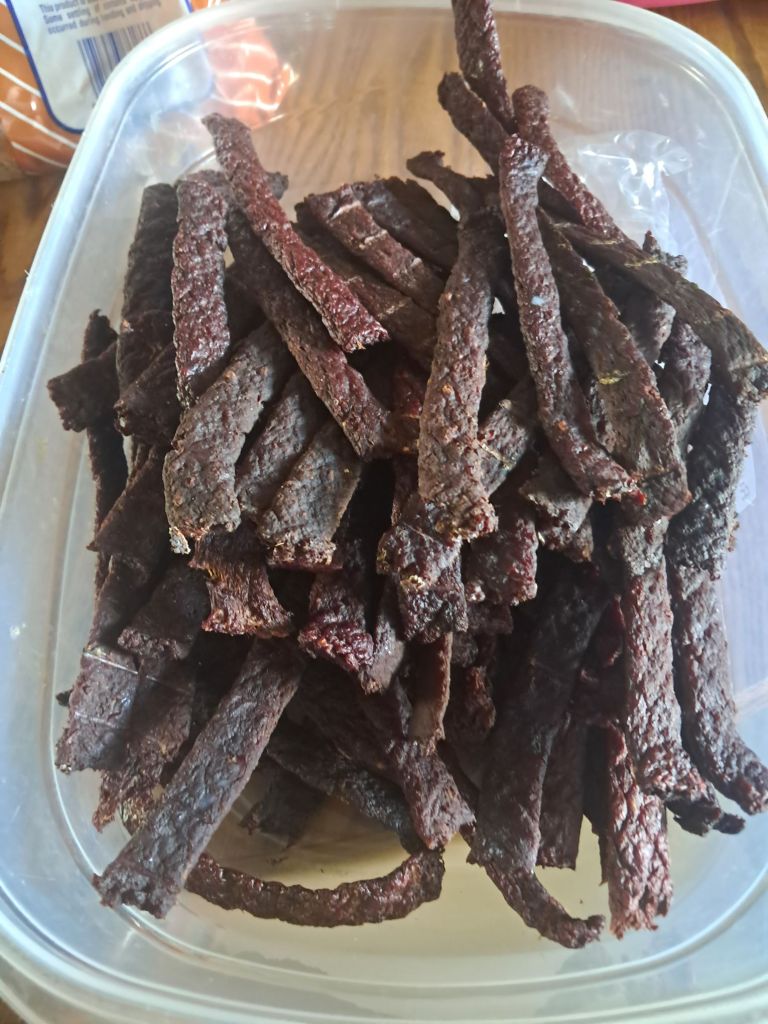
    Looking for a way to turn fresh venison into something truly delicious and shelf-stable? You’re in the right place! In this post, we’re walking through how we took a deer we recently processed and transformed it into mouthwatering homemade venison jerky—a high-protein, low-fat snack that’s perfect for hunters, hikers, and anyone who loves wholesome, from-scratch food.
    If you’ve ever wondered what goes into making jerky from scratch or whether smoking or dehydrating tastes better, read on—because we tested both methods side by side and have the results for you!

    Processing the Venison
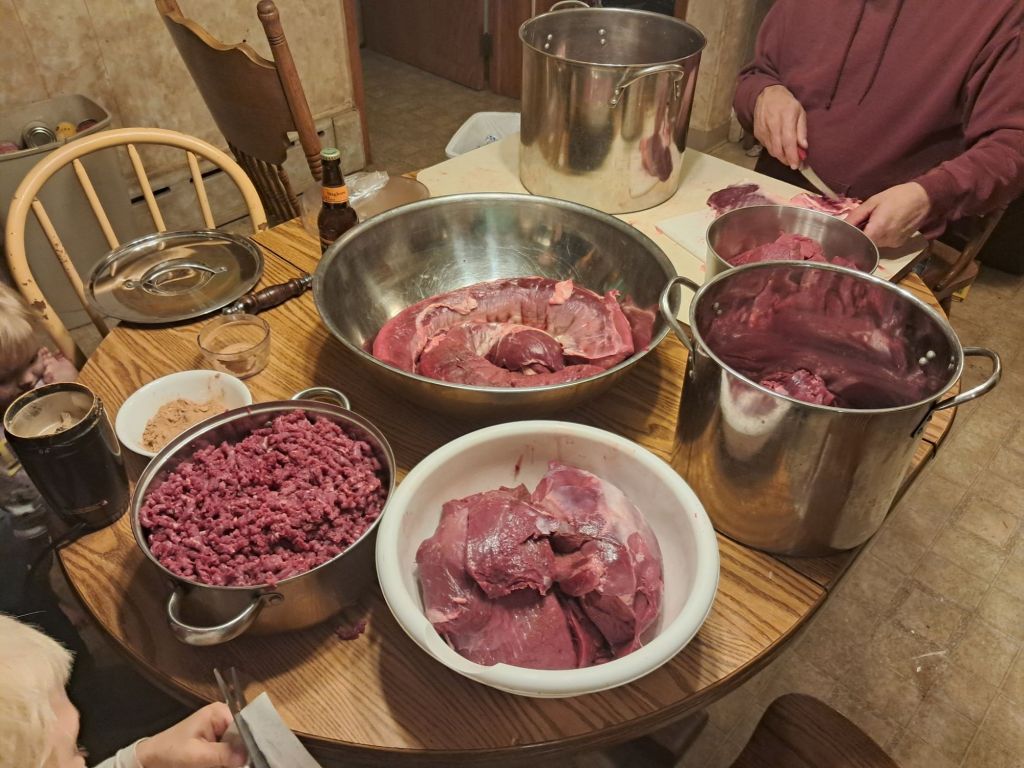
    After harvesting the deer, my husband handled the messy part—removing the hide and quartering the meat. While I didn’t snap photos of this step, it’s essential for breaking the animal down into workable portions. Once the meat was ready, we began deboning—a labor-intensive process!

    But here’s the payoff: processing your own game ensures quality and freshness with the satisfaction of providing your own food. Plus, venison is leaner and lower in fat than beef, while being packed with protein, iron, and essential nutrients. It’s an excellent, heart-healthy meat to keep in rotation alongside veggies, fruits, and other proteins.

    Grinding and Seasoning the Meat
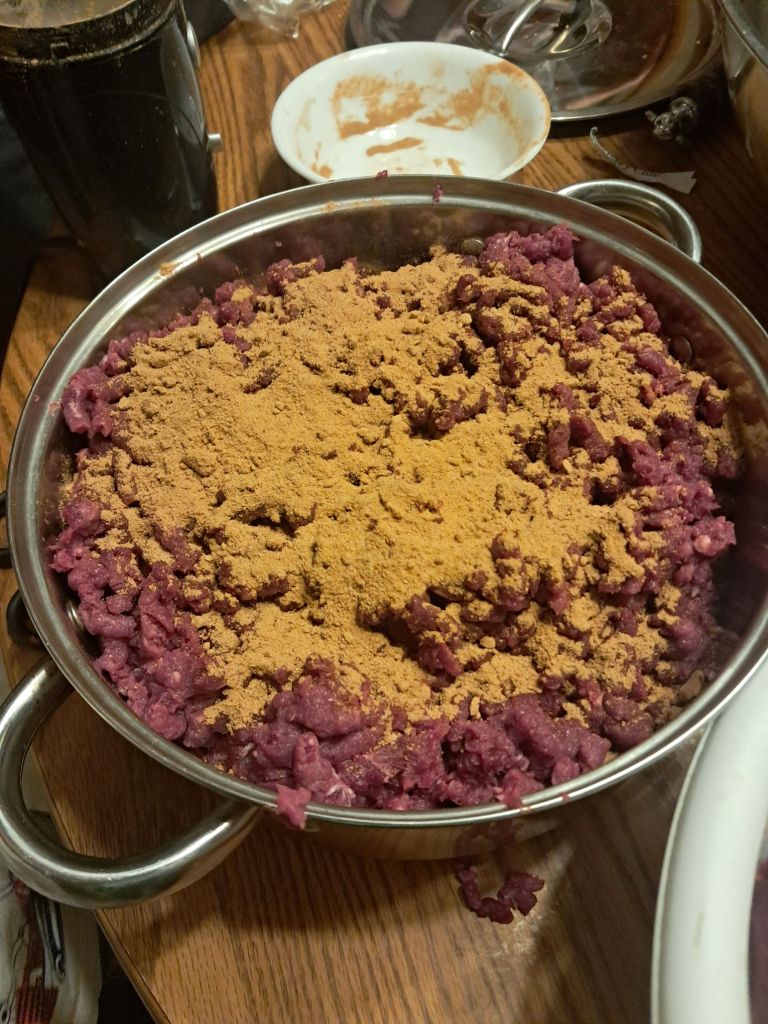
    Once the bones were removed, we ground the tougher cuts and trimmings using our trusty meat grinder. (Ours has been a solid investment—it’s strong, doesn’t clog easily, and is simple to clean. If you’d like a product recommendation, drop a comment below!)

    For seasoning, we used a Fleet Farm Original Flavor jerky seasoning mix, which offers a balanced blend of savory and slight sweetness—perfect for venison’s natural richness. We mixed the seasoning thoroughly, ensuring every bite would be flavorful, then refrigerated the seasoned meat overnight to let all those seasonings work their magic.

    Shaping and Drying the Jerky
    The next day, we got creative with our setup. Instead of a dedicated jerky gun, we improvised with our meat grinder using a sausage tube narrowed down with a vice grip. Sometimes, homesteading means working with what you have, and this hack worked beautifully!

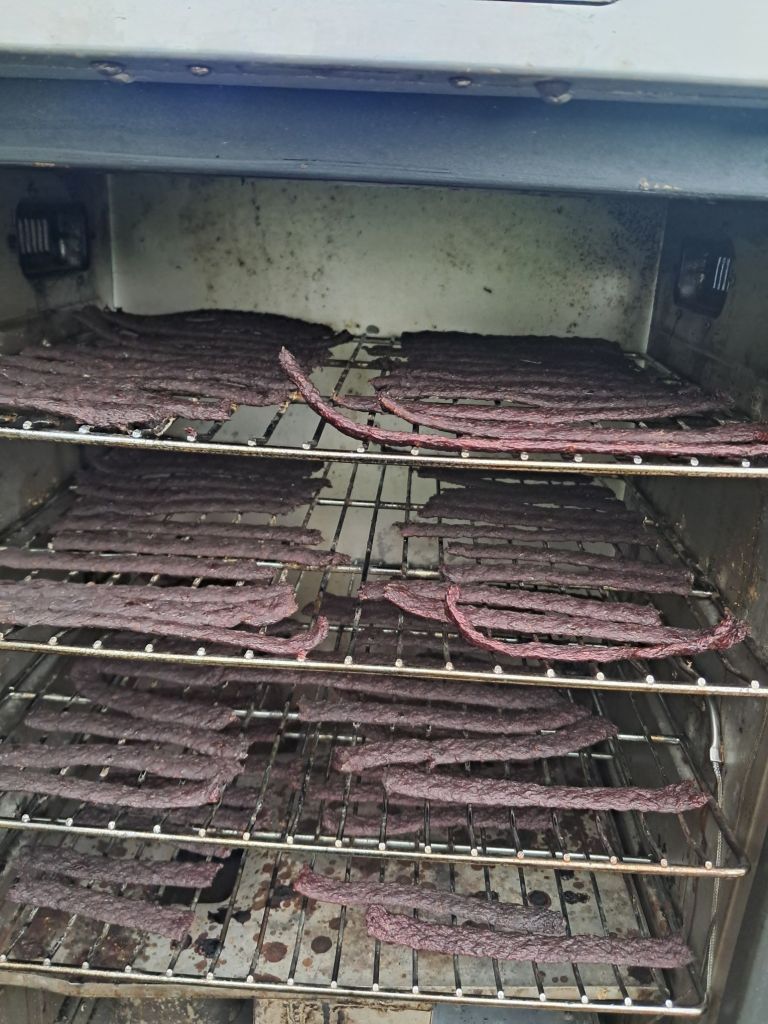
    After shaping the jerky strips, we placed them on racks and divided our batch in two for a taste test: smoked vs dehydrated.

    • Smoker: Applewood chips, 160°F, for 6 hours
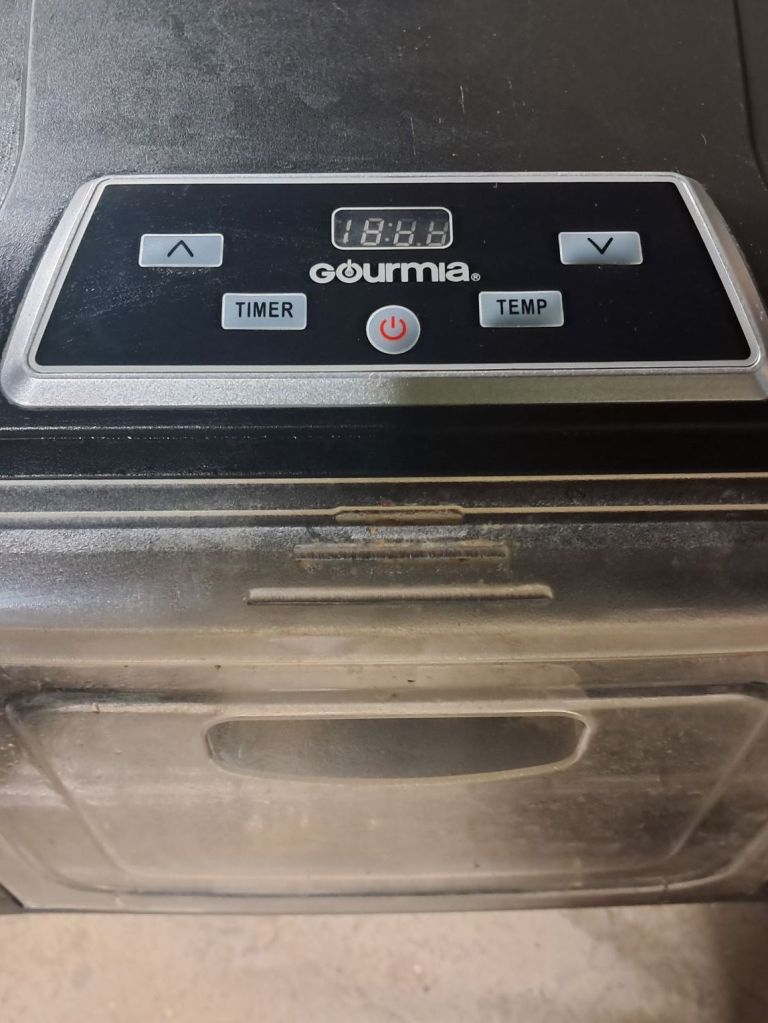
    • Dehydrator: 160°F, for 12 hours

    The Verdict: Smoked vs. Dehydrated Venison Jerky
    Both batches turned out delicious, but slightly on the dry side—a note for next time!

    The applewood smoked jerky, however, stole the show. The smoky aroma, subtle sweetness, and depth of flavor make it hard to beat. If you’re on the fence about getting out the smoker, trust me—it’s worth it.

    Smoked or dehydrated, homemade venison jerky tastes incredible, packs well for adventures, and gives you that satisfying “I made this!” pride every time you open a bag.

    Final Thoughts and Tips
    Making homemade venison jerky takes time, but it’s incredibly rewarding. You know exactly what’s going into your food, it’s healthier than store-bought, and it captures the true flavor of the hunt.


    If you’re new to jerky-making, I recommend experimenting with both smoking and dehydrating to see which method suits your taste best. Adjust drying time slightly to achieve your ideal texture.

    Join the Conversation!
    Have you made venison jerky before? What seasoning blend or wood smoke do you swear by? Comment below—I’d love to hear your tips! And if you enjoyed this post:
    👉 Like, share, and subscribe for more homesteading, cooking, and DIY food adventures. Your support helps us keep creating helpful content for folks like you!

    Follow us on social for daily kitchen and homestead inspo.

    #VenisonJerky #HomemadeJerky #WildGameCooking #HomesteadingLife #DIYFood #JerkyRecipes #SmokedJerky #DehydratorRecipes #FoodPreservation #FromFieldToTable

  • Golden Days at Pike Lake: A Perfect Fall Family Escape

    Golden Days at Pike Lake: A Perfect Fall Family Escape

    Pike Lake State Park in southeastern Wisconsin turned out to be one of the most beautiful and memorable places I’ve ever explored with my kids. Nestled in the heart of the Kettle Moraine, this hidden gem is shaped by ancient glaciers that sculpted the land into rolling mounds, kettle lakes, and forested ridges. Pike Lake itself glimmers like glass beneath the sun — a peaceful kettle lake framed by tall trees and sandy shores, the kind of place that feels like it’s miles away from everyday life, even though it was only a half hour drive from our house.

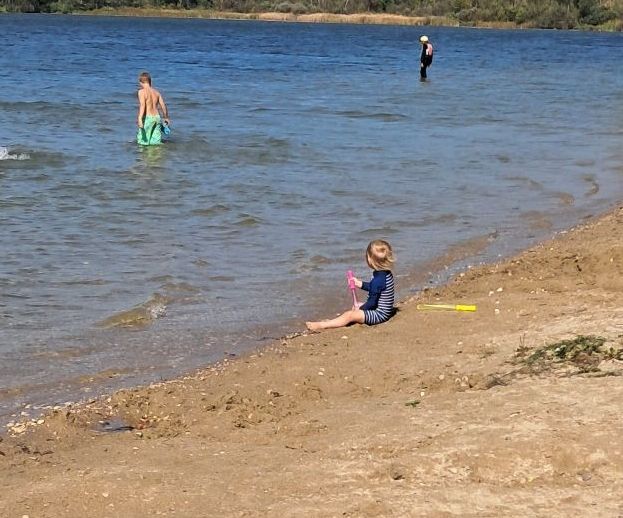
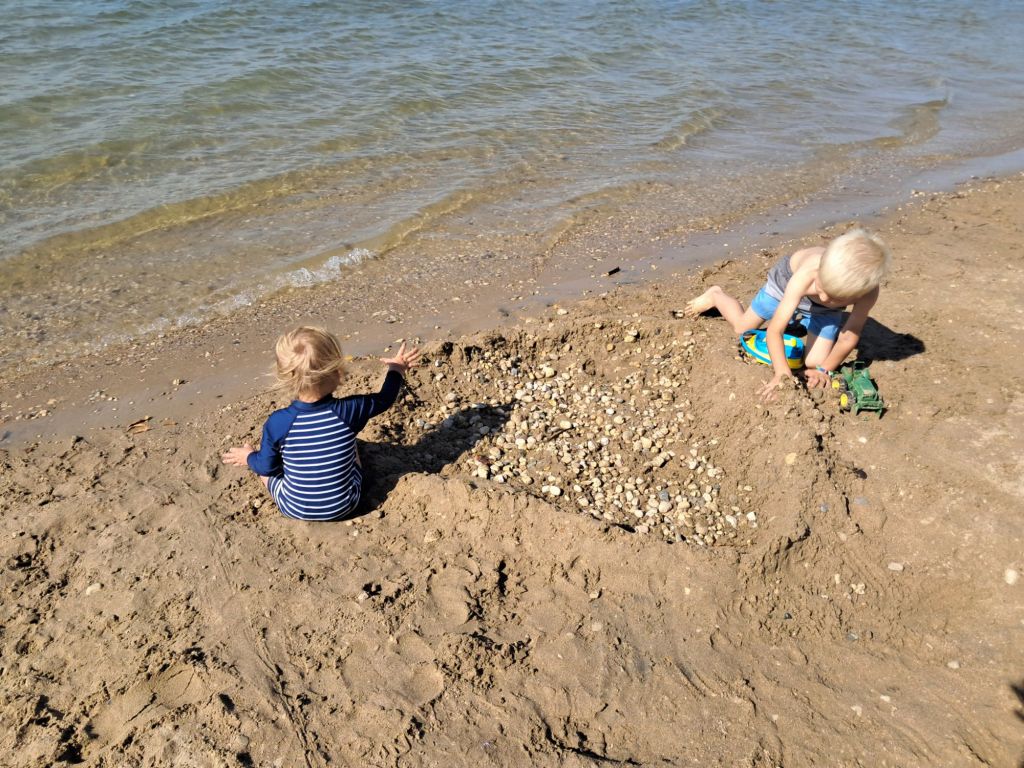
    It was early October, but the weather surprised us with an incredible 80-degree day — pure Midwest magic. We packed up a picnic and headed straight for the beach at Pike Lake. We ate under the tree while watching people play games nearby or set up equipment for wind surfing.  After lunch, the kids kicked off their shoes, running barefoot through the warm sand and laughing as they chased bubbles across the shoreline and build a giant “Egypt” (my son’s phrase). Watching them play under the bright autumn sun made me realize how special these simple moments are — the kind that linger long after you pack up and head home.

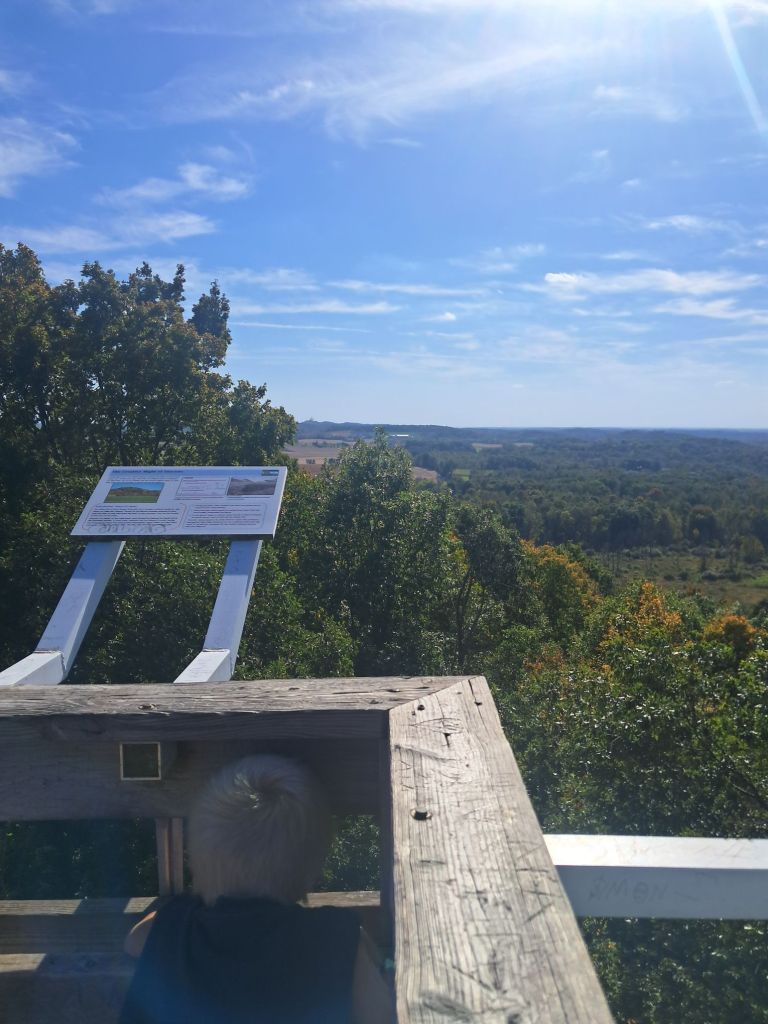
    After the beach, we set off to explore the observation tower perched atop a glacial kame. The climb was worth every step. From the top, we could see Pike Lake shimmering below us, Holy Hill rising in the distance, and the Wisconsin countryside stretching out in a patchwork of greens, golds, and the first hints of crimson leaves. It was one of those views that takes your breath away — a perfect snapshot of fall in the Midwest.

    Our afternoon hike took us along a trail lined with interpretive signs about the solar system — a total hit with my son. He couldn’t stop asking questions about space, planets, and stars. It was heartwarming to see his curiosity come alive right there among the trees.

    By the end of the day, with tired feet and sun-kissed faces, we all agreed that Pike Lake State Park was the perfect fall escape. Between the golden light on the water, the sound of laughter echoing through the woods, and the quiet joy of discovery, it was a reminder that some of the best adventures aren’t far away — they’re waiting right in your own backyard.

    Have you ever found a breathtaking spot close to home that felt like a true escape? Drop your favorite local gem in the comments! If you enjoyed this adventure, hit like, subscribe for more family-friendly travel stories, and share this post with someone who loves nature.

    #FallVibes #FamilyTravelAdventures #ExploreWisconsin #HiddenGemDestinations #NaturePhotography #AutumnInWisconsin #WeekendGetaway #TravelWithKids #FamilyFunTime #FallColors2025 #MidwestTravel #NatureLoversParadise #OutdoorAdventure

  • Life by Stratigraphy

    The first sound I remember from that trip wasn’t birdsong or the crackle of firewood—it was my professor’s baritone voice drifting through a soft Michigan mist. Waking to that unlikely serenade, I understood for the first time that geology wasn’t only about rocks. It was about connection.

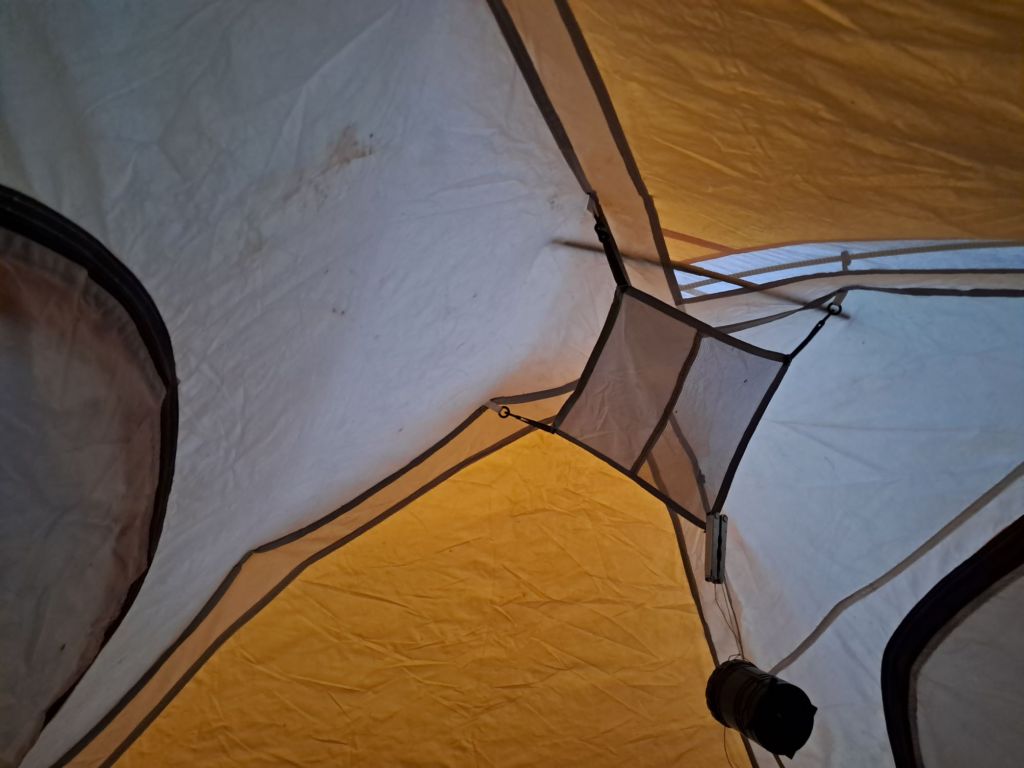
    I was a sophomore then, half-frozen in an April campsite among classmates who still felt like strangers. We shivered through fog, stumbled through tent poles, and passed trail mix in squeaky vans that smelled of sunscreen and coffee. By the time we gathered around cast-iron pots of jambalaya that evening, laughter had cracked the surface. Those strangers were already turning into companions.

    That weekend held a dozen firsts—my first field notes, my first tent pitched incorrectly, my first realization that landscapes told stories. Stratigraphy became a language: layers pressed with memory, stone turned to archive. We spent days trudging through mud, tracing formations in notebooks, learning to see the earth as something alive. Nights filled with smoke and banjo chords, the kind of tiredness that makes everything simple, everything good.

    Fifteen years later, the same circle still gathers—different campsite, different season, same warmth. We no longer ride in university vans. Now we drive in caravans of minivans and hybrids, dogs panting in the back seats, children singing off-key. Some arrive with spouses, children, and dogs, others with partners who share different rhythms of life. Each presence matters.  The ones without kids often become the fresh energy in the group—playing with children, keeping traditions, reminding us that life is not only about caretaking but also about curiosity, independence, and joy on one’s own terms.

    The jambalaya has been replaced by pudgie pies browned over coals, each stuffed with cheese, vegetables, and pepperoni. Mornings rise with a tangle of sounds—an infant crying, kids chasing dogs, coffee sputtering in a percolator. The hikes are shorter, the pace slower, but the laughter feels unchanged. We talk about work, gardening, art, and aging parents. Between stories of milestones and mishaps, the old tales surface too—professors coaxing us to read the earth, tents blown loose in South Dakota, the mud and sand that never washed out of our journals.

    Geology taught me that layers never vanish; they shift and hold. Those early days formed the base layer of my life: dusty trails, notes stained with wonder, campfires burning into friendship. Above them, new layers rise—my child tugging tent cords, friends trading stories across the fire, dogs circling the light.

    Sometimes I still hear my professor’s voice through the morning hush, calling across time. It echoes now in the laughter of friends, the shouts of children, the quiet gratitude of belonging. Like the rocks I once studied, I carry every layer within me. Together, they form not just a good life—but a whole one.

    What places or experiences have left layers in your life—ones you still carry years later? I’d love to hear your story in the comments.

    If reflections like this speak to you, subscribe below to join a circle of readers who believe in the quiet beauty of memory, connection, and time—one layer at a time.

    #Storytelling #Nostalgia #GeologyOfLife #FriendshipThroughTime #OutdoorMemories #Reflection #NatureWriting #LifeLayers #CampfireStories #WritingCommunity

  • The Maps that Found Me

    Every object in a home tells a story—but maps? They tell a thousand. They’re not just decoration; they’re conversations, daydreams, and journeys folded into paper. Whenever I stumble upon one, I can’t help but lose myself tracing routes, wondering about the people who once relied on them, and imagining the lives hinted at in their lines.

    Over the years, maps have quietly found their way into my home, each with its own backstory—unexpected discoveries, hidden treasures, heartfelt gifts. I never really sought them out online; instead, they arrived on their own terms, carrying a history I could never have written myself.

    The Railroad Classroom Map

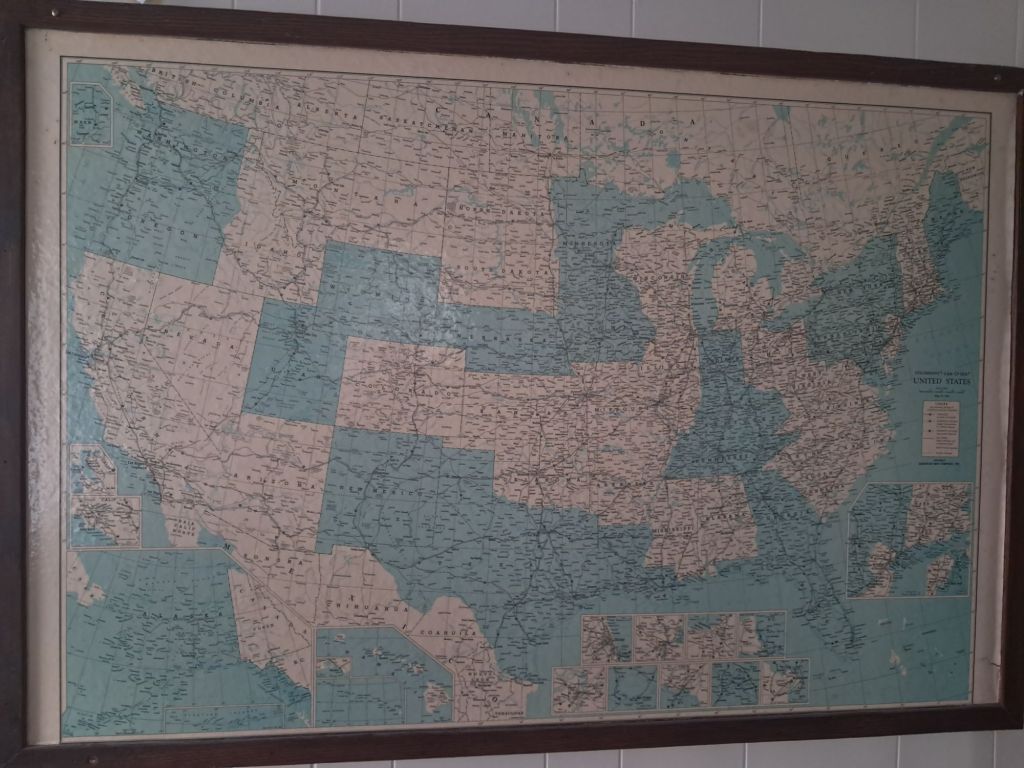
    We first saw it when touring this house in 2023—an old classroom teaching map, tucked upstairs and forgotten. I noticed the pinholes right away, like fragile fingerprints from long-ago students marking where they had traveled or dreamed of going. Unlike modern maps filled with highways, this one highlights railroads, anchoring it firmly in the 1950s.

    My husband and his parents spent weeks transforming the house, painting, and scrubbing every corner. Quietly, they went one step further. They unframed that map, restored it, and hung it in my office as a surprise. I’ll never forget walking in and seeing it mounted on the wall, transformed into something permanent.

    Now it’s more than art. In between client calls, I catch myself following its routes, imagining trips, or even tracing the towns people mention in conversation. It’s a map I live with daily, and one that still sparks curiosity every time I look at it.

    The Soil Map

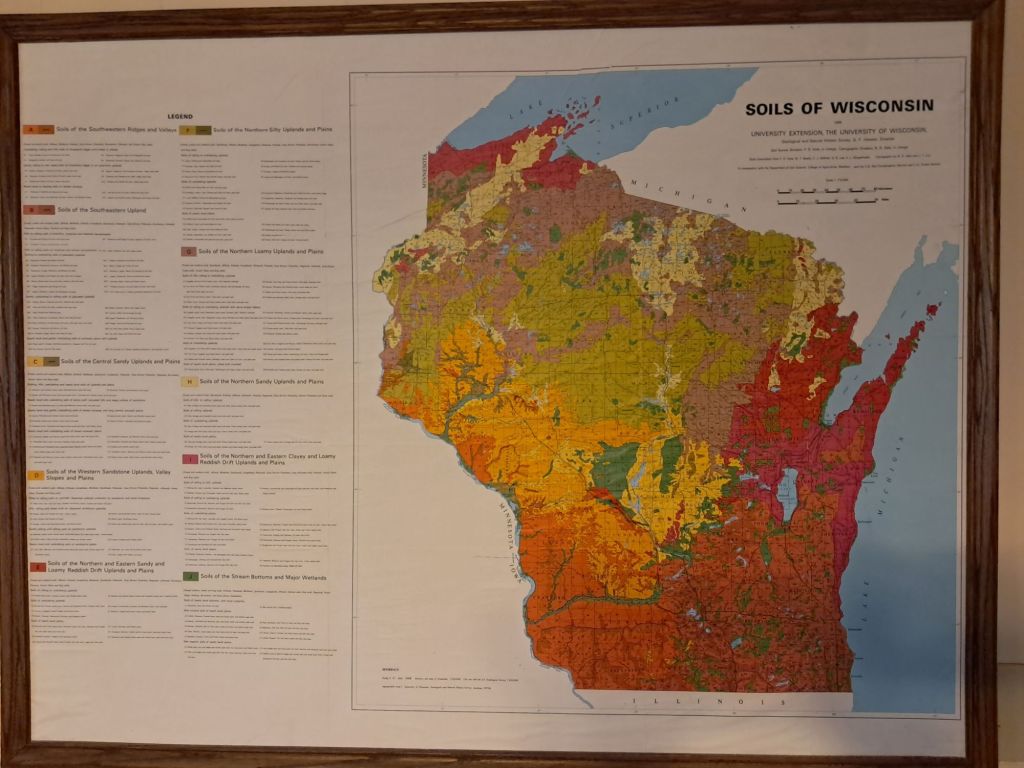
    The second map stayed hidden for years, folded inside the back of an old soils textbook a friend had given me. I always knew it was special, but it was too fragile to display. Last year, I finally asked my father-in-law, who’s a master woodworker, to help me bring it to life.

    He went above and beyond. With patient hands, he flattened it, smoothed out the creases, and built a frame from scratch. On my birthday, he gave it back—transformed, dignified, ready to be seen.

    It hangs in our kitchen now. In my family, farming runs deep, so soil maps are more than color and lines. They remind us of roots, of the land that sustains us, and the quiet, overlooked stories beneath our feet. To visitors, it’s often a curiosity. To us, it’s a piece of home.

    The Geology Map

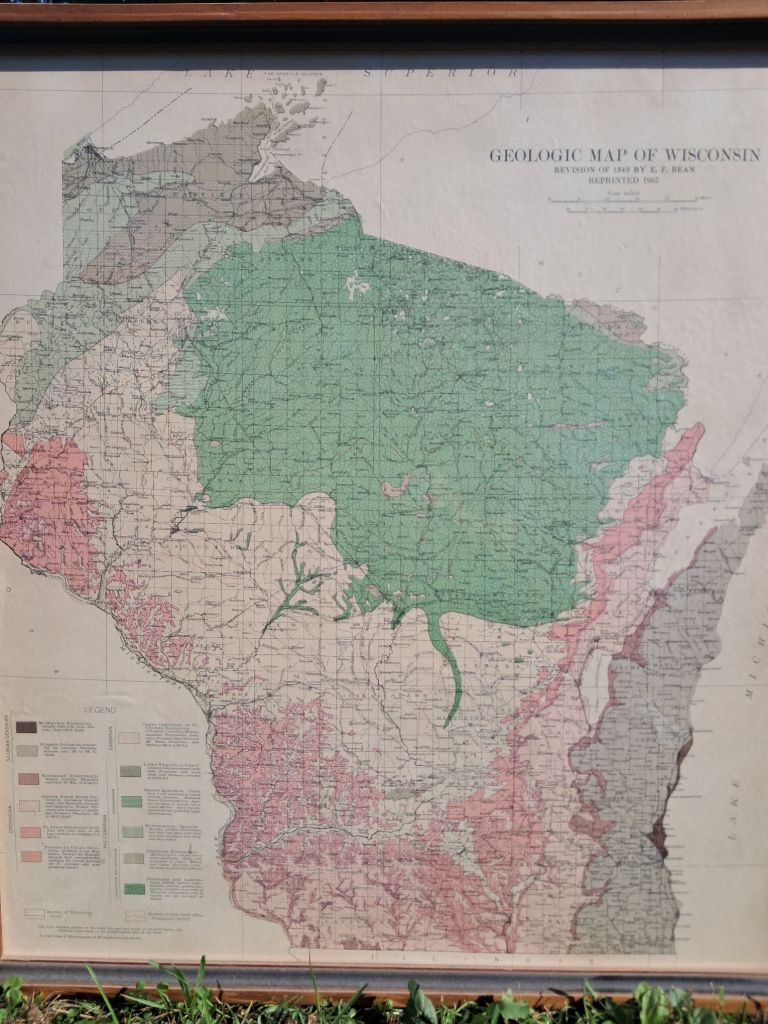
    The last one came as a gift. A close friend, downsizing his home, thought of me and my geology background. He didn’t want his vintage map to sit in storage, so he gave it to me instead—already framed and ready to hang.

    Now it lives above my desk, a quiet reminder of generosity, shared passions, and the beauty in breathing new life into old things.

    Why Maps Matter

    Each map arrived in my life by chance, not intention—and perhaps that’s why they mean so much. They’ve become companions during breaks, sources of curiosity during long days, and sparks for conversations with friends and family. Maps remind me daily that the world is wide, layered with history, and always waiting to be discovered.

    What about you? Do you have something in your home—a map, a book, an heirloom—that holds stories beyond its surface? Leave your story below, and subscribe to join a group of like-minded people.

    #MapsOfLife #VintageMaps #HomeStories #StorytellingDecor #FoundObjects #HomeWithHistory #GeologyLove #FamilyHeritage

  • Unfolding the Woman Within

    When I pulled open the long-forgotten box of clothes, I expected nothing more than sweaters and dresses that hadn’t seen daylight since before we moved. Instead, I uncovered an archive of myself—fabric woven with memory and identity, versions of me I thought I’d misplaced in the blur of motherhood, upheaval, and quiet reinvention. Threads I once wrapped around my body had become threads of memory. Each garment insisted on something I’d forgotten: that the woman I was had not vanished. She had only been folded away, waiting to be rediscovered.

    The first piece I lifted was a blue tulle bridesmaid skirt from seven years ago. Its shimmer caught the light like water. I remembered laughing until my cheeks ached, that easy joy of moving through a night without responsibility pulling me home. The fabric felt almost weightless—so different from the heaviness of my current days, measured in renovations, schedules, and cycles of laundry. Yet the skirt reminded me that the woman who once poured herself into music and conversation, who dreamed without apology, still exists. She isn’t gone, only quieter. Motherhood didn’t erase her; it pressed her into the folds of my life.

    Beneath it lay a lime green sweatshirt, soft with age, cuffs frayed where my thumbs had worn them thin. I bought it on a trip thirteen years ago with my then-boyfriend—before marriage, before children. Back then, it warded off the chill of night air as we stayed awake discovering each other’s rhythms. Today our love feels heavier, bound up in duty and shared responsibility, but the sweatshirt breathes warmth from another kind of time—the reckless spark at the beginning. It reminds me that love does not only grow dense with duty. It also remembers its hunger, its boldness, its early lightness.

    Then came the white floral dress from my high school graduation. Even now it smells faintly of summer—grass, sunscreen, a trace of freedom. Touching it pulled me back to eighteen, stepping across the stage with life unspooling in every direction. But stitched into those seams was uncertainty as well—fear of whether I could survive the leap from promise into reality, fear the horizon would prove endless but unreachable. The girl in that dress was daring, but she was trembling too, resilient and unsure at once. That reminder matters: possibility never arrives pure; it comes braided with doubt. And even doubt, held up to the light, is proof of being alive.

    Piece by piece, the garments revealed forgotten selves: the carefree girl who danced until dawn, the partner who loved with abandon, the graduate who carried both hunger and hesitation. For years, buried beneath routines and responsibilities, I believed those selves had slipped away. They hadn’t. They had only been waiting in fabric, whispering who I was and who I still am.

    Unpacking that box became more than sorting clothes. It became a kind of restoration. Each garment stitched something back together, reminding me I am not a role diminished but a self layered. Change hasn’t stripped me of past lives; it has braided them into the woman standing here now, stronger for her threads.

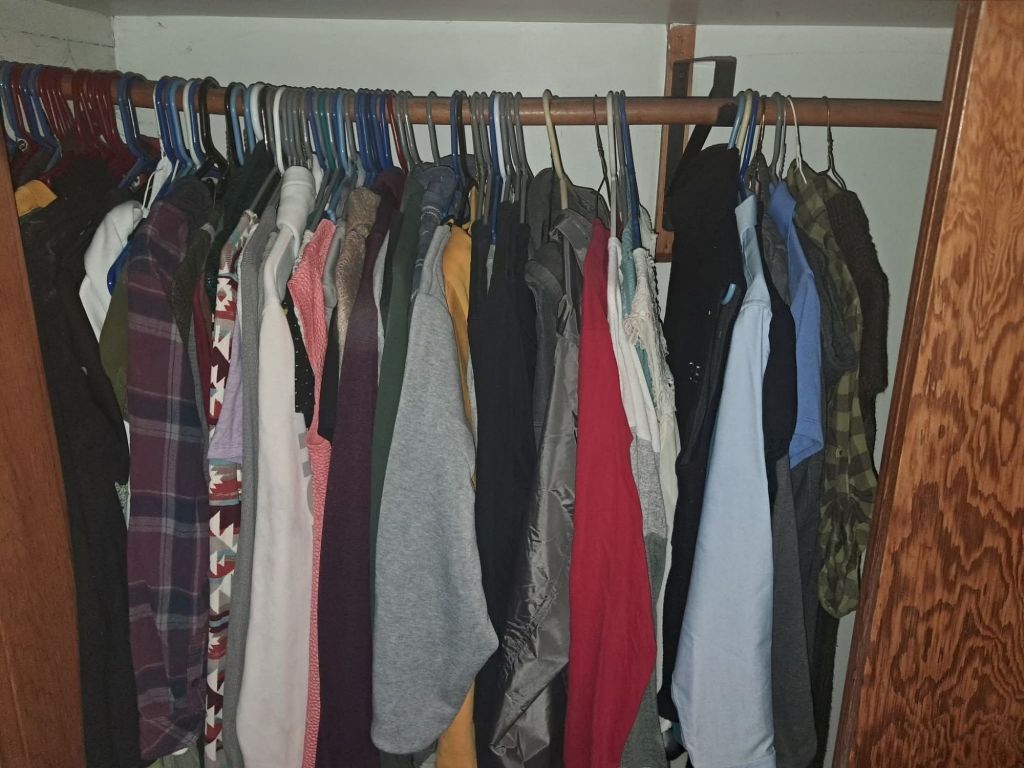
    When I smoothed the seams and hung the clothes in my closet, I realized they don’t just belong to the past. The skirt dares me to dance now. The sweatshirt urges me to keep tending the spark of love. The floral dress, stitched with possibility and doubt, still points me toward horizons waiting in front of me—creative ones among them—that dare me forward.

    As I closed the closet, the blue tulle hem slipped out, catching the light. I left it that way on purpose—a reminder trailing behind me, whispering that the story isn’t finished.

    What item of clothing holds the strongest memory for you, and what version of yourself does it bring back? Leave your story below, and subscribe to join a group of like-minded people.

    #MotherhoodAndIdentity #LifeLayers #MemoryInFabric #CreativeHealing #PersonalGrowth #SelfRediscovery #WritingThroughChange

  • What Diane Left Behind

    When we first moved into this house, we thought we had simply found a place to live. Instead, we stepped into the unfinished story of someone who came before us—a woman named Diane—who revealed herself in the most unexpected and beautiful ways.

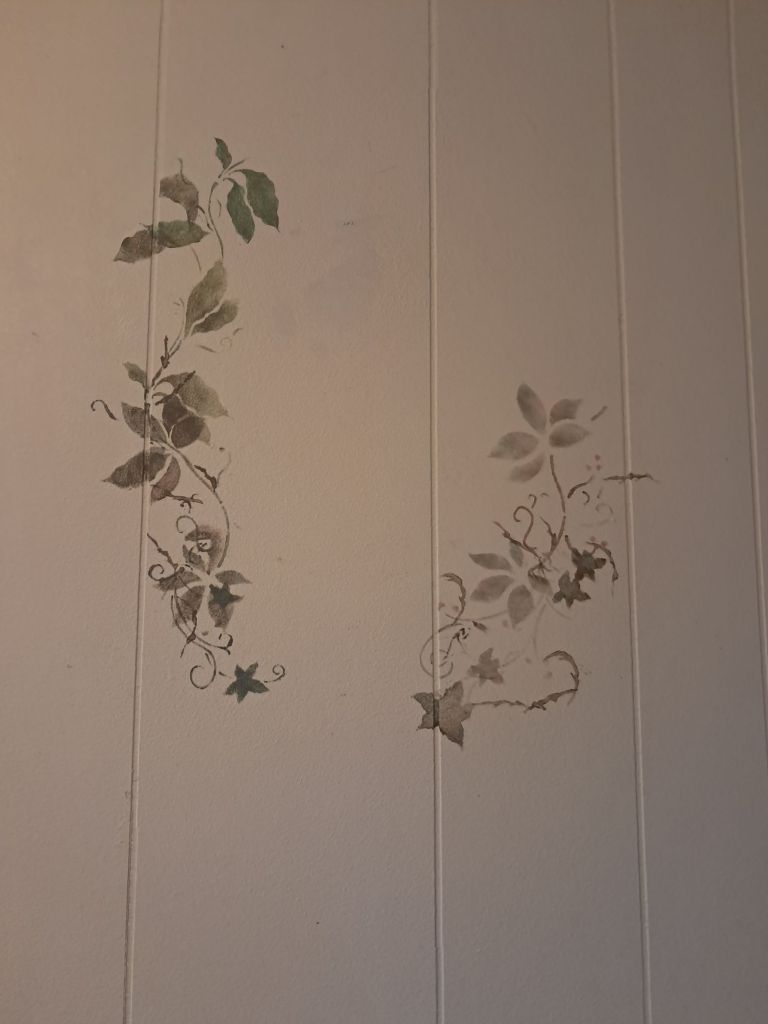
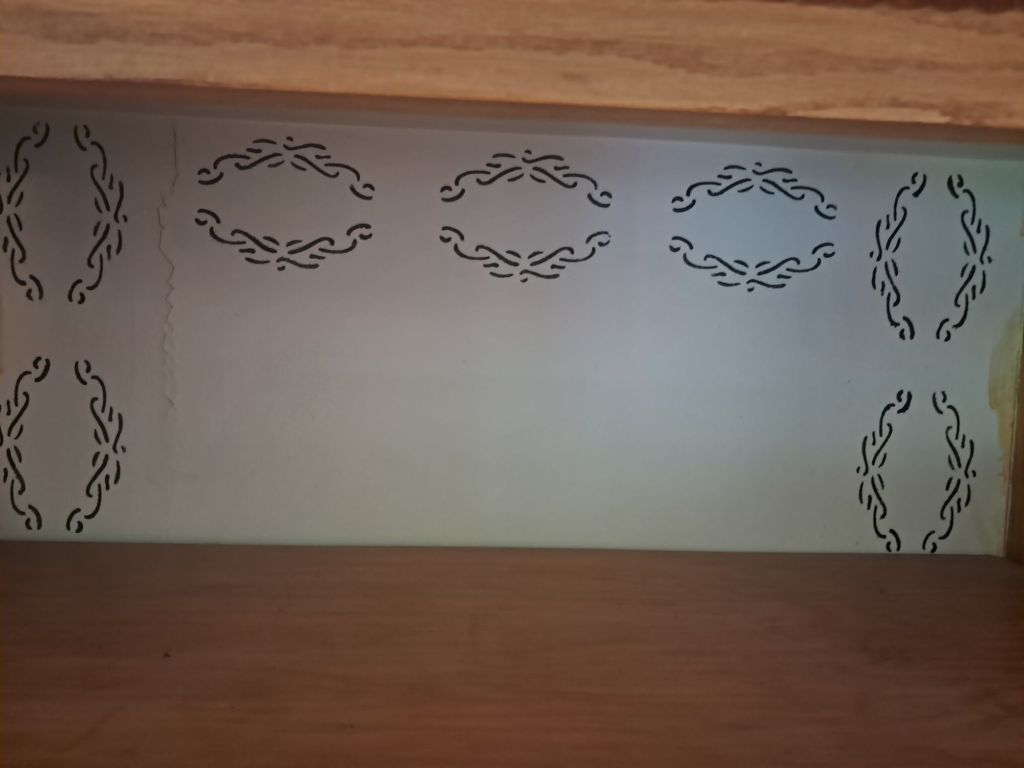
    Every room still carries her touch. Vines climb the walls through careful stenciling, flowers line the middle of the room, and delicate leaves trace their way across blank space like quiet signatures. Some stenciling was even hidden inside a kitchen cabinet, a private flourish meant only for her. These weren’t just decorations. They were conversations, left behind for whoever might notice. In the kitchen, I found her paints and brushes, waiting as if for the next curious hand to take them up.

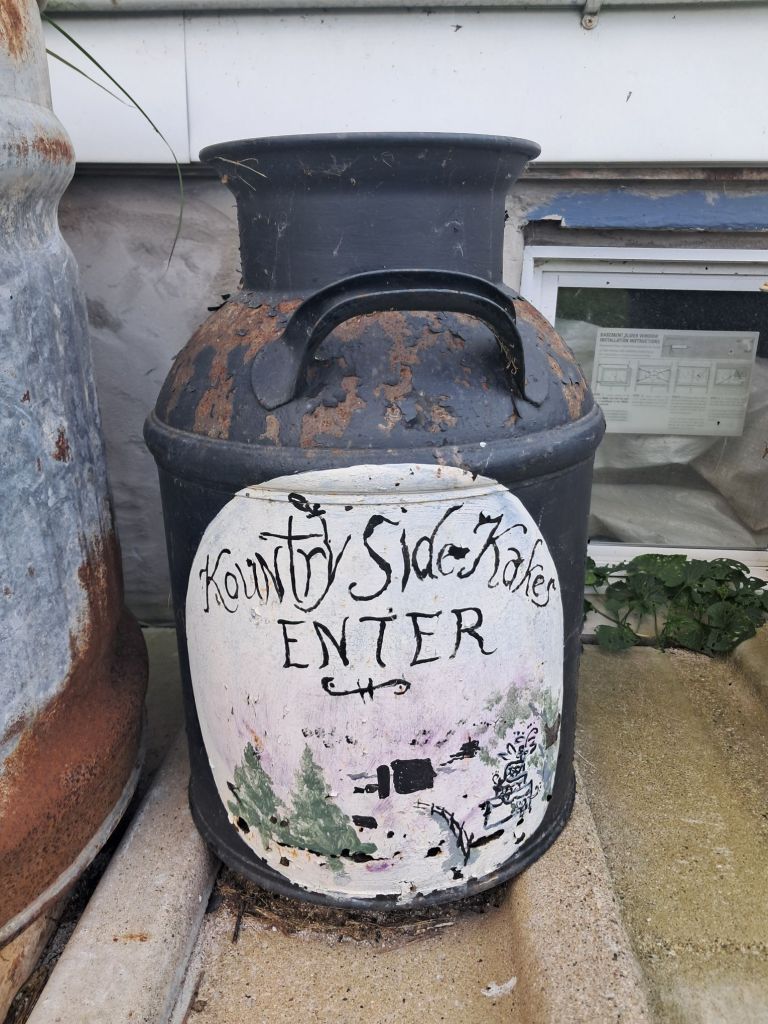
    Outside, tucked among the outbuildings, I stumbled on an old black milk can splashed with color. At first, it looked like a relic of farm life—but it wasn’t just a milk can. It was Diane’s. She had turned it into something vibrant and alive. Later, we learned it once carried an even greater role: it was part of her cake-baking business.

    And here’s what astonishes me most—Diane didn’t have a working oven upstairs. She baked entirely in the basement, a decade before home kitchens were seen as legitimate places of business. She bought what she needed, gathered ingredients, decorated cakes, and kept going when every practical reason might have told her to stop. I don’t know how many cakes she sold, but the numbers don’t matter. What matters is that she created anyway. With persistence. With imagination. With faith in her own vision.

    Though Diane left this house long ago, she is still here. She lingers in painted borders that catch the morning light, in the milk can that holds stories of sustenance and grit, in brushstrokes across walls that prove someone once dared to dream. Her presence offers a lasting truth: the smallest acts of care can outlast us.

    Diane never knew we would walk these rooms, yet her creativity greets us daily with a quiet challenge: begin anyway. With a basement oven. Without applause. Even when conditions are imperfect.

    Her story reminds me to make with what I have, to tend dreams even when they feel fragile, and to trust they may ripple outward in ways I cannot yet imagine. Diane lived this truth. Now I carry it forward—one word, one sentence at a time.

    Rest in peace, Diane (1948–2018).

    What’s something small you’ve created that might outlast you? Share your story below, and subscribe to join a group of like-minded people.

    #Creativity #Legacy #BeginAnyway #InspirationDaily #OrdinaryToExtraordinary #ResilientDreams #ArtInEveryday

  • Between Joy and Heartbreak: Lessons from Life with Animals

    If you care for animals, you soon learn that joy and heartbreak are neighbors—arriving together, sometimes within the span of a single sunrise. I didn’t set out to be a caretaker, but each creature has reshaped me, leaving lessons that linger long after the shed doors close.

    Learning Detachment

    My childhood on a dairy farm should have prepared me. At thirteen, my dad put me in charge of forty steers: mixing feed, cleaning manure, hauling hay, filling troughs before and after school. But my attention drifted to academic decathlons and late-night phone calls—not the hushed coughs that warned of pneumonia. When a steer faltered, a flicker of shame brushed me, but I turned away. I told myself I didn’t care. Only later did I understand that indifference can mask inexperience, and neglect leaves its own quiet scars.

    Striving for Connection

    Years later, with my own patch of land and a child tugging at my pant leg, I longed for a different kind of stewardship. We began with nine day-old chicks, their peeps filling our spare room like tiny bells. My toddler giggled at the flurry of wings; for the first time, joy in its most fragile form perched in my hands. When we moved them outdoors—my husband hammering an old wagon into a coop—the morning sun felt like a promise.

    Heartbreak Arrives

    One promise quickly broke. Eight chicks bounded out of the coop one morning; the ninth staggered on a bloody stump. A predator had found us. We patched the gap too late. I tried: sugar water, bandages, gentle vigil. She died three days later. This time, I grieved without defense. Care had asked much, but no effort could close the wound carved by nature’s merciless hand.

    Unintended Consequences

    Later, we raised ducks for meat. They foraged happily, splashing in a kiddie pool, while we admired their industry. But their feed in the garage invited rats. In panic, we set poison—quick, thoughtless. The rats vanished. Then the ducklings began to die: one by one, limp in the grass, until only half remained. It took a week before we understood the chain of blame. The poison had claimed what we had sworn to protect. The guilt pressed heavy, undeniable.

    Lessons in Vigilance

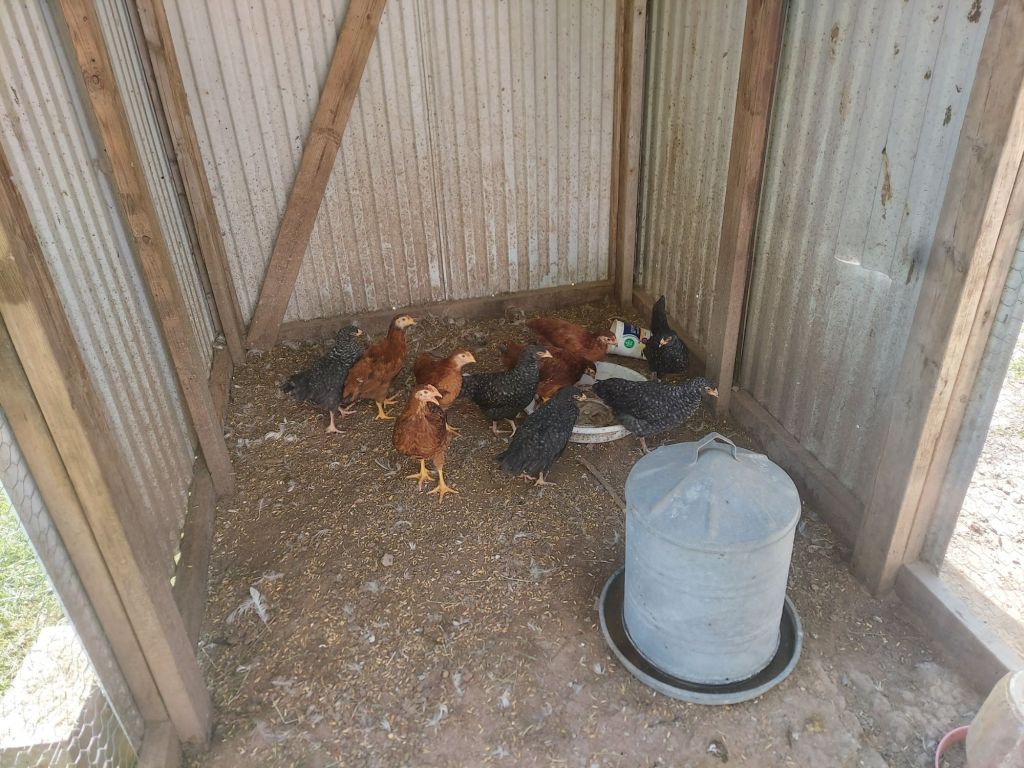
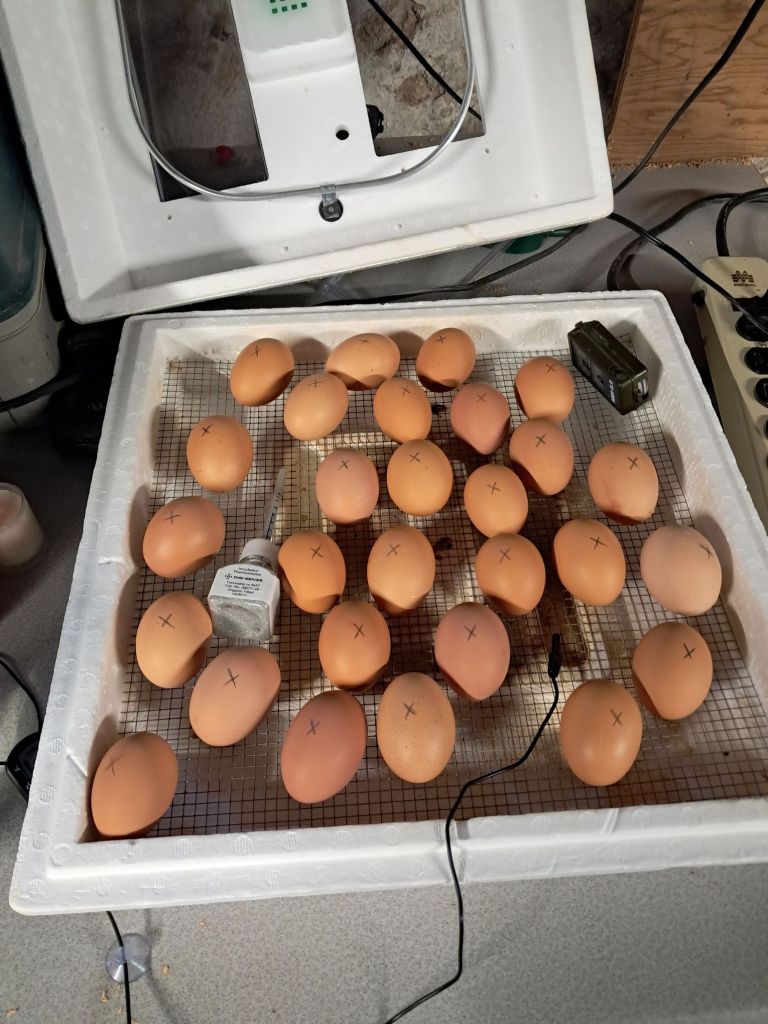
    Determined to do better, we tried hatching chicks ourselves. I turned eggs, monitored humidity, listened for those first faint peeps. Watching a shell give way to life felt astonishing. We raised ten. Hope rose again—but fell fast. When we introduced them to the older hens, the flock turned violent. Two chicks dead, others maimed. Predators stole more through the brooder’s too-wide gaps. In the end, only three remained. Each loss was a lesson etched sharper: the wrong introduction, an unchecked rooster, the overlooked design flaw, the midnight raccoon. Vigilance must live in the smallest details.

    Reflection and Resolve

    After each loss, I replayed choices like a failing reel. Yet the grief, sharp as it was, carved space for humility. I began to see that husbandry is not just routine—it is vigilance, patience, compassion measured against inevitability.

    To live with animals is to embrace risk, but also the hope pulsing in each fragile beginning. A chick’s determined cheep. My son’s laughter as wings brush his fingertips. The hush of dusk settling over a flock, the soft shuffle of life carried forward another day.

    In those everyday moments, resilience grows—not pristine, not perfect, but alive, despite it all.

    Have you ever cared for an animal and found yourself transformed by both the joy and the heartbreak that came with it? Share your story below, and subscribe to join a group of like-minded people.

    #AnimalCare #FarmLife #LessonsInResilience #LifeWithAnimals #HeartbreakAndHope #Stewardship #GrowthThroughLoss #RuralReflections

  • One Jar at a Time:  A legacy in Brine

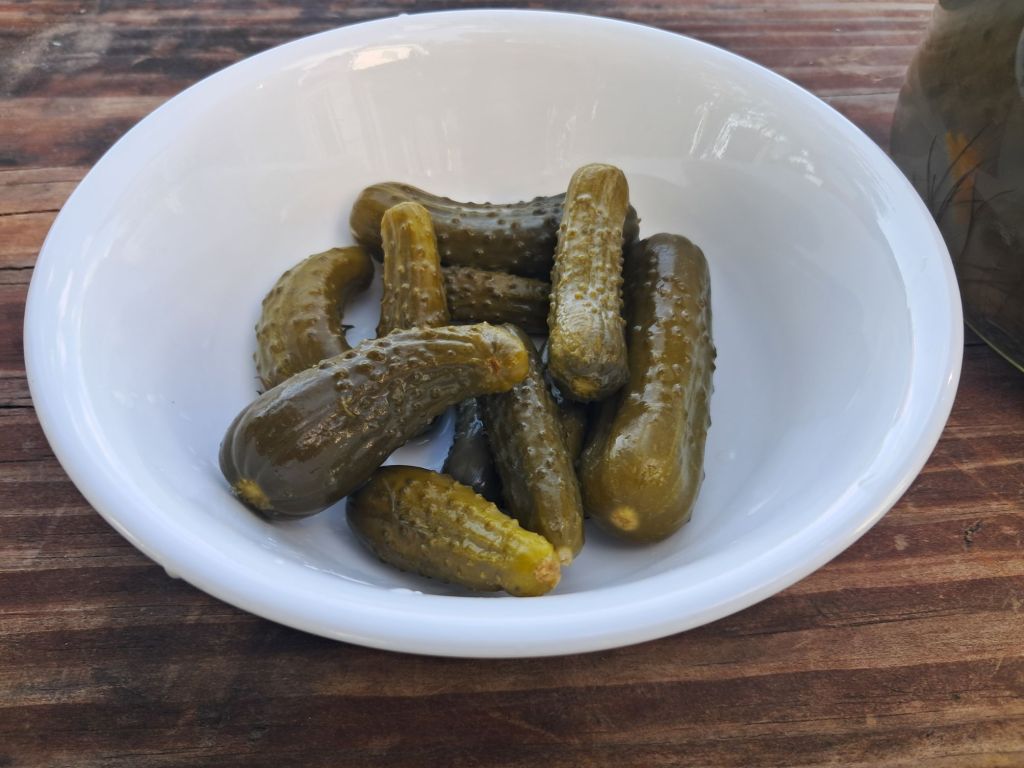
    Some foods are more than just something to eat—they are memory, history, and love preserved in a jar. For my husband, crock pickles are exactly that. They weren’t just a side dish. They were the rhythm of summer at his grandmother’s house, the heartbeat of her kitchen. He remembers the smell of dill and garlic, the rows of cloudy crocks lining the driveway like treasures waiting to be unearthed. Each jar was her welcome to neighbors, her comfort for family, her way of saying: you belong here.

    For years, my husband urged that we learn the craft from her. “We’ll spend an afternoon with Grandma—she’ll show us,” he’d insist, describing the heavy, timeless crock she used. But always, there was tomorrow. Always next week. And then, without warning, next time was gone.

    I remember the last jar of her pickles. It sat in our pantry for too long, a relic we hesitated to touch, as if opening it would make the final goodbye real. But pickles don’t last forever. Not even hers. One evening, we finally broke the seal. I swear we ate them more slowly than anything before or since. Each crunch was sharp, garlicky, tangy—and edged with grief. Every bite carried her. Every bite let her go.

    After that, crock pickles became a ghost in our house—remembered, unreachable. Until this summer. By luck, a friend mentioned she made them herself. My heart leapt. I asked for her recipe, and what she handed me wasn’t a recipe at all. It was instinct, an echo of an older tradition: “a handful of dill, enough garlic so you can smell it, grape leaves, warm salt water, then wait.” No exact measures. No guarantees. Just faith between steps.

    I decided to try. From the garden, I gathered cucumbers, dill, garlic, onions, grape leaves. I pulled out the old crock I’d been saving and filled it, layering carefully as though she might be watching. Each day, I checked the brine as it turned cloudy, listening for the fizz that meant life was happening inside. It felt like holding my breath for a week.

    Finally, the moment came. I set the finished jar on the table in front of his family—my judges, and hers. Pride and fear tangled in my chest as I waited for the first crunch. One by one, their faces lit up. Recognition. Memory. Joy. And then I looked at my husband. His expression softened in a way I had rarely seen, as though in that instant, time collapsed and he was back in his grandmother’s kitchen. He didn’t rush for words. He didn’t need to. He just reached for another pickle.

    In the quiet that followed, she seemed present again. Not gone, but here—her tradition alive, passed forward through brine and hands and time. Now, when I lift the lid of our own crock and breathe in dill and garlic, I know the jars hold more than cucumbers. They hold continuity, connection, memory renewed. They carry her legacy. One jar at a time.

    What food instantly brings you back to your childhood and makes you feel connected to the people who came before you? Share your story below, and subscribe to join a group of like-minded people.

    #FamilyTraditions #HomemadePickles #FoodAndMemory #GenerationalRecipes #FermentationLove #GrandmasKitchen

  • Planting Hope in September Soil

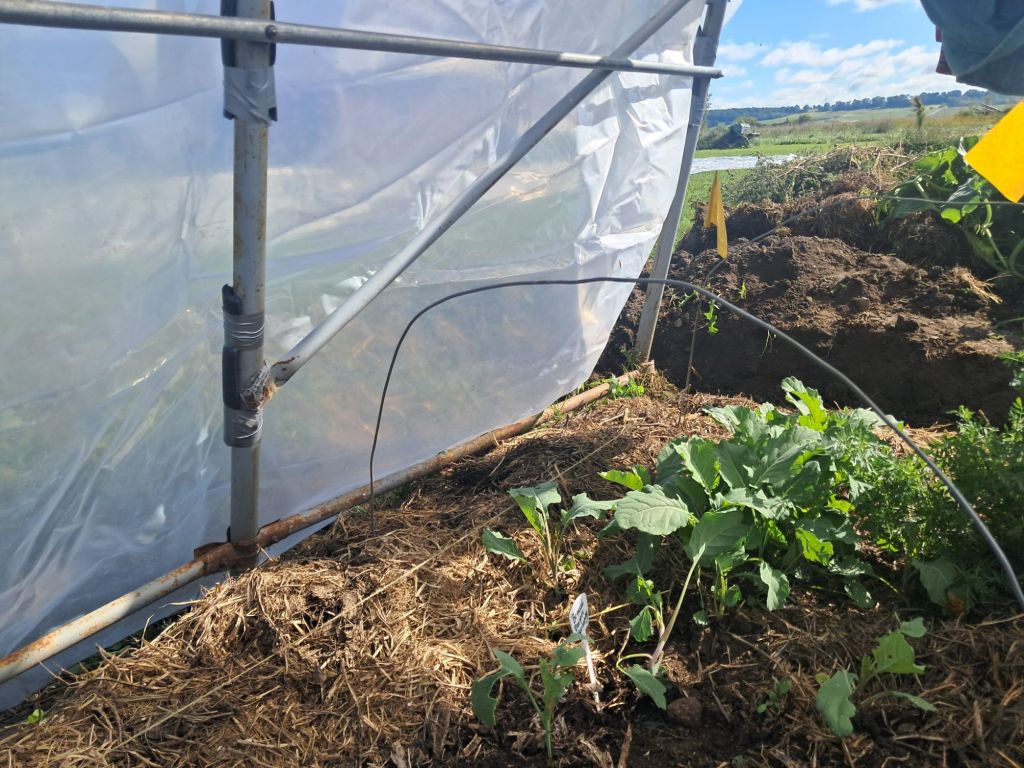
    The soil was cooler than I expected when I slipped a broccoli seedling into the ground. September isn’t when I usually think about planting—it’s when I imagine gardens winding down, not continuing. For me, gardening has always belonged to summer: long days of pulling weeds at dusk, arms full of cucumbers, nights spent rushing to preserve tomatoes before they spoiled. Autumn was the season of rest.

    So when a friend suggested I try a winter garden, I almost laughed. Planting in September felt backward, like trying to swim upstream. But then she handed me a book that shifted something in me. In its pages, I found a different vision—a garden not tied to warm sunshine, but to patience, persistence, and a new rhythm of growth. I couldn’t shake the image: trudging through February snow, easing open a greenhouse door, and being met by the earthy smell of soil. Lifting a weathered tarp to reveal lettuce, radishes, and onions waiting in the stillness of winter. Life where I least expected it.

    That’s why, today, kneeling in the cool dirt, I realized I wasn’t just planting broccoli. I was planting a small act of faith. A promise that when the days grow short and the world feels bare, there will still be something green, something alive, something reminding me that growth doesn’t stop just because the season changes.

    Trying something new can feel strange, even uncertain—but maybe that’s the point. Maybe growth isn’t about holding on to what we know, but about daring to believe in what we don’t yet see.

    So here’s to this September soil, to the broccoli tucked beneath it, and to the quiet hope that will carry me through the cold: the belief that life is still unfolding, even in winter.

    Have you ever tried planting something outside the “normal” season—what did it teach you about growth and patience? Share your experiences below, and subscribe to join a group of like-minded people.

    #WinterGarden #GardeningLife #SeasonOfGrowth #PlantingHope #FallGarden #BroccoliInSeptember #SlowLiving