Dark chocolate is my weakness—though I’m admittedly picky about it. I’ll pass on Tootsie Rolls every time; if I’m going to spend my sugar budget, it has to be the good stuff. Smooth, rich, melt-on-your-tongue chocolate feels like a tiny luxury in the middle of an ordinary day.
Every once in a while, a plain Hershey’s bar hits the spot, especially if it’s cold from the fridge or melted into a s’more. But most of the time, I reach for something a little more special: a square of salted dark Ghirardelli that snaps perfectly when you break it, a decadent truffle, or a Theo bar with just the right balance of bitter and sweet. One small piece after a long day of work, kid chaos, and dishes feels like a quiet little celebration I don’t have to share.
By evening, the noise of the day hums in my head — messages blinking, dinner half‑done, kids calling, and tomorrow’s to‑do list lingering in the back of my mind. It’s a good life, full of motion and purpose. But even within this homestead rhythm, I sometimes forget to pause and simply breathe. Between work deadlines and the steady beat of feeding, teaching, and tending, it’s easy to lose sight of how beautiful this busy season really is.
The Craving for Quiet
And when that fullness finally catches up with me, this is what I long for: thirty quiet minutes under the stars, cocoa in hand, snow crunching softly under my boots. No phone. No decisions. No “what’s next?”—just breath and stillness.
That kind of homestead self‑care isn’t an escape; it’s a reset. One restful hour a week—phone down, chores paused—restores me far more than any screen time ever could. Sometimes it happens after puzzle night with the kids or a cozy movie evening. Other times, I slip outside once the house quiets and the moonlight hits the frost just right.
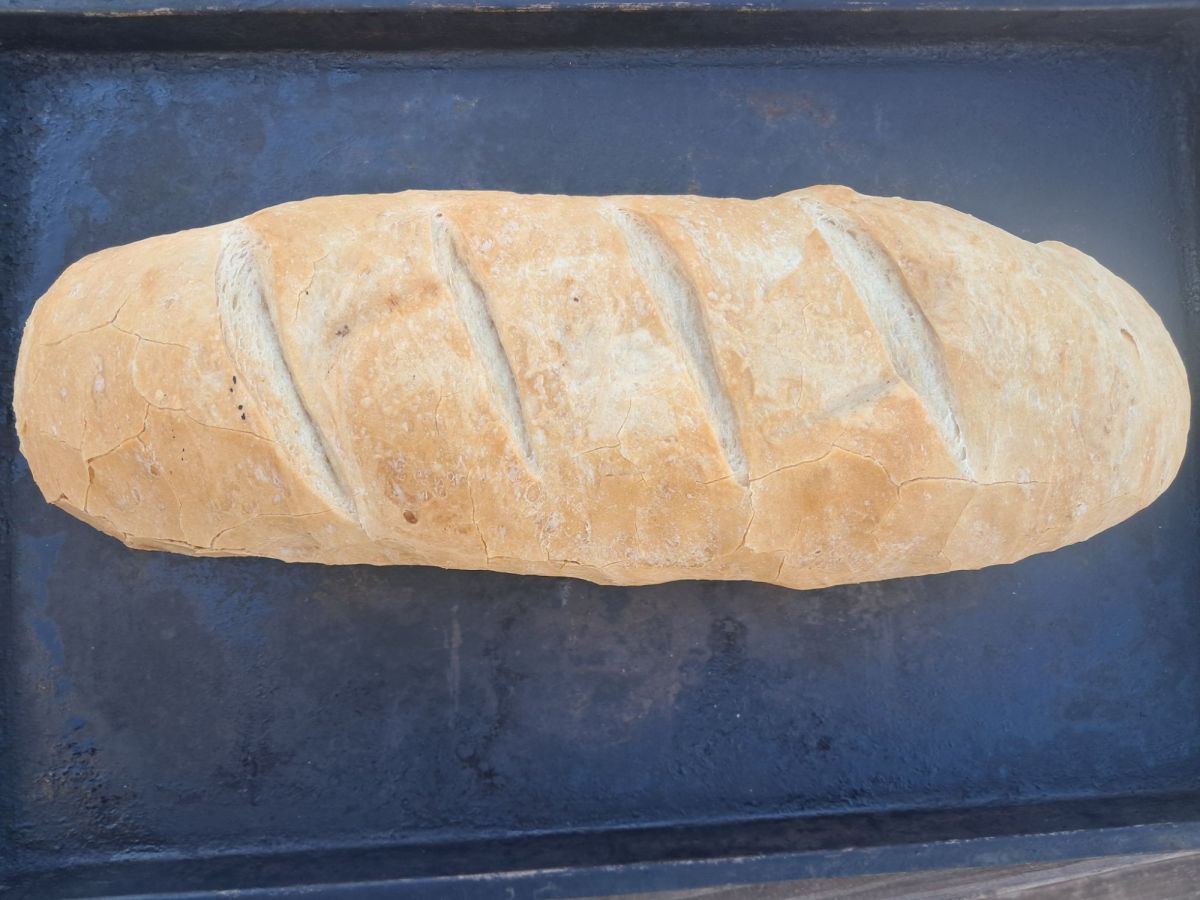
These small, sacred moments remind me why I chose a slow-living, family-centered life: growing our own food, raising our kids close to nature, and building community grounded in simplicity and care. Starting seeds for spring, gathering eggs in the cold, kneading bread for the week ahead—each task becomes a gift when I remember to slow down and notice it.
Gratitude in the Pause
When I take that pause, I notice things otherwise overlooked: the rhythm of my breath, the faint scent of woodsmoke, the gratitude warming my chest. This is the balance I crave as a working mom—not perfection, but presence. Simple living teaches me that rest and gratitude feed each other.
It’s not really a break from my life that I need; it’s a breath within it. I don’t want to wish the busy days away. I want to celebrate them—the laughter around the puzzle table, the smell of soup simmering, the promise that the seeds I plant now will nourish us months from now.
Make Space for Your Own Pause
If you’re walking a similar path, try setting aside just 30 minutes this week for yourself—a short walk, a deep breath, or a quiet cup of tea. See how the noise fades when you let the earth steady you.
The most important invention of my lifetime? The smartphone—my love-hate lifeline that keeps my homestead, work, and kids from spinning apart.
Some mornings, I gather eggs between work calls just to catch my breath. By bedtime, the glow of a screen competes with story time and the sound of rain outside our farmhouse window. Some days, the constant ping of notifications makes me want to toss the thing straight into the compost pile.
But here’s the truth: that little screen helps me grow food, raise kids, and build community in ways younger me couldn’t have imagined. That connection keeps the loneliness of rural life at bay.
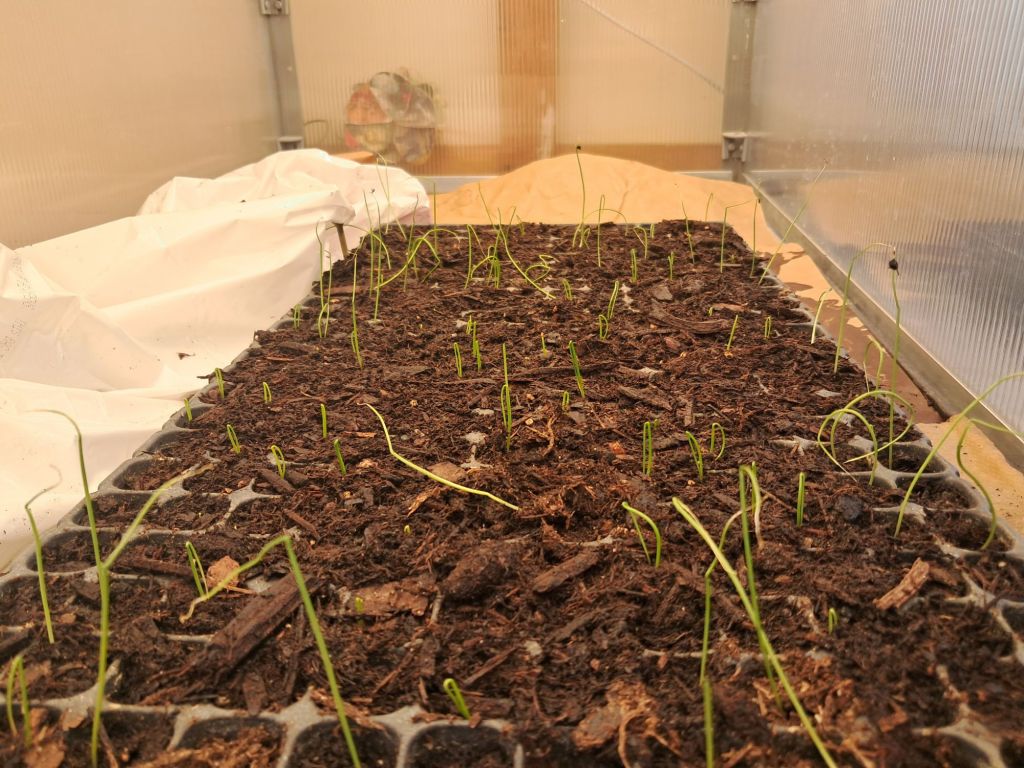
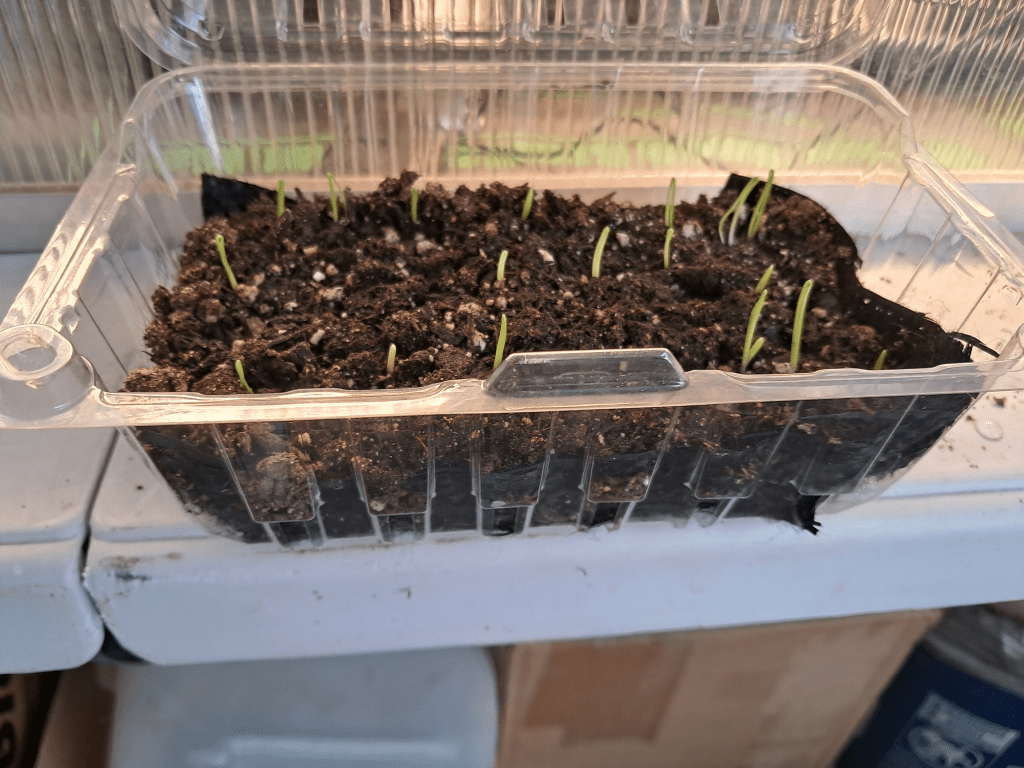
I hunt for fresh ways to use up garden produce, share turkey videos with faraway friends, and text neighbors to swap garden tips or photos of the first spring seedlings. After sharing my post on how to plant onion seeds, it’s been fun seeing those early sprouts push through the soil. It’s the perfect reminder that growth takes time. When our chicks struggled to hatch last year, a quick YouTube search saved both the day—and the chicks.
Digital tools blur the line between work and home—but that overlap keeps me grounded. In this modern era of homesteading and family life, connection is survival—it’s how we share ideas, find support, and remind each other that the mess and magic of everyday life are worth it.
What invention helps you juggle the chaos of working motherhood and homesteading life? Share your must-have tool or favorite homestead app in the comments below!
If this resonated with your own mix of work calls, garden chores, and bedtime stories, please like this post. Share it with another mom trying to balance homesteading and real life.
Loved this? Subscribe for weekly homesteading tips:
Something on your “to-do list” that never gets done.
There’s one item that’s been living rent-free on my to-do list for what feels like forever: deep-clean the house. Every week I write it down with the best intentions, and every week it stares back at me, smug and unchecked.
Sure, I’m great at the daily tidy-ups—the quick resets, leaping over toys, and keeping countertops visible (mostly). But the real deep clean? Scrubbing baseboards, washing curtains, or tackling the mystery stuff in the back of the cabinets? Somehow that always gets bumped down the list by, well… just about everything else.
Part of the problem is our ongoing upstairs renovation. Two years in, and we’re still coaxing this old house back to life—tearing out lath and plaster, sealing drywall, trying to keep ahead of the dusty evidence. That fine gray film drifts through the house like snow that overstays its welcome. Add two little kids who turn any clean surface into an art project within minutes, and—let’s be honest—deep cleaning doesn’t stand a chance.
By the time evening rolls around, my energy’s long gone. I look around, spot another trail of cracker crumbs, and think, good enough till tomorrow. Honestly, I’ll take progress over perfection any day.
My (Somewhat Hopeful) Game Plan
I keep telling myself there has to be a way to outsmart this never-ending chore. Maybe it’s not about a single heroic cleaning day but smaller, practical wins.
Fifteen-minute power bursts. Pick one room, one task, one playlist. Quick sweep, easy win.
Recruit the tiny troops. The kids love joining in—with spray bottles and rags, no less. Sure, it takes longer, but at least we laugh through it.
Wait for calmer seasons. Once the last coat of paint dries and the drywall dust clears, I’ll finally give this place a top-to-bottom refresh.
Keep the dream in mind. A calm, clean space where we can all exhale—that’s the goal. Future me will be thrilled.
Until then, I’m embracing the real version of home: a little messy, a lot loved, always humming with life. Between raising kids, growing things outside, and building something meaningful in our community, there’s bound to be dust somewhere—and that’s okay.
So tell me—what’s the chore that never quite leaves your list? Let’s swap confessions in the comments and remind each other that perfect isn’t the point—living fully is.
If you enjoyed this peek into our real-life chaos, give this post a little love. Like it, share it with a friend, or subscribe for more stories about growing food, raising kids, and building community one messy day at a time.
Counter chaos? Working mom of 2 shares her monthly garbage-can blitz to tame kitchen clutter. Husband sews on grandma’s machine. Real homesteading progress over Pinterest perfection.
Between work, family, and home life, finding balance and patience is an ongoing challenge. Here’s how I’m learning to slow down, give myself grace, and grow through it all.
Disclosure: This post contains Amazon affiliate links. If you purchase through these links, I may receive a small commission at no additional cost to you. I only recommend products our family actually uses and finds helpful in the garden or kitchen. Thank you for supporting Practical Homesteading—it helps me keep sharing our stories of growing food, raising kids, and building community.
In my last post, I wrote about planting onions with my son—the quiet winter ritual that reminds me how growth begins long before it’s visible. Today, I’m sharing our simple process so you can start your own onion seeds, too. It’s an easy, rewarding way to bring some green life into the cold months.
Start early. Begin about 10–12 weeks before your last expected frost. Here in the Midwest, that usually means late January or early February.
Choose the right varieties. Long‑day onions, such as ‘Yellow Ebenezer’ or ‘Red Wing’, do best in northern climates where summer days are long. Southern gardeners should look for short‑day types like ‘Texas Early Grano’.
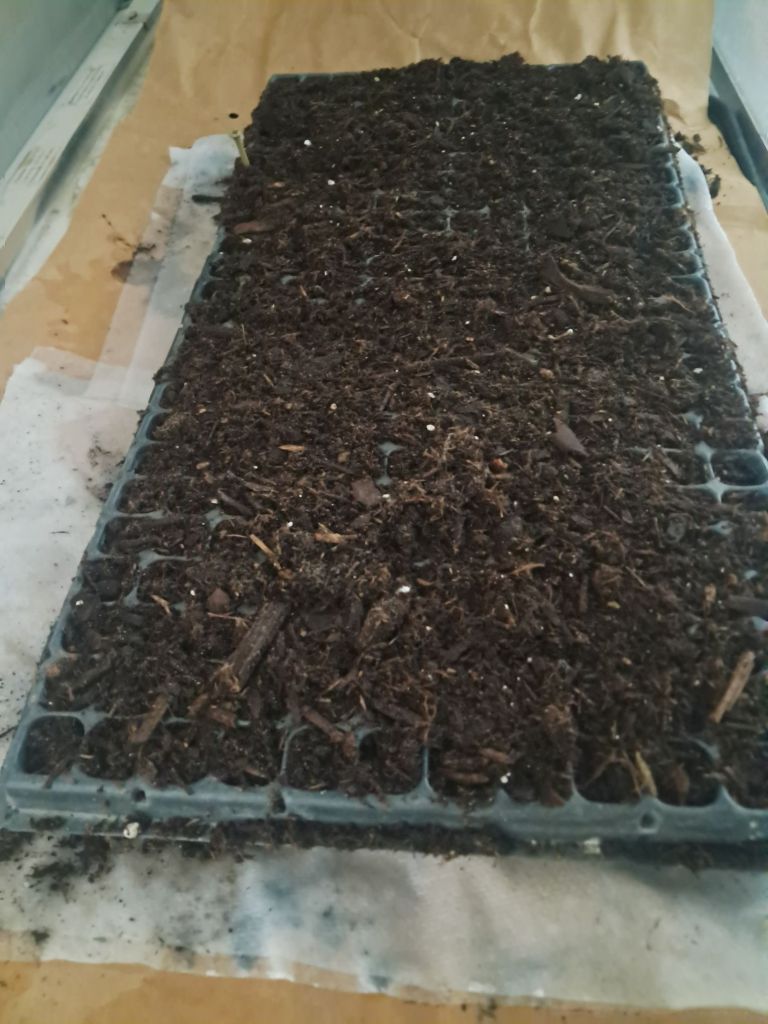
Prepare containers and soil. Reuse shallow berry cartons or seed trays (Amazon affiliate link)—just make sure they have drainage holes. Fill them with a light, fine seed‑starting mix about two inches deep. Place the tray on a cookie sheet or shallow pan to catch water.
Lay a paper towel underneath the tray and moisten it. The towel helps distribute water evenly so moisture wicks up through the soil. Repeat until the mix feels uniformly damp but not soggy.
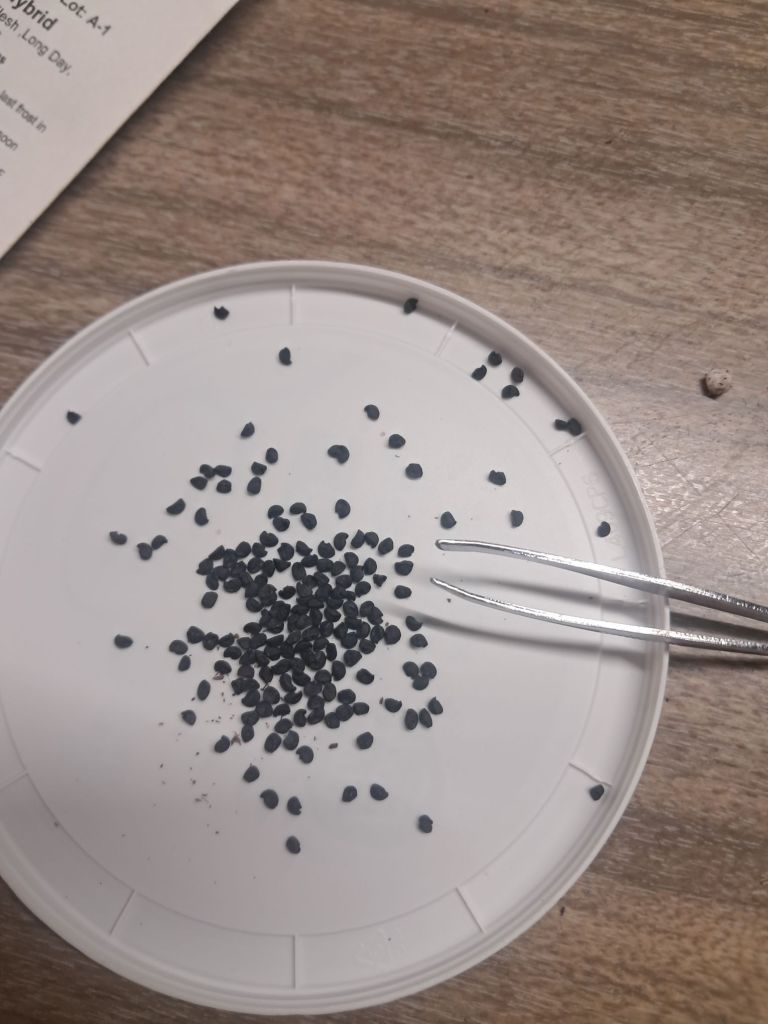
Sow the seeds. Sprinkle seeds evenly across the surface. If you prefer precise spacing—and an easier time separating seedlings later—use tweezers to place them individually.
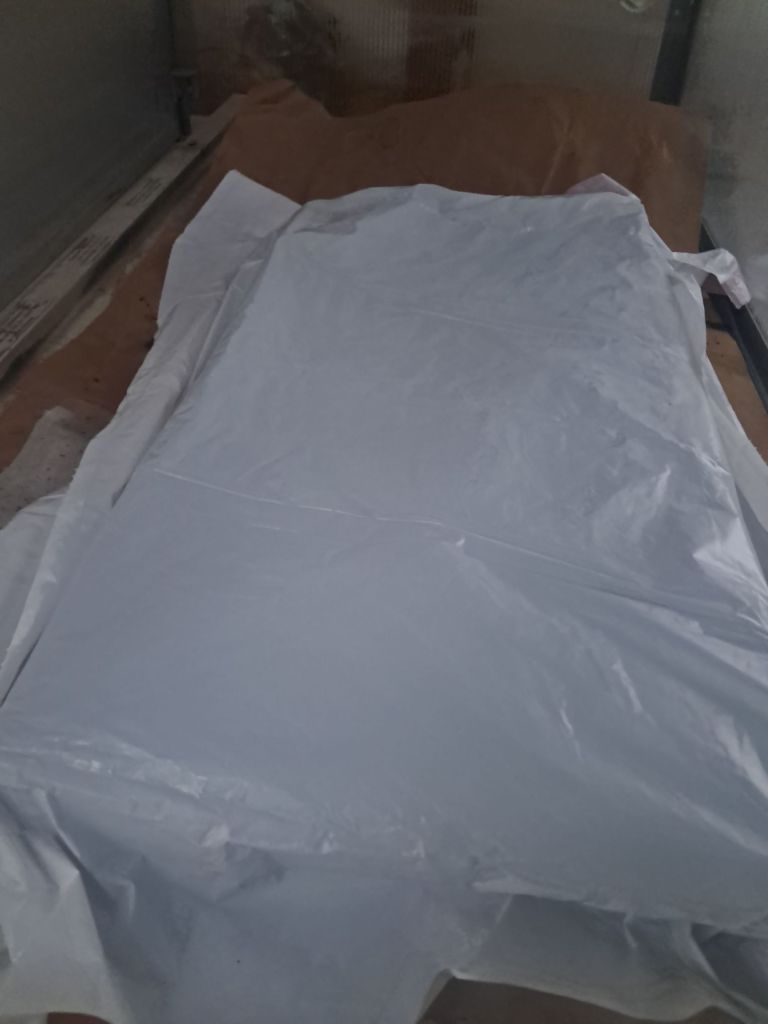
Provide warmth and cover. Cover the tray with cling wrap or a clear plastic bag to retain moisture. Keep the setup warm, around 65–70°F, until you see seedlings poking through. A seed‑starting heat mat (Amazon affiliate link) helps maintain steady warmth.
Once germination begins (after 7–10 days), remove the cover and move the tray beneath a grow light (Amazon affiliate link) or into a sunny south‑facing window for 12–14 hours per day.
Water and trim. Continue watering from below using the same paper‑towel technique. When the soil surface begins to dry, add a bit of water to the tray. Trim tops to about three inches once a week—this strengthens the stems and encourages root growth. Bonus: the cuttings are delicious! My son loves snacking on them fresh.
Harden off and transplant. When seedlings reach 6–8 inches tall and the soil outdoors can be worked, begin hardening them off. Gradually expose them to outdoor conditions for about a week, then plant them four inches apart in rows.
The seeds are small. I used a tweezers to carefully place each one.Planted, with the paper towel trick underneath to wick the excess water evenly throughout the bottom.I used a plastic garbage bag as a moisture trap until the sprouts started poking through.You can use old strawberry containers to plant in too, I have a layer of fabric on the bottom so the soil didn’t fall through.
By late spring, those tiny green shoots will have grown into sturdy plants ready to feed your family—and perhaps your neighbors, too. Sharing a meal of homemade French onion soup with loved ones is one of my favorite ways to grow community as well as food.
Here’s to green shoots, patience, and the small beginnings that nourish far more than we expect.
🌱 Enjoyed this guide? Let me know how your onion seedlings are coming along in the comments below! 💬 Share this post with a friend who’s dreaming of spring gardening. ❤️ Subscribe to get my newest posts on growing food, raising kids, and building community—straight to your inbox every Thursday and Sunday.
Discover why growing food, raising children, and building community are at the heart of my homesteading mission. Together, we can return to the roots of connection, resilience, and hope.
Discover the five grocery staples that power my homestead kitchen — from flour and coconut oil to yeast and bouillon. Learn how old-fashioned ingredients build modern self-reliance, flavor, and family connection.
My first computer? A refurbished Dell that my parents gave me as an early graduation gift halfway through senior year. It felt like a quiet door swinging open to the world—no more fighting over the family desktop.
My sister chipped in for Microsoft Office, making it feel truly official. Suddenly, I could type papers in my room, save drafts without panic, and fuss over fonts late into the night. That Dell tagged along to college for study marathons, half-finished research papers, and way too much social media through my freshman and sophomore years.
By junior year, it was groaning and freezing at the worst times. True to my “use it up” ways, I rode it until the end instead of fixing it. One afternoon, I walked into Best Buy and came out with a Mac—a thrilling upgrade.
That Dell still stands out, not for its power, but because it was mine. It carried me from high school awkwardness into real life.
Until I attended college, I believed that cultural influences on food were largely a thing of the past. I grew up in a part of small-town Wisconsin where the cultural influence of my German dairy farming heritage had diminished over the years. Regional dishes, while still present, were largely nationalized. Food was sourced from boxes…
The first sound I remember from that trip wasn’t birdsong or the crackle of firewood—it was my professor’s baritone voice drifting through a soft Michigan mist. Waking to that unlikely serenade, I understood for the first time that geology wasn’t only about rocks. It was about connection. I was a sophomore then, half-frozen in an…
When I pulled open the long-forgotten box of clothes, I expected nothing more than sweaters and dresses that hadn’t seen daylight since before we moved. Instead, I uncovered an archive of myself—fabric woven with memory and identity, versions of me I thought I’d misplaced in the blur of motherhood, upheaval, and quiet reinvention. Threads I…
What’s the thing you’re most scared to do? What would it take to get you to do it?
I’ve been writing online for nine months, and you’d think the fear would have faded. But every time I hover over “Publish,” my heart still skips. It’s funny — no matter how many posts I write, that little flash of fear never really goes away.
The Scariest Button I Click
“Publish” on my most vulnerable stories.
I can talk all day about raising kids, growing food, and finding our rhythm in community. I’ve shared about my postpartum struggles and other tender seasons because I want other moms to know they’re not alone. That kind of openness feels easier now—but there are deeper stories I haven’t shared yet. The ones that changed me, stretched me, and still make my stomach knot when I think about putting them out there.
The Drafts That Wait
Some of those stories sit in my drafts folder, half‑finished, holding the hardest moments—the times that tested my faith, my patience, and my sense of self. I know sharing them might help someone else, but I still hesitate. I worry about being misunderstood, about saying too much, about people turning away. But I also know that the most meaningful connections grow when we show up honestly, even when it scares us.
What It Would Take
A clear why: Remembering that if one person feels seen, the fear is worth it.
Gentle accountability: Friends who nudge me to keep showing up.
Boundaries: Knowing which parts of my story I can hold close.
Small practice: One honest sentence at a time, letting courage build slowly.
Growing Braver
The fear never really leaves. But each time I hit “publish,” I feel a little steadier, a little stronger. I see that courage isn’t a single leap—it’s the quiet, everyday choosing to keep growing, even when it’s uncomfortable. Maybe that’s what real community is built on: showing up with our full selves, mess and all, and finding we’re not alone after all.
If you’re comfortable, tell me one area where you’re trying to be braver this year.
If this story made you feel a little less alone, share it with a friend who might need it too. Better yet, invite them over for coffee and a real conversation. Subscribe for more reflections on growing food, raising kids, and building community—new posts every Sunday and Thursday.
Struggling with fear of judgment? How silence creates isolation, why authentic self-expression feels dangerous, and 3 small steps to overcome rejection anxiety and build real connections.
A quiet afternoon by the pond, a little boy, and a frog teach a mother how to let go, say goodbye to a beloved homestead, and embrace change with grace.
For as long as I can remember, I wore independence like a suit of armor: polished, impenetrable, and heavy. I believed that refusing help was a sign of strength; until, one winter night, my newborn son cracked that armor wide open. I was sitting on the cold living room floor, cradling him against my chest,…
Sports have never been my main passion. But they always seem to sneak back into my life — especially when community and connection are involved.
For someone more comfortable in the garden than on the field, I’ve learned that sports aren’t really about keeping score. They’re about teamwork, laughter, and shared stories that stick with you long after the final whistle.
Back When I Played
Back in graduate school, a group of friends and colleagues had a standing tradition of meeting twice a week to rotate between volleyball, soccer, and ultimate frisbee. Rain or shine, homework or no, we almost always managed to get enough players for two teams. Those games were the highlight of my week — a sweaty, laughter-filled break from the grind of grad school. We learned to read each other’s signals, celebrate small victories, and laugh off missed goals. These lessons translated well both to the lab and to the classroom. And, of course, the post-game burgers and beers were every bit as important as the play itself.
The Knee Incident (and Das Boot)
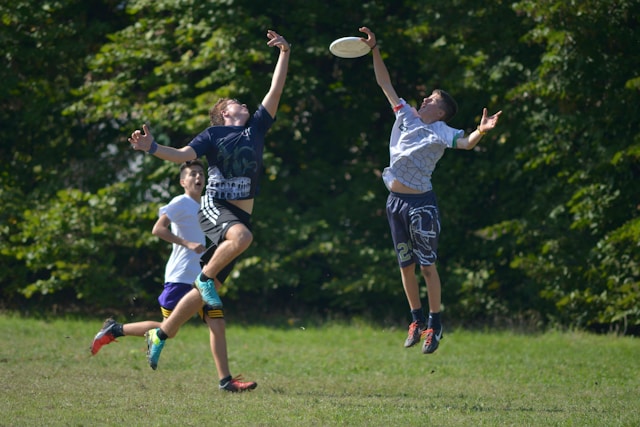
My sports “career,” however, took a dramatic turn during one fateful ultimate frisbee game. I jumped, landed wrong, and felt that awful twist — I had dislocated my right kneecap. That injury ended my athletic adventures at the tender age of 24. I still remember that sharp pop, the scramble to the sidelines, and the next day’s slow walk to urgent care. A few weeks later, at my own going-away party and still determined to have fun, I went with my crew to the Essenhaus to dance the polka. Let’s just say: bad idea. Same knee, same problem.
The type of jump I made when I dislocated my kneecap. I caught the frisbee too. Photo by Stefano Zocca on Unsplash
Looking back, I can admit that drinking Das Boot probably had something to do with my decision to hit the dance floor on a bum knee. Lesson learned, but it’s still one of those stories we laugh about around the table. Now, more than a decade later, the memory makes me smile far more than it aches.
Watching Now, Not Playing
These days, sports play a different role in my life. I may not be on the field anymore, but I love the energy of watching a good game — especially live. There’s something about a football or baseball crowd that brings people together so naturally. Strangers high-five after a score, pass along shared cheers, or tease rival fans in good fun. Tailgates are my favorite part — not because of the game itself, but for the food and fellowship that surround them. The smoky scent of burgers, laughter spilling from nearby tents, friends swapping recipes for dips or barbecue sauces — it’s all about connection. Like sharing a dish at a potluck or passing homegrown tomatoes over the fence, sports gatherings are another way we build community one joyful moment at a time.
From Tailgates to Home Games
On game days at home, the living room becomes our little stadium. The kids get into the excitement (mostly for the snacks), and we all share those small, easy moments of joy — a great play, a plate of nachos disappearing too quickly, and the cat hiding under the couch, wondering why the humans are hollering again. I may not follow every stat or play, but I love how sports create reasons to pause, eat, laugh, and just be together — much like a shared meal from the garden or a neighborhood cookout.
A Different Kind of Teamwork
I sometimes joke that I traded my frisbee for a trowel and volleyball sand for garden soil, but the lessons stuck. Whether it’s tending tomatoes, playing pickup soccer with my kids in the yard, or cheering from the sidelines, the spirit of teamwork, joy, and shared stories keeps showing up.
In the end, community is the real team sport — and that’s one I’ll never retire from.
What’s one sport or shared activity that’s helped your community grow closer?
If this story made you smile, share it with a friend. Better yet, invite them over for a game-day snack and a laugh. Subscribe for more reflections on growing food, raising kids, and building community.
If you started a sports team, what would the colors and mascot be? Some people dream of owning a football franchise or a professional basketball team. Me? I’d rather build something smaller—something you can actually show up for without needing a corporate sponsor or a teleprompter. Mainstream sports have their own kind of magic, sure,…
Raising kids, growing food, and building community on a real-life farmstead. A story about why we’re stronger together, at home, in the garden, and as a village.
If I won the lottery, I wouldn’t change much about my life—just the pace of it. The truth is, my dream life already unfolds in a kitchen filled with vegetables, laughter, and flour‑dusted hands.
I don’t often buy lottery tickets myself; they usually show up as small, easy gifts tucked into birthdays or holiday exchanges. Last Christmas, I received a couple of scratch‑offs and quickly realized I had no idea what I was doing. (Is there a secret club for people who actually understand those rules?) Somehow, by sheer guessing or luck, I ended up winning $25. A fun surprise, sure, but not what this prompt is really about.
The real question, I think, is this: What would you do if money were no longer a stressor?
Buying Back Time
For me, the answer is simple—I’d buy back more time. My husband and I have already been working toward that goal. We’re shaping a life that values time over convenience and connection over consumption. Not time to sit idly, but time to live more fully: to raise our children, grow our food, and slow down enough to notice the beauty in ordinary days.
We’ve traded convenience for satisfaction. I would much rather spend an hour chopping vegetables and stirring a pot beside my kids than spend that same hour working to afford a restaurant meal I didn’t make. There’s something grounding about cooking dinner on our stove while twilight settles outside the window, the kids laughing nearby as the kitchen fills with warmth and good smells. The meal may take longer, but the value of it lingers long after the dishes are done.
If Money Were No Object
If I suddenly didn’t have to think about money, I wouldn’t move away from this life—I’d sink deeper into it. I’d build a larger greenhouse to grow more food, not just for our family but to share seedlings and knowledge with neighbors. I’d host more community meals—the kind where tables are lined with mason jars of flowers, kids are chasing chickens through the yard, and conversations stretch long into the evening.
My husband would spend more time perfecting his model engines, patiently shaping each piece until it fits with quiet precision. And I’d write more—stories, reflections, maybe even a book about how cultivating food and family can teach us nearly everything we need to know about patience and abundance.
Real Wealth
We didn’t choose this way of living because it’s easier. We chose it because it reminds us what’s real: the joy of working with our hands, of hearing laughter drift through the kitchen, of eating something we grew from the soil beneath our feet.
Maybe the real prize isn’t a winning ticket—it’s the quiet wealth of growing food, raising kids, and building community.
If this story resonated with you, I’d love for you to join the conversation!
💬 Tell me in the comments—what would you do if money were no longer a worry?
💚 If you enjoyed this reflection, tap the ❤️, share it with a friend, and subscribe for new posts about growing food, raising kids, and building community.
Discover why growing food, raising children, and building community are at the heart of my homesteading mission. Together, we can return to the roots of connection, resilience, and hope.
Working mom of 2 shares her homesteading origin story – from Wisconsin dairy farm rebel to choosing chickens, gardening and bread making. Environmental professional finds freedom in practical homesteading.
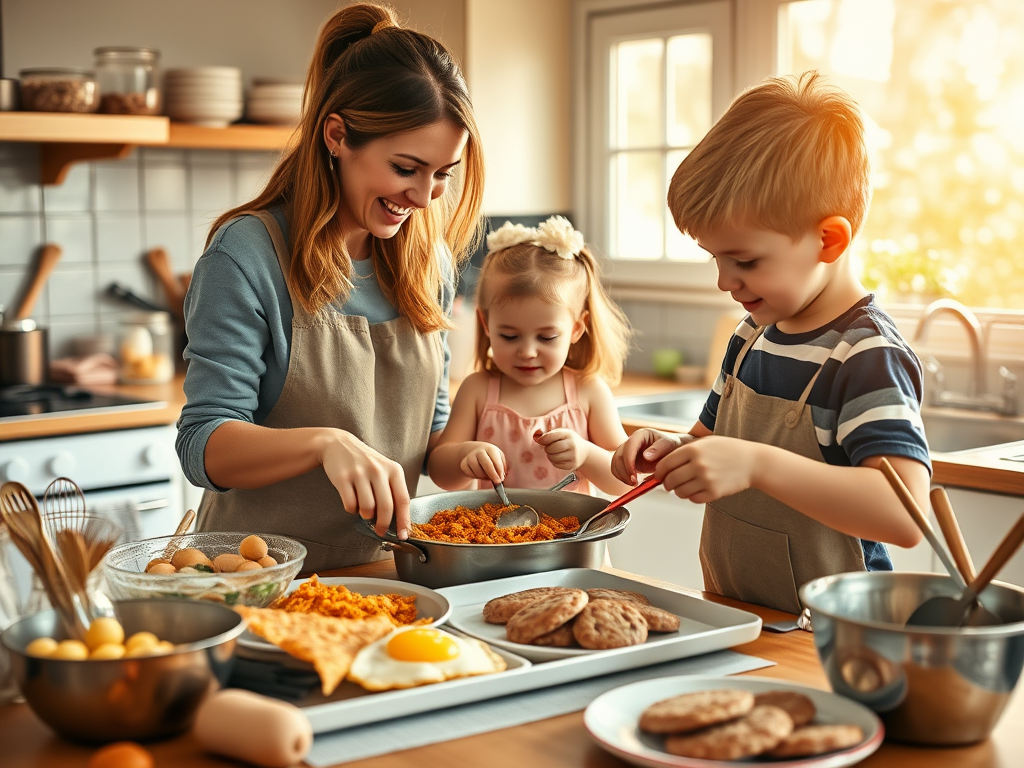
Cooking with children makes the best family breakfast recipes! Homemade sausage patties, hashbrowns, perfect scrambled eggs. Real child kitchen helpers story + weekend breakfast chaos and joy.
Books shape us as much as we shape gardens or communities. They feed the mind, plant empathy, and remind us that resilience often grows in the darkest places.
When I saw today’s prompt — “What books do you want to read?” — I realized my answer says a lot about what kind of growth I’m craving this year. Reading has always been more than a pastime; it’s how I connect. Story time with my kids is sacred — we laugh, wonder, and sometimes ask big questions together. Once, I even read The Disaster Artist aloud to my husband, and we laughed so hard we cried. That joy lives in my memory like a cherished heirloom.
📚 Reading with the village
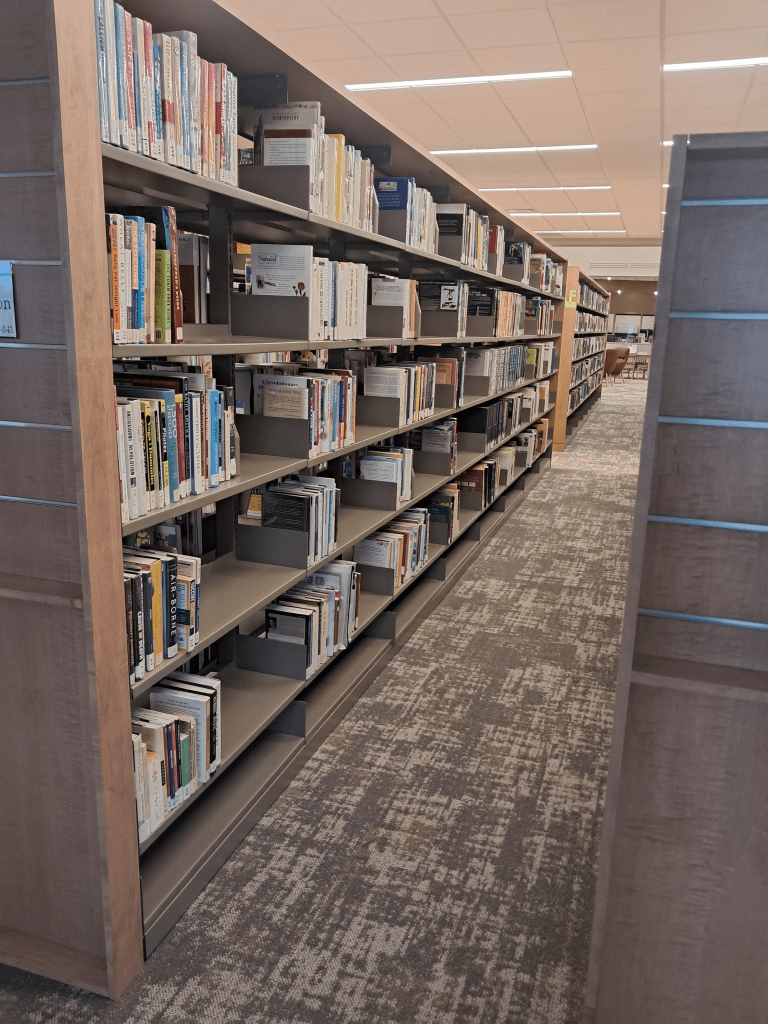
Beyond home, I gather monthly at our local library for book club — a lively mix of neighbors and new friends united by stories and snacks. We’ve been deep in historical fiction lately, stepping into lives far from our own. These evenings remind me that community grows naturally when people come together to wonder.
If you’re curious about what we’ve been reading together, I share highlights and reflections on my Book Club Reads page(this page contains affiliate links — I may earn a small commission, at no extra cost to you, if you decide to purchase. Thank you for supporting Practical Homesteading!).
🌿 Why survivor stories call to me
Recently, I’ve found myself drawn to stories of survival — real people facing impossible odds and somehow finding light. Maybe it’s because they show not only how people survive, but why they choose to keep living.
Here are a few titles that top my list right now:
“Man’s Search for Meaning” by Viktor Frankl A profound reflection on finding purpose even in suffering. Frankl’s insights from Auschwitz remind me that inner strength begins with meaning.
“Endurance: Shackleton’s Incredible Voyage” by Alfred Lansing Twenty-eight men trapped on Antarctic ice for more than a year — and every one of them survives. It’s a gripping lesson in leadership, loyalty, and hope against all odds.
“Jungle” by Yossi Ghinsberg Still on my to-read list, this one explores what happens when you’re alone in the Amazon and survival depends on the mind as much as the body.
🌼 Lessons for everyday resilience
I hope I never face what these survivors endured, yet I read their stories to understand the quiet strength that grows inside us all. I want my children to see that resilience works like a garden — cultivated through patience, weathering storms, and trusting in renewal.
Reading reminds me that every family, every friendship, is its own kind of survival story. We move through hard seasons by leaning on one another and holding faith that winter won’t last forever.
“Endurance isn’t about toughness — it’s about purpose, compassion, and hope taking root in the hardest soil.”
So, as I grow food, raise kids, and build community, I’ll keep reading about people who found light when the world went dark. These stories keep me grounded — and remind me that, like a garden in spring, we can always begin again.
What about you — which story has taught you the most about resilience? Please share your book recommendations in the comments! I love to learn and grow with you!
🌱 If you enjoyed this reflection, don’t forget to like, share, and subscribe for more posts about growing food, raising kids, and building community — one story at a time.
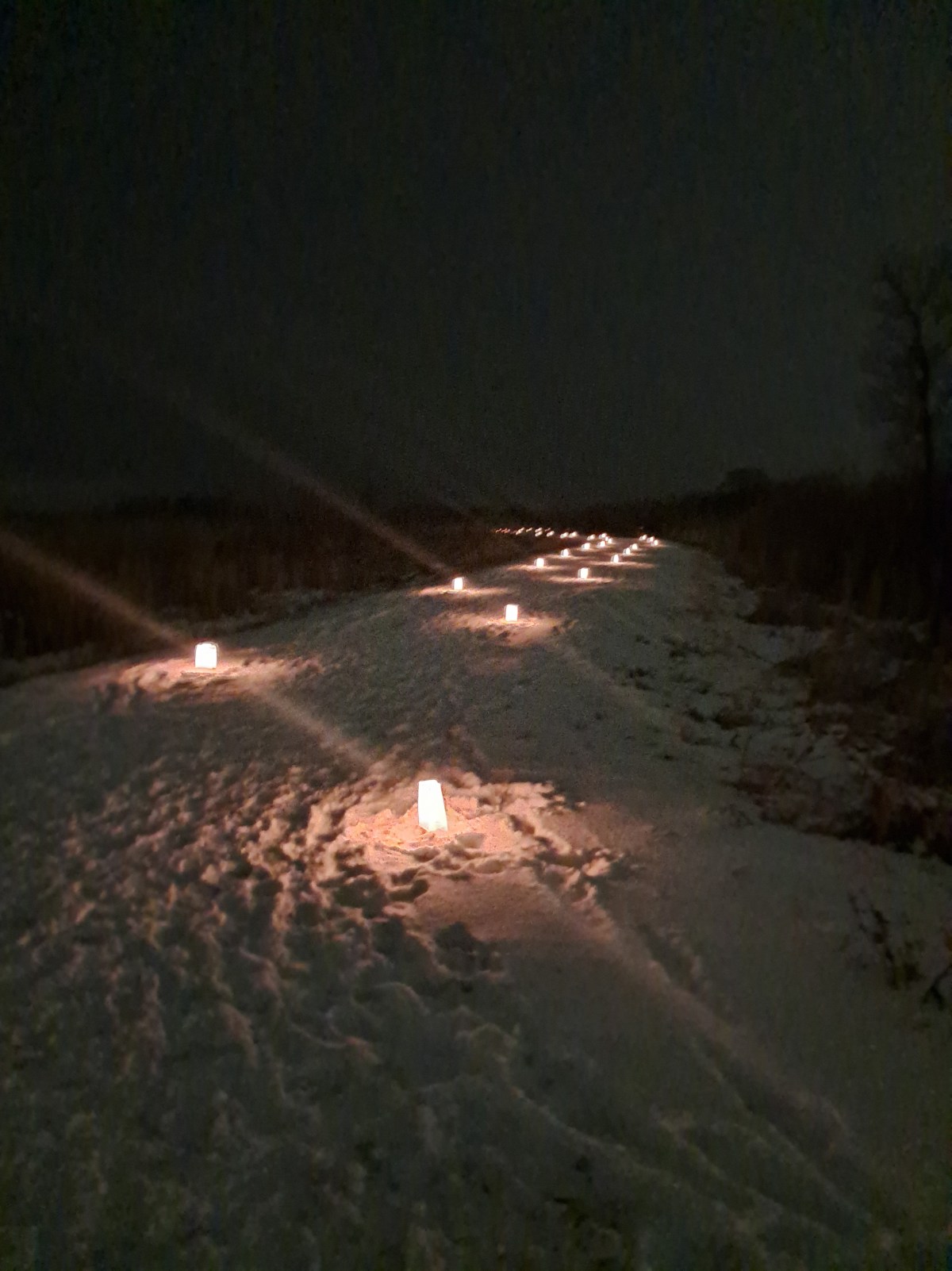
Discover our favorite winter storybook trail walks with kids at Horicon Marsh’s candlelight event. Hot cocoa, nature stories, and family fun—share your ideas below!
A thoughtful parenting moment inspires reflections on curiosity, learning, and adventure from home. Discover how one mom connects travel dreams, homesteading life, and the wonder of raising endlessly curious kids.
What book are you reading right now? Some of my earliest memories are of getting lost in a book. I read on the school bus until the motion made me queasy but I never quite wanted to stop. Books have always been my favorite escape into bigger worlds. That love of stories has shaped much…
















 Practical Homesteading