Category: Uncategorized

  • Baking Bonds: How Family Food Traditions Keep Us Connected

    Baking Bonds: How Family Food Traditions Keep Us Connected

    Daily writing prompt
    Write about a few of your favorite family traditions.

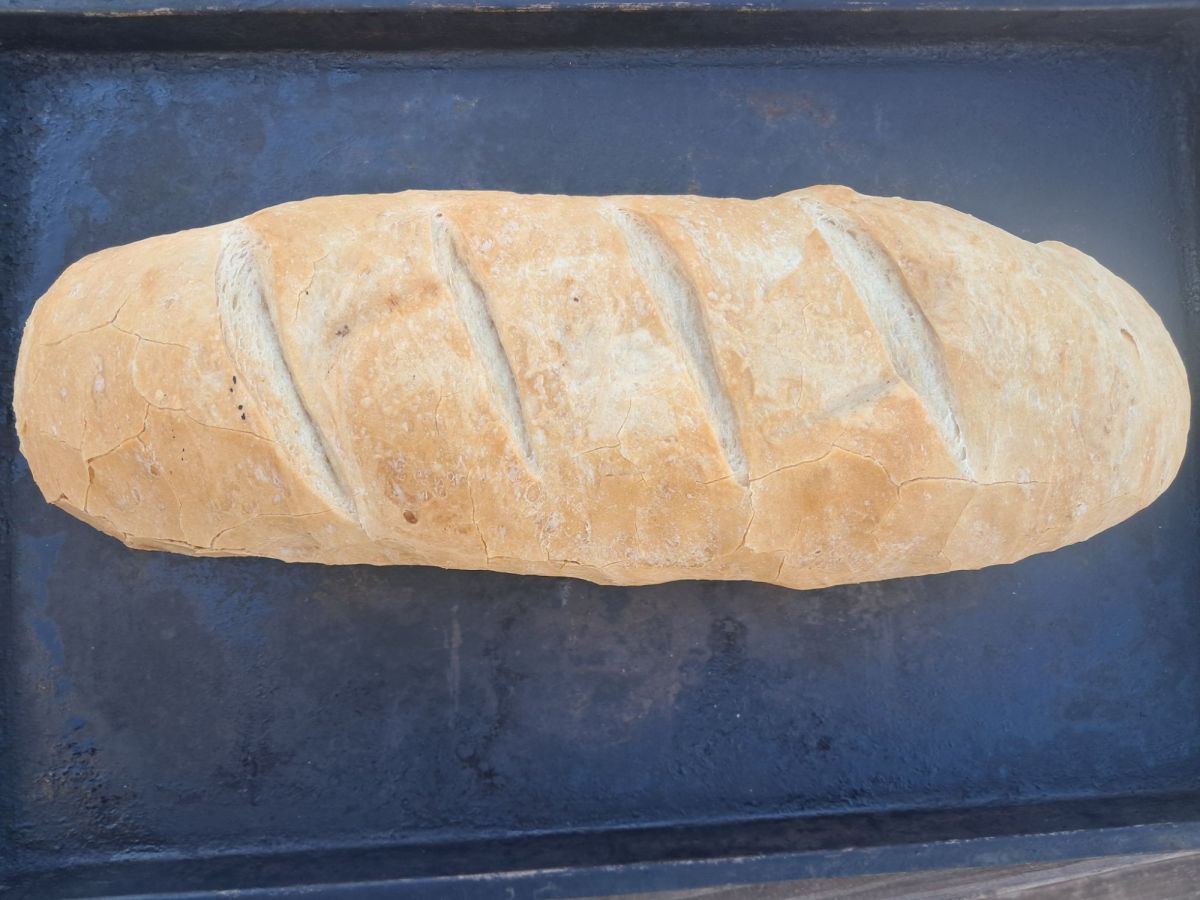
    The smell of baking bread can stop time. When the kitchen fills with warmth, sugar, and spice, it seems the whole family moves a little slower, drawn together by something deeper than hunger. That’s what I think of when I remember my mom making kranz kuchen every Christmas—a sweet, yeasted bread she learned from her mother, who learned it from hers before that. She’d fold the dough around a mixture of hickory nuts, dates, brown sugar, and cinnamon, the air turning rich and nostalgic. It wasn’t just a dessert; it was a way of remembering who we came from.

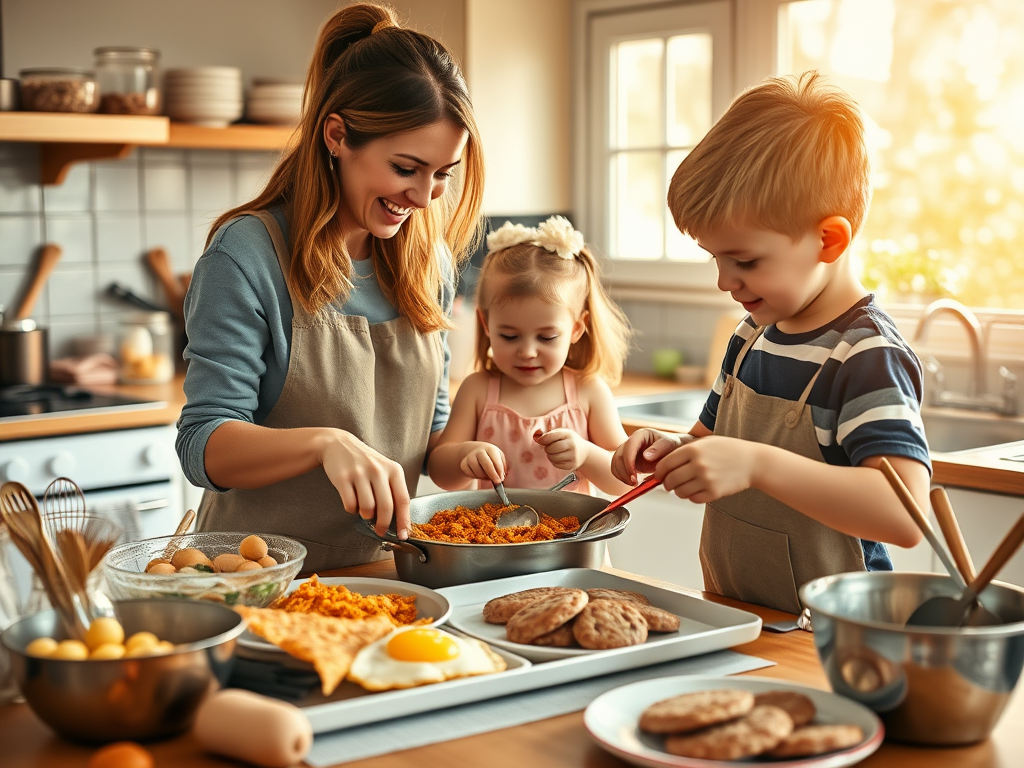
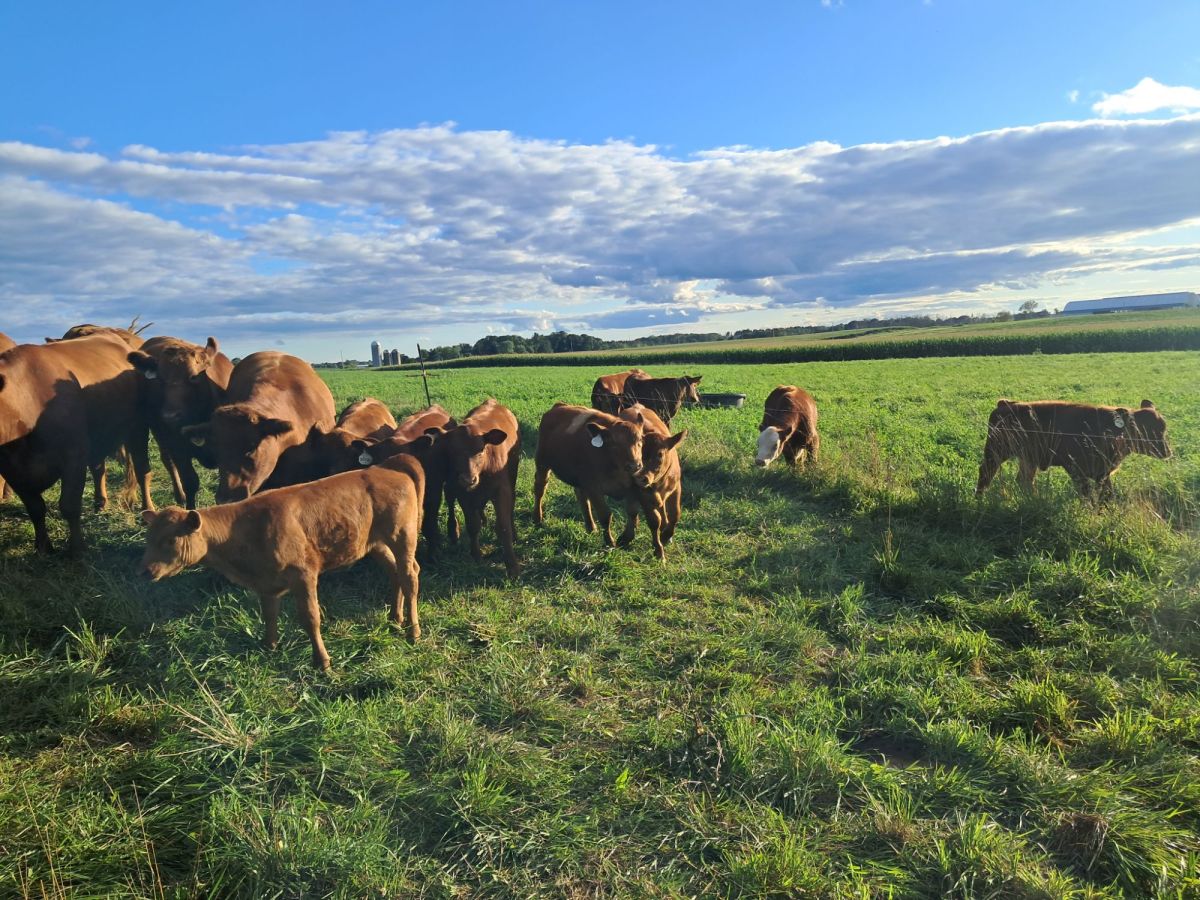
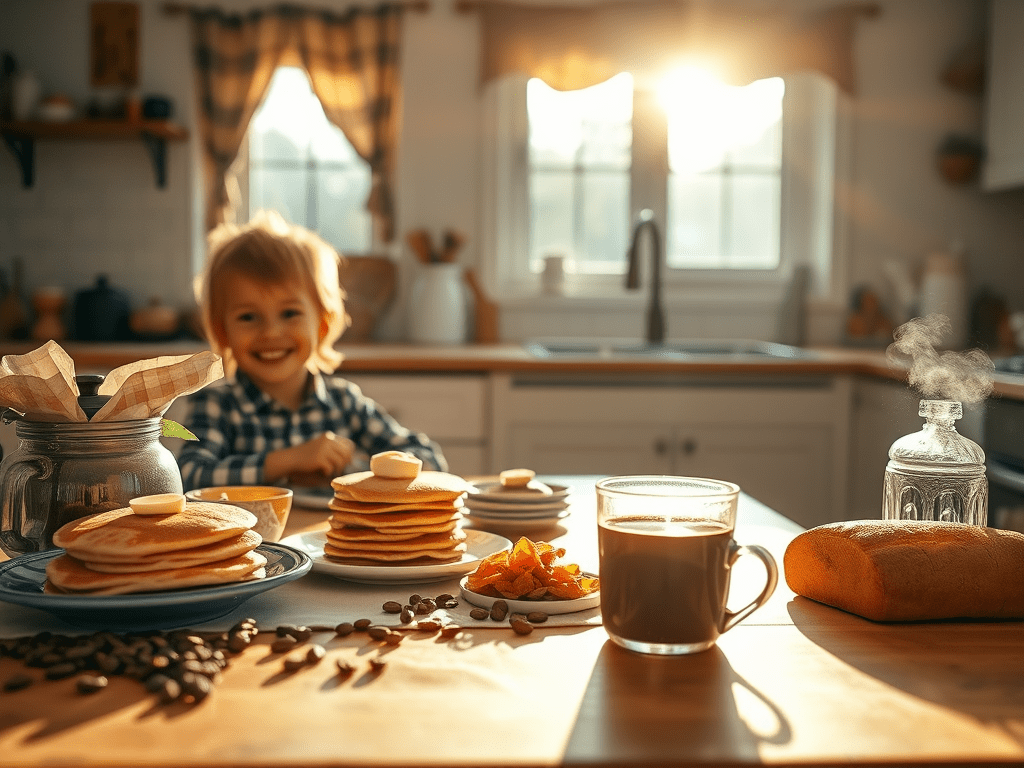
    Those same values of care and connection shape the traditions in my own household. Now, instead of waiting for the holidays, we gather around the table almost every Saturday morning. I cook breakfast using our own pork and eggs, crisp hash browns, and pancakes that usually disappear faster than I can flip them. I grind my favorite coffee beans while the kids decide whether to help in the kitchen or sneak off to watch cartoons with my husband. Either way, we all end up at the table, taking our time to eat and talk before the day pulls us in different directions.

    There’s something grounding about these small, consistent rituals. They connect us to the food we grow, to the rhythms of our home, and to the community around us. Sometimes we share extra bacon or a loaf of kranz kuchen with a neighbor, and that simple gesture feels like an extension of the same tradition—nourishing others with what we’ve made together.

    Years from now, I hope my kids will remember these slow mornings not just for the taste of pancakes or the smell of coffee, but for the feeling of belonging that hung in the air. Family traditions, after all, are less about recipes and routines and more about growing love—with every loaf baked, every breakfast shared, every story passed down.


    Do you have an heirloom recipe passed down through generations? I’d love to hear your version.

    💛 If this story warmed your heart, please like and share it with someone who loves family and food.
    🥚 Subscribe for more posts on growing food, raising kids, and building community—one meal at a time.

    Related Posts
  • Winter Storybook Trail Walks: Family Magic at Horicon Marsh

    Winter Storybook Trail Walks: Family Magic at Horicon Marsh

    What do you enjoy doing most in your leisure time?

    Lately, it’s storybook trail walks with the kids under winter stars. A true heart-soother.

    Last week, we joined the WDNR candlelight walk at Horicon Marsh. Lanterns flickered against the frost. We crunched through chilly snow. We found laminated pages of a storybook trail. This one follows a bird-counting adventure. The kids’ eyes sparkled. They flipped each page tacked to tree stumps. Volunteers shared facts about animal furs and owls. It transformed a cold night into pure wonder.

    Our cheeks were rosy from the chill. Hot cocoa afterward made it perfect. I’m so grateful for the people who work hard on these events. The book changes monthly. I make it a priority to bring the kids often. It blends nature, stories, and family beautifully.


    What’s your favorite family free-time magic? Share below. Let’s swap winter ideas!

    Loved this? Hit ❤️ like, share with a friend, and subscribe for more family nature adventures.

  • Honey Acres: The Farm I’ve Passed But Never Visited

    Honey Acres: The Farm I’ve Passed But Never Visited

    Name an attraction or town close to home that you still haven’t got around to visiting.

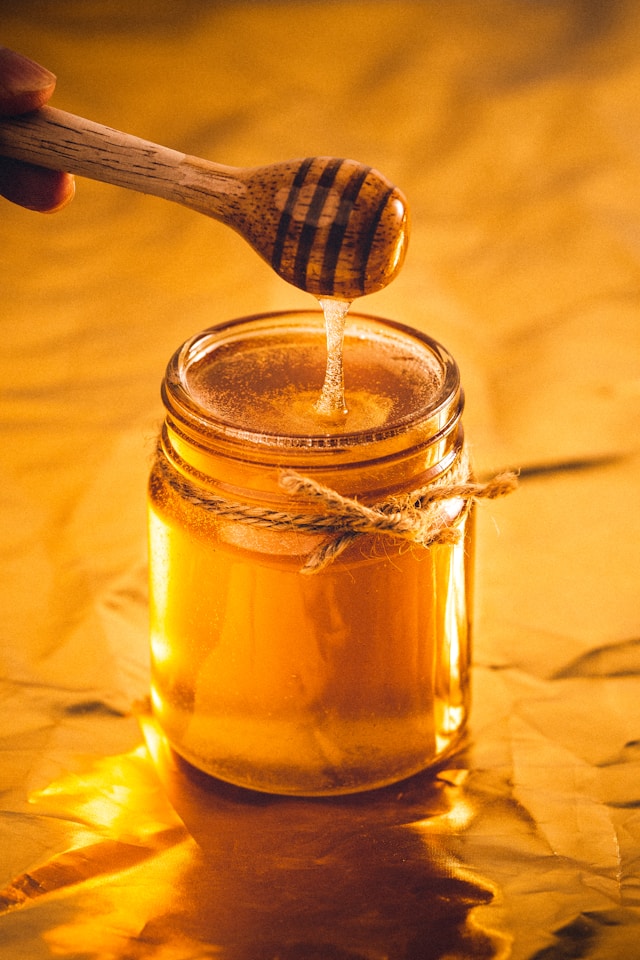
    From the backseat of family car trips, there was always this one honey farm that whispered promises I couldn’t chase yet.

    That’s Honey Acres, about 60 miles northeast of Madison, Wisconsin. It’s a place with such a long, inviting driveway that had intrigued me for decades. And I’ve never paid a visit.

    Every visit to my grandma’s house took us right past there. Those drives were full of my mom’s stories, the anticipation of Grandma’s hugs, and me with my nose pressed to the window, dying to know what was down that path. But as a kid, I had no say—we just zoomed by to get where we were going.

    Then life happened. I moved away for 15 years. When I returned, I had another baby which came with endless tasks, and that familiar slide into “maybe later.” Honey Acres ended up in that sneaky category of places that feel close enough to visit anytime, which usually means they never happen. Diapers and deadlines have a way of burying those little curiosities.

    But here’s the thing—it’s more than just a farm to me now. It connects all these chapters of my life: that wide-eyed kid in the backseat, the years away building something new, and now being home with my own little ones. It’s become a symbol of those small pauses we owe ourselves, the adventures waiting just beyond our daily routines.

    So this year, I’m making it happen. We’re turning down that driveway, grabbing some jars of honey, letting the kids run around a bit, and finally answering a curiosity that’s been calling for way too long. Some places earn that time—not because they’ll be perfect, but because they’ve held space in our hearts for years.

    Feature photo by Art Rachen on Unsplash.


    What’s that one spot near you that’s been on your list forever? Share below—let’s make 2026 the year we finally go.

    Felt that pull? Like if you’ve got a spot like this, share with local friends, subscribe for more WI family finds! What’s on your list? Drop it below 👇

  • Finding Fun in Everyday Homestead Life

    Finding Fun in Everyday Homestead Life

    Daily writing prompt
    List five things you do for fun.

    Disclosure: This post contains affiliate links. As an Amazon Associate, I earn from qualifying purchases. Thanks for supporting Practical Homesteading!


    Sometimes the best fun isn’t found in grand adventures—it’s tucked right into our everyday rhythms. Between planting seeds, raising small humans, and building community here in Wisconsin, I’ve learned that joy often hides in the ordinary moments we choose to notice.

    When the WordPress prompt asked me to list five things I do for fun, I realized how naturally my favorite pastimes reflect the life I’m trying to build: creative, connected, and full of good food and laughter.

    Reading: Pages That Connect Us

    I love to read—both to my kids and for myself. There’s something magical about those bedtime moments when little voices beg for “just one more chapter,” and I happily oblige because I want to know what happens next too. Right now, we’re working through a beloved chapter book series, and I think I’m enjoying it as much as they are.

    For my own reading, I recently joined a women’s book club here in town. It’s been such a gift—hearing other interpretations reminds me how stories have the power to connect us. One person reads about history; another sees deep family themes. That diversity of thought is what builds true community.

    When I’m curled up with a good book, a cozy blanket, and a small light that doesn’t wake the kids, it feels like a quiet luxury. A few of my current favorites (plus the book light I love) are on my Book Club Reads (and Reading Essentials) listAs an Amazon Associate, I earn from qualifying purchases at no extra cost to you.

    Writing: Turning the Ordinary Into Art

    In the same way, I love to write. Writing helps me slow down and see the beauty in the everyday—the way morning light hits a mixing bowl, the satisfaction of flour-dusted hands, the chaos and grace of raising small humans.

    My goal through this blog is to encourage others to find meaning in the daily work of nurturing families, cooking homemade meals, and building connection. Writing also helps me process this season of life and celebrate imperfect progress—both mine and others’.

    Cooking: Where Chemistry Meets Creativity

    Cooking is my happy place. I’m not a fancy baker (my pies are usually more “rustic” than refined), but I love experimenting in the kitchen. Cooking feels like both art and chemistry—mixing what’s in season or what’s grown in the garden, testing new flavors, and seeing what happens.

    Recently I brined a sirloin tip roast to make homemade corned beef, and it turned out phenomenal. Watching everyday ingredients transform into something delicious always fills me with joy. Whether I’m simmering soup from scratch or roasting vegetables from the garden, cooking feels like a conversation between the land, my hands, and the people I love.

    Having the right tools makes all the difference—I’ve gathered my go-to cookware and cast-iron favorites on my Kitchen Essentials list.

    Movies: Finding Magic in the Details

    I also love movies. Not just watching them, but appreciating the creative effort behind them—the lighting, music, and editing choices that tell the story even without words.

    I once toured the Warner Brothers studio in California, and seeing behind the scenes gave me a deep respect for the teamwork and imagination required to create movie magic. Now, when I watch films with my family, I see them differently. Add a bowl of homemade popcorn (made with our trusty popcorn maker!) and it’s one of our favorite cozy-night traditions.

    Playing and Exploring: Getting Down to Their Level

    And finally, I play—and explore—with my kids. We build towering pillow forts, race toy cars, and make snow angels when Wisconsin winter delivers a fresh blanket.

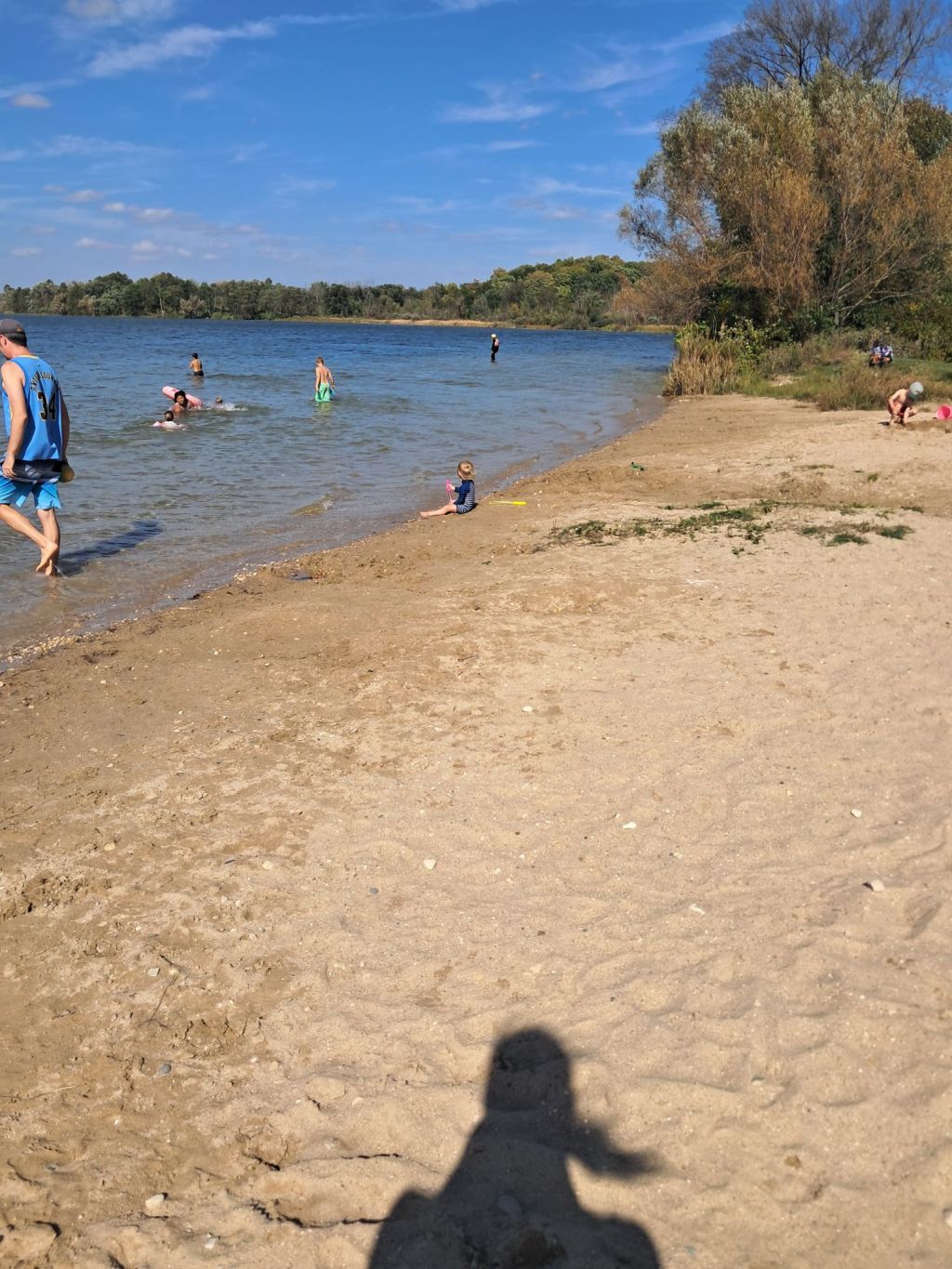
    I also make it a point to keep exploring myself. We visit the beach in summer, wander through new museums nearby, and plan one or two short trips a year. Those small adventures keep us curious and connected, reminding me that fun doesn’t have to be far away. It just has to be intentional.

    There’s something humbling and wonderful about getting down to their level, whether that means chasing waves or lying in the snow laughing. When we share those moments, I’m reminded that joy grows in the same soil as gratitude.


    These five (and a half!) things might seem simple. But reading, writing, cooking, movies, playing, and exploring together they create a life rooted in creativity, connection, and care. Whether I’m turning pages, turning phrases, or turning ingredients into dinner, every moment adds to the bigger picture. Growing food, raising kids, and building community here at home.


    What are your favorite small pleasures that make everyday life feel fun? I’d love to hear what fills your family’s days with laughter and joy.

    ❤️ Enjoyed this post?

    If you love finding beauty in everyday homestead life, make sure to like, share, and subscribe for fresh posts on growing food, raising kids, and building community. Your support helps our little online homestead grow!

    Related Posts

    A Short Drive to Heaven: Why Lake Michigan Wins for Us

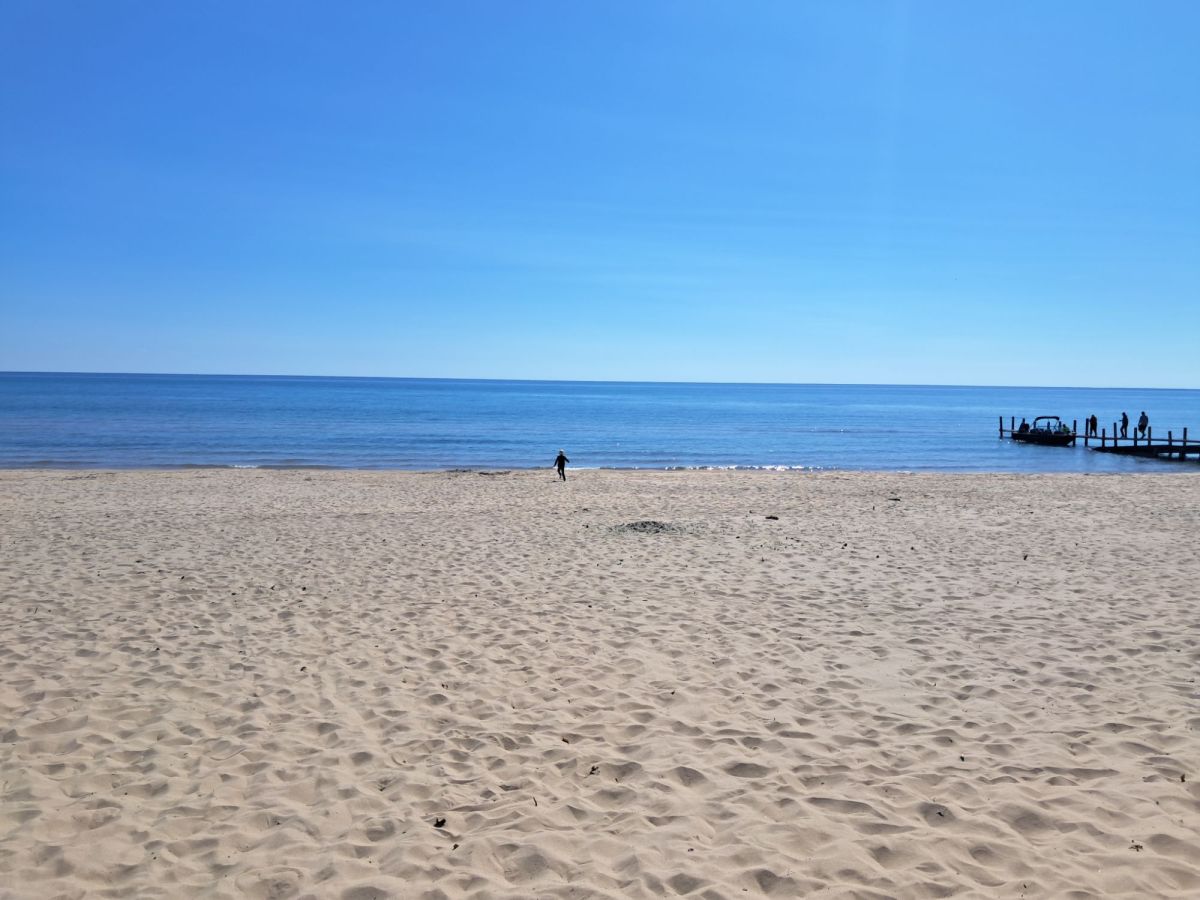
    Beach or mountains? Which do you prefer? Why? The crunch of gravel echoes under the car tires as I set out for what has become a cherished ritual: a short drive to the nearest beach. It’s funny. When people ask me if I prefer the beach or the mountains, the answer isn’t as simple as…

    Keep reading
  • What I’d Tell My Homestead Turkeys: You’re Safe Here

    What I’d Tell My Homestead Turkeys: You’re Safe Here

    If you could make your pet understand one thing, what would it be?

    Disclosure: This post contains affiliate links. As an Amazon Associate, I earn from qualifying purchases. Thanks for supporting Practical Homesteading!


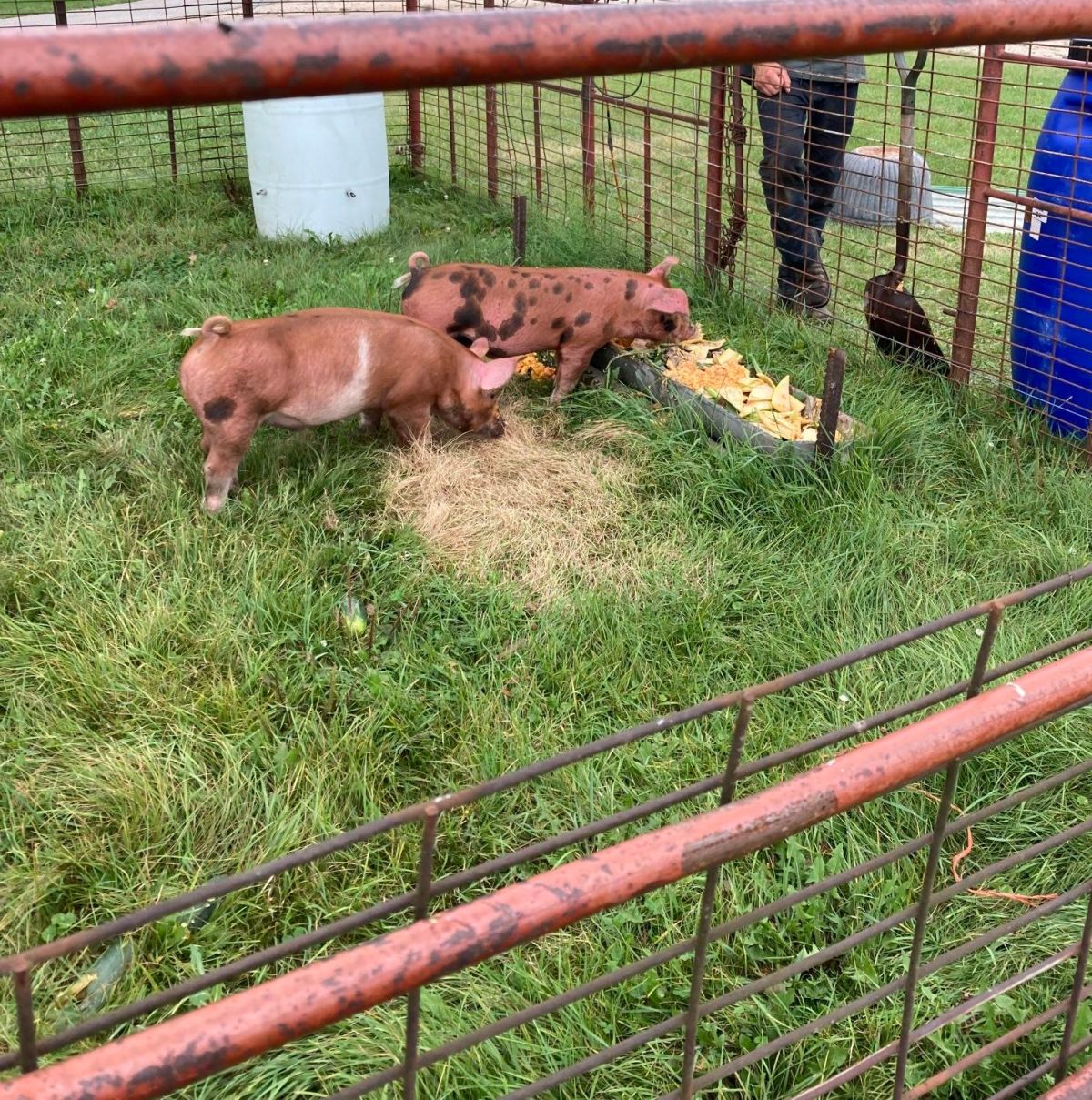
    Every morning, our little homestead stirs to life—snorts, clucks, rustles, and all. The pigs grunt impatiently for breakfast, the chickens dart around my boots like gossipy toddlers, and the black cat takes her morning post on the fence, tail flicking in quiet judgment.

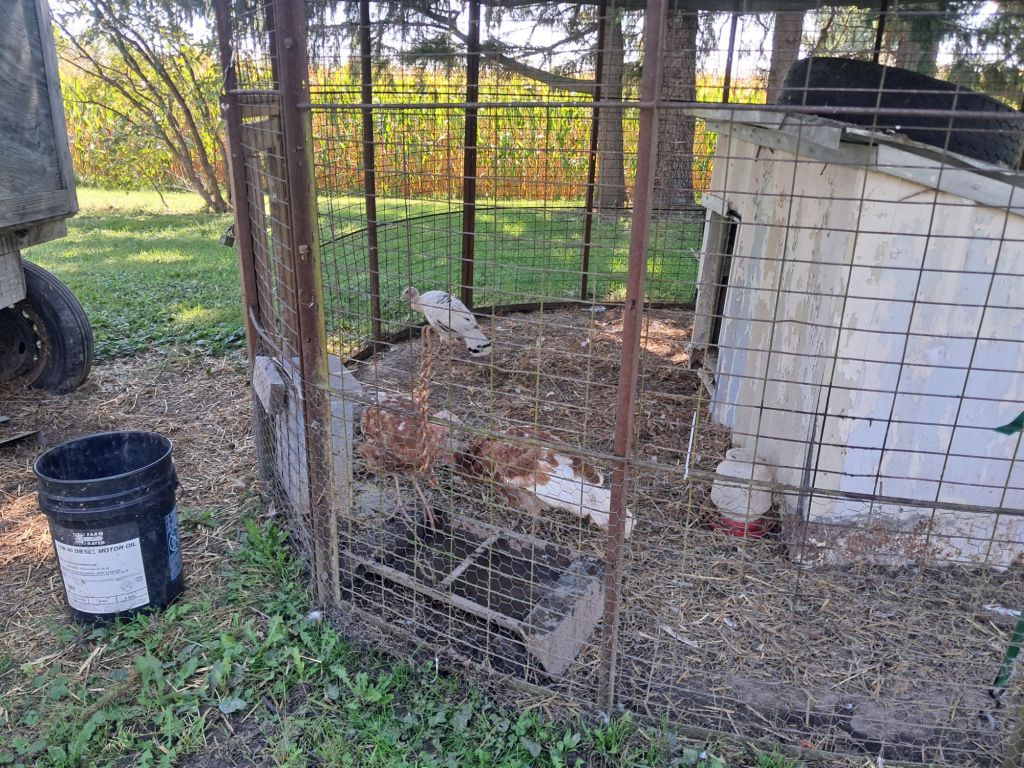
    And then there are the turkeys—watching from their enclosure, eyes wide, feathers puffed, too afraid to venture near the very hands that feed and bed them.

    If I could make my animals understand just one thing, I’d tell them, “You are safe and valued, every single day you’re here.”

    The truth is, one day we will butcher the turkeys. That’s part of the rhythm of the homestead life—raising animals with respect, giving them good days filled with deep bedding, and ensuring they’re never hungry or afraid. But that doesn’t make their time here any less meaningful. It actually makes the responsibility deeper. If they could understand one thing, I’d want them to know that their days matter. That their comfort matters. That I’m grateful for the life they live and the life they’ll one day give .

    The pigs already seem to get it. They’ll eat, play, and then flop into straw with satisfied sighs, blissfully unbothered by anything beyond their next meal. The chickens scurry and squawk, confident in the routine they’ve built around their 25 lb self-feeder (affiliate link) and DIY 5-gallon bucket waterer (affiliate link). Even Black Cat, aloof as he pretends to be, knows he belongs to this rhythm—this gently imperfect, beautifully grounded life we share .

    That’s what sustainability really means to me—caring deeply, even when the hard parts come. I can’t explain to my animals that I love them, that I worry about them on cold nights, or that I always want their lives to be good ones. But I can show it. Through full buckets, soft hay, and calm voices. Through care that doesn’t need translation.

    Because this life, this work, is built on gratitude—on giving more than we take, and honoring every part of the cycle that feeds us. And if my animals could understand that, even for a moment, it would be enough.


    If your animals could understand one truth, what would you tell them? Comment below 👇

    Did this post resonate with you? Like if you farm with heart, share with your homesteading crew, subscribe for real farm wisdom!

    Related Posts

    More Than a Meal: Raising Our Own Thanksgiving Turkeys

    Discover the joys and challenges of raising backyard turkeys in this heartfelt story about patience, humor, and the journey from fluffy poults to Thanksgiving centerpiece. Learn personal lessons and practical insights from a family’s wild turkey-raising adventure.

    Keep reading

    Feathers, Frogs, and Family: Lessons from Our Chickens

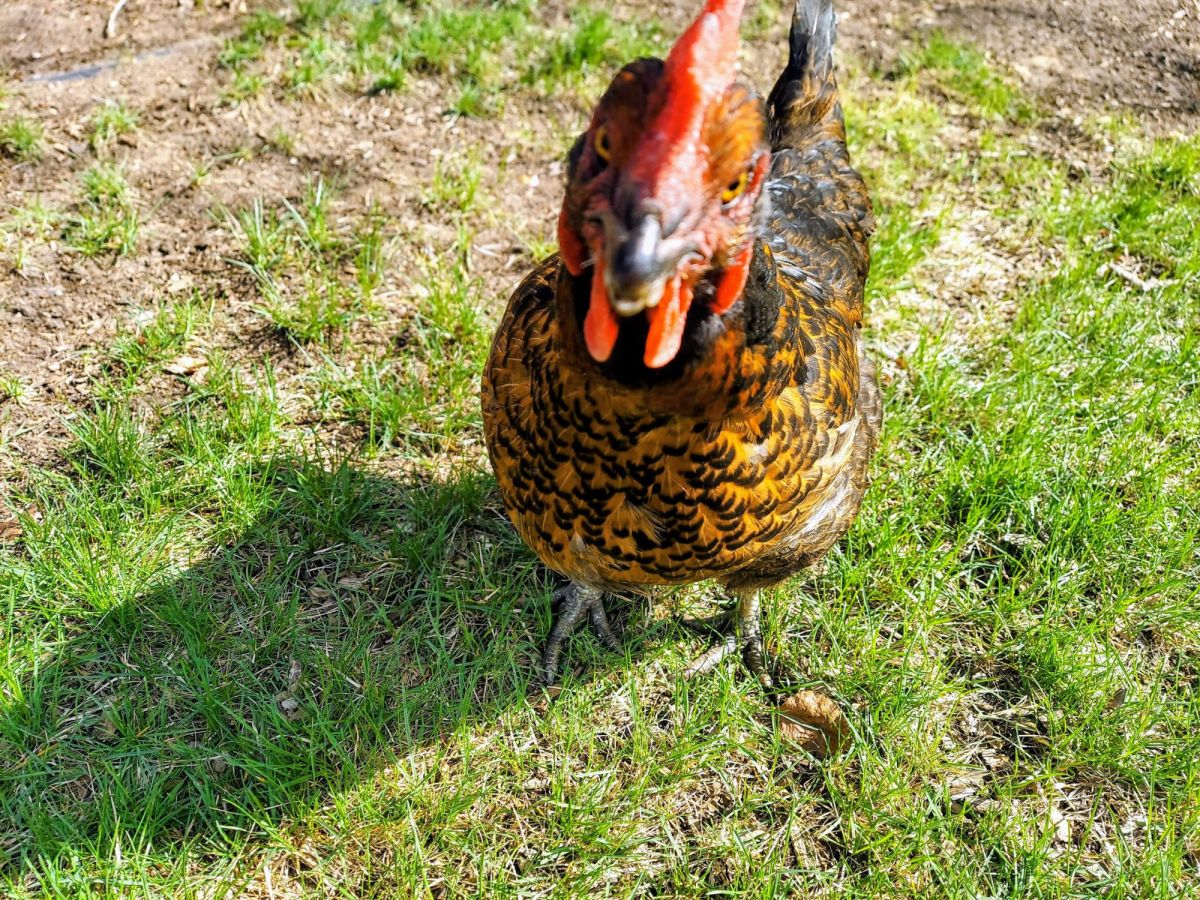
    What are your favorite animals? I remember he day our delivery person lingered just to pet a chicken. It marked a quiet but unforgettable connection between humans and animals in our lives. That black hen with golden feathers wasn’t just beautiful. She was a symbol of the surprising personalities and stories hidden in every farm…

    Keep reading
  • The Story Behind My Name: From “Face” to Embracing Faith

    The Story Behind My Name: From “Face” to Embracing Faith

    Write about your first name: its meaning, significance, etymology, etc.

    As the last of six girls, I drew the “leftover” name that ended up rewriting my story.

    Faith was not the name my parents had planned—because they hadn’t planned any name at all. The night I was born, my mom kept suggesting options and my dad kept turning them down. Nothing felt quite right. Then my mom suggested Faith, adding almost offhandedly, “Everyone needs a little Faith.” This time, my dad didn’t argue. Just like that, Faith became mine.

    For years, I didn’t love that origin story. My name felt too different, too noticeable. On the phone, if I said it too fast, people would ask me to repeat it or guess something else entirely. One child dubbed me “Face” in a moment of childhood brilliance. That pretty much summed up how I felt—misheard, slightly awkward, and more than a little self-conscious about a name that drew attention I didn’t want.

    Names have a way of catching up with you, though. As I got older, I started to sit with the meaning of Faith. At its simplest, it means “belief in something greater than yourself.” That “something greater” is different for everyone—God, the universe, a calling, a purpose, or even the quiet conviction that life can be better than it is today. There is a tenderness in that idea, a kind of built-in hope. My name stopped feeling like an odd label and started feeling more like an invitation.

    Faith, on its own, doesn’t magically fix anything. Belief without action can easily turn into wishful thinking. But when you pair faith with hard work, grit, and determination, it becomes a powerful force. It keeps you moving when the path is unclear. It nudges you to try again after a setback. It whispers that the effort is still worth it, even when the outcome isn’t guaranteed .

    Now, when I introduce myself, I do it with a little more warmth toward that younger version of me who cringed at her own name. I carry a word that reminds me daily to look beyond what I can see, to trust that there is more possible than what is obvious, and to keep showing up and doing the work anyway.

    Everyone may not need me, exactly—but everyone does need a little faith. And somehow, over the years, that has become something I’m proud to embody.

    Feature photo by Alex Shute on Unsplash


    What’s the story behind your name? Share below—let’s uncover what we carry .

    Loved this? Like if names move you, share your story with family, subscribe for more heart-to-heart wisdom! What’s behind your name? Tell us below 👇

    Related Posts

    From Nerves to Connection: Lessons from a Lifetime of Public Speaking

    Have you ever performed on stage or given a speech? My heartbeat quickened as the announcer called my name, each syllable echoing through the microphone. Applause filled the conference hall as I walked toward the podium, my shoes tapping softly against the floor. The room smelled faintly of coffee and stale donuts—a familiar comfort for…

    Keep reading


  • I Already Have My Dream Job: Work-from-Home Wins

    I Already Have My Dream Job: Work-from-Home Wins

    What’s your dream job?

    Disclosure: This post contains affiliate links. As an Amazon Associate, I earn from qualifying purchases. Thanks for supporting Practical Homesteading!


    Most chase dream jobs like unicorns—elusive, shiny, and always just out of reach. Turns out, mine was hiding in plain sight: my home office, flexible deadlines, and a career that fuels both family and purpose.

    Right now, I work as an environmental professional from home. I set my own hours, within reason—I still need to respond to emails promptly, deliver quality work on time, and show up for meetings. But between those responsibilities, there is space. Space to step away for ten minutes to start dinner. Space to take my kids to a doctor’s appointment without begging for time off. Space to grab an early lunch from a reliable stand-up desk (affiliate link) setup like mine, keeping energy steady without back strain .

    Financially, this job allows me to both support my family and save aggressively for retirement. That combination—being present for my family in the day-to-day while also planning for their future—feels like a rare gift. I am not choosing between meaningful work and stability; I have both. The paycheck is not just about bills, but about building a cushion that will give us options and freedom later .

    The work itself matters deeply to me. I am in a discipline I care about, doing environmental work that has a tangible impact on the world around me. My efforts contribute, even modestly, to healthier ecosystems and communities. That sense of purpose changes how Monday mornings feel. I am not just logging in to pass the time; I am showing up for something bigger than myself .

    Is it perfect every single day? Of course not. There are stressful deadlines, long meetings, and moments where the balance tips and I feel stretched thin. But when I step back and look at the full picture—the flexibility, the trust, the financial stability, the meaningful work, and the ability to weave my family life into my workday—I realize something important.

    For all intents and purposes, I already have my dream job.

    Feature photo by Volodymyr Hryshchenko on Unsplash

    The views from this post are my own.


    What’s one “dream” perk you already live? Share below—let’s celebrate the wins we’re missing in the chase .

    Loved this reality check? Like if you’re living a hidden dream job, share with your WFH crew, subscribe for more family+career real talk! What’s your “unicorn” perk? Drop it below 👇 .

    Related Posts

    From Nerves to Connection: Lessons from a Lifetime of Public Speaking

    Have you ever performed on stage or given a speech? My heartbeat quickened as the announcer called my name, each syllable echoing through the microphone. Applause filled the conference hall as I walked toward the podium, my shoes tapping softly against the floor. The room smelled faintly of coffee and stale donuts—a familiar comfort for…

    Keep reading

    Unmuted: Laughing Together at Last

    I never expected to feel this nervous just walking into a donut shop. The bell above the door chimed softly, and I paused—heart rattling, palms damp against my blue Yeti water bottle. The air was thick with sugar and dough, but I wasn’t here for pastries. I was listening for a voice I’d only ever…

    Keep reading
  • Good Leaders Delegate: Lessons from My Toddler

    Good Leaders Delegate: Lessons from My Toddler

    What makes a good leader?

    Disclosure: This post contains affiliate links. As an Amazon Associate, I earn from qualifying purchases. Thanks for supporting Practical Homesteading!


    Ever watch a toddler triumphantly pull up their own pants and beam with pride? That’s leadership unfolding—in the everyday chaos of family life, where small wins build big resilience.

    What Self-Awareness Builds
    A good leader knows their strengths and recognizes when others have strengths they don’t. This self-awareness keeps them humble and helps build strong, well-rounded teams instead of trying to do everything solo. Rather than feeling threatened by others’ gifts, they feel grateful and make space for those gifts to shine .

    Delegation That Empowers
    That mindset fuels effective delegation. Good leaders don’t just hand off tasks; they match people with responsibilities that fit their abilities, interests, and growth areas. This empowers others to take ownership, build confidence, and develop skills—making leadership contagious as people step up .

    Stress Without the Spillover
    Good leaders handle stress well—like staying calm through potty regressions or toddler meltdowns at home. Pressure from deadlines, conflict, or surprises is inevitable, but they pause, prioritize, and respond calmly instead of reacting. By staying grounded, they create safety for their team and family. They also prove it’s possible to navigate challenges without losing compassion or perspective.

    Leadership at Home
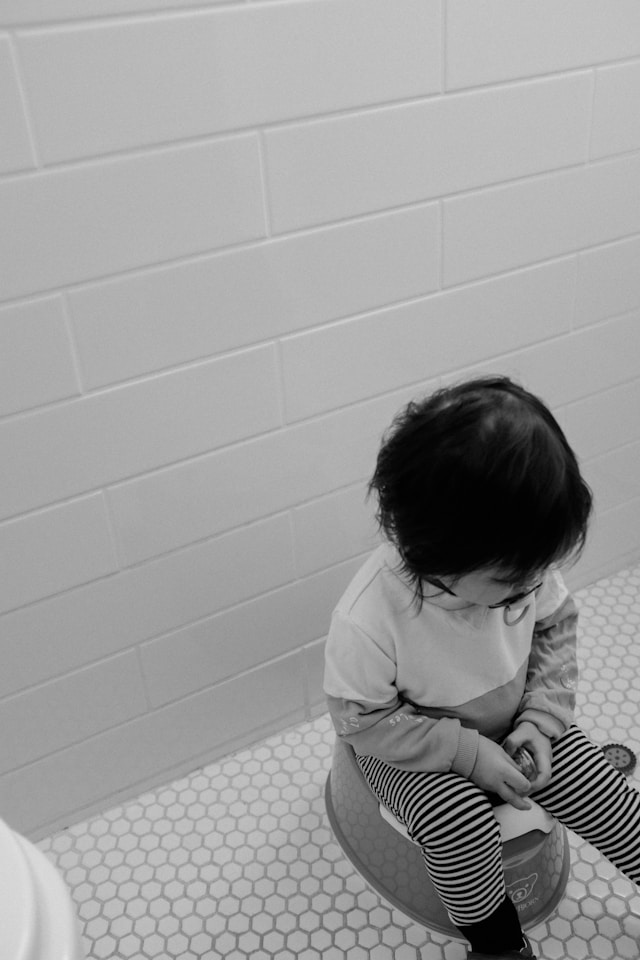
    I see this at home too. Delegating laundry to my 6-year-old son lets him tackle it on his own schedule, building ownership and resilience. With my 2-year-old daughter, encouraging her to pull up her pants herself after the bathroom means she gets better each day through small wins. Ours started with a Baby Bjorn potty seat (affiliate link), toilet seat insert (affiliate link), and wooden step stool (affiliate link) for that independent reach.

    That’s good leadership in action. Recognizing each child’s unique strengths, giving age-appropriate responsibility, and inviting them into solutions instead of just following orders. The key? Commitment: leadership means little if you’re emotionally absent at home .

    Leadership isn’t about holding the reins—it’s about releasing them wisely so others can run. Who are you empowering today? In families, teams, or communities, the best leaders steward growth, leaving a legacy of capable, confident people who carry the torch forward.

    Feature photo by charlesdeluvio on Unsplash


    Loved this? Like if it hit home, share with a parent-leader, and subscribe for daily real-talk wisdom! Who’s your toughest leadership lesson from? Comment below! 👇

    Related Posts

    Where the Red Fern Grows and the Sprinkler Flows

    The moment I stepped outside in the morning, sweat prickled down my back:  a warning that today would be a scorcher. The thermometer already hovered above 90 degrees, and the rest of the day promised no relief. My husband would be gone this afternoon, off helping family with farm chores, leaving me alone with our…

    Keep reading

    Tickets, Trade-Offs, and Tilt-a-Whirls

    We stepped through the county fair gates with twenty ride tickets to last the whole day. To my five-year-old son, they were a golden key to unlimited fun. To me, they were a limited resource — and a math lesson waiting to happen. The August sun pressed down, bouncing off the metal siding of food…

    Keep reading
  • How to Make Homemade Sauerkraut (Perfect for Reubens & Pork Roasts!)

    How to Make Homemade Sauerkraut (Perfect for Reubens & Pork Roasts!)

    This winter, I’m on a delicious quest to make the ultimate homemade Reuben sandwich—from scratch.

    It’s a three-part series:

    1. Sauerkraut
    2. Rye bread
    3. Home-cured corned beef

    Every piece is made right here at home. Because when you love good food and the process that brings it to the plate, every step matters.

    Today, we start where every great Reuben does—with sauerkraut.


    Disclosure: This post contains affiliate links. As an Amazon Associate, I earn from qualifying purchases. Thanks for supporting Practical Homesteading!


    From Garden to Crock

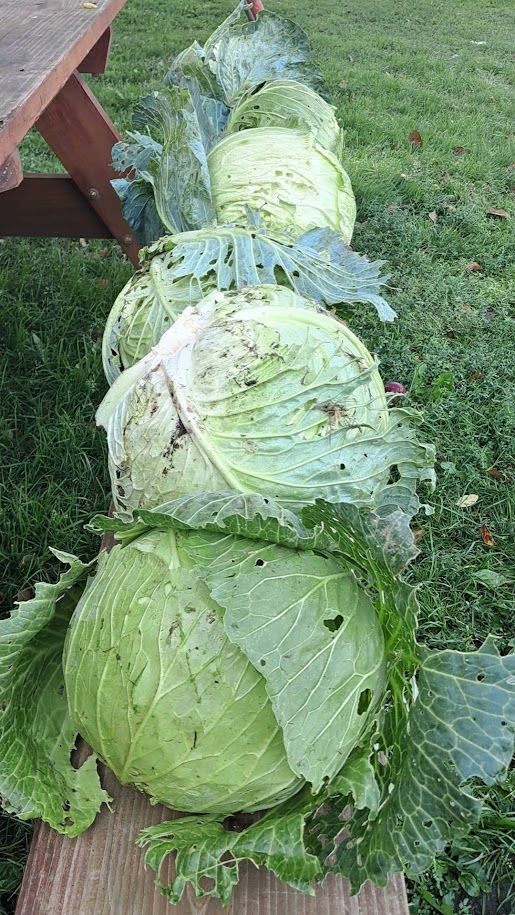
    Back in September, I harvested crisp green Megaton hybrid cabbages from the garden and tucked them away for something special.

    We stripped off the outer leaves, then cut the heads into manageable chunks with this knife (affiliate link) after using this honing steel (affiliate link) to sharpen the blade. My husband pulled out our meat slicer to shred the cabbage into fine ribbons—teamwork at its best!

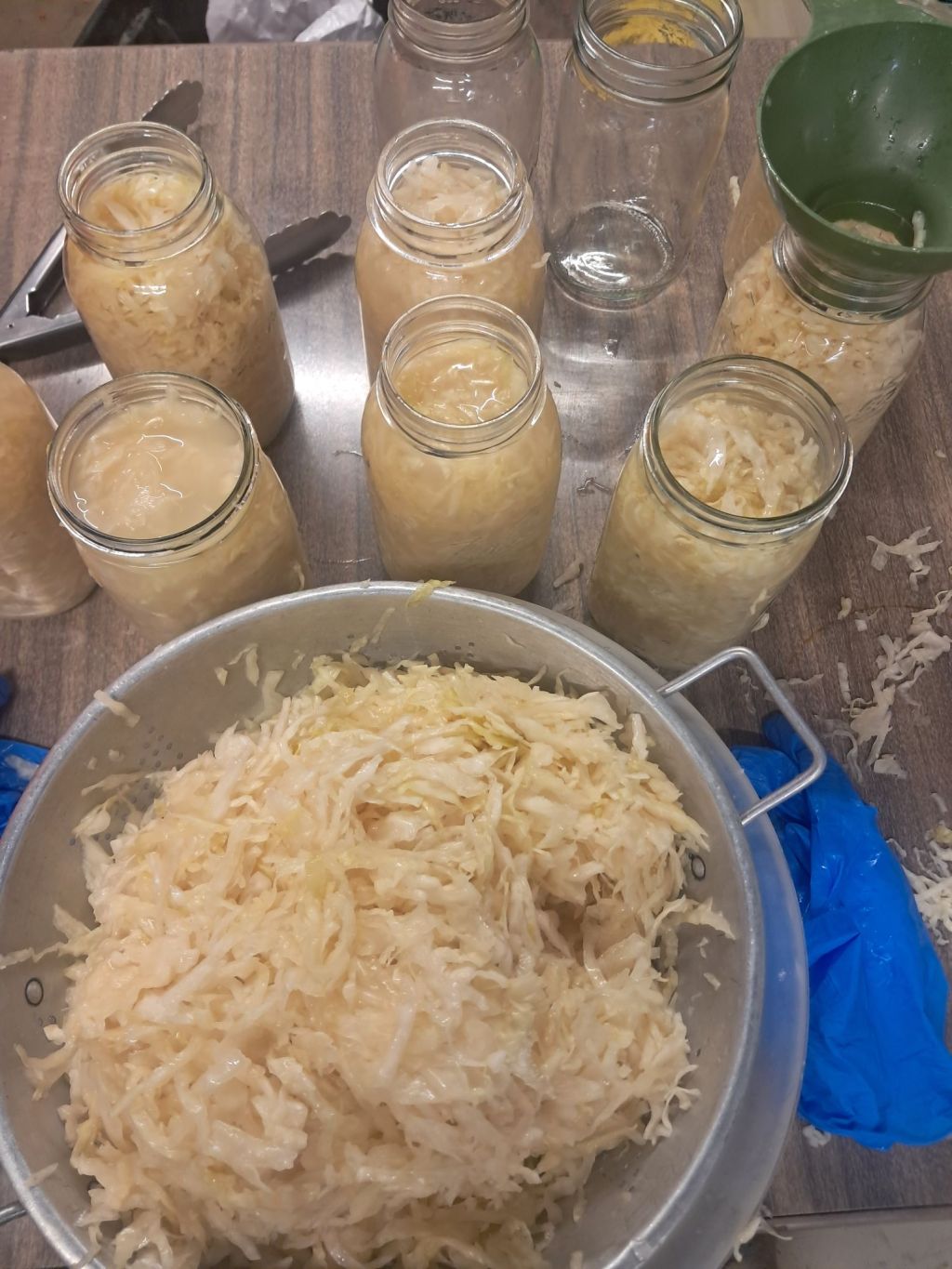
    Next, we weighed the shredded cabbage on a kitchen scale, then calculated and measured out 2% canning salt (affiliate link) by weight. After mixing the cabbage and salt together, we packed it down firmly into our antique RedWing stoneware crock using a homemade stamper (basically a broom handle fitted onto a wooden block—but it works perfectly for this purpose).


    The Secret to a Clean Ferment

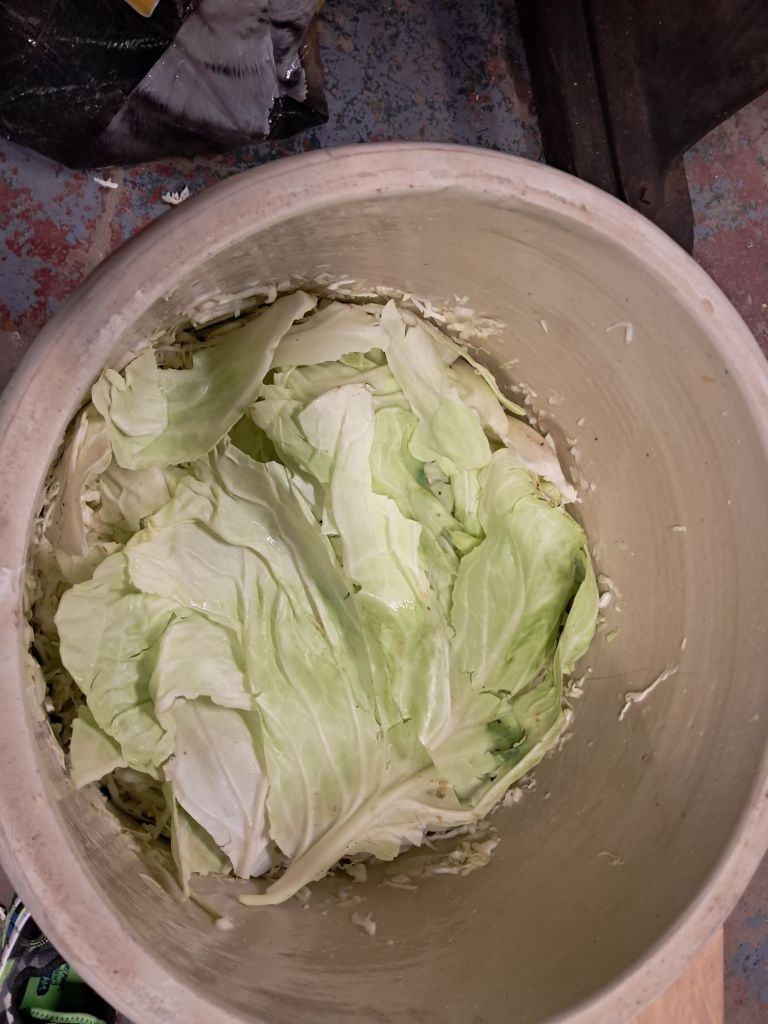
    Place cabbage leaves above the salt/cabbage mixture.
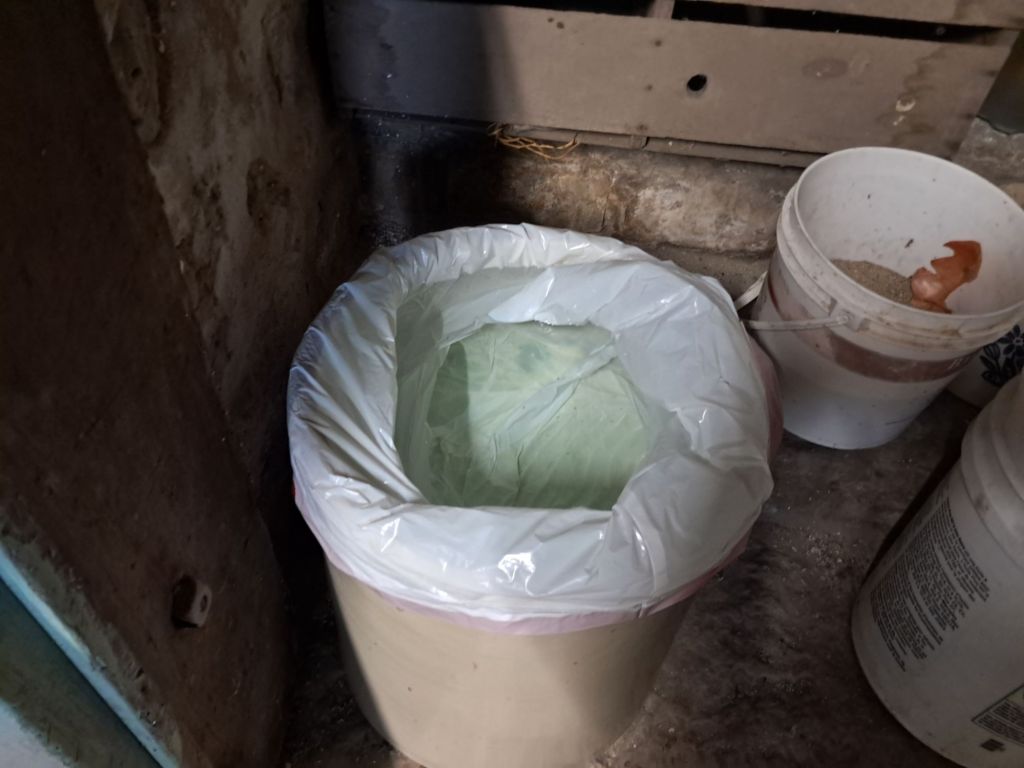
    A garbage bag filled with water helps to seal the fermenting sauerkraut from outside air.

    To finish, we laid a few whole cabbage leaves on top and placed a water-filled plastic garbage bag over everything. This simple trick does two things:

    • The weight keeps the cabbage fully submerged in brine.
    • The plastic molds to the sides of the crock, reducing airflow and spoilage.

    Then the real magic began—waiting. The crock sat in a cool, dark corner of the basement for about three and a half months. Time and microbes quietly transformed that fresh cabbage into something incredible.


    The Big Reveal

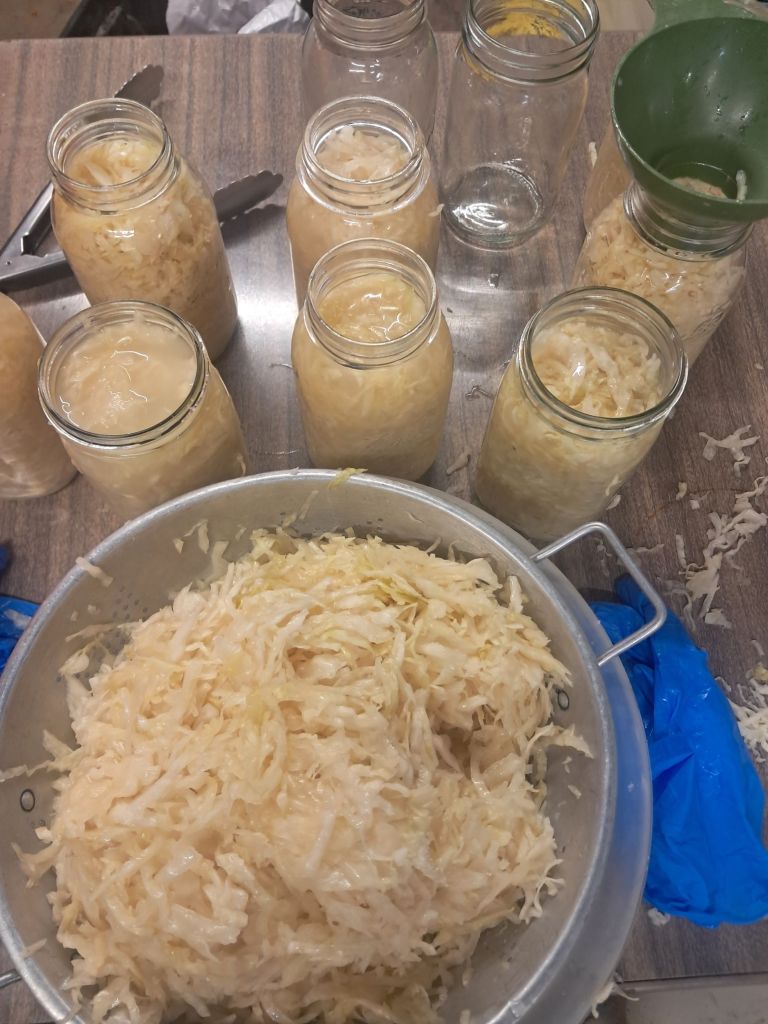
    That beautiful sauerkraut after 3.5 months of fermentation.

    When I finally opened the lid, I was greeted by the unmistakable scent of good fermentation—earthy, tangy, and fresh. The sauerkraut was crisp, slightly golden, and bursting with flavor.

    This batch is destined for homemade Reubens and maybe a pork roast or two. The wait? Absolutely worth it.


    Reflections from the Crock

    Homesteading has a way of teaching through food—patience, balance, and trust in nature’s quiet work. The same rhythms that shape a garden shape us, too.


    Have you ever made your own sauerkraut or fermented veggies?
    Homesteading is more fun when we learn together.

    Tell me what’s bubbling on your countertop—or what I should try fermenting next!

    💚 If you enjoyed this post, please take a moment to like, share, and subscribe!

    New readers help this little homestead grow—and sharing your own food projects inspires others, too.

    Subscribe to join me for the next part of this Reuben adventure: homemade rye bread!

    Related Posts

  • What I’d Uninvent: Addictive Convenience Foods Working Moms Hate

    What I’d Uninvent: Addictive Convenience Foods Working Moms Hate

    If you could un-invent something, what would it be?

    Those addictive convenience food ads haunt every tired mom—here’s what I’d uninvent instead.


    Disclosure: This post contains affiliate links. As an Amazon Associate, I earn from qualifying purchases. Thanks for supporting Practical Homesteading!


    Why I’d Uninvent Ultra-Processed Foods as a Busy Homesteading Mom

    If I could wave a magic wand and make something disappear, I’d choose the ultra-processed foods that pretend to take care of us while quietly making us sick. Not every packaged shortcut is evil—there’s a place for frozen vegetables and canned beans. But the engineered, addictive ultra-processed foods that hijack our taste buds and leave our bodies exhausted? Those are the ones I’d gladly uninvent.

    How Ultra-Processed Foods Target Tired Parents

    Just this morning, I scrolled past an ad for a “new, one-of-a-kind food,” all bright colors and bold promises. It didn’t need to list ingredients; the script writes itself: salt to keep you reaching back, sugar to spike then crash your blood, industrial oils, artificial flavors, lab-designed textures ensuring you can’t eat just one.

    These products come from test kitchens with tech-gadget precision—except the goal isn’t nourishment, it’s consumption. And most of us, especially tired parents, are the target market.

    The Hidden Cost of “Convenience” Foods

    What bothers me most is how ultra-processed foods dress up as help. Labels like “fun,” “easy,” “family-sized,” or “better for you” slide into our overfull lives. No time to cook? No energy to plan? Here’s something tasting like comfort for less than good groceries.

    The bill comes later: health costs of processed foods show in obesity, type 2 diabetes, chronic disease rates rising alongside ultra-processed food consumption. As a homesteading mom, this hits close—5:30 p.m. with hungry kids orbiting while my brain feels like an empty pantry.

    Real Food Parenting: Energy for Family Life

    On those nights, ads for magic ready-to-eat solutions feel like mercy. But I know how ultra-processed foods leave me: foggy, irritable, hungrier despite eating more. Real food parenting takes time—chopping vegetables with this knife (affiliate) after using this honing steel (affiliate) to sharpen it, storing ingredients in these glass Pyrex containers (affiliate).

    The difference? Energy to play with kids, meaningful talks with my husband. Whole food meals over processed products.

    What I’d Replace Ultra-Processed Foods With

    If I could uninvent anything, it wouldn’t be every packaged shortcut. I’d erase food-like products designed irresistible first, nourishing last (if at all). I’d trade “new, one-of-a-kind” snacks for old foods our bodies recognize—homestead cooking prioritizing ingredients over inventions.

    Until that wand appears, I opt out where possible. I choose real food parenting and whole food meals. I teach my kids food helps us live well—not just keeps us reaching back into the bag.


    Feature Photo by Behnam Norouzi on Unsplash


    What’s your biggest ultra-processed food temptation? Share below—let’s support each other’s real food journey!

    Loving these homestead reflections? Like, share with fellow parents, subscribe for more real food parenting insights.

    Related Posts