How Local and Handmade Traditions Make the Season Truly Meaningful
What if the best holiday gift wasn’t something you ordered in seconds, but something made by a neighbor, a local shop, or your own two hands?
Gifts That Actually Stick
Think about it: what was the last gift you really remembered a year later? Chances are, it wasn’t the priciest thing on your list. More often, it’s the homemade jam from a friend’s kitchen. It could be the mug thrown by a local potter. Perhaps it’s the scarf someone knitted while thinking about you. Those kinds of gifts carry a story and quietly say, “You’re worth my time.”
The Smoked Cream Cheese Surprise
One of my favorite examples came from a retired farmer who gifted us smoked cream cheese. It was infused with cherry and oak from his backyard smoker. Shared around the table on simple crackers, it tasted like patience and pride. It sparked a whole conversation about how he learned to smoke cheese—something no anonymous online order could ever deliver.
Family Recipes That Last Generations
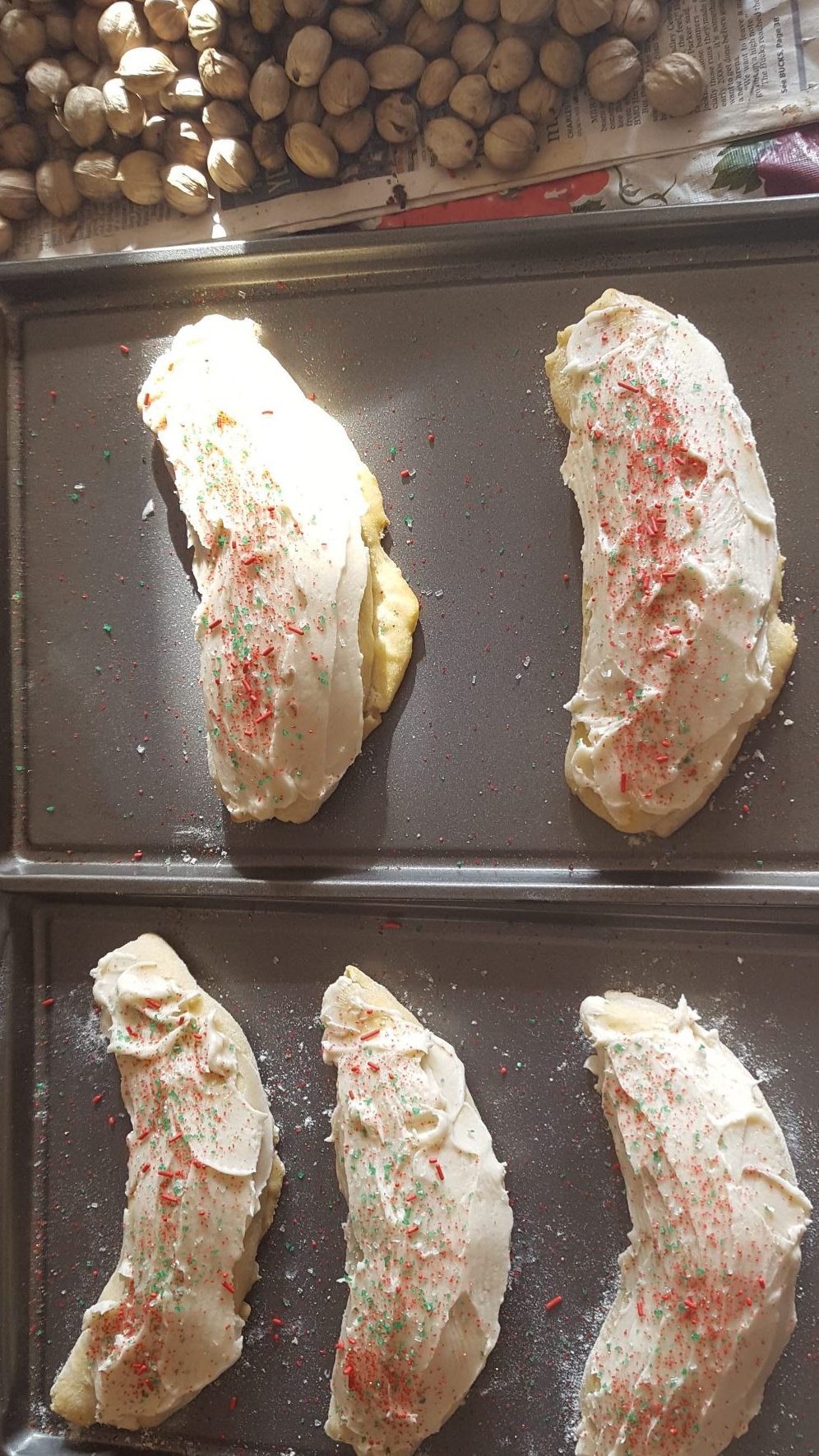
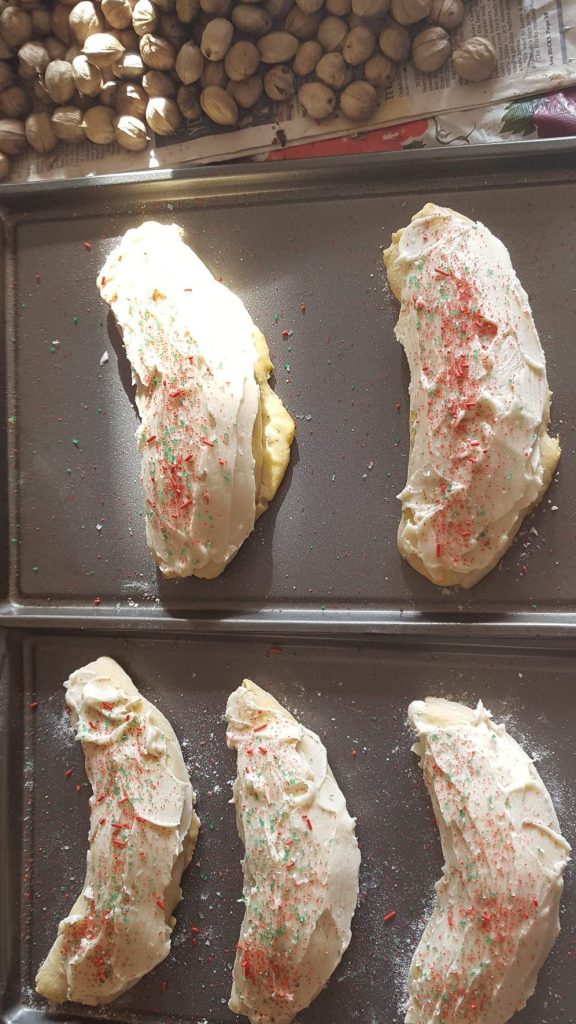
That same spirit shows up in family traditions. In my family, my mom’s kranz kuchen—a crescent-shaped bread layered with dates, brown sugar, and hand-foraged hickory nuts—has been on the holiday table for four generations. It’s not just dessert; it’s a lineage of hands and stories. When someone slices into it, they’re tasting time, memory, and love as much as sugar and spice.
Local Shops, Real Connections
Local shops can hold that kind of magic, too. They’re often packed with small-batch cheeses, handmade ornaments, candles, and art that reflect the character of your town. A couple of years ago at a tiny cheese factory, I got chatting with the woman behind the counter. We swapped recipes and laughs. I walked out not just with cheese. She had tucked a quirky chocolate-pairing poster into my bag. No algorithm could have predicted how much that silly poster would delight me. I think of her now and then when I find it among my things.
Start Small This Holiday
You don’t have to overhaul your whole holiday routine to lean into this. Start small. Maybe this year you bake a batch of cookies. You could write a poem. Paint a simple ornament. Or put together a little basket featuring a couple of local favorites. Even if you don’t have many nearby shops, you can still support small makers online. Alternatively, share something only you can offer. This could be a playlist, a letter, a framed photo, or a recipe.
Over time, those small choices can grow into traditions: an annual baking day, a visit to a favorite market, a handmade gift exchange among friends. Years from now, when people look back on “the good holidays,” they probably won’t reminisce about two-day shipping. They’ll remember the smoked cream cheese, the kranz kuchen, the unexpected poster, and the feeling of being truly seen.
Your Turn to Share
What’s one handmade or local gift you’ve received (or given) that you still think about? Why did it stick with you?
If this resonated with you, tap like. Share it with someone who loves local makers. Subscribe so you don’t miss future posts on intentional, community-rooted living.
When I pull a forgotten vegetable from the back of the fridge and turn it into lunch, I’m reminded of something deeper about myself. I love the challenge of making something worthwhile out of what might otherwise go to waste. That instinct—to look, think, and try again—connects many of the things I do well. My strengths don’t always fit neatly together, and each carries its complications. However, they shape how I learn, love, and live.
Self-Reflection I’ve always been good at analyzing my actions. After any conversation or decision, my mind replays each detail. What did I say? How did people react? What could I have done differently? Self-reflection helps me grow and maintain harmony with others. The downside? I sometimes lie awake at night, stuck in loops of overthinking. But I’d rather wrestle with too much awareness than drift through life without it. Reflection keeps me grounded and connected—to myself and to the people I care about.
Making the Most of Resources I take real pride in making something out of nothing. Whether it’s stretching a budget or reinventing leftovers, I see potential where others might see waste. Just recently, I rescued leftover turkey bound for the garbage. I turned it into turkey dumpling soup—comforting and thrifty all at once. There’s joy in transforming scraps into sustenance. Sure, a few experiments have gone sideways over the years, but most end up nourishing both body and spirit.
Love of Learning Books have always been my favorite adventure. I devour all kinds—self-improvement, history, fiction, science—and never tire of discovering something new. My husband and I trade recommendations, and our six-year-old son has caught the curiosity bug too. Right now, he’s fascinated by the Titanic and Nova. Our living room is often alive with questions, research, and excitement. Occasionally, I crave a low-effort evening in front of a screen. However, learning rarely feels like work—it feels like fuel for my mind and heart.
Acting Quickly to Solve Problems When a problem pops up, I seldom stay frozen. I research fast, decide fast, and act even faster. It’s a trait that propels me forward but sometimes frustrates my husband, who prefers more deliberation. One October, tired of waiting for him to pick a spot to plant garlic, I finally chose one myself. My decision complicated his spring tilling. Looking back, I smile at the reminder that progress sometimes grows out of impatience. Action, even imperfect, has its rewards.
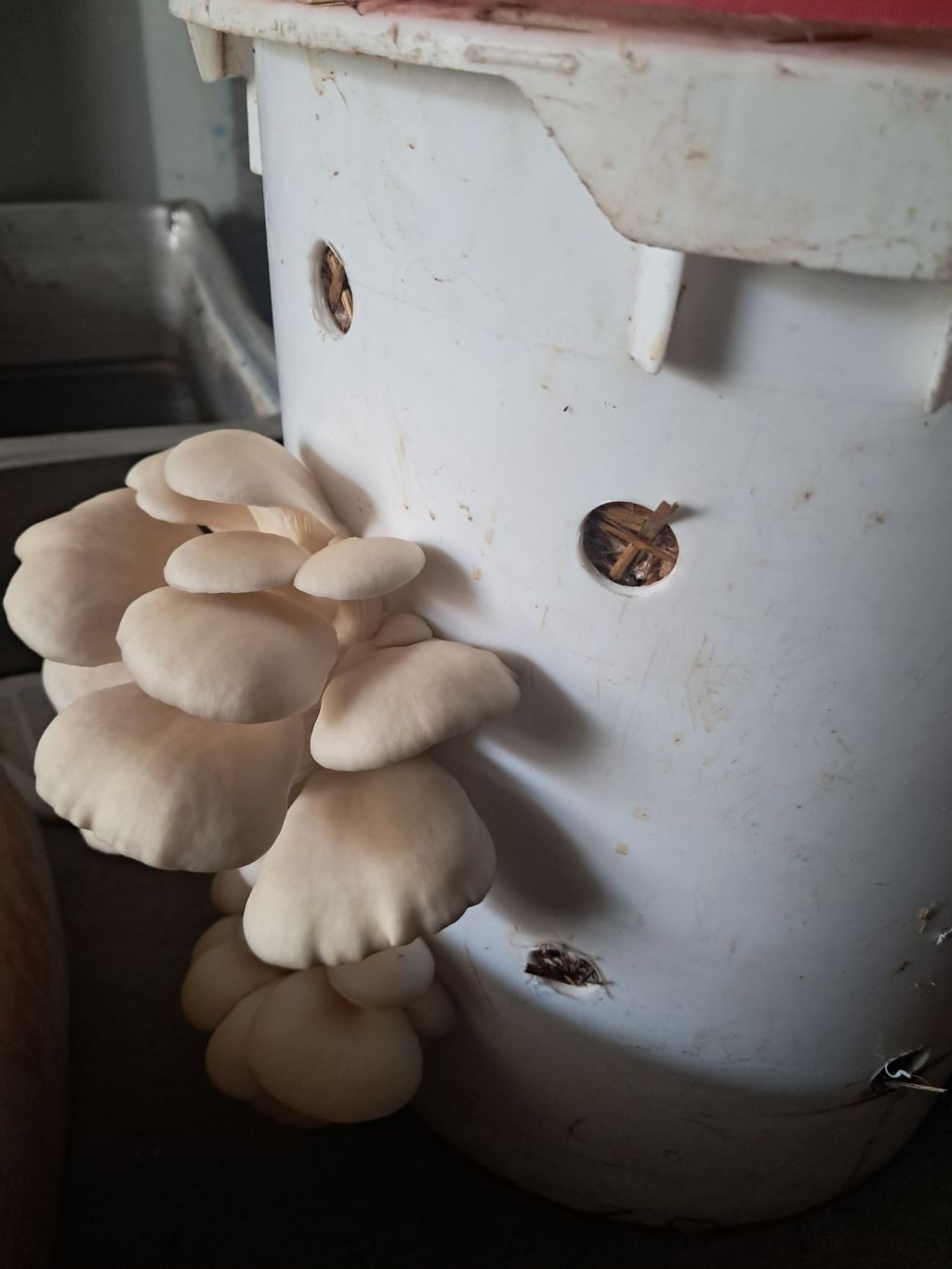
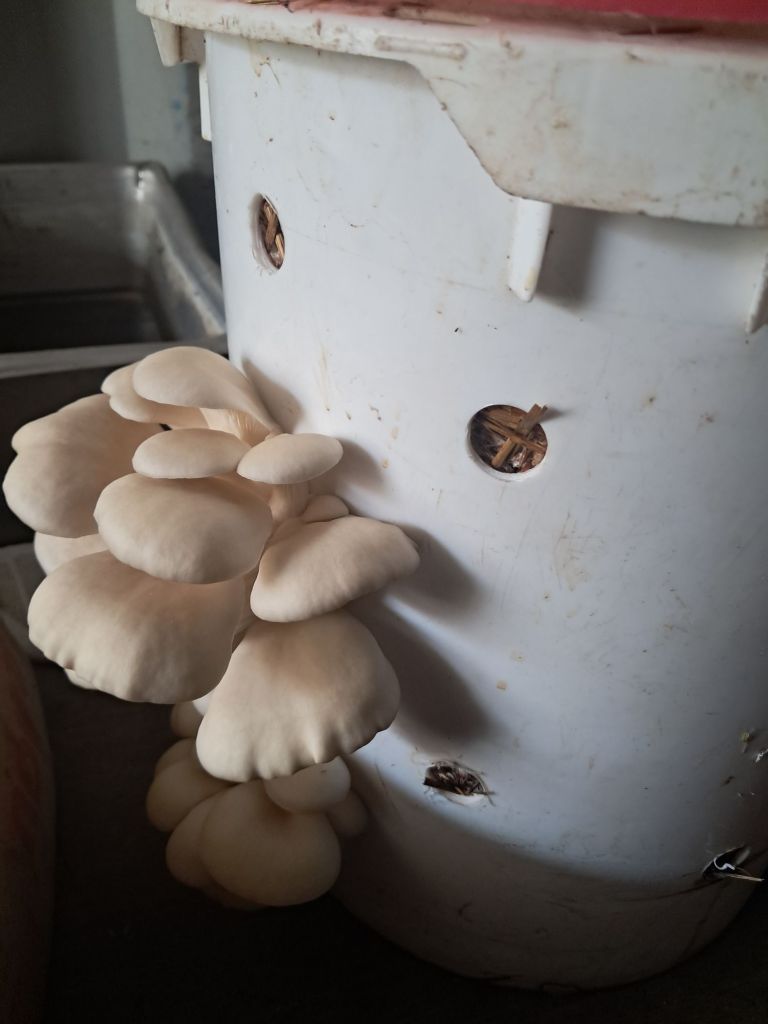
Experimentation Above all, I’m an experimenter. I believe life is meant to be touched, tested, and transformed. This year, I took on mushroom cultivation—because starting with one variety felt too cautious. I grew oyster, wine cap, and shiitake mushrooms. The oysters thrived, the wine caps refused to fruit, and the shiitakes are still waiting for spring. Whether something succeeds or fails, I find meaning in the process. Curiosity keeps my world growing in unexpected directions.
Bringing It All Together Reflection, resourcefulness, learning, decisiveness, and experimentation—each one fuels the others in its own looping rhythm. Reflection deepens learning; learning sparks curiosity; curiosity invites action; and every action offers new insight to reflect upon. Being good at many things isn’t about mastering them all. It’s about staying open to possibility, allowing skill and spirit to evolve side by side.
I’d like to pass on a willingness to think, try, and turn even life’s leftovers into something worth savoring. Perhaps my greatest experiment of all is unfolding every day. I’m raising two children who see the world as one big opportunity to learn, question, and grow.
If this post resonated with you, don’t forget to like and share it. Please subscribe for more reflections on creativity, learning, and everyday life’s quiet experiments.
Every homestead has secrets, but sometimes you uncover far more than you had expected. On the day we officially moved onto our new property, I thought I knew what sustainability looked like: careful choices, eco-friendly habits, mindful living. Yet, as we settled into our new land, the barns and outbuildings became a sort of blind…
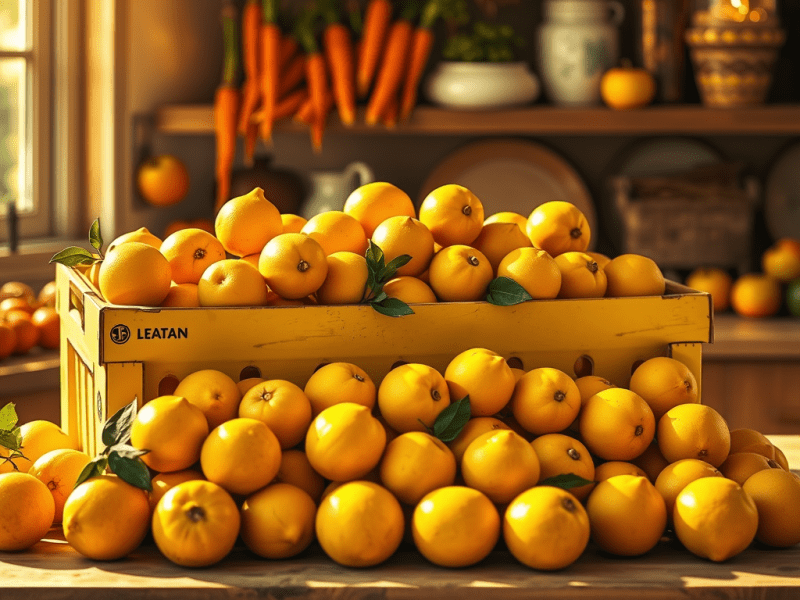
A reflective homesteading essay about turning fifty rescued lemons into food and connection. Learn how small choices and mindful reuse can reduce the 40% of food wasted in America every year.
Ancient Wisdom, Modern Lessons The “Three Sisters” — corn, beans, and squash — show what true collaboration looks like. Rooted in ancient Indigenous wisdom, this companion-planting method isn’t just sustainable; it’s a living model of balance. Corn stands tall and strong, offering the beans a natural trellis. The beans return the favor, fixing nitrogen that…
What is one thing you would change about yourself?
I used to think changing my looks—maybe my hair or my nose—would fix everything and make me happier. But life taught me otherwise. The one thing I’d truly change is how quickly stress hijacks my emotions. Overwhelm turns into impulsive anger when my perfectionism meets chaos. That’s when I feel out of control.
Growing up, I watched a loved one explode over little things like a misplaced tool, a late dinner. He would yell until the air felt thick with tension. I remember my stomach twisting in knots, so tight that I couldn’t eat. I swore I’d never damage my own kids that way, but without tools, I repeated the pattern.
One evening after a brutal workday, my husband mentioned the dishes in the sink. My pulse hammered, chest tightened, and my voice sliced through the quiet kitchen with unfair frustrations. Silence fell heavy; his hurt eyes met mine, regret burning like acid in my throat. We talked it through later, but the sting lingered, echoing that childhood fear of becoming the yeller.
Having children gave me endless chances—both challenges and opportunities—to practice controlling that fire. Their small mistakes and big emotions test my patience constantly. Each time I slip up, I try harder the next day. I use tools like deep breathing to catch my rising anger. Exercising keeps stress in check. I also maintain healthy habits to keep my resilience strong. More than anything, I am learning to stay curious about my own flaws. I keep open, listening carefully to feedback. I try not to shut down or get defensive. It’s slow work, but progress is real.
Yesterday, my 6-year-old came home crabby, slamming his backpack down; I felt my own irritation rising, matching his sharp tone. But I paused—chest rising and falling with deep breaths—while my 2-year-old daughter watched wide-eyed. Kneeling down, I asked what he needed, validating his grouchiness but setting a calm boundary: no yelling. Knowing he craves sensory squeezes, we launched the “burrito game”. I took turns rolling them tight in blanket burritos on the couch, “baked” them with goofy warmth, then “ate” them with tickles. For 15 minutes, their giggles echoed as growls turned to belly laughs, stress melting into connection. The warmth of their laughter filled the room, a vivid contrast to the tension that once dominated these moments. This is what modeling patience looks like—turning tension into play, teaching them emotions don’t have to erupt.
What I’ve realized—and it’s changing everything—is that emotional regulation isn’t about never feeling mad. It’s catching those perfectionist triggers early, breathing through the old patterns instead of exploding. Now, instead of that youthful belief in superficial fixes, I’m building control from within. That shift mends my relationships, breaks my family’s cycle of outbursts, and lets me like the steady parent—and partner—I’m becoming. It’s a gift to my children, showing them that even strong feelings can be met with calm and love, not yelling.
If this story of breaking anger cycles resonates with you, like it. Share it with someone who needs emotional tools. Subscribe for more real-talk on personal growth!
Name your top three pet peeves. Everyone has pet peeves—those small irritations that can silently gnaw at our patience. For me, they reveal more than just frustration; they mark my journey toward empathy and self-awareness. I try hard not to complain because I know I am truly fortunate. I have a life filled with comfort…
It had already been a week that stretched me thin. One of those weeks where fatigue doesn’t just live in your body—it seeps into your spirit. Each day stacked heavier than the last. Even small inconveniences pressed harder than they should have, like tiny weights layered until my shoulders ached. By Thursday, I was frayed…
My mom was in the hospital, I wasn’t sleeping, and the stress had nowhere to go. So I poured it onto my five-year-old son. Every morning before preschool, I’d launch into lectures from the driver’s seat—how he should control his feelings, how he should handle surprises better, how he needed to “do better today.” He…
I slumped against the cold brick wall on State Street at midnight. My eyes were burning from the fight against sleep. The Insomnia Cookie truck’s lights taunted me from afar—unreachable, like the night-owl life I chased in college. That defeat hit hard: forcing the night never worked. Mornings claimed me instead, through the quiet magic of family and focus.
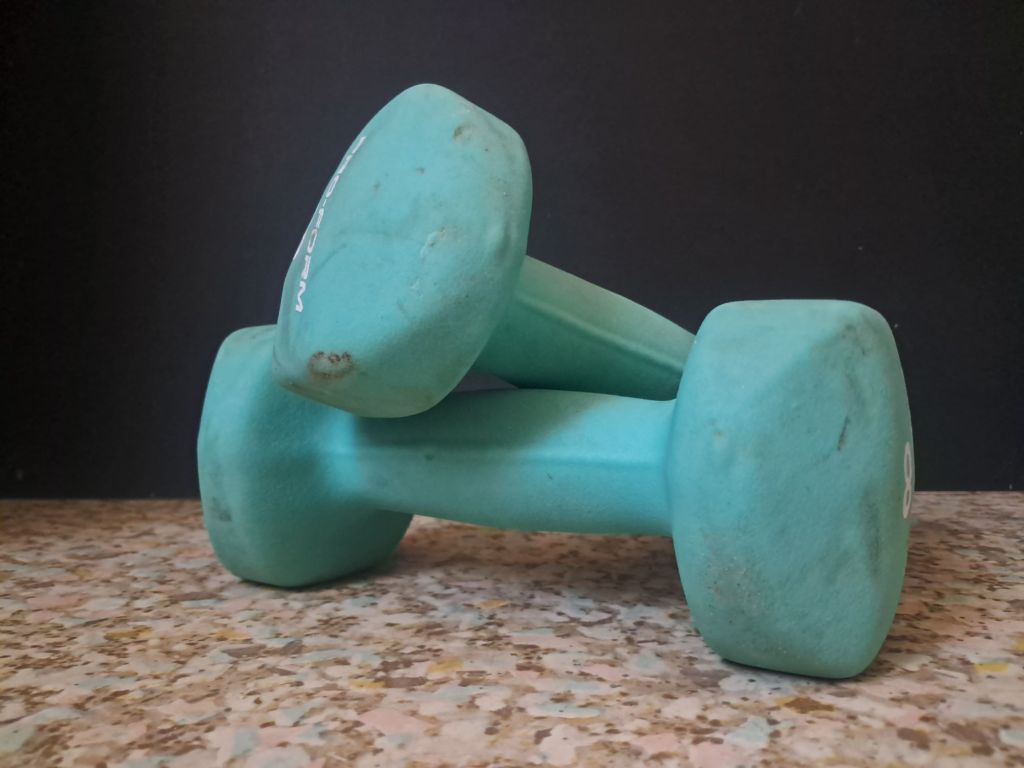
These days, I rise before dawn into our toy-strewn living room. My gym is here amid scattered blocks that anchor me in joy like tiny talismans. My toddler daughter barrels in, giggling through wobbly squats. Her warm breath touches my knee. Chubby hands clutch a pink dumbbell toy as she beams up. It’s pure connection. Her morning spark echoes mine. My six-year-old son might stumble in yawning, like his night-owl dad, before retreating—reminding me how our family’s rhythms blend dawn and dusk in their own gentle harmony.
This ritual stirs more than muscle: in the hush afterward, thoughts spill onto the page, freer than any evening haze. Mornings sharpen my edge, as studies show with brighter moods and steady productivity. Yet it’s those vulnerable dawn bonds that truly sustain, weaving my renewal into family threads.
In this rhythm, I’ve found a profound fit: mornings honor my nature while those playful squats bridge our differences. As my daughter grows and my son claims the nights, these shared sunrises whisper that true vitality blooms where we stop resisting—inviting us each to meet the light our way.
If this resonates with your own dawn (or dusk) vibe, hit like. Share with your fellow early birds or night owls, and subscribe for more slices of real-life rhythm. What’s your morning ritual? Drop it below!
What part of your routine do you always try to skip if you can? Most mornings start with a quiet choice—whether to honor my intentions or give in to my excuses. My routine isn’t rigid; it shifts with the rhythm of life at home. But on the best days, I carve out a few minutes…
If you could live anywhere in the world, where would it be? Before dawn, I awoke to toddler kisses on my cheeks and the faint crow of a rooster calling the day to begin. The scent of coffee drifted through the kitchen as my husband and I eased into the morning. Our six-year-old son stirred…
The first sound I remember from that trip wasn’t birdsong or the crackle of firewood—it was my professor’s baritone voice drifting through a soft Michigan mist. Waking to that unlikely serenade, I understood for the first time that geology wasn’t only about rocks. It was about connection. I was a sophomore then, half-frozen in an…
I sometimes grapple with eating animals I’ve raised and named. Pigs like Spotty loved to root in the muddy corners. The turkey Gobbles strutted proudly in the sunshine. The chickens clucked softly in the evening. I never take it lightly. There is an ache in my chest that tightens when I carry out the hard work of ending their lives. But I would rather face that ache honestly than be complicit in a system that strips animals of dignity, treating them as mere commodities instead of beings. For me, this tension is the price of eating meat with eyes wide open.
Growing up on my family’s dairy farm, caring for animals was part of my daily rhythm. I remember scratching the ear of a steer. He leaned into my touch with surprising gentleness while I broke ice on water troughs in the biting cold. However, even as a kid, we didn’t always eat meat from our own animals. We bought beef from the store, packaged and removed from the lives—or deaths—that put it on the table. That detachment was normal in my world, a quiet dissonance between nurturing life and consuming it anonymously.
It wasn’t until I learned about the horrors of industrial agriculture that my perspective began to shift. Chickens are crammed into tiny cages, cattle are confined in waste-filled feedlots, and pigs are subjected to painful tail docking. The animals I knew from childhood sparked a deep yearning to reclaim a meat-eating ethic rooted in respect and care. Where animals could express their natural behaviors under open skies.
Now, I raise pigs, turkeys, and chickens that roam freely, living full lives before their humane end. Spotty’s joyful mud rooting, Gobbles’s proud displays, and the quiet clucks of layers settling at dusk—all these moments remind me of the life behind the meat. After every harvest, I pause to thank them, honoring their sacrifice and the circle of life in a way that industrial meat production never allows. This act of gratitude is both a balm and a reminder of the weight carried in each bite.
Eating meat remains a negotiation between love and loss, tenderness and necessity. Naming my animals and seeing their personalities has made me confront discomfort rather than avoid it. It’s deepened my gratitude and underscored my responsibility. Though I sometimes wish I could spare each life, I have chosen this path over indifference. In this way, I believe that conscious stewardship is the only ethical way to continue eating meat.
In this balance, I find a measure of peace. I carry my sorrow alongside my meals, never forgetting the lives that nourish me. The choice is not easy, but it is honest. And in that honesty, I find a deeper respect—for the animals, for the earth, and for the tradition of living with awareness rather than denial.
If this essay resonates with your own thoughts on ethical eating, food sourcing, or the farm-to-table life, like it to show support. Share it with fellow homesteaders or omnivores questioning the system. Subscribe for more raw reflections on living intentionally with animals and land.
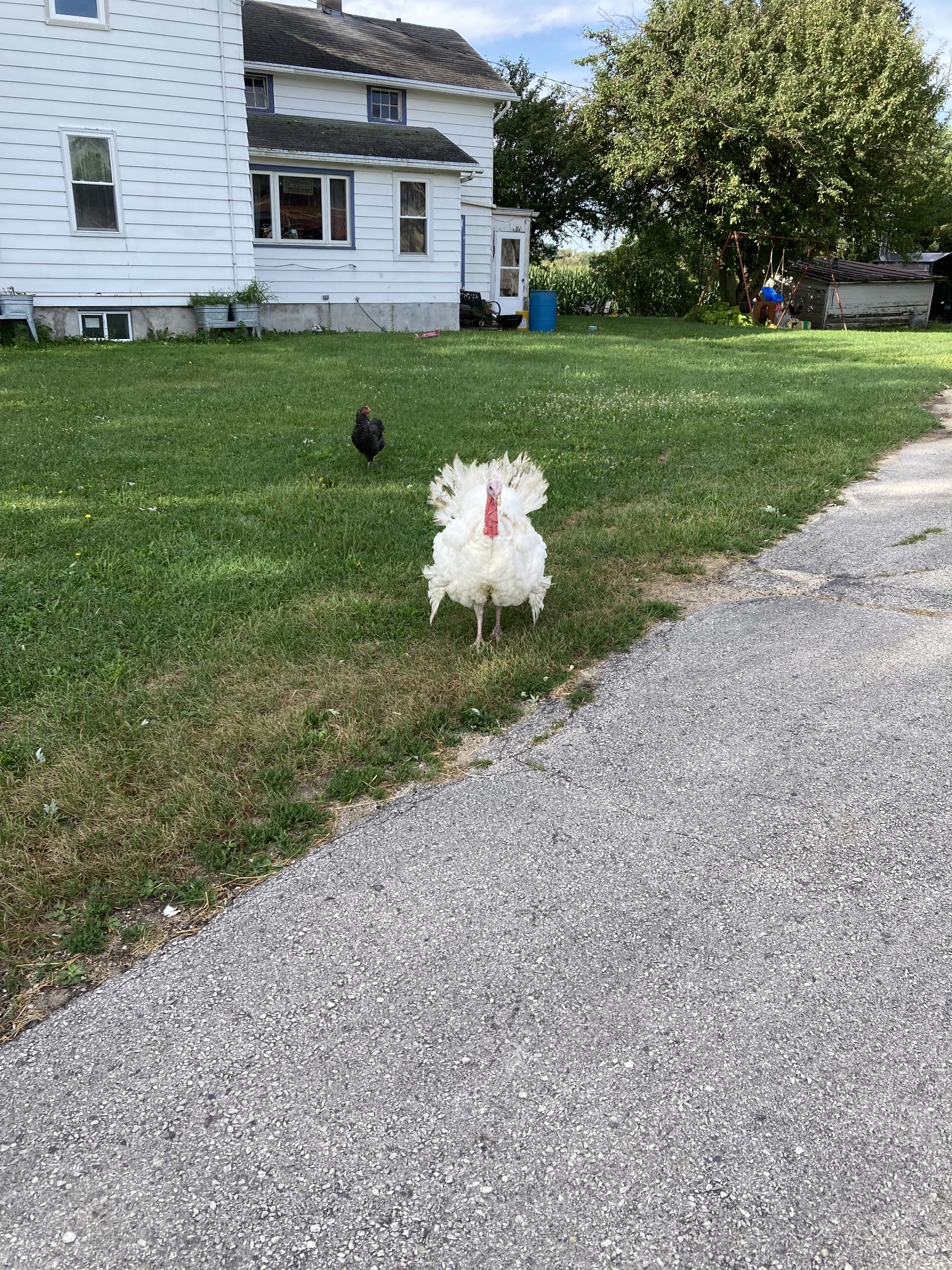
Discover the joys and challenges of raising backyard turkeys in this heartfelt story about patience, humor, and the journey from fluffy poults to Thanksgiving centerpiece. Learn personal lessons and practical insights from a family’s wild turkey-raising adventure.
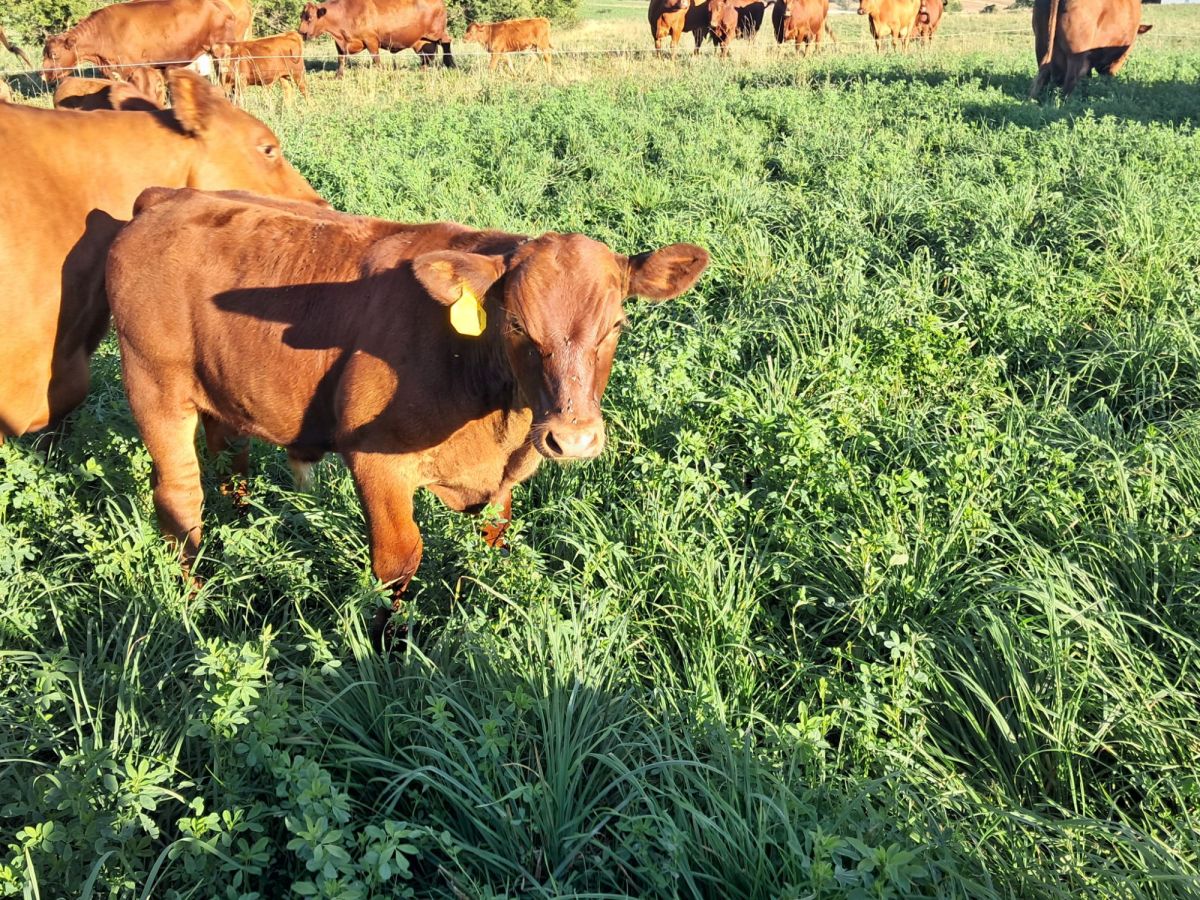
Experience a vivid farm story about rotational grazing, resilience, and regenerative land stewardship through the eyes of a family and their Red Angus herd. Discover how cattle, people, and pasture move together in balance
If you care for animals, you soon learn that joy and heartbreak are neighbors—arriving together, sometimes within the span of a single sunrise. I didn’t set out to be a caretaker, but each creature has reshaped me, leaving lessons that linger long after the shed doors close. Learning Detachment My childhood on a dairy farm…
If clothes could talk, mine would whisper, “Keep it simple, keep it real.” I’ve never dressed to dazzle; I’d like to think my wit and thoughtfulness handle that. My two favorites—leggings and slip-on shoes—form my daily uniform, a quiet stand against pretense that champions ease and presence.
Leggings are my unshakable foundation. No zippers pinching, no seams chafing—they stretch through curled-up reading marathons or frantic errand dashes. Years ago on a snowy first date, my breath fogging the crisp air, I pulled on jeggings to meet the man who’d someday become my husband. Snow boots crunched softly as I crossed the driveway to his truck. We’d known each other for years, but this felt electric. He laughed with me, saw the real me, and fell harder. While others chased one-shoulder dresses that year, my practicality carved space for unfiltered connection.
My slip-on shoes share this no-nonsense vibe. One slide, and I’m out the door: ready for park strolls, meetings, or walking outside during that snowy date, no lace-tying delays. Their worn soles have hugged my steps through decades—unflappable, like the reliability that let our spark endure.
I’ve learned the hard way sometimes that style does have its place. At my bridal shower, I underdressed in leggings and slip-ons. What had felt “nice enough” to me upset a loved one important to the bridal party, who saw rebellion where I saw comfort. That clash reaffirmed why these pieces endure: true style balances self with sensitivity, letting mind and heart lead without alienating.
In the end, these favorites aren’t mere picks; they’re my vote for authenticity. They strip distractions, letting me show up kind, thoughtful, wholly myself. They also prove, as my husband’s grin confirmed back then, the right person always loves the real you, snow boots and all.
What’s your go-to outfit for showing up as your authentic self?
Like if this resonates, share this with others who can relate, and subscribe for more on living unfiltered.
What’s the first impression you want to give people? When I think about the first impression I want to give people now, it connects closely to how much I’ve learned about myself. In my 30-something years, I’ve spent a lot of time shrinking into the background—speaking softly, standing at the edges of rooms, and convincing…
Who is the most famous or infamous person you have ever met? It’s funny how one small moment can stick with you for years—the conversation you didn’t have, the voice you didn’t use. Some might say I live a quiet, even isolated life. The most well-known person I’ve met—depending on your politics—is Representative Glenn Grothman,…
When I pulled open the long-forgotten box of clothes, I expected nothing more than sweaters and dresses that hadn’t seen daylight since before we moved. Instead, I uncovered an archive of myself—fabric woven with memory and identity, versions of me I thought I’d misplaced in the blur of motherhood, upheaval, and quiet reinvention. Threads I…
What technology would you be better off without, why?
What if I unplugged everything—just one day—and watched my farmstead world grind back to its raw roots?
Sun crests the barn at 5:45 am. No alarm jolts me; instinct pulls me up. We feed the animals, hauling water, grinding feed. We dress kids by fading lantern glow. Husband carries our daughter down the grassy footworn path to Grandma’s. I hitch the old wagon, walking our son two miles to school through dust and dawn chatter—no 10-minute car hum.
Home, I’d scrub laundry in the tub, no machine whirl. Meals bubble over wood fire, not Crock-Pot ease. Bread dough yields to muscle on the oak table, sans Kitchen Aid. No working outside the home for me. Husband swings scythe and shovel where tractors rule now; breakdowns mean hammer, anvil, firelight fixes. We could do it all—generations did. But tasks balloon from minutes to hours, bones aching, daylight devoured.
Reality snaps back: technology saves my soul. Remote work keeps me here for first words, bus arrivals, story hours no commute steals. Farm machines turn brutality into rhythm, sustaining us without wrecking backs. Humans thrived millennia hauling water, grinding grain by hand. Yet why suffer when tools free us for laughter, learning, presence?
Smartphones, though—these pocket tyrants I’d temper first. Last week, a ping ripped me from our son’s magnatile tower mid-build. “Just one email,” I thought. Half an hour vanished, his glee stolen.
Notifications shred focus; feeds erode dinner talk; blue light robs sleep. We’d survive without them, grit conquering all. But boundaries—silent family hours, apps locked post-8—restore what tech should amplify.
No full unplugging for us. We’ve glimpsed the raw possible, but embracing tools with fierce reins honors ingenuity and roots. Here on the farmstead, kids’ laughter rises under starlit skies: progress, bounded, yields the richest harvest.
Like this glimpse into farm life? Hit subscribe for more raw stories on tech, family, and finding balance—never miss the next harvest of thoughts. Share with a friend wrestling their own screen habits, and drop a comment: What’s your pocket tyrant?
If you could meet a historical figure, who would it be and why? If given the chance to meet any historical figure, I would choose not a famous leader or thinker. I’d choose to meet my own ancestors in both Germany and Austria between the 1850s and 1870s. These were ordinary people facing an extraordinary…
Stone by stone, a farmer’s patient craft built more than a wall – it built a legacy. Discover a story of endurance, purpose, and quiet strength that still stands a century later.
Discover the forgotten history behind three thousand attic nails once used to dry corn. A heartfelt reflection on heritage, hard work, and the enduring rhythm of farm life.
What’s the hardest decision you’ve ever had to make? Why?
I walked the yard one last time, tracing fences and trees like scars on a lover’s skin. It’s crazy how something that once felt so familiar can suddenly feel worlds away.
The Drive That Broke Me That two-hour drive home from Christmas just dragged on. My husband kept saying, “Our son needs cousins nearby, grandparents around the corner. Your parents aren’t getting any younger. And that family diagnosis… it’s time we really thought about what matters most.”
His words kept piling up, like snow drifting over all those years we’d spent here. I was holding tight to this quiet rural life. Meanwhile, he quietly pulled away, and the distance between us grew every year.
Roots I Couldn’t Uproot I loved this land—finally had friends, a house that felt like mine after all that searching.
He never really settled. For him, this place felt more like a cage than a home.
The Moment Everything Changed That family diagnosis had been hanging over us, but what really broke me was Christmas at his parents’ house. Everything felt tight, forced—smiles stretched thin, pauses filled with unspoken tension. Our son didn’t know quite what to make of it all.
On top of that, my parents’ health kept slipping. The spaces in our family were widening. Staying meant risking losing them all.
The Yes That Broke Me We didn’t say much that night. The silence carried everything we couldn’t put into words. Finally, I just whispered, “Okay.”
No more tears left—just that stunned quiet as I wandered the yard, trying to soak in every curve, knowing I was letting go.
How It Changed Me Leaving meant giving up on solitude and peace for family and chaos—but honestly, no regrets.
Now, I watch our son laugh and play in his grandparents’ arms. I’ve held my parents through their darker days and welcomed our daughter into this tight-knit fold.
Sometimes love means stepping back to grow deeper roots—roots that grew stronger because I chose family over place. And yeah, I still miss the quiet sometimes. But this? This is home.
If this story hits close to home or sparked something for you, like, share it with someone facing a tough choice, and subscribe for more real-talk reflections on life’s big turns.
Do you or your family make any special dishes for the holidays?
Flour-dusted hands trembled over a bowl at 3 a.m., measuring cups snapping in the silent kitchen. Everything was a desperate attempt to summon my mother from the hospital. An undiagnosed intestinal blockage had her rejecting even water.
The family lineage traces to heavy German roots. My father’s ancestors came from Austria in the 1870s, my mother’s from northern Germany in the 1850s. Her kranz kuchen recipe endures from her grandmother’s penciled cards. Yeasted dough rolled thin, layered with my dad’s foraged hickory nuts, chopped dates, cinnamon, and brown sugar. Twisted into crescents, baked golden, and glazed, dozens emerge each year for us six daughters, neighbors, and church friends, embodying a quiet hospitality.
Last Christmas, that rhythm fractured. Hospitalized, she could not retain food; us sisters started a text string, asking one question. “What if they never pinpoint the cause?” No flour clouds rose, no yeasty warmth filled the air—only silence amplifying the dread of a holiday without her.
Insomnia seized the nights. Each fragmented update jolted awake any fragile rest. Kneading became refuge: egg yolks merging into warm, proofed milk and yeast, the dough yielding beneath palms like hope taking form. As it rose under a towel, yeast’s scent enveloped the darkness. Folding in the nuts, dates, and spice, then rolling and shaping crescents, the hands of generations guided mine.
The oven’s glow dispelled shadows; caramelized sugar perfumed the halls. Frosting traced uneven paths, mirroring hers. Those crescents transformed rupture into resilience.
A single bite of spice-laced crumb now evokes my dad’s meticulous toil, my mother’s assured fold, my midnight vigil—a resilient pastry proving adversity does not sever us but reshapes us, crescent intact. She recovered. The tradition persists. We endure.
If this story of family tradition and quiet strength resonates with you, like this post. Share it with someone who needs a reminder that resilience often starts in the kitchen. Subscribe for more heartfelt essays on heritage and hope.
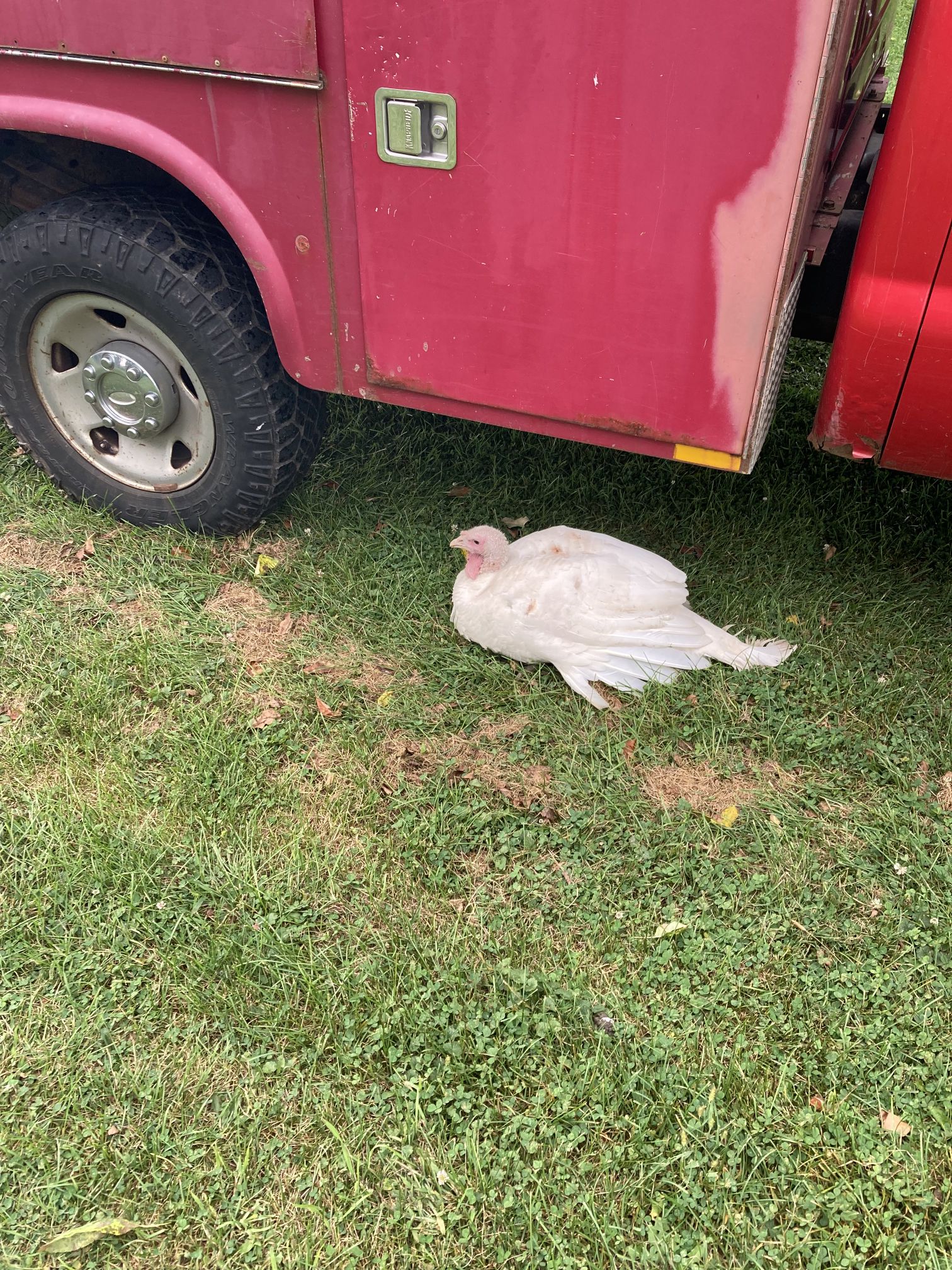
Gobbles, our forty‑pound turkey, once refused to move for the lawnmower. My husband drove closer, then closer still, waiting for the bird to do the sensible thing. Gobbles didn’t budge, and that’s how we ended up with a turkey‑shaped patch of unmowed lawn—a small, stubborn monument to the wild experiment we’d started in our backyard.
A New Chapter in Backyard Farming
Chickens had already shown me that birds can be both hilarious and mean. Ducks had proven that cuteness and filth can happily coexist. A few years ago, after reading about a woman who raised her own Thanksgiving turkeys, I realized I wanted to go further. When our local hatchery couldn’t source ducklings one spring, it was a minor inconvenience. This became the excuse to bring home three turkey poults instead.
From Basement Brooder to Outdoor Coop
This time, my husband handled pickup duty. He arrived with a box of peeping chicks and poults. Their arrival turned the whole house electric with anticipation. The brooder—a repurposed water tank in our basement—waited with a heat lamp, water, feed, and a lid to contain the chaos. At first, the turkeys were only slightly larger than the chicks, all of them fluffy and awkward. Within days, though, the turkeys started to pull away. They doubled in size, then doubled again. It seemed their entire job was to eat, drink, and poop as efficiently as possible.
We lost one poult early on for reasons we never understood, and the sudden shift from three to two landed harder than I expected. It was a quiet, early lesson in how fragile life on a small farm can be. Of the survivors, one always had his feathers sticking out at odd angles, so we named him Gobbles, a little wink to anyone who’d seen South Park. The smaller bird became Jennie, after the frozen turkey brand that had defined “Thanksgiving” for us before we raised our own.
Gobbles
By early May, the brooder was bursting, and everyone was ready for fresh air. We tried separating the turkeys from the chickens that first night outside, but the noise they made made it clear we were fighting a losing battle. After one loud, sleepless experiment, we moved everyone into our mobile chicken coop and let them sort it out. During the day, they roamed the yard as a mismatched flock, and each evening they filed back into the coop like feathered commuters, jostling for their preferred spots.
Jennie
Personality Plus: Turkeys vs. Chickens
Living with both species at once made their differences obvious. The chickens were efficient, slightly tyrannical little dinosaurs. The turkeys seemed to have missed out on common sense entirely. On Memorial Day weekend, a big storm rolled in; the chickens headed straight for shelter, while the turkeys stood in the downpour, soaked and squawking as if the rain were a personal insult.
My husband and I slogged around in the storm, alternating between laughing and swearing as we scooped them up and shoved them under cover. We were half convinced they might drown standing there or draw an eagle with all that frantic noise. By summer, their physical transformation matched their larger‑than‑life behavior. If the chickens were little dinosaurs, the turkeys were the T‑rex cousins. After about four months, Gobbles weighed around forty pounds and Jennie about twenty‑five, and both strutted like they owned the place.
Rising Stakes: Growth and Pecking Order
Gobbles clearly saw himself at the top of the pecking order, inserting his bulk into whatever drama unfolded among the hens. Jennie, despite her smaller size, regularly put the roosters in their place and even bloodied one during a particularly heated round of dominance negotiations. The same birds that made us laugh with their antics were always moving toward the date we’d circled on the calendar. Around the five‑month mark, butcher day arrived—never something we looked forward to, but the reason we’d brought them home.
Butcher Day: The Hardest Part of the Journey
My husband handled the hardest part. Once it was done, I thanked the turkeys out loud before joining the work of plucking, stepping away now and then to check on the kids. Our five‑year‑old surprised me by wanting to help, his small fingers well suited to grabbing stubborn feathers, and I felt a brief tug between pride and discomfort as I let him join in. My husband’s father arrived and the day settled into a rhythm: music playing, adults talking, drinks in hand, hands busy. The work was still heavy, but it felt shared, almost like a ritual we were inventing as we went.
By the end, we had one dressed turkey at about thirty pounds and another around twenty, lined up for the freezer like oversized, deeply personal trophies of our effort.
Preparing the Turkey for the Table
I hauled Gobbles from the freezer about a week before Thanksgiving. I set him to defrost in our unheated upstairs. He loomed silently every time I walked past. Each glance reminded me of the fluffy, clumsy poult he had been. It also brought back the long, messy chain of chores that had brought him there.
Two days before Thanksgiving, I mixed a simple brine with salt, sugar, Worcestershire, garlic, and pepper. I discovered that the only vessel big enough was our turkey fryer, minus the basket. It was a ridiculous fit, but it worked. On Thanksgiving morning, we got up early, drained the brine, patted Gobbles dry, rubbed him with salt and oil, and wedged him into a large Nesco roaster so tightly we had to shove his legs down to close the lid. Then we poured in four cans of Miller Lite and turned our attention to the rest of the meal.
Waiting for that turkey to cook felt tense and nerve-wracking. It was like waiting for an exam grade posted in front of the entire extended family. Fifteen people, one bird, no backup plan if it turned out dry or oversalted. As the scent of beer, garlic, and roasting fat filled the house, my anxiety loosened its grip. It shifted into something closer to anticipation. Even if it wasn’t perfect, it was already unforgettable.
Thanksgiving Dinner: More Than Just a Meal
When we finally gathered around the table, Gobbles was as much story as food. As everyone carved off pieces, we traded memories of his lawnmower standoff. We recalled his attempts at intimidation. We laughed at the way he used to lumber after the flock like a confused bodyguard. Conversation took on the tone of a slightly irreverent eulogy as we honored his life in the most direct way possible. We ate the bird who had once stood his ground against a mower and won. It was the best turkey I’d ever tasted, not because it was flawless, but because we knew every step that had led to that plate.
Lessons Learned and Lasting Memories
Looking back, those turkeys demanded patience when they outgrew every space we gave them. They taught us humility when plans went sideways. We needed a sense of humor. We found ourselves sprinting through rainstorms to rescue birds that were too bewildered to seek shelter. They pulled Thanksgiving out of the grocery store freezer and dropped it squarely into our own backyard. I don’t know if I’ll raise turkeys again. Every November, when I see a frozen Jennie in the supermarket, I remember Gobbles and Jennie. I think about the stubborn patch of lawn out back. I recall the season when our holiday centerpiece had a personality—and a history—all his own.
If you’ve raised turkeys or other backyard poultry, share your stories, challenges, or favorite moments in the comments below! What surprises did your birds bring? What tips would you pass on to someone thinking about raising their own turkeys?
If you enjoyed this story, please like it. Share with your fellow backyard farmers. Subscribe for more honest, practical tales and tips from life on a small farm. Your support helps us keep these stories—and the learning—coming!





 Practical Homesteading