Tag: camping with kids

  • 5‑Day Upper Peninsula Family Road Trip Itinerary (With Kids)

    5‑Day Upper Peninsula Family Road Trip Itinerary (With Kids)

    If you’re dreaming about taking your family to Michigan’s Upper Peninsula, here’s the exact 5‑day Upper Peninsula family road trip itinerary we followed with our 2.5‑year‑old and 6‑year‑old. We camped most nights, kept drives manageable, and built in plenty of kid‑friendly stops.

    We booked our campground reservations ahead of time through the state and local park systems, which made it easier to relax and not worry about finding last‑minute sites once we were on the road. The region is full of lakes, forests, and mining history, and it’s a great alternative to more crowded tourist areas.


    This post is part of our 5‑Day Family Road Trip Series.
    We took our family of four (kids ages 2.5 and 6) on an 800‑mile road trip from southeastern Wisconsin to Michigan’s Upper Peninsula, camping most nights and keeping our total cost under $1,000. If you’d like to see the whole picture, check out the other posts in this series:

    You’re currently reading: Our Upper Peninsula Family Road Trip Itinerary (5 Days with Kids).


    Day 1 / Night 1: Green Bay, Wisconsin

    We drove from southeastern Wisconsin to Green Bay (about 2 hours), stayed with good friends, and had pizza for dinner. This first evening was intentionally simple: a shorter drive, familiar faces, and an easy meal.

    Day 2 / Night 2: Palms Book State Park and Marquette

    We drove about 3 hours to Palms Book State Park to see Kitch‑iti‑kipi, the “Big Spring,” with its glass‑bottom viewing raft. From there, we continued about 2 hours on to Marquette, Michigan. We camped at Tourist Park Campground, where the kids could burn off energy on the playground while we set up camp.
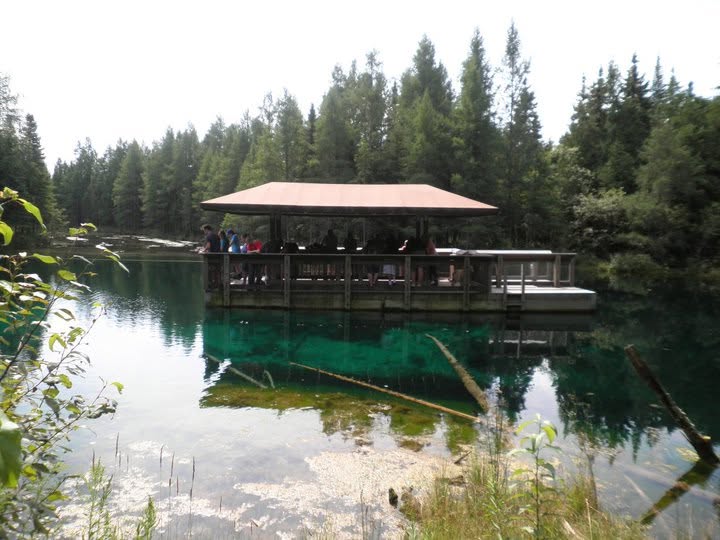
    Kitch-iti-kipi and the crystal clear water in Palms Book State Park.

    This day blended driving with a memorable natural stop and playground time, which helped keep the kids balanced.

    Day 3 / Night 3: Marquette, Ishpeming, and Lake Linden
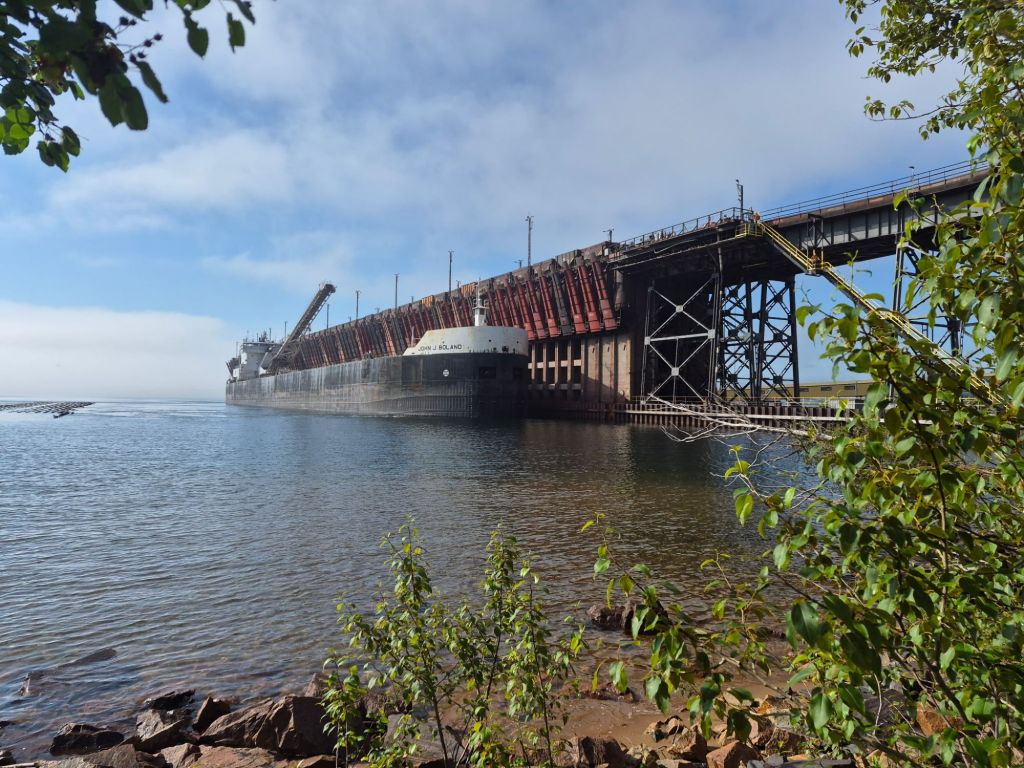
    Ore dock loading iron ore in Marquette, Michigan.

    We spent a slow morning in Marquette watching the ore dock and a ship being loaded with iron ore from the overhead trains. Then we drove about 20 minutes to Ishpeming, Michigan, to tour the Cliffs Mine, giving us all a chance to learn more about the area’s mining history. After the tour, we continued about 2 hours northwest to Lake Linden, just beyond Houghton/Hancock. We camped at Lake Linden Campground.
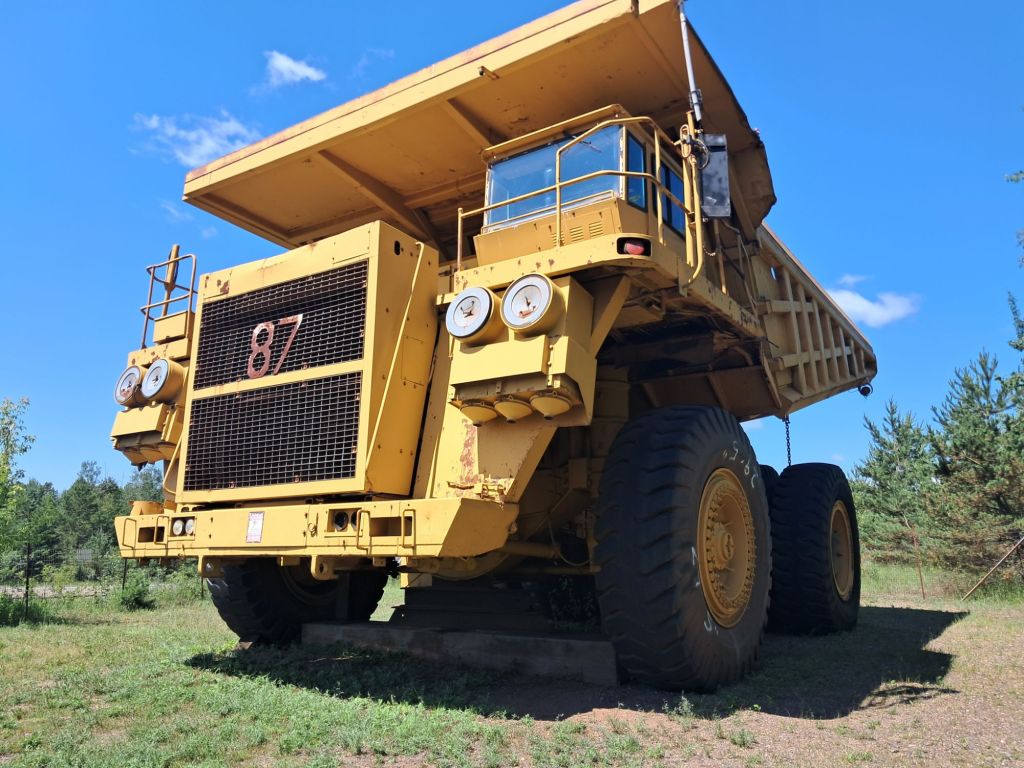
    An old mining truck that is now on display at Cliffs Mine Museum in Ishpeming, Michigan.

    The mix of industrial scenery, hands‑on learning, and a quieter campground made this day feel full but not frantic.

    Day 4 / Night 4: Hancock, Quincy Mine, and Porcupine Mountains

    We drove around the Keweenaw Peninsula, visiting an old lake sediment dredge and copper processing site—visual reminders of the region’s mining past. We toured the Quincy Mine, another highlight for both kids and adults. We hadn’t booked our tour in advance and got lucky with availability; for future trips, we’d recommend reserving Quincy Mine tickets ahead of time, especially in busier seasons.
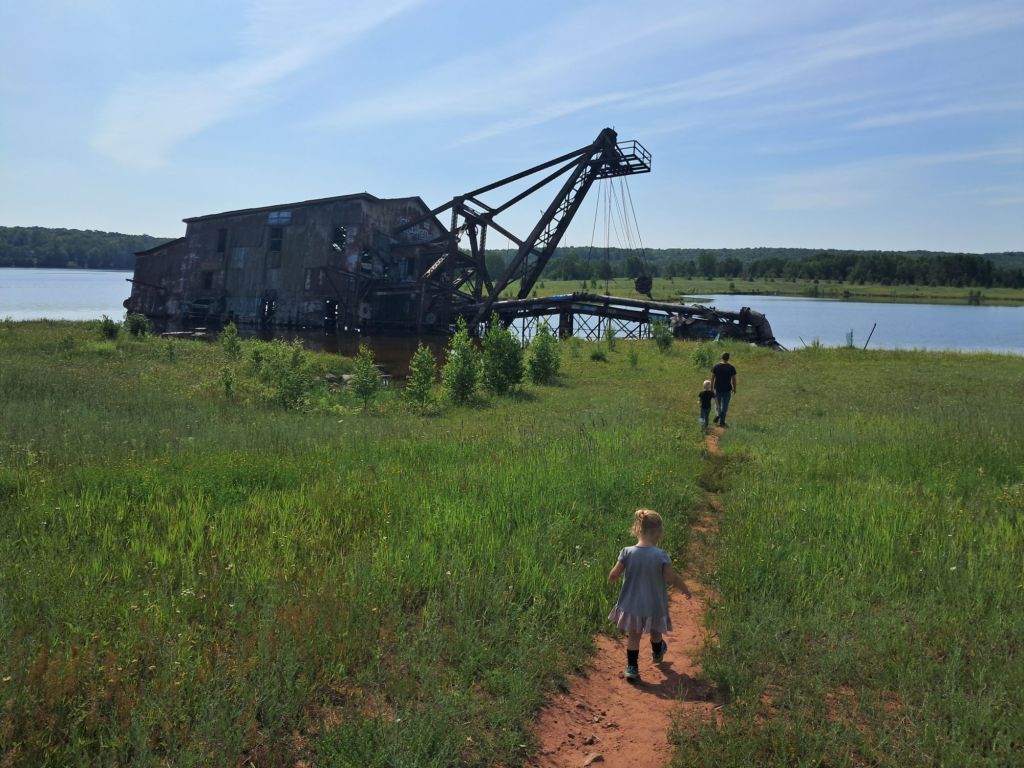
    We explored an old dredge that was abandoned near Hancock, Michigan.

    We stopped at Keweenaw Brewing Company for a flight of beers (parents’ treat), then headed about 1.5 hours south to Porcupine Mountains State Park and watched the sunset over Lake Superior after setting up camp.

    The sunset at the Porkies was one of the emotional peaks of the trip: simple, beautiful, and shared as a family.
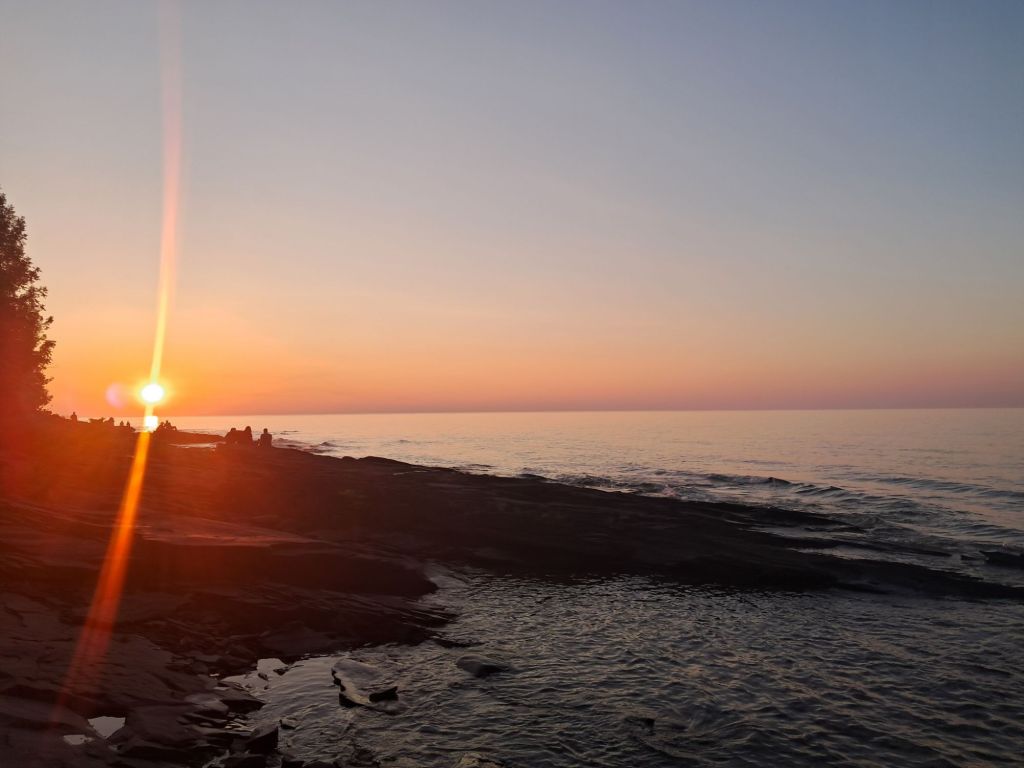
    Sunset over Lake Superior

    Day 5 / Night 5: Porcupine Mountains, Wakefield, and Council Grounds

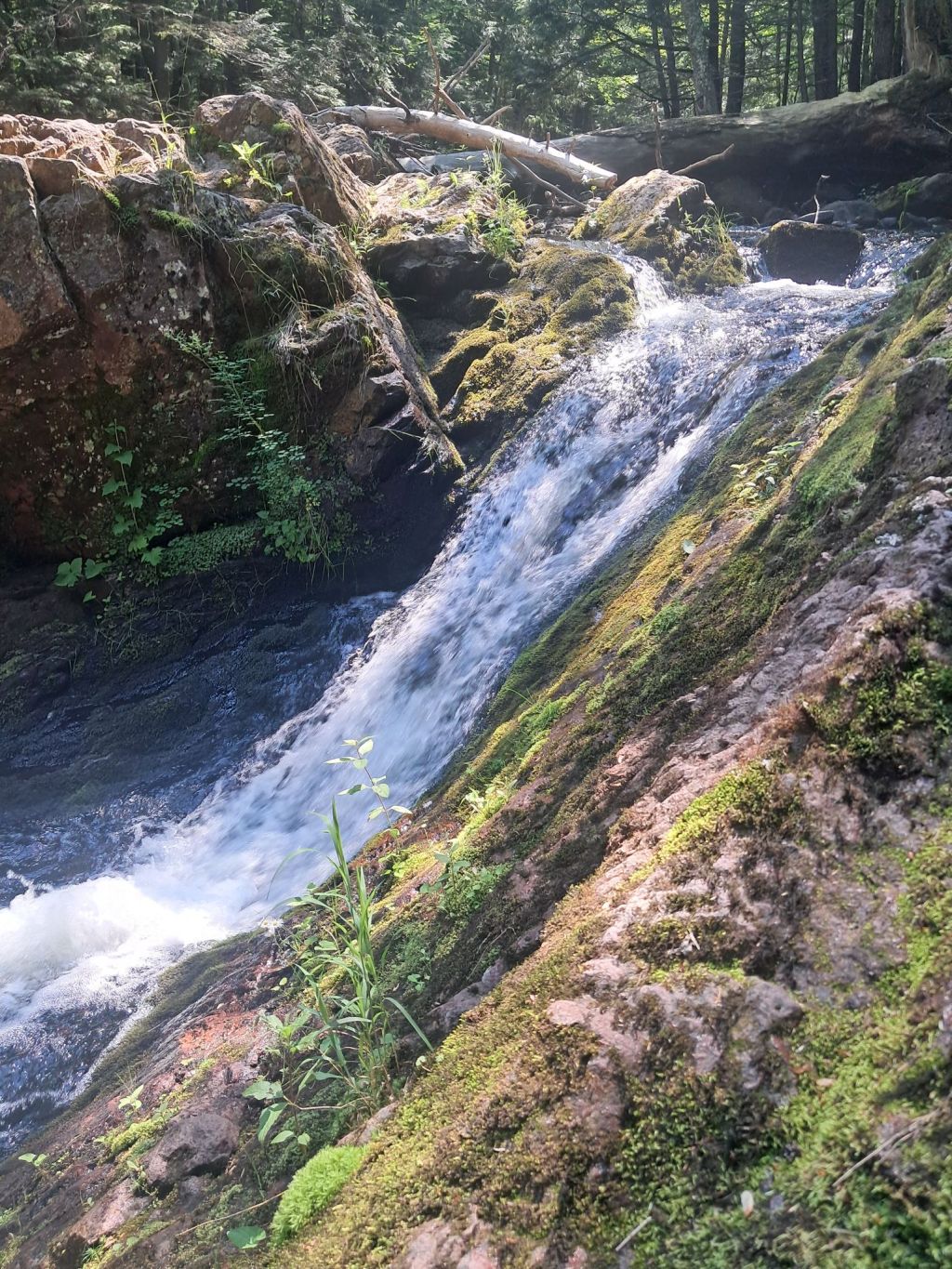
    We spent the morning exploring the Porcupine Mountains—sights, overlooks, and waterfalls. On our way south, we grabbed pasties in Wakefield, Michigan, a local staple. We drove back into Wisconsin to Council Grounds State Park (about 3 hours away), where we went swimming above the dam in the Wisconsin River.
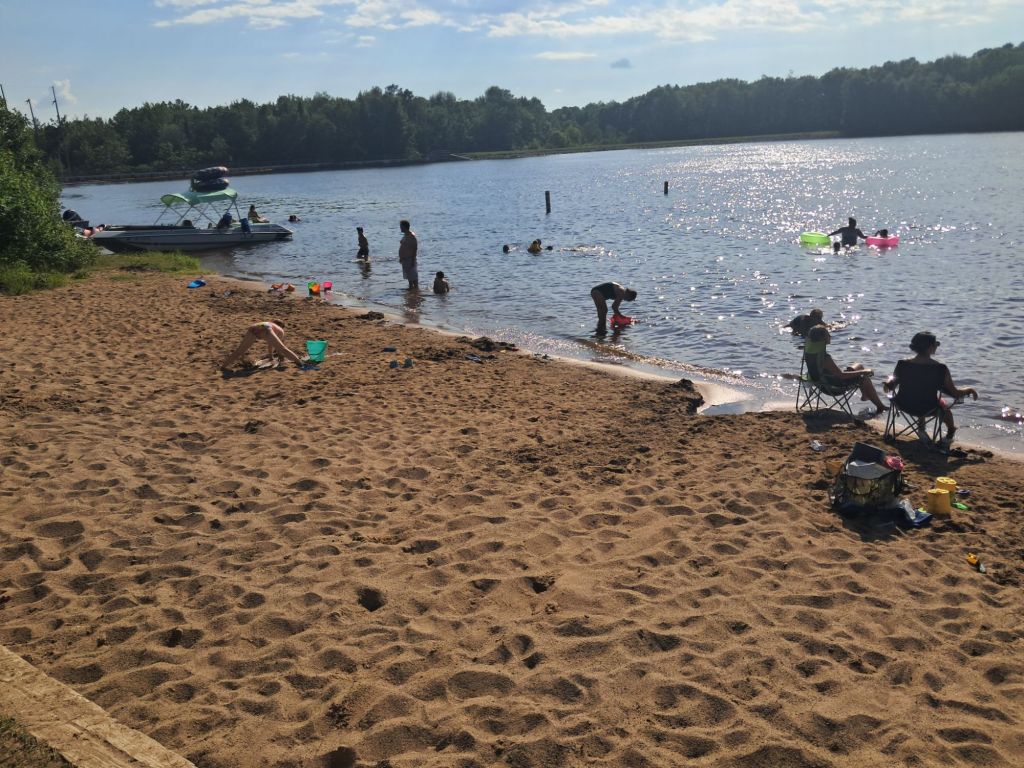
    Swimming in Council Grounds State Park.

    This was a high‑activity day, heavy on nature and movement, which worked well after several driving days.

    Day 6: Stevens Point and Home

    We enjoyed a slow morning at Council Grounds State Park. Then we stopped in Stevens Point (about 1 hour away) for a picnic lunch by the water at Iverson Park. Finally, we finished the roughly 2‑hour drive home to southeastern Wisconsin.

    Ending with a relaxed morning and a picnic kept the return from feeling abrupt.

    Why This Itinerary Worked for Us

    • Drives were broken up by playgrounds, parks, and tours, so the kids weren’t stuck in the car all day.
    • We alternated high‑activity days (waterfalls, mine tours) with slower ones (scenic viewing, playground time).
    • The route offered natural beauty, industrial history, and kid‑friendly stops without expensive theme parks.
    • Booking campgrounds ahead of time removed a layer of stress, while leaving some flexibility (like our Quincy Mine visit) for serendipity—though next time, we’d reserve that tour in advance too.

    This Upper Peninsula family road trip with kids worked well for our 2.5‑year‑old and 6‑year‑old. Use it as a starting point, and don’t be afraid to swap in your own favorite parks or small towns along the way.


    Planning your own version of this trip?

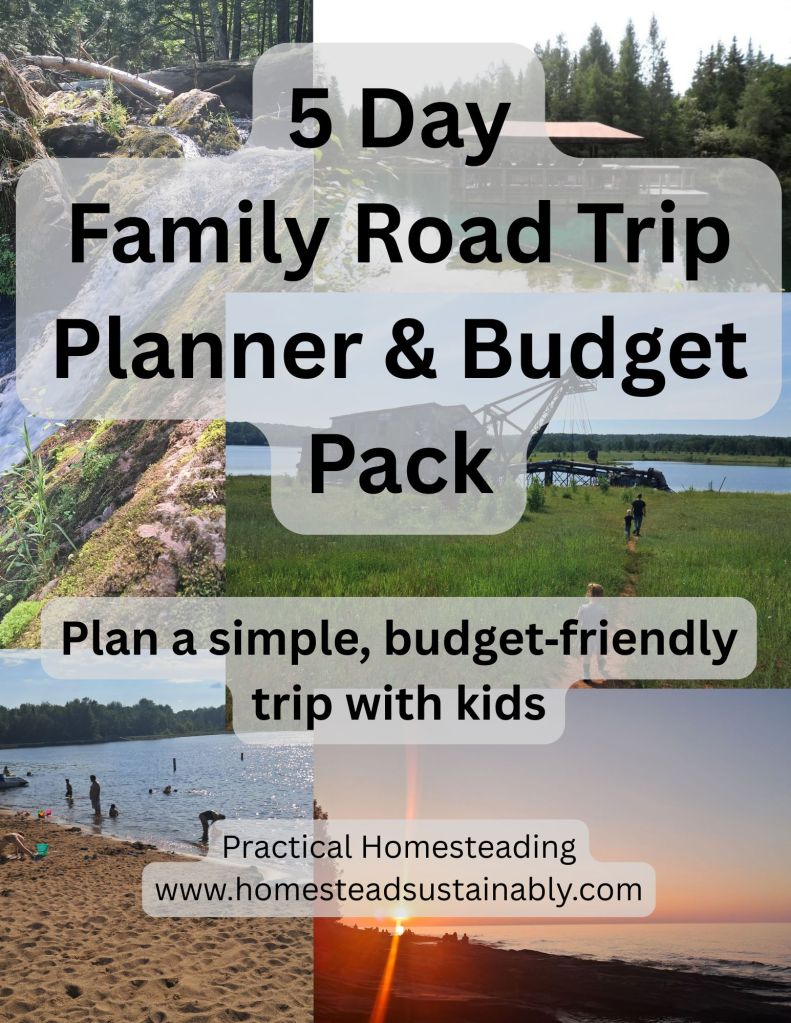
    I put together a printable Family Road Trip Planner & Budget Pack with a 5-day itinerary planner, budget worksheet, packing checklist, and meal planner to make the process easier.

    Have you taken your kids to the Upper Peninsula or somewhere similar? Share your favorite stops—or what you’d add to this route—in the comments.

    And if you know a family planning a UP trip, send this itinerary their way!

    Read More: Signed House Contract at Used Car Lot-On Our Honeymoon Trip to Alaska
  • How Our Family of Four Took a 5‑Day Road Trip for Under $1,000

    How Our Family of Four Took a 5‑Day Road Trip for Under $1,000

    My family of four recently took a 5‑day, 800‑mile budget road trip from southeastern Wisconsin to Michigan’s Upper Peninsula—and spent under $1,000. Here’s our exact budget and the choices that made it possible.


    This post is part of our 5‑Day Family Road Trip Series.

    We took our family of four (kids ages 2.5 and 6) on an 800‑mile road trip from southeastern Wisconsin to Michigan’s Upper Peninsula, camping most nights and keeping our total cost under $1,000. If you’d like to see the whole picture, check out the other posts in this series:

    You’re currently reading: How Our Family of Four Took a 5‑Day Road Trip for Under $1,000.


    Trip Overview

    We traveled with our 2.5‑year‑old daughter and 6‑year‑old son, camping most nights and staying with friends for one night. Our route took us through Green Bay, Marquette, the Keweenaw Peninsula, the Porcupine Mountains, and back home via central Wisconsin.

    I didn’t set out with a specific budget target in mind; I simply tracked expenses along the way. Looking back at the numbers showed us what really helped keep costs down.

    Our Budget Breakdown

    Here’s how our costs shook out for 5 days:

    • Lodging (4 nights camping in state and local parks, 1 night with friends): $156
    • Food (mostly groceries: sandwich supplies, snacks, beer, campfire dinners): $404
    • Gas (2018 Subaru Crosstrek, about 32 miles per gallon): $101
    • Entertainment and souvenirs (mine tours, a brewery flight, small treats): $195

    Total for 5 days, family of four: $856.

    Under $1,000 is still a significant amount of money, but for us, it felt like a good balance between keeping costs reasonable and enjoying meaningful experiences.


    Want a printable version of this planning process?

    I made a simple 5-Day Family Road Trip Planner & Budget Pack with a budget tracker, itinerary planner, packing checklist, and meal planner. It’s designed to help families plan a road trip without starting from scratch.


    Tips That Helped Us Keep Our Family Road Trip Under $1,000

    Each of these decisions ties directly to one of our main expense categories—lodging, food, gas, and entertainment.

    Camp instead of hotels for most nights.
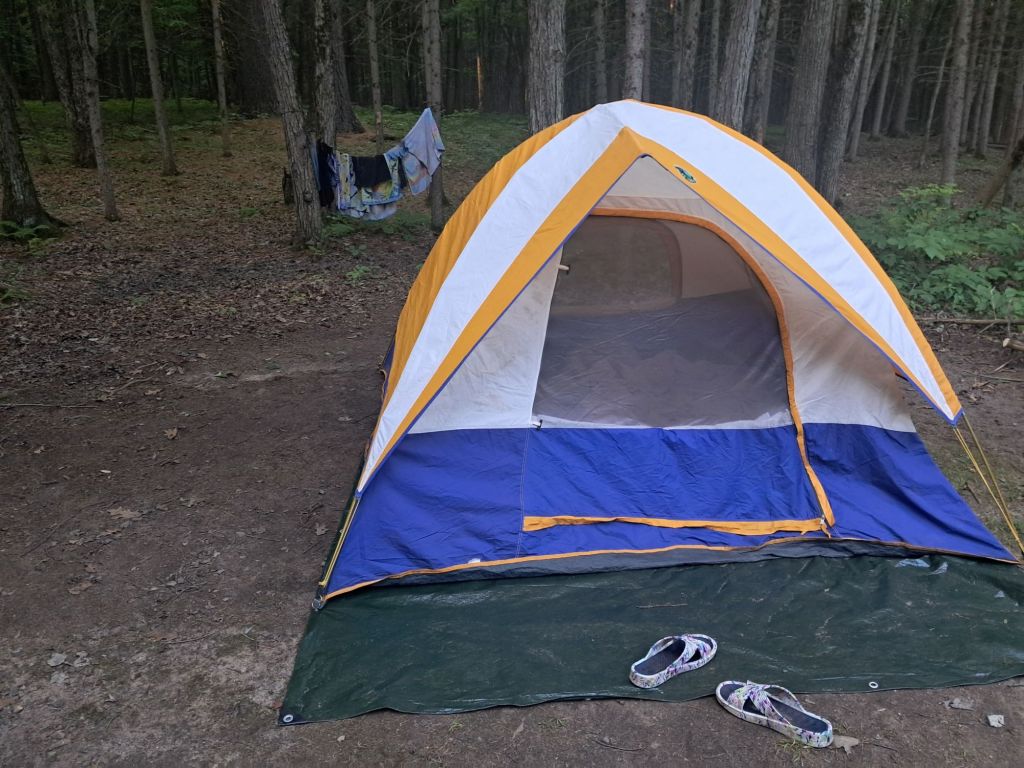
    Four nights in state and local parks kept lodging costs low and gave the kids built‑in playgrounds, nature time, and playmates.

    Our camping setup

    Cook most dinners at camp.
    Rotisserie chicken, tacos, potato hash, and a simple jambalaya made from a dehydrated mix and hot dogs were all easy to cook over a camp stove or fire. Groceries cost less than restaurant meals, especially for a family of four.

    Jambalaya, one of the camping dehydrator meals we made ahead of time and rehydrated at the campsite.

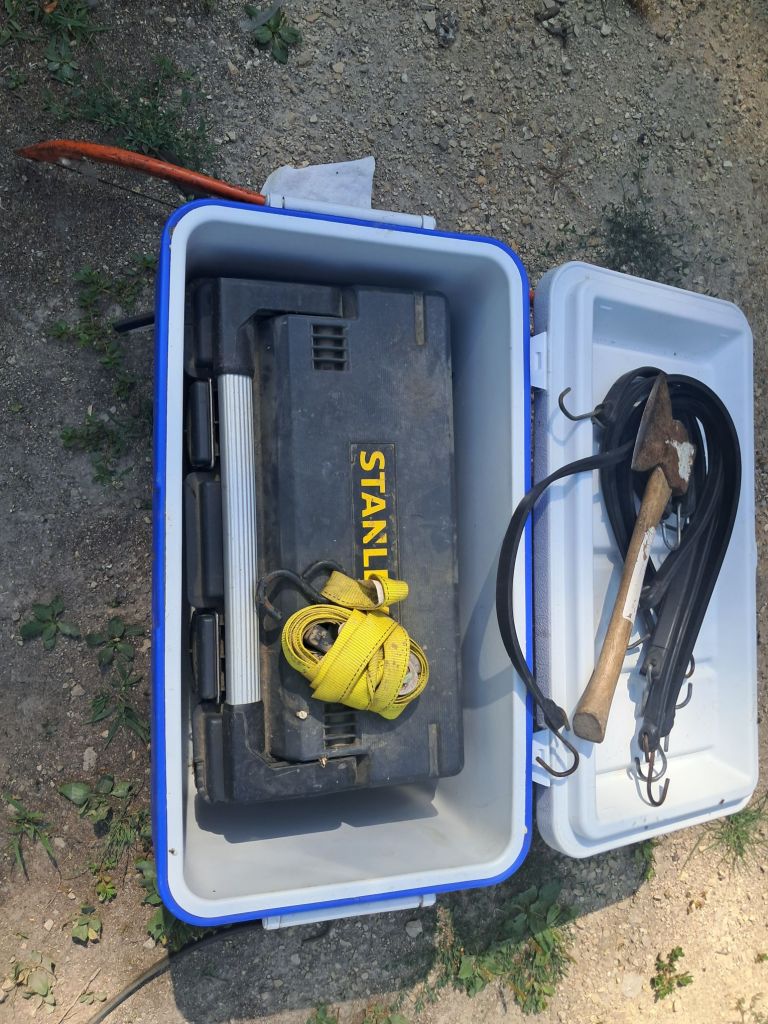
    Pack an “oh no” box.
    My husband, an auto mechanic by training, packed a box with basic tools, tow straps, and a simple code reader. We never needed it, but knowing we could handle minor roadside issues kept us from feeling pressured into extra services “just in case.”

    Our “Oh No” box, with simple tools that would help us if we had trouble on the road.

    Choose a route with low‑cost, high‑value stops.
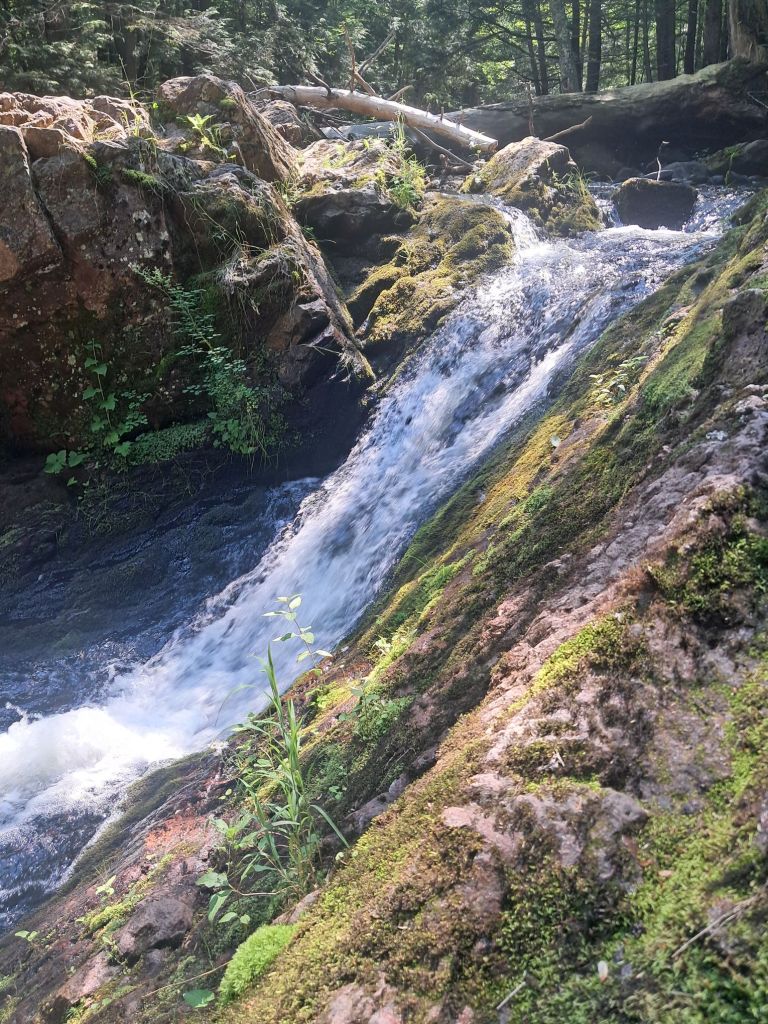
    State parks, playgrounds, scenic ore docks, mines, waterfalls, and lake views gave us plenty to do without pricey attraction tickets every day.

    Overlooked Falls in Porcupine Mountains State Park

    Let kids help with camp setup and fun.
    Our puzzle‑piece floor mat became a nightly “game,” and s’mores and playgrounds turned simple evenings into memorable ones.

    Have a contingency plan for bad weather.
    We agreed that if it poured, we’d grab a hotel instead of pushing through miserable camping. We didn’t end up needing that backup, but it helped us relax while still budgeting primarily for camping.

    A Quick Look at Our Route

    Here’s a short overview of where we went each day:

    • Night 1: Drive to Green Bay, stay with friends.
    • Day 2: Palms Book State Park and Kitch‑iti‑kipi; camp in Marquette.
    • Day 3: Ore dock in Marquette, Cliffs Mine in Ishpeming, camp near Lake Linden.
    • Day 4: Hancock and old industrial sites, Quincy Mine tour, camp and sunset at Porcupine Mountains State Park.
    • Day 5: Porcupine Mountains waterfalls, pasties in Wakefield, camp at Council Grounds State Park.
    • Day 6: Slow morning, picnic in Stevens Point, then home.

    If you’d like a detailed day‑by‑day itinerary, I’ve written that up separately and will share it here when it’s posted.

    What It Was Like with Young Kids

    We definitely had moments where the kids had too much car time—every parent knows that special brand of restlessness. Spotify playlists (mostly ’60s–’80s music), “I spy,” conversations about the sights outside, and lots of science, history, and mining talk helped turn those stretches into shared experiences instead of just “Are we there yet?” loops.

    I’ll cover our car‑time strategies in more detail in another post, but the short version is: simple games, engaging conversation, and familiar music go a long way.

    A Few Caveats and Small Joys

    We were lucky with weather: it didn’t rain, which made camping much more pleasant. We also met kind people along the way—camp neighbors who shared s’mores, a ship’s chief engineer and his son who took a moment to explain the ore dock, and a stranger who offered to take a sunset photo of all four of us at the Porcupine Mountains.

    Those moments reminded us that budget travel isn’t just about saving money; it’s also about being open to the small connections you find on the road.

    Want a printable version of this planning process?


    If you’ve taken a budget minded family road trip, I’d love to hear one choice you made that helped keep costs down without cutting out the fun. Share your story in the comments—and if you know someone planning a family trip, send this their way!

    If this breakdown was helpful, please like this post and share it with a friend who’s dreaming about a family road trip on a budget.

    Read More: Simple Summer Fun that Doesn’t Break the Budget

  • Simple Summer Fun That Doesn’t Break the Budget

    Simple Summer Fun That Doesn’t Break the Budget

    Summer goes fast, especially with kids. The kids are off school, the days are long, and the temptation to spend big on activities is everywhere. Big trips can be wonderful, but they’re not the only way to give kids a great summer. Some of the best memories don’t require plane tickets, pricey passes, or a suitcase—just a little creativity, some local resources, and a willingness to enjoy what you already have.

    Here are a few ways to save money while still having a genuinely fun summer with your kids.


    Turn Your Yard Into “Casa de Backyarda”

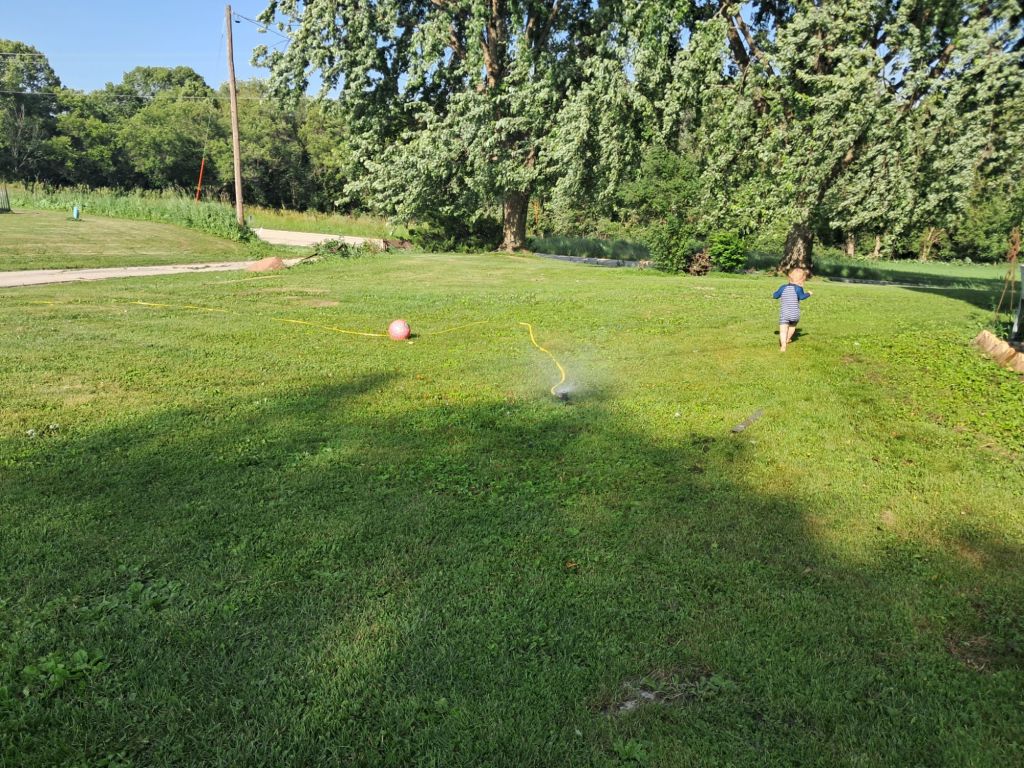
    You don’t need a fancy inflatable water park to make the backyard magical. Sometimes all it takes is a hose and a simple sprinkler.

    In our house, we call it “Casa de Backyarda.” When the weather heats up, we:

    • Set up a basic sprinkler in the yard.
    • Add a few extras—a plastic kiddie pool, buckets, or cups for pouring water.
    • Let the kids run, jump, and invent their own games.

    Pair it with popsicles, bubbles, a simple little picnic on a blanket, or a “no shoes” rule, and suddenly you’ve got a full afternoon of fun for the cost of water and whatever you already own. It’s low-stress, low-prep, and high joy.


    Make the Most of Your Local Library

    Your local library can be a quiet powerhouse for summer fun and savings. Many libraries offer far more than books and story time.

    Depending on your library system, you may find:

    • Passes you can borrow for local pools, museums, zoos, and other attractions.
    • Discounts on souvenirs or gift shop purchases at partner locations.
    • Free or reduced parking when you visit certain spots with a library‑issued pass.
    • Summer reading programs with small rewards, events, and special activity days.
    • Free equipment rentals (such as Bluetooth speakers) which really amp up the vibe of any activity.

    Not every library has every perk, but it’s worth checking what your local system offers—you might be surprised. A simple habit: before you buy tickets or plan an outing, check what your library offers. Sometimes all it takes is a library card and a bit of planning ahead to turn a “maybe too expensive” activity into something doable.


    Camping as a Main Summer Trip

    You don’t have to fly across the country to have a memorable family vacation. A simple camping trip can be both an adventure and a major cost saver.

    When camping is your main trip for the summer, you often get to:

    • Save on lodging. Campsites are usually much cheaper than hotels or rentals.
    • Spend more time outdoors—hiking, swimming, stargazing, cooking over a fire.
    • Build traditions around campfire stories, card games, and simple meals.

    Camping can be as rustic or “soft” as your family needs—anything from tent camping at a state park to renting a small cabin or camper. Either way, the focus shifts from expensive attractions to shared experiences: setting up camp together, exploring trails, and unplugging a bit from screens.


    Lean Into “Small Fun” That Adds Up

    Kids often remember the small, repeated joys more than the one big, expensive outing. A few “small fun” ideas that don’t cost much:

    • Weekly library visits with a special snack afterward.
    • Neighborhood walks or bike rides with a stop at a playground.
    • Walking a storybook trail at a local park.
    • Firefly chasing in the backyard.
    • Living room movie nights with blankets and popcorn.
    • Simple crafts using what you already have—chalk, cardboard, paints.

    You don’t have to fill every day with something elaborate. A few steady, simple traditions can carry a lot of weight over a whole summer.


    A Gentle Reminder for Summer Parents

    It’s easy to feel pressure to do “everything” in the summer—big trips, fancy outings, perfect memories. But your kids don’t need perfection. They need you, some time, and a few simple experiences to hang onto.

    A sprinkler in the yard. A borrowed library pass. A weekend camping trip instead of a hotel. A stack of books and a bowl of popcorn. Those can be enough.


    If you have a favorite low‑cost summer tradition, I’d love to hear: what’s one simple thing your family does every year that makes summer feel special without stretching the budget?


    If this post gave you a few ideas or reminded you of the simple things you already love, would you share it with another parent or caregiver? Your shares and comments help these budget friendly ideas reach families who might need them.

    Read Next: Where the Red Fern Grows and the Sprinkler Flows