Tag: garden freezer recipes

  • How to Blanch and Freeze Broccoli and Other Garden Vegetables

    How to Blanch and Freeze Broccoli and Other Garden Vegetables

    This post is the second in my garden freezing series, where I’m sharing three simple ways to preserve the harvest:

    In this post, I’m covering the next step — the simple process of blanching and freezing garden produce.


    Want all three freezer methods in one printable guide?


    Why I Freeze Broccoli

    I love harvesting vegetables from the garden and putting them up for later. There’s something satisfying about knowing summer’s work will carry us through the colder months. One of my favorite ways to preserve vegetables is by blanching and freezing them, and broccoli is one of the easiest places to start.

    I usually plant far more broccoli than our family can eat during the summer, which makes it a perfect candidate for the freezer. The same method also works well for other garden vegetables like green beans, cauliflower, and carrots, depending on the vegetable and how it holds up to blanching.

    How to Blanch Broccoli

    I start by harvesting broccoli heads when they are ready, then cut them into bite-size pieces with some stem attached and soak them in cold water. While the broccoli is soaking, I bring a large kettle of water to a boil.

    Select good heads of broccoli that have not flowered and are full

    Once the water is boiling, I add the broccoli and blanch it for 2.5 minutes. Then I remove it immediately and plunge it into icy water to stop the cooking process. This helps preserve the broccoli’s color, flavor, and texture for long-term storage by slowing the enzymes that can cause spoilage and off-flavors.

    Before blanching
    After blanching

    How to Freeze Broccoli

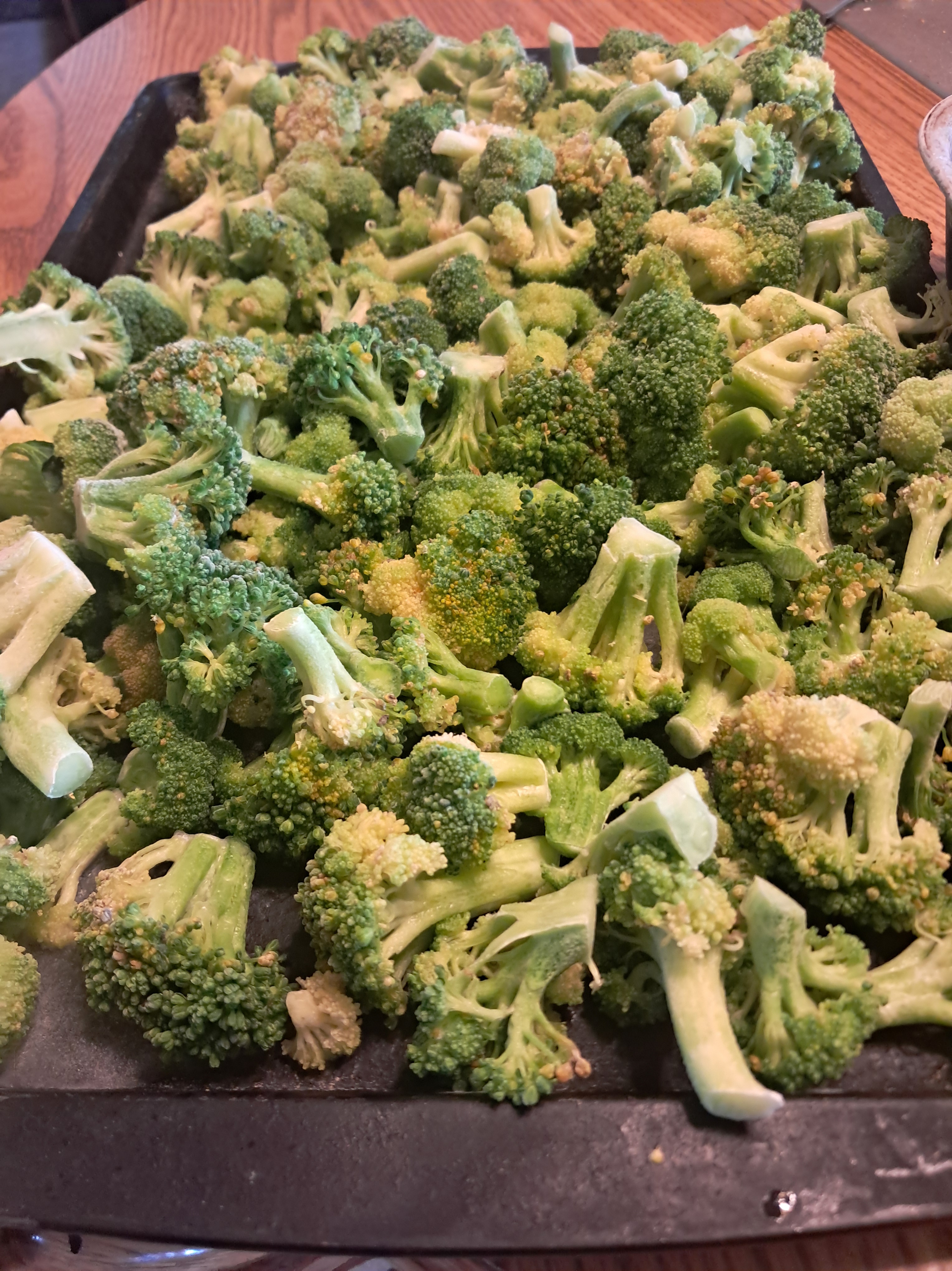
    After the broccoli has cooled completely, I spread it out on a cookie sheet and place it in the freezer overnight. This step keeps the pieces from freezing into one big clump, so I can easily grab just what I need later. Once frozen, I transfer the broccoli into quart- or gallon-size freezer bags and store it in the freezer until I’m ready to use it.

    I spread the broccoli onto a cookie sheet and place it in the freezer overnight so I can pull out as much as I need.
    Don’t forget to properly label the bags! Here, I kept it simple: food, and month/year of harvest.

    Frozen broccoli is one of my favorite vegetables to pull out in the middle of winter. I use it in dressed-up ramen, soups, stir-fries, and as a simple side dish with dinner. It never seems to last until the next harvest season. Even with my best efforts, we usually run out by February, right around the time I’m planting broccoli again from seed.

    Other Vegetables to Blanch and Freeze

    The same basic blanch-and-freeze method works well for other vegetables from the garden too. Green beans are a freezer favorite, and I also like to preserve cauliflower and carrots when we have extra. If you grow a garden, freezing vegetables this way is one of the easiest ways to avoid waste and enjoy your harvest later in the year.

    Blanching Guide for Garden Vegetables

    If you like having a quick reference, here’s a simple blanching guide for a few common garden vegetables, along with the kinds of dishes they work best in after freezing.

    VegetableBlanch TimeFreezer LifeBest For
    Broccoli2.5 minutes8–12 monthsRoasting, soups, stir-fries, side dishes
    Green beans3 minutes8–12 monthsSide dishes, casseroles, sautés
    Cauliflower3 minutes8–12 monthsRoasting, soups, mash, casseroles
    Carrots2–3 minutes10–12 monthsSoups, stews, roasting, glazing
    Brussels sprouts3–5 minutes8–12 monthsRoasting, skillet dishes, side dishes

    Blanch times can vary a little depending on the size and freshness of the vegetable, so use this as a starting point. When I freeze vegetables, I usually label the bag with the date so I can keep track of what needs to be used first.

    More Garden Freezer Ideas

    In my next post, I’ll cover how to freeze garden vegetables that you fully cook first, such as sweet corn, beets, and squash.


    Do you preserve vegetables from your garden? What are your favorites to freeze? Share your favorites in the comments.

    If this post was helpful, please like and share it with a friend who loves preserving garden produce.

    Read More Here: Zone 4B July Garden Tour: Our 2026 Garden Updates
  • How to Freeze Peppers, Tomatoes, Zucchini, and Berries for Later

    How to Freeze Peppers, Tomatoes, Zucchini, and Berries for Later

    This post is part of my garden freezing series, where I’m sharing three simple ways to preserve the harvest:

    In this post, I’m covering the easy stuff — the garden produce you can prep and freeze without blanching.


    Want all three freezer methods in one printable guide?


    I love putting up garden produce for later in the year, especially when the freezer starts to feel like a quiet little backup pantry. Some vegetables need to be blanched before freezing, but a few summer favorites are even easier: just prep them, freeze them, and stash them away for winter.

    Peppers

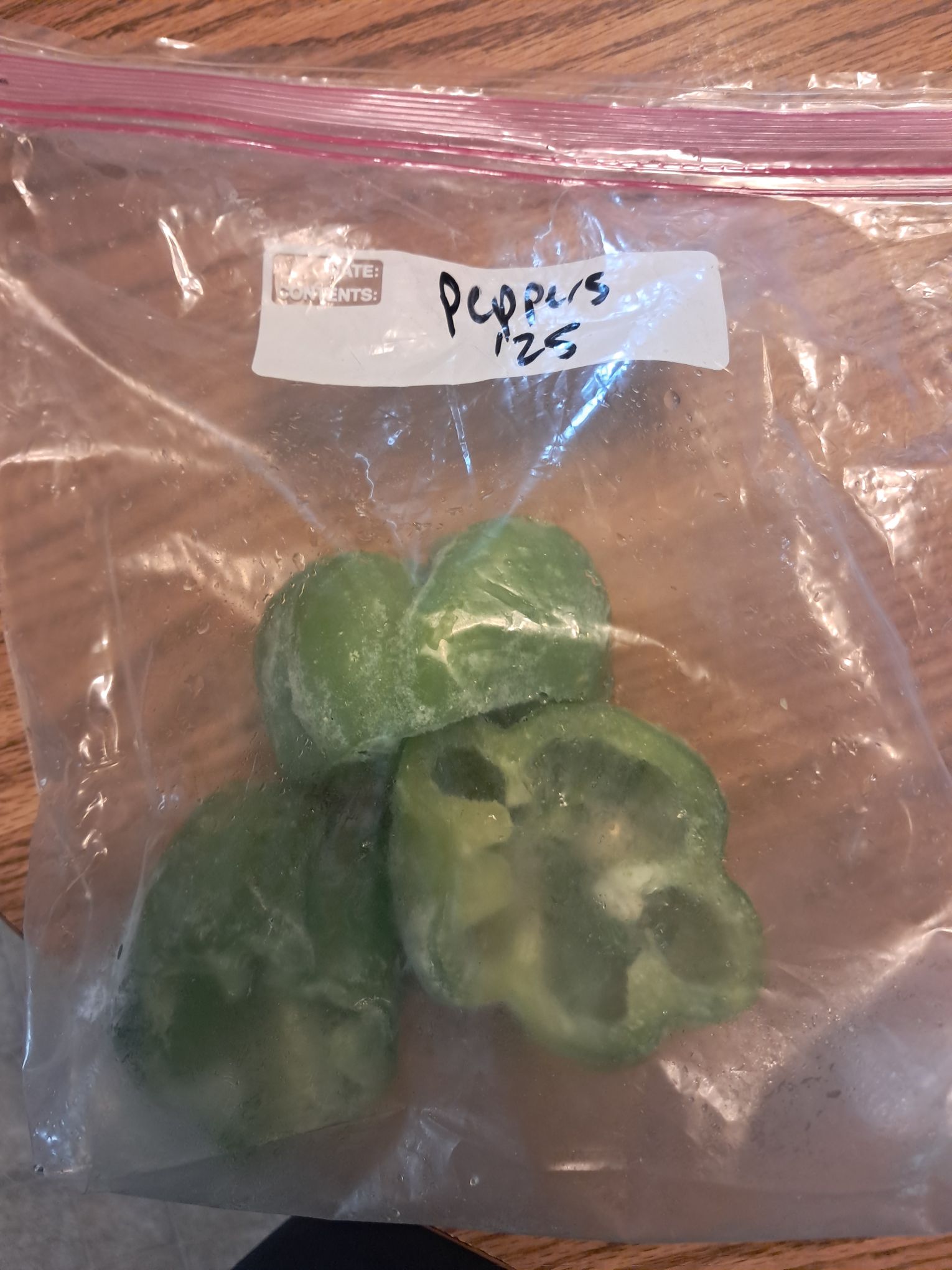
    Peppers are one of the easiest things to freeze. I wash them, remove the stems and seeds, and slice or chop them depending on how I plan to use them later. Sometimes I leave them whole for stuffed peppers. Then I spread the pieces on a tray or place them directly into freezer bags. Frozen peppers are great for soups, omelets, stir-fries, casseroles, and stuffed peppers.

    Tomatoes

    Tomatoes are another simple freezer food. I usually core them, then place them whole into a gallon freezer bag. This is especially helpful in August when I’m overwhelmed with produce and don’t have time to process everything right away. In winter, when I have more time, I take them out of the freezer. Once they thaw, the skins slip off easily, which makes them especially handy for sauces, soups, and stews.

    If I have a bumper crop, freezing tomatoes is one of the fastest ways to deal with them before they start to soften on the counter.

    Zucchini

    Zucchini is a little more flexible. I usually shred it before freezing, since that works well for muffins, breads, and casseroles. If I want to use it in soups or skillet dishes, I may slice it instead. Zucchini has a high water content, so it won’t always hold its texture perfectly after thawing, but it is still worth freezing when the garden is overflowing. I’ve found that it helps to prep the veggie the way I expect to use it later, because that makes it much more likely I’ll actually use it.

    Berries

    Berries are one of my favorite easy freezer foods. After washing and drying them well, I spread them on a tray and freeze them before bagging. This keeps them from clumping together so I can grab just what I need for smoothies, muffins, pancakes, or cobblers. Frozen berries are one of those things that make winter breakfasts feel a little brighter.

    If you like having a quick reference, here’s a simple guide for these easy freezer foods:

    FoodGeneral MethodHow Long It Keeps in the FreezerBest Use After Thawing
    PeppersWash, remove stems and seeds, slice or chop, then freeze on a tray or in bags8–12 monthsSoups, omelets, stir-fries, casseroles, stuffed peppers
    TomatoesCore and freeze whole in freezer bags6–12 monthsSauces, soups, stews
    ZucchiniShred or slice, then freeze in portions8–12 monthsMuffins, breads, casseroles, soups
    BerriesWash, dry well, tray-freeze, then bag8–12 monthsSmoothies, muffins, pancakes, cobblers

    The nice thing about these foods is that they don’t require a lot of extra steps. If you’re short on time, they’re a great way to preserve a harvest quickly and keep food from going to waste.


    What easy freezer foods do you like to put away from the garden? Share your favorites in the comments.


    If this post was helpful, please like and share it with a friend who loves preserving garden produce.

    Read More Here: Zone 4B Vegetable Garden Ideas: What We Planted in 2026