Tag: Horicon Marsh

  • Early Signs of Spring on the Homestead (2026)

    Early Signs of Spring on the Homestead (2026)

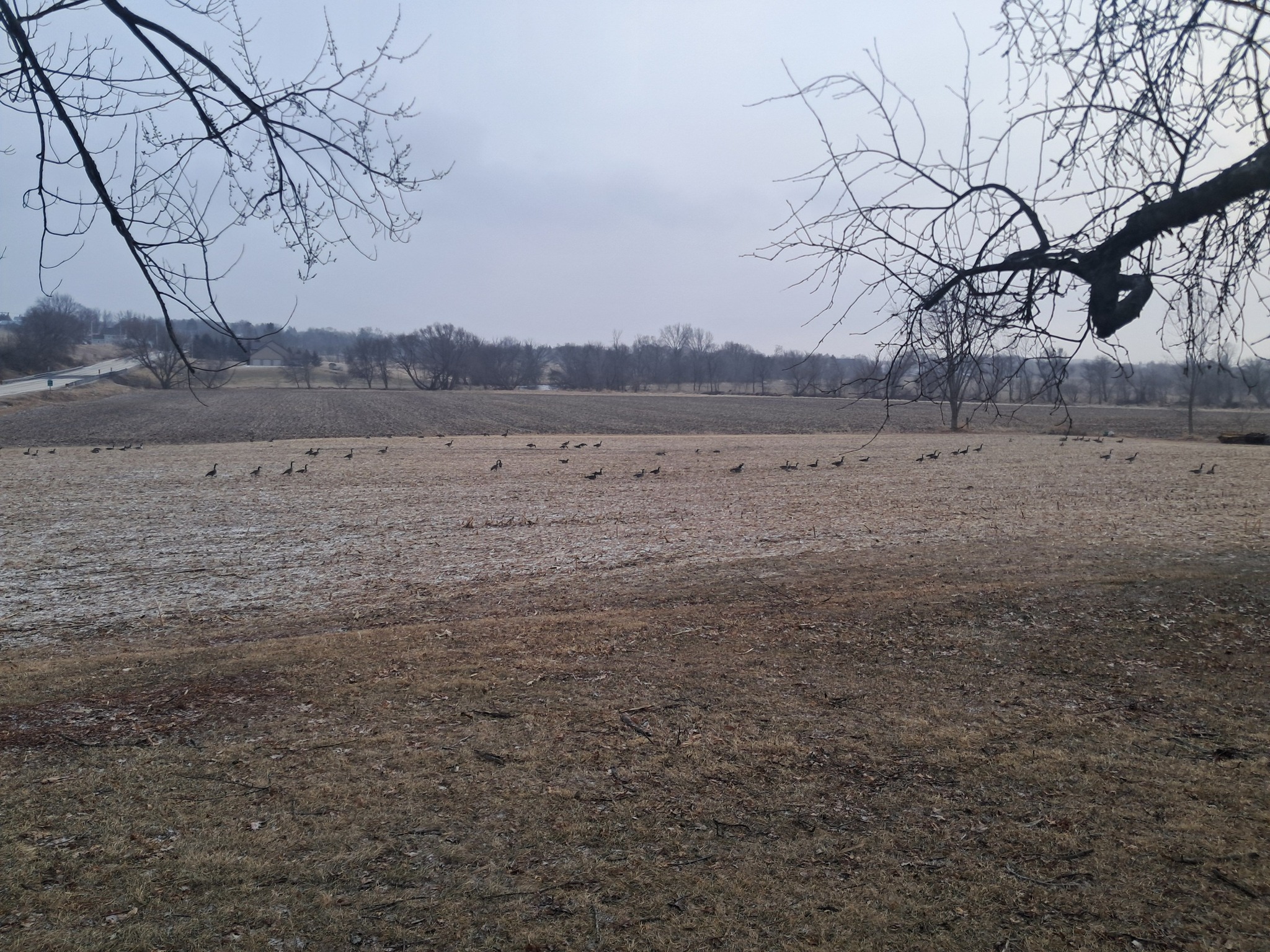
    Spring is on the move! The geese are back in our corn field, snacking on the kernels we missed last fall as they make their way north. During the day they feast here, and at night they head back to the Horicon Marsh—just two miles west of us. It’s a rhythm we’ve come to count on, almost like the turning of a calendar page that only nature can read.

    Early Spring Signs: From Geese to Goslings

    Soon the quiet honks in the distance will give way to a full chorus overhead. As their numbers grow, they become our entertainment—chasing each other away from the best spots, flapping their wings and honking aggressively. Then they will begin to form pairs.

    It won’t be long before we’re seeing those fuzzy little goslings wobbling around on unsure legs. I always smile at how they’re both awkward and perfectly at home in the world at the same time. They don’t rush their growing, they just…are. There’s a lesson in that for the rest of us, I think.

    Subtle Signs of Spring You Might Miss

    Around here, early signs of spring start small if you’re paying attention:

    • The snow melts back from the south-facing sides of buildings first, leaving little ribbons of bare ground.
    • Puddles form in the ruts of the driveway, full of reflected sky.
    • The air still has a bite to it, but every now and then, in the afternoon, there’s a softness you can feel on your cheeks. The kind of air that makes you stop and think, “Oh. It’s changing.” It’s when you know it’s time to tap the trees for maple syrup. Sap flows best at days above freezing, and nights below freezing.

    The soil starts to loosen its grip, too. Boots sink a little deeper, and you can smell that rich, damp scent of earth waking up. The barn cats linger longer in patches of sun. The chickens get a bit braver, scratching farther from the coop, as if they also sense that winter’s hold is slipping.

    The Magic of Longer Days

    I always notice the light first. The sun sets 2 minutes later each day now, stretching out the day bit by bit. Supper dishes are ready to serve while there’s still a faint glow in the west.

    That extra light brings with it a quiet invitation: to dream about the garden, to flip through seed packets, to imagine rows of green where right now there’s only brown and grey.

    First Signs of Spring in Everyday Life

    Spring on the homestead, in this in-between time, is easy to miss if you’re only looking for flowers and green grass. But if you look closer, it’s there in the geese in the field, the drip of melting snow, the mud on the boots piled by the door.

    It shows up in the way we start talking about “when it warms up” instead of “if it ever warms up.”

    What Are Your Early Signs of Spring?

    What early signs of spring are showing up where you are? Maybe it’s a certain bird call you only hear this time of year, or the first brave shoots pushing up through the cold ground.

    Maybe it’s kids trading snow pants for lighter jackets, or the way your houseplants suddenly seem a little happier near the windows.

    What’s your first sign of spring? Drop it in the comments—we’re all watching for those first hints together! 🌱

    Early signs of spring are HERE! Geese honking, sap flowing, sun lingering longer. Which first sign of spring did you notice today? LIKE + SHARE if you’re feeling that seasonal shift! 🌿

    Read Next: Homestead Maple Syrup Making: Sugar Shack to 66 Brix Gold

  • Winter Storybook Trail Walks: Family Magic at Horicon Marsh

    Winter Storybook Trail Walks: Family Magic at Horicon Marsh

    What do you enjoy doing most in your leisure time?

    Lately, it’s storybook trail walks with the kids under winter stars. A true heart-soother.

    Last week, we joined the WDNR candlelight walk at Horicon Marsh. Lanterns flickered against the frost. We crunched through chilly snow. We found laminated pages of a storybook trail. This one follows a bird-counting adventure. The kids’ eyes sparkled. They flipped each page tacked to tree stumps. Volunteers shared facts about animal furs and owls. It transformed a cold night into pure wonder.

    Our cheeks were rosy from the chill. Hot cocoa afterward made it perfect. I’m so grateful for the people who work hard on these events. The book changes monthly. I make it a priority to bring the kids often. It blends nature, stories, and family beautifully.


    What’s your favorite family free-time magic? Share below. Let’s swap winter ideas!

    Loved this? Hit ❤️ like, share with a friend, and subscribe for more family nature adventures.

  • Living Near Horicon Marsh, Wisconsin: Seasons, Wildlife, and Restoration

    Living Near Horicon Marsh, Wisconsin: Seasons, Wildlife, and Restoration

    I live just a couple of miles from Horicon Marsh, the largest freshwater cattail marsh in the United States. It’s a vast expanse that shifts with the weather, the seasons, and sometimes, by design. In the mornings and evenings, I hear the call of geese and cranes as they migrate to and from the marsh.

    Why Horicon Marsh Matters

    Covering more than 33,000 acres, Horicon Marsh is a major stopover site for migratory ducks and Canada geese. The northern two-thirds are part of Horicon National Wildlife Refuge, while the southern third is part of Horicon Marsh State Wildlife Area. Together, the marsh offers opportunities for wildlife observation, photography, hiking, fishing, biking, educational programs, and seasonal recreation.

    A Living Landscape Shaped by Water and Time

    Those voices mark the edge of a world shaped as much by intention as by instinct.  This wetland lives by the rhythm of weather and season, and at times, by the gentle design of those who tend it.  The water level here is not entirely left to nature.

    Horicon Marsh is managed across two public lands: the northern two-thirds as Horicon National Wildlife Refuge, managed by the U.S. Fish and Wildlife Service, and the southern third as Horicon Marsh State Wildlife Area, managed by the Wisconsin Department of Natural Resources. Water-control infrastructure—including the Horicon dam, embankments, pumps, and stop-log structures—allows managers to adjust the timing, depth, and duration of flooding and better mimic natural wetland cycles.

    Those structures, once built to drain and reclaim the land for farmland, are now used to preserve it. By opening or closing sluice gates and culverts, managers can mimic the natural rhythm of flooding and retreat. Those small adjustments shape everything from fish spawning to the growth of cattails along the shallows.

    The result is a dynamic landscape, alive with movement and sound. In spring, meltwater floods the pools, drawing thousands of migrating waterfowl. Terns, teal, and cranes return to the shallow stretches that glimmer in the sunlight.

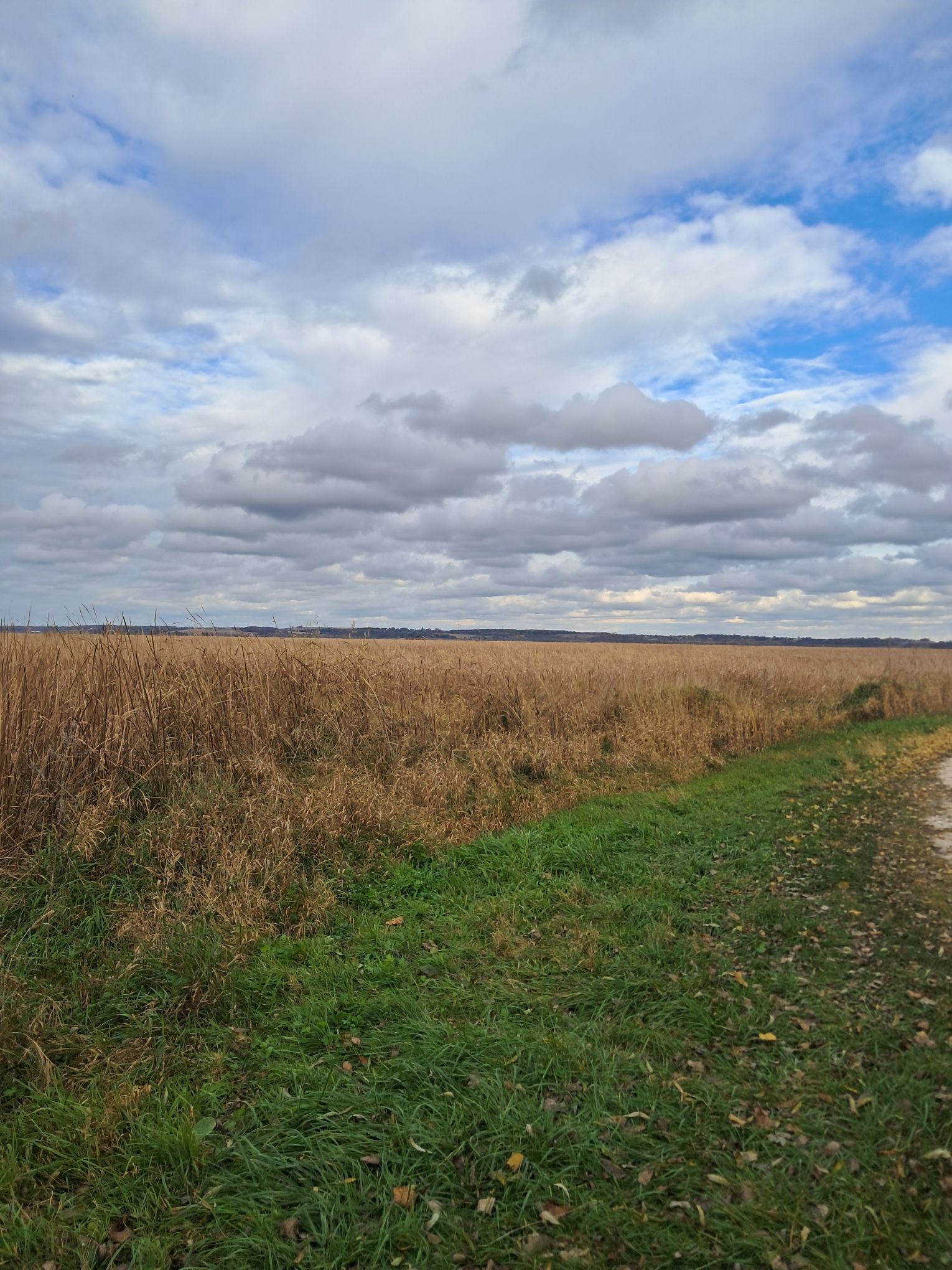
    By midsummer, the cattails thicken into dense green walls, sheltering red-winged blackbirds, marsh wrens, and bitterns. Autumn brings a shift to rust and ochre. The drying stalks rattle in the wind and the air smells faintly of peat and decay.

    When winter comes, ice seals the pools and the marsh rests under a crust of snow, waiting to breathe again when the thaw returns.

    When Marshland Was “Wasted Land”

    More than a hundred years ago, settlers and local developers viewed these wetlands through a different lens—as wasted land that could be reclaimed.  During the early 1900s, drainage projects swept across Wisconsin, promising to turn marshland into productive farmland. They labored through the muck with horse-drawn dredges. Gravel and timbers followed, forming thin roads and channels raised above the water. Their intent was to tame the water—to make way for crops, pasture, and easier travel. But the marsh resisted. Water seeped back through the cracks in their work, reclaiming what it could. Over time, as floods persisted and wildlife declined, attitudes shifted. People began to see that the marsh’s value lay not in what it could yield, but in what it preserved—water, soil, and life.

    The Quiet Return of Balance

    Today, those old dike roads form the spine of the refuge. They still divide the cattail stands. They also serve as passageways for biologists, birdwatchers, and anyone curious enough to walk into the heart of the wetlands. Driving slowly along them, you can see decades of restoration at work. This is where human effort meets natural rhythm, each shaping the other in quiet negotiation. Each culvert, each measured release of water, is part of a broader effort to keep the ecosystem healthy amid pressures beyond its borders.

    Walking the Edge of Intention and Instinct

    When I walk those trails, the marsh feels both engineered and wild. The red-winged blackbirds still call from the reeds as they have for generations. Their songs rise over the damp, earthy scent of mud and decaying stems. The cranes drift across the horizon, their calls echoing over the water that now moves by both gravity and intent. It’s a place shaped by design but ruled by natural law—a reminder that stewardship is participation, not control. Living beside this marsh means keeping pace with its rhythm, in a landscape that remembers and endures.

    Your Turn

    I am still learning how to pay attention to the marsh through every season: the first returning birds in spring, the sound of cattails in late summer, the cranes overhead in fall, and the stillness of winter. It is close enough to be familiar, but large and changing enough that it never quite becomes ordinary.

    If you live near Horicon Marsh—or have a landscape near home that changes how you see the seasons—I would love to hear about it in the comments.


    Keep the Story Going

    If places like this move you, please click the like button. Share your own story of restoration. Subscribe for more reflections on the ways nature and people shape each other. Your support helps this space grow and reach others with similar interests.

    Read more here: Keeping Time With the Land: How Seasonal Living Can Help You Slow Down

    #CattailMarsh #NatureRestored #WisconsinWildlife #EnvironmentalHistory #MarshlandMagic #EcoStories #BirdWatchingWisconsin #HoriconMarsh