Tag: local food

  • What I Complain About Most: Why Farmers Deserve More Appreciation (And How We’re Reconnecting)

    What I Complain About Most: Why Farmers Deserve More Appreciation (And How We’re Reconnecting)

    Daily writing prompt
    What do you complain about the most?

    I used to be a champion complainer—until I realized it never planted a single seed worth growing.


    I try not to complain too much. It’s a nasty habit that usually leaves me feeling worse than before I started. Instead, I try to live by the words of the Serenity Prayer:

    “God, grant me the serenity to accept the things I cannot change,
    The courage to change the things I can,
    And the wisdom to know the difference.”

    When I catch myself slipping into that spiral of frustration, I remind myself of those lines. If there’s something I can fix, I get to work on it. If there isn’t, I try to shift my perspective. Some days, that works beautifully. Other days, not so much—but it’s a practice, and a worthwhile one.


    When Passion Comes from Frustration

    Still, there are some things bigger than myself that I can’t quite let go of—issues that deserve our collective attention. That’s where my frustration tends to turn into passion.

    If you really want to know what gets me on my soapbox, it’s this: how undervalued the foundation of our society has become—the farmer.


    Lessons from the Milking Barn

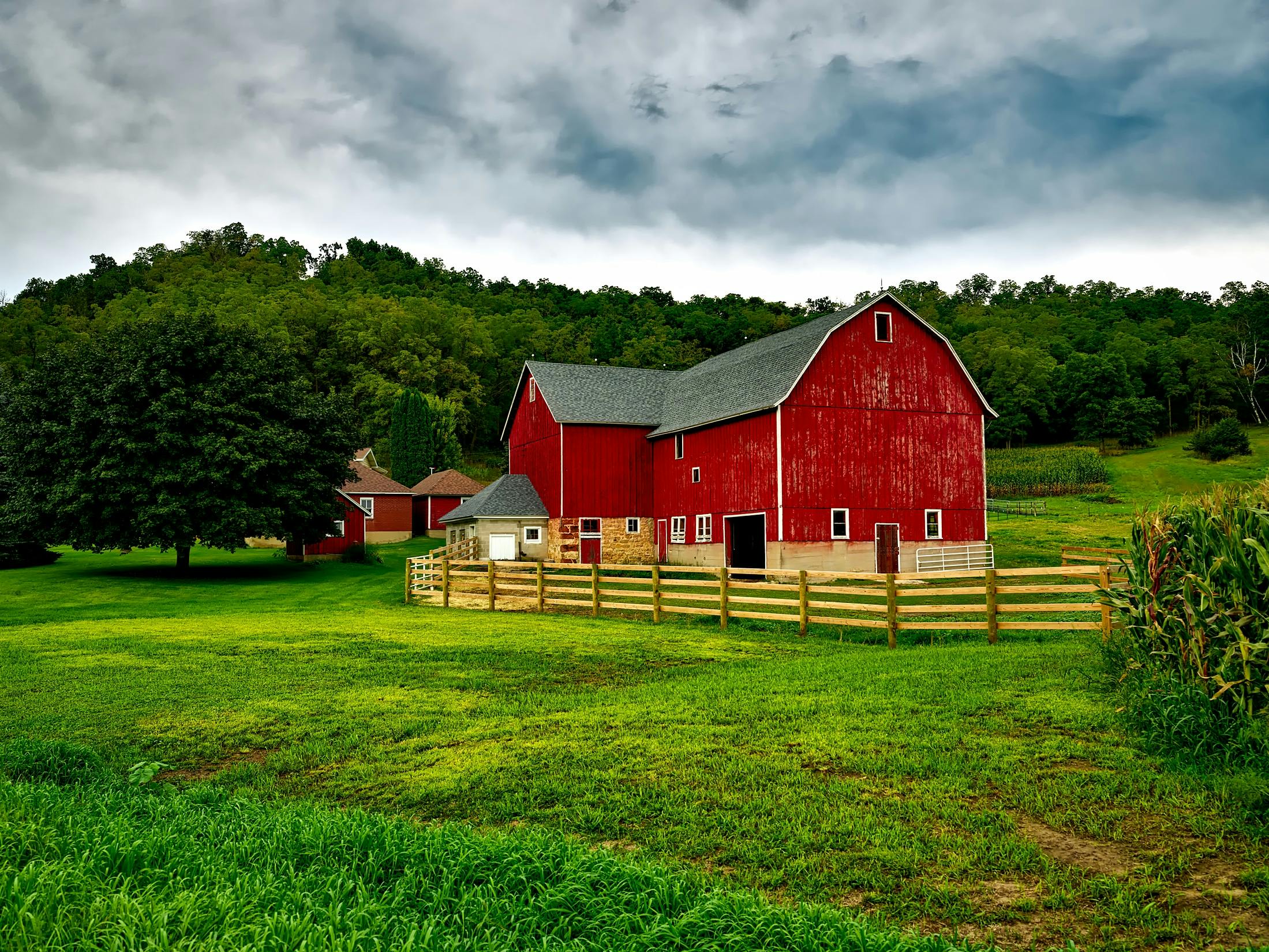
    I grew up on a dairy farm surrounded by fields, animals, and five hardworking older sisters. My dad, like many farmers, cautioned us not to follow in his footsteps. He didn’t say that out of bitterness; he said it out of love.

    He knew farming demanded endless hours, uncertain pay, and a body that rarely got a day off. The cows still needed milking before dawn, even after a night of broken sleep or if you were sick. The hay still needed to come in, even if rain clouds were gathering on the horizon. And no matter how hard you worked, the weather or the market could undo it all in a single season. With today’s global markets, that uncertainty feels even sharper than it did thirty years ago.


    The Great Disconnect

    Despite all that labor, society often treats farmers as an afterthought. We depend on them for our most basic need: food. Yet we seem disconnected from what it truly takes to put dinner on the table. It’s astonishing how quickly that disconnect happened. In just two or three generations, we’ve gone from home gardens, backyard chickens, and canning jars in the pantry to drive‑thru dinners and foods that travel thousands of miles before reaching us.

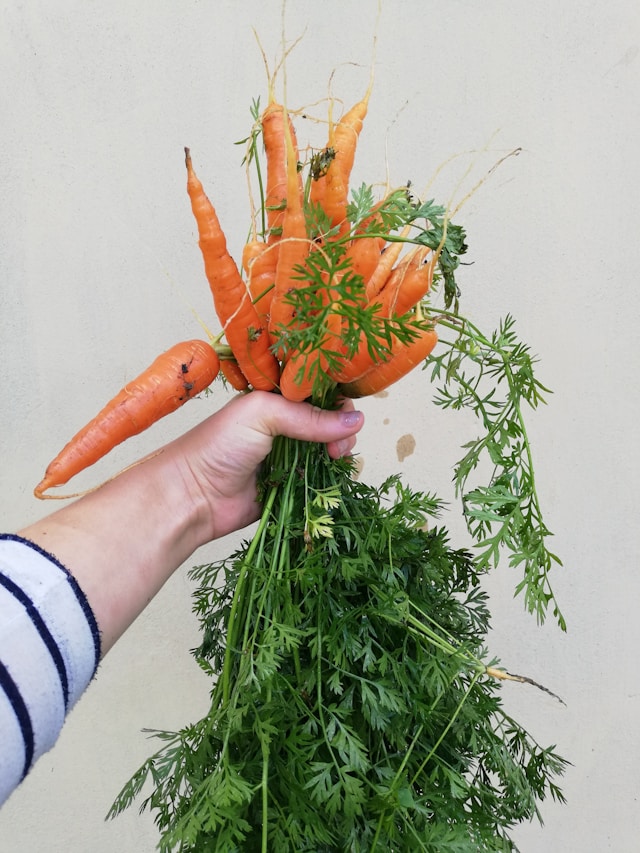
    Our modern food system is complicated. We’ve gained convenience but lost some wisdom along the way—wisdom about soil, seasons, and self‑sufficiency. Many children have never pulled a carrot from the ground or gathered a fresh egg. Even adults often feel surprised to learn where their food comes from.


    Marketing Replaces Memory

    Not long ago, I saw a potato chip bag proudly labeled “Made with Real Potatoes,” as if that were some sort of revelation. It made me laugh—and then it made me sad.

    Somewhere along the way, marketing replaced knowledge. We began trusting brands more than the soil, and food became a product instead of a shared experience. When I mentioned it on my Facebook page, people chimed in from everywhere. It turns out, so many of us feel the same way—grateful for convenience, but yearning to reconnect.


    Growing, Raising, and Reconnecting

    That little moment reminded me why I care so deeply about growing food, raising kids, and building community. These things are intertwined. When children understand where their meals come from, when we grow even a small piece of what we eat, when neighbors come together to share skills, seeds, and harvests—we start to rebuild that lost connection. Even something as simple as buying from a local farmers market, planting herbs on a windowsill, or teaching a child how to cook can make a difference.

    So maybe I don’t really complain all that much anymore. Maybe what I’m doing is something better: advocating, educating, and planting small seeds of change and connection in my backyard and in my community. Because while I can’t change the world overnight, I can nurture the soil right in front of me. And that feels like a pretty good start.


    Resources I Recommend

    Disclosure: This section contains Amazon affiliate links. If you purchase through them, I may earn a small commission at no extra cost to you. Thank you for supporting Practical Homesteading!

    If this post stirred something in you, here are a few places to start learning, growing, and preserving more of your own food. I only share resources I truly find useful.

    • Read and reflect: One book that has deeply shaped how I think about food and farming is The Omnivore’s Dilemma by Michael Pollan. It follows several different meals from source to table and invites you to really consider where your food comes from and who grows it. You can buy it in my link or borrow it from your local library.
    • Learn the basics of preserving: The Ball Book of Preserving is a solid, economical place to start if you’re new to canning. It covers the fundamentals clearly without feeling overwhelming, and it’s a great first step into safe home food preservation.
    • Go deeper with more recipes: The Ball Complete Book of Home Preserving is a much more comprehensive resource, with many more recipes and techniques. It’s a bigger investment, but worth it if you discover that preserving is something you love and want to keep expanding.
    • My home preservation essentials: I’ve put together an Amazon list of tools and books I use or recommend for dehydrating, canning, and freezing food at home. You can find it here: Home Preservation Essentials.

    If you have favorite books, tools, or simple tips for beginners who want to grow or preserve their own food, please share them in the comments—I’d love to learn from you, too!


    Loved this? Hit that ❤️ if it resonated. Share with a friend who needs to hear it. Subscribe for more real talk about growing food and building community. Your support means everything!

    Related Posts

    Why I Chose Homesteading

    Working mom of 2 shares her homesteading origin story – from Wisconsin dairy farm rebel to choosing chickens, gardening and bread making. Environmental professional finds freedom in practical homesteading.

    Keep reading
  • Why Is Beef So Expensive? A View from a Farming Family

    Why Is Beef So Expensive? A View from a Farming Family

    If you have stood at the meat case lately and wondered how beef got so expensive, I understand. I look at those prices, too.

    I also think about the people who raised the animal.

    I grew up around farming. My parents had a dairy farm in Southeastern Wisconsin. Towards my teenage years, my parents sold the dairy cattle and bought beef cattle, which I helped raise until I graduated high school.

    One of my sisters and her husband raised beef for a time, and two of my other sisters farm. I have seen people I love put a great deal of care into animals and land while trying to make the finances work. That does not mean I can speak for every cattle farmer. It does mean I cannot look at a high beef price and assume the person who raised it is getting rich.

    So let’s sit down for a minute and talk about what might be behind that price tag—and why it can be hard on both the shopper and the farmer.

    A smaller supply takes time to rebuild

    Cattle numbers are one part of the story. Drought, the cost of keeping breeding animals, and other pressures have made it difficult for some producers to maintain or expand their herds. And cattle cannot be raised quickly in response to a change in the market. Decisions made on a farm today affect the supply of beef well into the future.

    USDA counted 28.5 million beef cows in the United States on July 1, 2026, down 1% from a year earlier. Its September 2026 outlook forecast higher beef and veal prices for the year, though that does not mean prices rise every single month.nass.usda+1

    Those numbers help explain the market. They do not tell you what it feels like to decide whether you can afford to keep cows through another season of expensive inputs.

    The costs do not stop at the pasture

    When I think about what it takes to raise beef, I think about more than the price of a calf or the final sale. There is pasture to maintain, feed to provide, fencing and equipment to repair, and animals that need care regardless of what the market is doing.

    Fuel is another cost that can change quickly. Farmers use it directly, and it affects transportation and other businesses they depend on. As I update this in September 2026, rising diesel prices are adding pressure during an already uncertain time. The particular headlines will change; the difficulty of planning around costs you cannot control is more lasting.

    That is part of what I have seen in my own family. People farm because they care about the work and the life, but caring deeply does not make the bills easier to pay.

    What happens after the farm

    The farmer is not the only person involved in getting beef to the grocery store. Animals must be transported and processed; meat must be cut, packaged, kept cold, and delivered. Each step has labor, equipment, and operating costs.

    Processing also affects what options farmers have for selling their animals. The beef-packing industry is highly concentrated: USDA research found that the four largest packers handled 85% of steer and heifer purchases in the data it studied. That fact alone does not explain the price of every roast or package of ground beef, but it is part of understanding the choices available to cattle producers.

    Smaller farms selling directly to customers still need access to processing. The rules vary depending on whether meat is being sold through an inspected channel or processed under a custom exemption for the animal owner’s household. Either way, arranging processing is a practical part of bringing beef to someone’s table—not an afterthought.

    A high price is not a simple story

    It is tempting to look at the price of beef and assume somebody along the way must be doing very well. Sometimes prices or profits do rise for parts of the supply chain. But the number on the grocery receipt does not tell us what a particular farmer earned after paying expenses.

    That is the point I most want to share. I do not expect a shopper to stop caring about their grocery budget. I care about mine. I just hope we can make room for another truth at the same time: people raising cattle may also be trying to absorb costs and uncertainty that are largely outside their control.

    I have written separately about farmer mental health, because the strain of that uncertainty deserves a conversation of its own. Here, I want to stay with the practical question of beef prices and what we can do as shoppers.

    What can we do with that knowledge?

    None of us can fix cattle supply, fuel costs, or processing access with one purchase. And buying locally is not realistic for every family or every grocery budget. I would rather offer a few options than tell anyone there is one “right” way to buy beef.

    • Ask about the beef you buy. A farmer, butcher, or market vendor may be able to tell you where it came from and how it is sold.
    • Try a cut that fits your budget. Roasts, shanks, stew meat, and ground beef are all worth learning to use well. The cheapest cut will vary by store and season, so compare prices rather than assuming.
    • Consider buying a beef share if it suits your household. Ask about the farmer’s price, processing fees, approximate packaged yield, and freezer space before committing. A quarter beef is not automatically cheaper, and “quarter” does not mean a fixed number of pounds in packages.
    • Plan around what is already in your freezer. Using the meat you have bought is one of the simplest ways to respect both your budget and the work behind it.

    If buying directly from a farm is new to you, my post on how to buy meat from a farmer walks through the questions to ask before placing an order. Packaged yield can differ considerably from hanging weight, so it is especially useful to understand how your farmer and processor quote the price.

    This is what a quarter beef looks like, directly from the butcher.

    Holding both sides of the story

    I want beef to be affordable for the people feeding their families. I also want the people raising cattle to be able to care for their animals, pay their bills, and keep doing work they love. I do not think we have to choose which of those matters.

    The next time I pause over the price at the meat case, I will probably still wince a little. But I will also think of the weather, the feed, the fuel, the processor—and the person who got up that morning to care for the animal. Knowing more about the story does not lower the price. It does help me see it more clearly.


    What has surprised you most about buying beef, whether from a grocery store or directly from a farmer?

    If this story resonated with you, give it a like. Share it with a friend or pass it along to someone who loves good food and community.

    Your support helps this blog keep shining a light on local farmers, homesteading life, and the values that keep our tables full of meaning.

    Subscribe for more stories—and practical tips—on living simply, eating well, and staying connected to the land.

    Read More: When Egg Prices Crack, Local Farms Hold Steady

  • Growing Up on a Wisconsin Dairy Farm: Reflections for June Dairy Month

    Growing Up on a Wisconsin Dairy Farm: Reflections for June Dairy Month

    Growing up on a dairy farm in Wisconsin, my days were shaped by the rhythm of the cows and the turning of the seasons. Each morning began before sunrise, the air crisp with the scent of damp earth as my family and I made our way to the barn. The gentle lowing of the cows was our alarm clock, their needs dictating every hour. Summers meant long days baling hay and tending fields; winters brought the challenge of breaking ice in water troughs and cleaning icy yards. Even now, years after leaving the farm, that heritage remains woven into who I am. The values of hard work, responsibility, and respect for the land and animals continue to guide me, especially as June Dairy Month arrives each year.

    June Dairy Month always brings a sense of pride and community across Wisconsin. As families gather for breakfasts on the farm and other celebrations, I’m reminded of the camaraderie that comes from being part of such a vital tradition. It’s a time to reflect on my roots, appreciate the dedication of today’s dairy farmers, and feel connected to the land and lifestyle that shaped my upbringing.

    As a child, I didn’t fully grasp the significance of June Dairy Month. I simply felt the special energy it brought: early mornings in the barn, the mingled scents of fresh hay and silage, the gentle clatter of milk pails, and the creamy taste of fresh milk. My parents stressed that cows don’t wait, and chores don’t take vacations. I learned this during many summer afternoons as I missed parties and other gatherings to clean the cow yard. The cows needed tending, indifferent to my disappointment and frustration. In those moments, responsibility became more than a lesson but a way of life.

    Looking back, I see how my family’s story is part of a much larger one. Wisconsin’s identity as “America’s Dairyland” began with a dramatic transformation in the late 19th century, when wheat fields gave way to pastures and dairy barns. Innovations like the refrigerated rail car and the Babcock butterfat tester, along with support from the University of Wisconsin, helped turn the state into a national leader in milk and cheese production. June Dairy Month, which began in 1937, celebrates the contributions of dairy farmers to our nutrition, agriculture, and economy.

    What stands out most from those years is the sense of community. Our work mattered, not just to us, but to neighbors and friends who relied on us for fresh dairy, and to the local businesses that depended financially on our success. June Dairy Month specifically meant hearty breakfasts on the farm, farm tours, and the joy of sharing what we produced. These traditions instilled in me a deep appreciation for collaboration and generosity.

    Though I no longer live on a dairy farm, those values guide how I raise my own family. We keep a small garden and some poultry, and I make sure my kids know where their food is sourced. Every June, we attend the local Breakfast on the Farm, reconnecting with my roots and supporting our neighbors. We make homemade ice cream and talk about the farmers who make it possible. These experiences help my family feel connected not only to our food, but to the people who produce it.

    Today’s dairy farmers face unprecedented challenges: rising costs, unpredictable weather, ever-evolving pests and diseases, emotional strain, and the pressures of a global market, among many other worries. The long hours and physical demands deter many from continuing the legacy. And yet, every day, dairy farmers rise before dawn, meeting each obstacle with grit and creativity. Their perseverance sustains not only their families, but our communities and traditions.

    Recently, I attended a June Dairy Breakfast with my parents and children. The aroma of fresh pancakes mingled with the scent of blooming lilacs, and my kids’ eyes lit up at the sights and sounds. Watching my kids and my parents interacting together on the farm, I felt the invisible threads of community and legacy binding us together, a living tapestry woven from shared labor and respect.

    The future of farming—and especially of family dairy farms—depends on all of us: supporting local farms, honoring the land, and teaching the next generation about where food is sourced. In every glass of milk, every slice of cheese, and every community breakfast, the story of perseverance and pride continues. It’s up to us to ensure this heritage thrives for generations to come.


    Do you celebrate June Dairy Month? Share your thoughts below, and subscribe to join a group of like-minded people.

    Photo by Pixabay: https://www.pexels.com/photo/red-barn-235725/

    #JuneDairyMonth