About every two months, I make the hour-long trip to the nearest Amish settlement to stock up on bulk groceries. It’s a steady rhythm in our homesteading life—bringing home 50-pound bags of bread flour, dried vegetables, bulk pasta, and active dry yeast that stock our pantry and turn into loaves of bread, tortillas, and buns in the weeks that follow.
But if you ask my kids, the highlight of every trip is the same: the Amish bakery.
On this particular Saturday, it seemed like everyone else had the same idea. The parking lot was full, and the line stretched halfway across the gravel lot. For a moment, I considered turning around—but one look at my 6-year-old son and 2-year-old daughter made it clear we were staying.
So, we settled in.
There was a chill in the wind, but standing in the sun made it feel like a perfect spring day. Nearby, a little Amish boy—maybe three—chased a chicken across the yard, getting just close enough each time to keep trying.
We started with a round of “I Spy,” which didn’t last long. Soon, we were watching horses in the pasture, sheep grazing in the distance, and pigeons circling overhead—much to my daughter’s delight, who confidently called them all “ducks.”
As the line slowly moved, the wait began to shift. What felt long at first softened into something slower and more enjoyable. People started talking. A couple behind us—one from Sun Prairie, another from Watertown—struck up an easy conversation about travel, baking, and everyday life.
The line as I got closer to the entrance. The smell of freshly baked bread and pastries was intoxicating.
Meanwhile, my kids wandered off and found a little girl to play with, disappearing into their own world for nearly twenty minutes.
My kids found a little girl to play with while I waited in line.
By the time we reached the door, the smell of the Amish bakery had already found us—warm bread, sweet glaze, and something deeply comforting. Inside, shelves were lined with cakes, pies, and fresh-baked goods, but there was no question what we came for.
We walked out with warm donuts in hand—chocolate for my daughter and me, glazed for my son—and barely said a word as we ate them back at the car.
Somehow, the hour-long wait didn’t feel long at all.
Trips like this are never just about bulk groceries or even the Amish bakery itself. They’re about filling a pantry that feeds our family, giving our kids space to grow and learn patience, and finding small moments of connection with people we might not otherwise meet.
It’s growing food, raising kids, and building community—sometimes in the most unexpected places.
And yes… the donuts help, too.
Have you ever stuck out a long wait and realized it was actually the best part of the day?
If you’re trying to slow down, raise your kids a little differently, or build a more intentional life—like and share this with someone on that path too.
It was Labor Day weekend, about nine months after I started dating the man who is now my husband, in those early days of our relationship. I was on my very first camping trip, and it was our last night before going back to separate cities for school.
The evening felt perfect in a way that’s hard to recreate—a sky full of stars and that early September air that’s warm with just a hint of chill.
We walked down to the lake at the campground and found a quiet bench at the end of the pier. He sat, and I stretched out with my head in his lap, looking up at the stars. For a while, we didn’t say much. We stayed there, unhurried, taking it all in.
I remember thinking, very clearly, I wish I could stay in this moment forever.
Seventeen years later, I still remember that night—but I see it differently now.
If time had stopped there, I would have missed everything that came after. We finished school—him first, then me—and slowly built a life together. There were unforgettable trips, but also seasons of difficulty, struggle, and heartbreak. We got married, had two wonderful kids, and stepped into the messy, meaningful work of building a home and a homesteading life together.
All the things that have shaped us—the joy, the stress, the growth—were still ahead of us in that quiet moment by the lake.
And as perfect as it felt, it wasn’t the whole story.
Now, when I think about that night, I’m grateful time didn’t stand still. Because the beauty of that moment wasn’t just in what it was—it was in everything it led to.
These days, life looks a lot different. It’s louder, fuller, and often far from still. It’s raising kids, growing food, navigating challenges, and finding connection in the middle of everyday routines.
And maybe that’s the real gift—not freezing time, but living it.
Yes, I’ve outgrown my pre-kids habit of Gilmore Girls marathons on quiet evenings.
My Pre-Kids Gilmore Girls Habit Back then, entire Saturdays disappeared into couch time with coffee and comfort shows. It filled the silence when my days felt empty. But I’d always surface feeling guilty—wanting more from my time but stuck in the cycle of TV marathons to beach days.
Motherhood’s Homestead Mom Journey My son (and later daughter) arrived and rewrote my busy mom routine. Beach walks replaced Netflix queues—we’d chase waves and hunt seashells, sandy toes and all. Late-night binging became kitchen nights—flour-dusted noses, kneading pasta dough together while singing silly songs. Quiet alone time transformed into side-by-side seed starting, their tiny fingers pushing basil seeds into soil, then cheering their first sprouts.
Seed Starting with Kids Changed Everything Now our homestead garden feeds us—those basil pots grew into tomatoes, beans, onions. This motherhood shift brought fresh air through beach walks, creative connection through cooking together, and patience through gardening my children can touch.
No guilt now—just full days growing food, making memories, building our slow living mom rhythm. My pre-kids evenings served their purpose. This hands-on homestead chapter? It’s what my heart was made for.
By evening, the noise of the day hums in my head — messages blinking, dinner half‑done, kids calling, and tomorrow’s to‑do list lingering in the back of my mind. It’s a good life, full of motion and purpose. But even within this homestead rhythm, I sometimes forget to pause and simply breathe. Between work deadlines and the steady beat of feeding, teaching, and tending, it’s easy to lose sight of how beautiful this busy season really is.
The Craving for Quiet
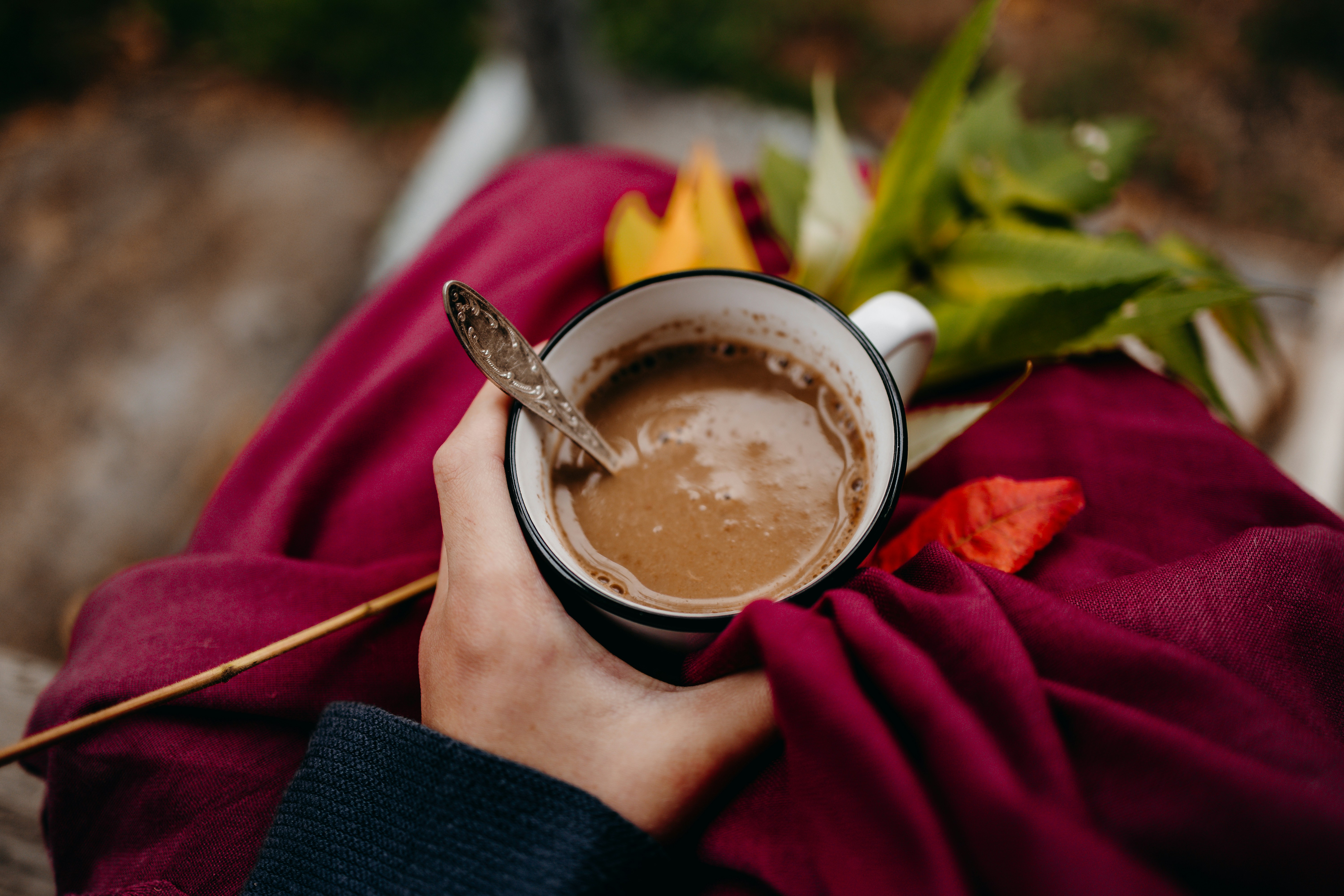
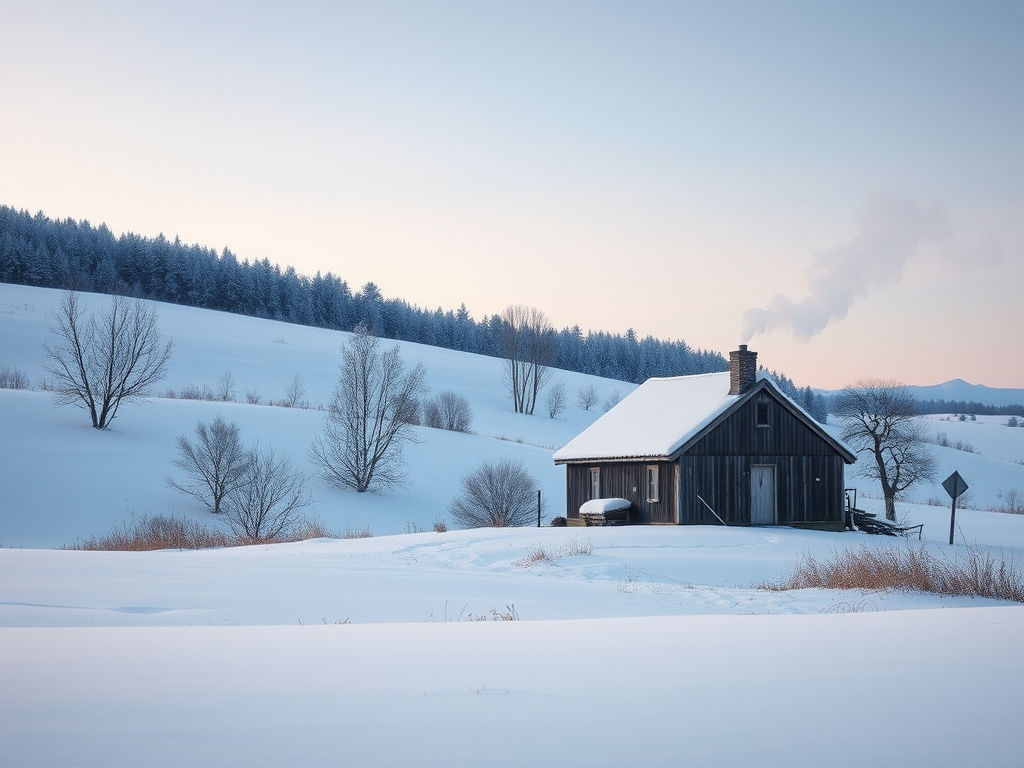
And when that fullness finally catches up with me, this is what I long for: thirty quiet minutes under the stars, cocoa in hand, snow crunching softly under my boots. No phone. No decisions. No “what’s next?”—just breath and stillness.
That kind of homestead self‑care isn’t an escape; it’s a reset. One restful hour a week—phone down, chores paused—restores me far more than any screen time ever could. Sometimes it happens after puzzle night with the kids or a cozy movie evening. Other times, I slip outside once the house quiets and the moonlight hits the frost just right.
These small, sacred moments remind me why I chose a slow-living, family-centered life: growing our own food, raising our kids close to nature, and building community grounded in simplicity and care. Starting seeds for spring, gathering eggs in the cold, kneading bread for the week ahead—each task becomes a gift when I remember to slow down and notice it.
Gratitude in the Pause
When I take that pause, I notice things otherwise overlooked: the rhythm of my breath, the faint scent of woodsmoke, the gratitude warming my chest. This is the balance I crave as a working mom—not perfection, but presence. Simple living teaches me that rest and gratitude feed each other.
It’s not really a break from my life that I need; it’s a breath within it. I don’t want to wish the busy days away. I want to celebrate them—the laughter around the puzzle table, the smell of soup simmering, the promise that the seeds I plant now will nourish us months from now.
Make Space for Your Own Pause
If you’re walking a similar path, try setting aside just 30 minutes this week for yourself—a short walk, a deep breath, or a quiet cup of tea. See how the noise fades when you let the earth steady you.
Simplicity isn’t about doing less — it’s about noticing more. My ideal day on our little homestead is built around that truth. It’s a day where time stretches wide, full of laughter, sunshine, and slow, simple living.
Morning Calm and Connection
The day begins the way I love best — with toddler kisses, a sleepy hug from my six-year-old, and my husband beside me. Before the world fully wakes, we take a quiet moment to breathe together. There are no alarms, no emails, no errands pulling us away. The only plan is to move through the day at a gentle rhythm, enjoying each other’s company and the sweetness of home.
Breakfast and the Beauty of Routine
Breakfast is a family affair. My husband gathers eggs while I grind coffee beans and brew a fresh pot. The kids take their favorite jobs — cracking eggs (usually with some shell), preparing pancake batter, and frying bacon. We cook with the windows open, sunlight pouring in and the sound of birds joining our morning conversation.
The meal is simple and colorful: fresh eggs, pancakes, and bacon from last year’s pigs. It takes longer, but it’s richer in every way because we do it together.
Hands in the Dirt, Hearts at Ease
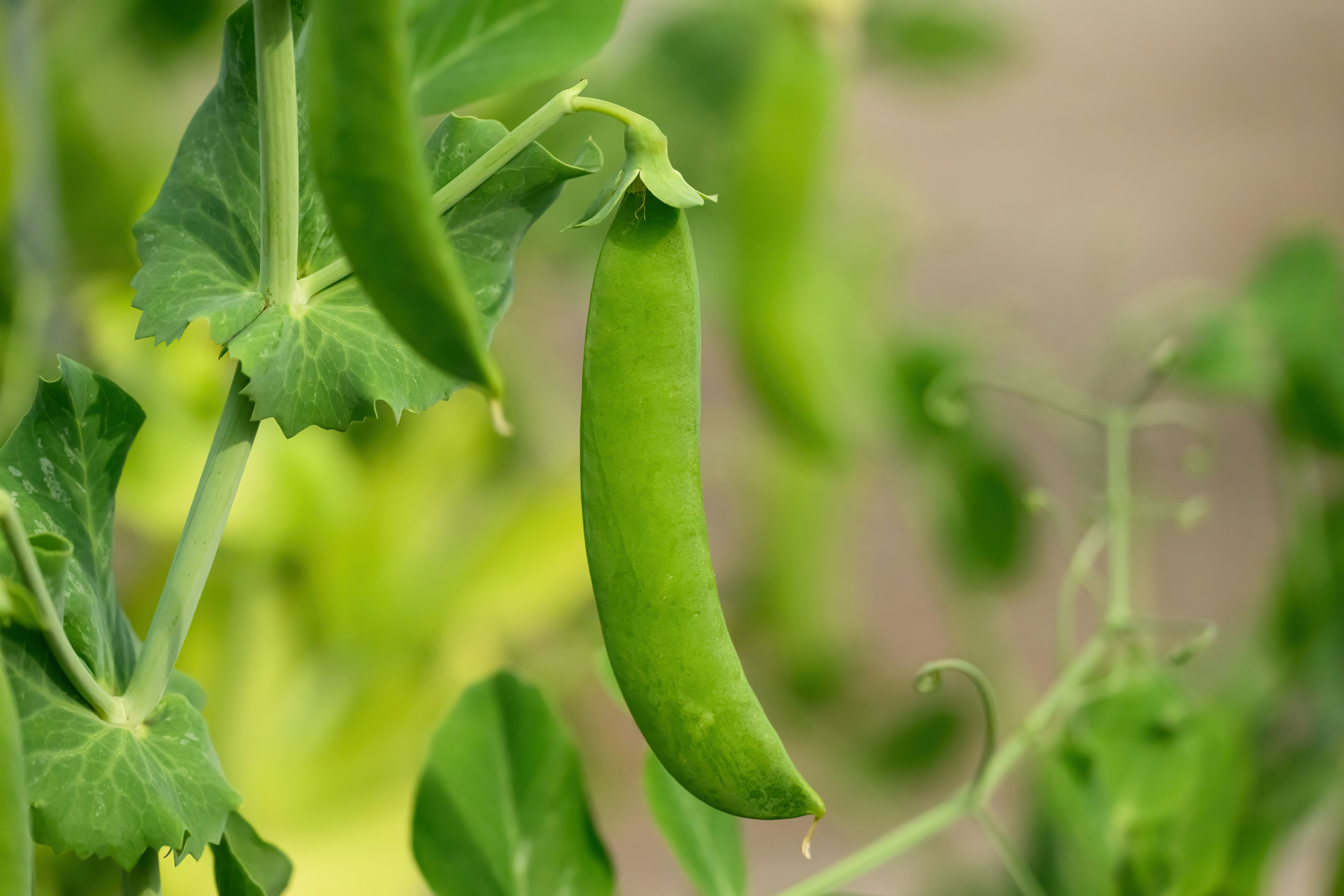
After breakfast, my husband heads out to refill the animals’ water tanks and check the garden fences. Meanwhile, the kids and I harvest what’s ready — sun-warmed tomatoes, crisp cucumbers, and snap peas that rarely make it to the kitchen. We feed the chickens, pick up toys outside, and pause often to feel the warmth of the day settling in.
The work hums softly in the background; it’s grounding, steady, and quietly joyful — the soundtrack of homestead life.
Raising Kids on a Homestead
By late morning, the chores shift to play. We might pack up for an outing — a trip to the library or a shady walk by the Horicon Marsh — or stay close to home and make our own adventure. My husband and son might build something simple, like a birdhouse or garden trellis, while my daughter and I mix water, flower petals, and herbs in the “mud kitchen.”
These are the moments where raising kids on a homestead feels magical — learning through exploration, imagination, and plenty of sunshine.
Building Homestead Community
Around noon, our neighbor stops by with a bag of fresh Amish bakery treats. He stays for a half hour just to chat at the kitchen table while the kids dart in and out. We sip lemonade and trade stories about gardens, weather, and local goings-on.
These spontaneous visits are at the heart of homestead community — the easy, come-as-you-are friendships that summer invites. When he heads out, we make a quick lunch of garden sandwiches and homemade pickles, laughing over whose plate is the messiest.
The Rhythm of Slow Living
The afternoon drifts by in that perfect blend of rest and play. My toddler naps, the older one curls up with a book or joins my husband hoeing the garden, and I steal a few quiet minutes with a book on the bench outside our door. Later, we cool off in the sprinkler, make homemade popsicles, or pick raspberries from the patch.
The hours stretch unhurried — each one filled with that golden kind of peace slow living on a homestead offers.
Simple Suppers and Summer Evenings
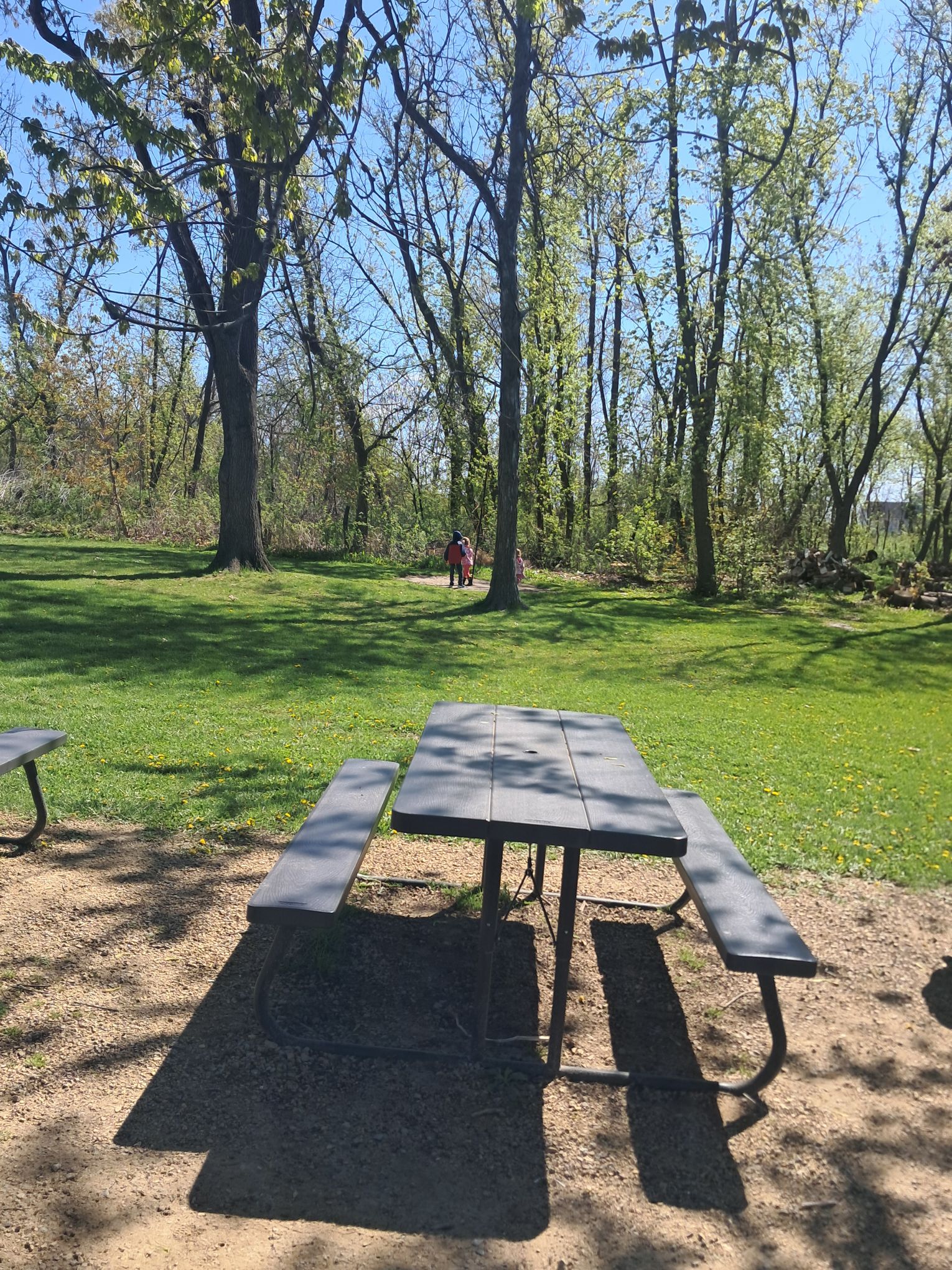
As evening settles, supper becomes another shared project. My husband fires up the grill while I toss a big garden salad and slice the first broccoli of the season. The kids set the picnic table beneath the maple tree. We eat outside, barefoot and happy, surrounded by the hum of summer — crickets chirping, bees buzzing, and the sky fading into soft pink.
After dinner, we linger. Sometimes it’s s’mores over the firepit, other nights it’s catching fireflies or telling stories under the stars.
The Gift of Enough
When the kids are asleep, my husband and I share a quiet moment on the park bench — two cold beers, warm night air, and a shared silence that says, “This is exactly where we’re meant to be.”
These days remind me that simplicity isn’t a destination; it’s a daily choice — a rhythm we return to when life feels too loud. Most of us don’t get many days like this, but even small pieces of them are enough to steady the heart.
This is my ideal summer day: no deadlines, no projects, no rush. Just the four of us growing food, raising kids, building community, and living a simple homestead life that teaches us how beautiful “enough” really is.
💬 Tell me about your ideal summer day! What does simple living look like in your home or community? Share your thoughts or your favorite summer traditions in the comments — I love hearing how other families find joy in the everyday.
💚 If this post resonates with you, please like and share this post to spread the message of simple, grounded living.
If I won the lottery, I wouldn’t change much about my life—just the pace of it. The truth is, my dream life already unfolds in a kitchen filled with vegetables, laughter, and flour‑dusted hands.
I don’t often buy lottery tickets myself; they usually show up as small, easy gifts tucked into birthdays or holiday exchanges. Last Christmas, I received a couple of scratch‑offs and quickly realized I had no idea what I was doing. (Is there a secret club for people who actually understand those rules?) Somehow, by sheer guessing or luck, I ended up winning $25. A fun surprise, sure, but not what this prompt is really about.
The real question, I think, is this: What would you do if money were no longer a stressor?
Buying Back Time
For me, the answer is simple—I’d buy back more time. My husband and I have already been working toward that goal. We’re shaping a life that values time over convenience and connection over consumption. Not time to sit idly, but time to live more fully: to raise our children, grow our food, and slow down enough to notice the beauty in ordinary days.
We’ve traded convenience for satisfaction. I would much rather spend an hour chopping vegetables and stirring a pot beside my kids than spend that same hour working to afford a restaurant meal I didn’t make. There’s something grounding about cooking dinner on our stove while twilight settles outside the window, the kids laughing nearby as the kitchen fills with warmth and good smells. The meal may take longer, but the value of it lingers long after the dishes are done.
If Money Were No Object
If I suddenly didn’t have to think about money, I wouldn’t move away from this life—I’d sink deeper into it. I’d build a larger greenhouse to grow more food, not just for our family but to share seedlings and knowledge with neighbors. I’d host more community meals—the kind where tables are lined with mason jars of flowers, kids are chasing chickens through the yard, and conversations stretch long into the evening.
My husband would spend more time perfecting his model engines, patiently shaping each piece until it fits with quiet precision. And I’d write more—stories, reflections, maybe even a book about how cultivating food and family can teach us nearly everything we need to know about patience and abundance.
Real Wealth
We didn’t choose this way of living because it’s easier. We chose it because it reminds us what’s real: the joy of working with our hands, of hearing laughter drift through the kitchen, of eating something we grew from the soil beneath our feet.
Maybe the real prize isn’t a winning ticket—it’s the quiet wealth of growing food, raising kids, and building community.
If this story resonated with you, I’d love for you to join the conversation!
💬 Tell me in the comments—what would you do if money were no longer a worry?
💚 If you enjoyed this reflection, tap the ❤️, share it with a friend, and subscribe for new posts about growing food, raising kids, and building community.
Discover why growing food, raising children, and building community are at the heart of my homesteading mission. Together, we can return to the roots of connection, resilience, and hope.
Working mom of 2 shares her homesteading origin story – from Wisconsin dairy farm rebel to choosing chickens, gardening and bread making. Environmental professional finds freedom in practical homesteading.
Cooking with children makes the best family breakfast recipes! Homemade sausage patties, hashbrowns, perfect scrambled eggs. Real child kitchen helpers story + weekend breakfast chaos and joy.
What the seasons can teach us about slowing down, finding balance, and belonging A version of this essay appears in the January 8, 2026 edition of the Dodge County Pionier.
Ask most people how they measure time today, and the answers sound familiar: alarms, deadlines, color‑coded calendars, the endless scroll of days on a glowing screen. Phone notifications cut across dinner, school schedules slice afternoons into drop‑offs and pickups, and the next bill due date is never far from mind.
Where I live, time follows a different rhythm—guided not by screens but by the soil itself.
My family keeps time by the signals nature gives: sap rising in March, turtles crossing the road in May, fireflies at dusk in June, corn drying into gold by October. A cold north wind can say “November” more clearly than any app. These cycles remind us that time isn’t a race toward exhaustion; it’s a loop—a pattern of effort, rest, and return.
In a world obsessed with productivity, the land offers a quiet lesson: slowing down isn’t falling behind. It’s catching up to what matters.
Winter: the radical act of rest
When the holidays end and snow hushes the fields, stillness takes hold. The world outside the window turns soft and muted, as if someone turned down the volume. Days stretch long. Nights invite reading, conversation, and quiet.
In modern life, that slowness often gets labeled “unproductive.” Inbox counters climb even as the sun sets before dinner. But in the rural calendar, winter is preparation—the season the earth itself uses to heal. Under the frozen top layer, roots are resting, waiting for their cue.
Inside, a different kind of work takes over: soup on the stove, a deck of cards on the table, a cat snoring near the heat register. There’s no badge for this kind of work, but the house feels fuller for it.
Winter offers permission to pause. Even without a farm or a woodstove, anyone can claim a bit of that wisdom: choose a few evenings when nothing is scheduled, let the phone stay in another room, and let the quiet do its work.
Spring: a rehearsal for renewal
Spring announces itself quietly at first—a drip of meltwater from the eaves, the smell of mud, the first bird that sings before sunrise. One morning the snow looks tired; the next, you notice a thin green line where the lawn meets the sidewalk.
We tap trees and plant seeds, acts that serve no instant gratification. The sap runs clear and cold, one slow drop after another into plastic jugs. Seed trays sit under lights, all dirt and hope, for weeks before anything green appears. Yet when syrup warms pancakes or sprouts unfurl in a window box, you can taste reward drawn from patience.
Spring teaches urgency without panic. Ramps, asparagus, morels, and rhubarb arrive in a rush, then slip away as if they were never there. The season reminds us that beginnings are not one-time events but recurring invitations. The world doesn’t ask, “Did you start perfectly?” It asks, “Are you willing to start again?”
You don’t need a sugar bush or a greenhouse to feel this. A single pot of herbs on a balcony, or a commitment to walk the same city block once a week and notice what’s blooming, can turn spring into a ritual rather than a blur.
And after that first rush of green, the land hardly pauses—by July, it’s in full voice.
Summer: where work and joy meet
By midsummer, everything hums. In the afternoon heat, insects buzz like a low electric current in the fields. Lawnmowers start and stop up and down the street. Windows are open, and someone, somewhere, is grilling.
Gardens overflow. Tomatoes split if you don’t pick them in time. Zucchini multiplies on the counter and quietly appears on neighbors’ doorsteps. Kids shriek through sprinklers, leaving wet footprints on hot pavement. Even the air smells different: cut grass, sunscreen, diesel from a tractor on a distant road.
Like the growing season, our best days often mix effort with enjoyment. Summer’s lesson is simple: work and joy are not enemies. They often belong in the same hour. There is satisfaction in going to bed with dirt under your fingernails and the memory of a late sunset still bright in your mind.
The reward for effort can be as close as a ripe berry, a shared picnic in a city park, or a tired, happy body at the end of a long, light-filled day.
Autumn: gratitude and gathering
Autumn softens the light and sharpens the air. Mornings carry that first hint of frost, and you can see your breath if you step outside before the sun gets serious. Leaves turn from green to gold and red, then crunch underfoot in the driveway.
The season’s abundance—pumpkins on porches, apples piled in crates, shelves lined with jars and loaves—reminds us how much depends on cooperation: between people, earth, and time. No one person makes a harvest alone. There are seed savers, farm workers, truck drivers, grocers, and cooks all woven into the meal.
Gratitude, in this season, isn’t just a word reserved for a single holiday. It’s the habit of looking at an ordinary table—soup, bread, a piece of fruit—and seeing the many hands and seasons that brought it there.
Even in an apartment, autumn can become a practice of gathering: inviting friends over for a simple pot of chili, walking through a park under changing trees, or taking five extra minutes to watch the early dark settle in instead of rushing past it.
What circles can teach a linear world
When winter returns, it’s easy to see it as a setback: dark, cold, the end of something. But the more closely the seasons are watched, the clearer it becomes that time does not move in a straight line. It hums in a circle.
Each season brings another chance to begin again—not by doing more, but by noticing more. The calendar on the wall may march from one square to the next, but the world outside repeats its old, trustworthy patterns: thaw, bloom, heat, harvest, rest.
Wherever you live—city or countryside—you can keep time with the land in your own way. Let January be a little slower. Let spring mean at least one meal built around what is fresh where you are. Let summer include a night spent outdoors until it’s fully dark. Let autumn carry a moment of thanks, even if it’s just whispered over a sink full of dishes.
The land has never hurried. It always arrives where it should. Maybe we can too, if we’re willing to step out of the race now and then and walk in circles for a while instead.
How could you bring a bit of seasonal balance into your daily routine? Please let me know below in the comments.
If this reflection on seasonal living resonated with you, please take a moment to like and share it with someone who might need a gentler rhythm right now.
To receive future essays on slow, seasonal living straight to your inbox, subscribe to the blog and join this little community of people learning to keep time with the land.
Rural wealth is not always measured in money. A reflection on barter, neighborly help, local food, practical skills, and the quiet strength of community.
Happiness doesn’t come from perfect days—it grows in balance, family, friendship, and the quiet rhythm of everyday life. Here’s how I find joy in being present.
When my son asked to go sledding after a long week, my instinct was to say no. Dinner had to be made, and I was tired. But one small “yes” led to laughter, connection, and a moment that reminded me why slowing down matters most.
You’d think after all this time, I’d have learned how to juggle it all—but balance always seems to slip through my fingers. The truth is, my biggest challenges aren’t bold or dramatic. They’re quiet, persistent companions that live in the corners of everyday life.
One of my greatest challenges is balance—finding a rhythm between work, motherhood, and the slower life I want to live. I work outside the home as well as inside it, which means my days are often split between spreadsheets and snack times, meetings and meals. Some mornings, I leave a work call only to find myself wiping peanut butter off the counter or rescuing a half-folded load of laundry. In those moments, I’m reminded that both roles matter—and that balance isn’t about perfection, but about presence.
A close cousin to balance is learning to give myself grace in the in-between. As a parent and partner, I want to show up patient and calm. As a person, I still fall short plenty of days. Some nights, after the kids are asleep, I replay all the times I snapped or hurried through a moment that deserved more. But I’m learning that gentle doesn’t mean flawless—it means pausing, forgiving, and trying again the next morning.
Patience is something I’ve been working on my whole life, and it remains one of my biggest ongoing challenges. It’s also one of my main focuses for this new year—learning not just to wait, but to wait well. Whether it’s slowing down enough to listen to my kids tell the same story for the third time or giving myself permission to move at my own pace, patience feels like both a discipline and a kindness I keep coming back to.
Perhaps the hardest to shake is mental clutter—that constant background hum of to-do lists, choices, and invisible labor. On my best days, homesteading helps quiet it all. There’s something steadying about digging my hands into the soil, hanging laundry in the sun, or collecting eggs in the stillness of early morning. Those small tasks return me to the present. They whisper that the work of life isn’t about getting everything done, but about doing the next loving thing.
My biggest challenges don’t come in waves—they come in moments. They live in ordinary pauses between rushing and resting, striving and savoring, criticizing and forgiving. And that’s where I’ve learned the most growth hides: not in conquering big mountains, but in walking the same quiet hills again and again until they no longer feel so steep.
What are your biggest challenges these days? Are they loud and obvious or quiet and persistent, like mine? Share your thoughts in the comments — I’d love to hear what you’re learning to balance or let go of this year.
If this post resonated with you, please take a moment to like, share, or subscribe. Your support helps this little corner of the internet keep growing—a space for real conversations about family, grace, and the beauty of everyday life.
Join me for weekly reflections on family, patience, and the slow work of becoming. Subscribe below to start each week with calm inspiration and honest stories from everyday life.
You get to build your perfect space for reading and writing. What’s it like?
Every writer dreams of a space that feels like home to their thoughts—a corner of the world where imagination stretches its legs and the noise of life takes a softer tone. Mine isn’t glamorous or high-tech, but it’s built for calm, comfort, and curiosity. A place where peace and creativity meet in the same breath.
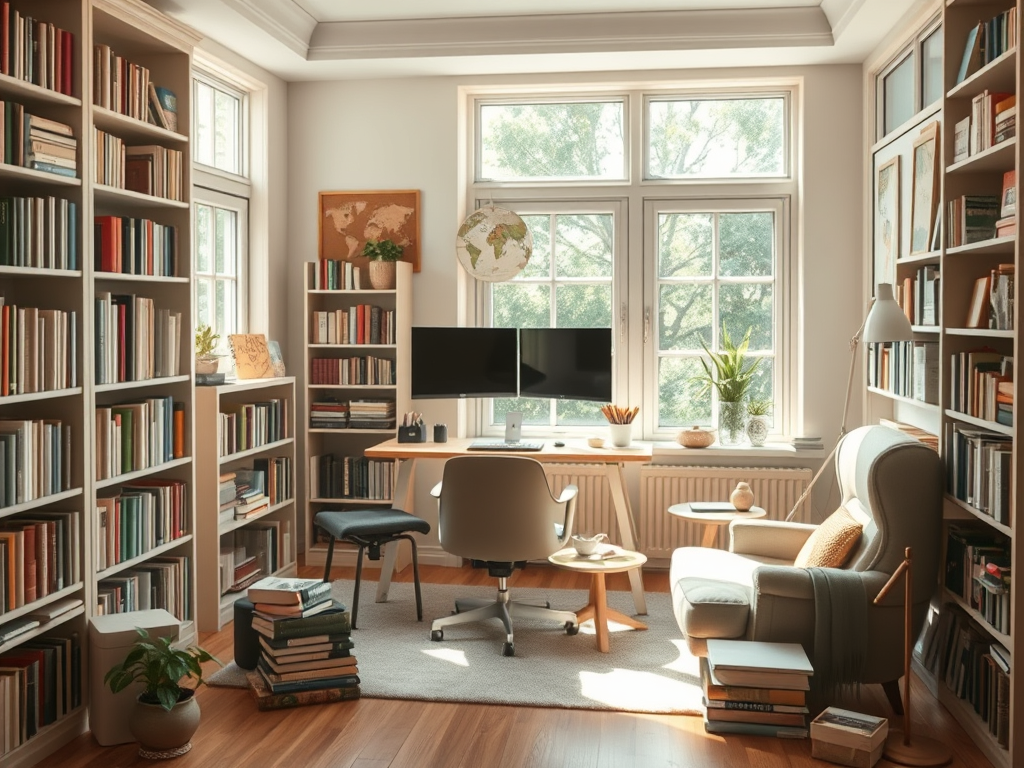
I see it tucked just far enough from the heart of the house to allow quiet focus, yet still close enough that I can hear the gentle rhythm of family life in the background. The walls glow in soft, natural tones—sage, cream, or pale gold—and the space feels welcoming from the first step inside. Bookshelves line the walls, heavy with well-loved novels, gardening books, and journals. Each spine tells a piece of my story, each page holding the warmth of past inspirations.
Sunlight spills through wide windows overlooking something living—maybe the garden, trees beyond the fence, or a meadow flickering with movement. In winter, a small fireplace adds its steady crackle and a hint of wood smoke to the air.
At the center sits my workspace: an ergonomic, spacious desk with drawers neat enough to keep the chaos contained but close enough for notebooks, colorful pens, and coffee within reach. My laptop and dual monitors stand ready for writing or deep-diving into research. And, of course, high-speed internet—because a writer’s curiosity shouldn’t have to wait for a page to load.
On one wall hang a couple of maps—one of Wisconsin, another of the United States, and a third of the world. They’re conversation companions during phone calls, or quiet invitations to study how places became what they are. Sometimes, I trace borders and coastlines with my finger, thinking about history’s slow hands shaping landscapes.
Next to them, shelves hold little collections from our life together—curiosities and keepsakes, handmade pottery, carved wood, painted stones, and things our children have crafted with care and imagination. Each object holds a small story and reminds me that creativity lives in every season of life.
For reading, a deep chair near the window offers comfort for quiet afternoons. A small side table waits for tea or a candle, while a corkboard above gathers quotes, sketches, and reminders of future dreams. The air feels alive with green things: trailing pothos, small herbs by the sill, and a fiddle-leaf fig soaking in golden light. The whole space breathes, warm and alive.
What I love most about this imagined room is its balance—it’s peaceful but not sealed off, still enough for thought but close enough to feel the pulse of family. The soft overlap of connection and solitude makes it feel whole.
This is where ideas grow roots and take flight—a sanctuary that mirrors the life I’m building: curious, creative, and connected.
In the end, it’s not just a room for reading and writing; it’s a reminder of why I create at all—to notice, to cherish, and to keep learning about the world and the people who make it home. Sunlight, comfort, connection, and wonder—the timeless ingredients of a life well-lived.
Now it’s your turn. Would your ideal space look like? A window view, a favorite chair, or maybe something that inspires you every day? Let me know below in the comments, and let’s inspire each other!
If this post brought a little inspiration to your day, please take a moment to like, share, or subscribe. Every bit of support helps grow this mindful space for stories, creativity, and connection.
Get gentle reflections on creativity, homestead life, and personal growth delivered straight to your inbox. Subscribe below and join our growing circle of readers who find beauty in slow, intentional living.
Discover how remembering kids’ names, birthdays, and small life details shapes deeper relationships, family life, and homesteading rhythms in a world that often moves too fast.
Happiness doesn’t come from perfect days—it grows in balance, family, friendship, and the quiet rhythm of everyday life. Here’s how I find joy in being present.
When I stop and think about it, I realize happiness isn’t a single moment or destination. It’s a rhythm that threads quietly through daily life. I’m genuinely happy right now, and to be honest, that still scares me a little. After enough seasons of joy and hardship, I’ve learned happiness is fragile—and I hold it more gently now. Things aren’t perfect, but I’ve grown steadier, more willing to face the bumps with grace.
I’m happiest when life feels balanced—when I can handle its joys and challenges without losing my footing. Moving my body helps clear the fog; it’s how I reset my mind as much as my muscles. Eating food we’ve grown or cooked slowly pulls me back to the present—the smell of herbs, the warmth of a skillet, the satisfaction of work made real. And sleep, when I finally give myself enough of it, has a way of making everything else fall into place.
Family time fills me in a way nothing else can. The laughter around the dinner table, a quiet morning coffee before the kids wake, even teamwork in the garden with dirt under our nails—all of it reminds me why this slower, more intentional life matters.
And then there’s friendship—the kind that weaves into daily life like a second family. Friends I can call when I need help, and who know I’ll show up for them too. The ones I meet for coffee to swap stories and laughter while the kids race through the yard. Those moments—ordinary and real—anchor me in community, reminding me we’re not meant to do life alone.
Finally, happiness shows up when I allow myself to feel everything. To laugh without restraint. To cry when I need to. To be seen in all my humanness and still be loved. It’s not about perfection—it’s about presence.
So, when am I happiest? When life feels honest and steady—rooted in family, nurtured by friendship, and grounded in the quiet rhythm of being human.
Now it’s your turn—when do you feel most at peace or happiest? Is it in your family routine, shared laughter, or that first quiet sip of morning coffee? Share your thoughts in the comments below. I love hearing your stories and reflections.
If this post resonated with you, please take a moment to like, share, or subscribe. Every bit of support helps grow this small community where we celebrate family, simplicity, and the honest pursuit of happiness.
Discover the joys and challenges of raising backyard turkeys in this heartfelt story about patience, humor, and the journey from fluffy poults to Thanksgiving centerpiece. Learn personal lessons and practical insights from a family’s wild turkey-raising adventure.
Stone by stone, a farmer’s patient craft built more than a wall – it built a legacy. Discover a story of endurance, purpose, and quiet strength that still stands a century later.