
What are your feelings about eating meat?
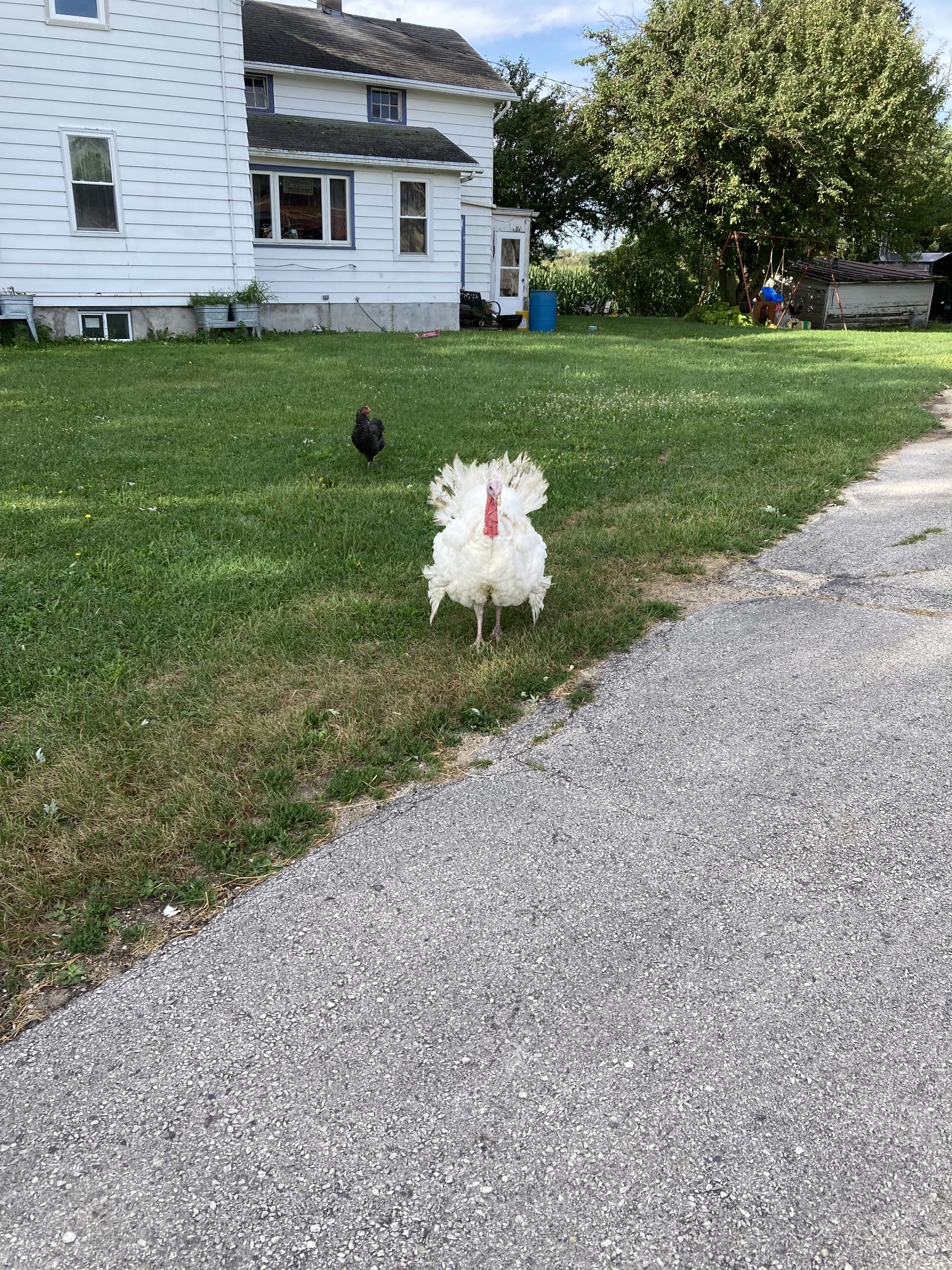
I sometimes grapple with eating animals I’ve raised and named. Pigs like Spotty loved to root in the muddy corners. The turkey Gobbles strutted proudly in the sunshine. The chickens clucked softly in the evening. I never take it lightly. There is an ache in my chest that tightens when I carry out the hard work of ending their lives. But I would rather face that ache honestly than be complicit in a system that strips animals of dignity, treating them as mere commodities instead of beings. For me, this tension is the price of eating meat with eyes wide open.
Growing up on my family’s dairy farm, caring for animals was part of my daily rhythm. I remember scratching the ear of a steer. He leaned into my touch with surprising gentleness while I broke ice on water troughs in the biting cold. However, even as a kid, we didn’t always eat meat from our own animals. We bought beef from the store, packaged and removed from the lives—or deaths—that put it on the table. That detachment was normal in my world, a quiet dissonance between nurturing life and consuming it anonymously.
It wasn’t until I learned about the horrors of industrial agriculture that my perspective began to shift. Chickens are crammed into tiny cages, cattle are confined in waste-filled feedlots, and pigs are subjected to painful tail docking. The animals I knew from childhood sparked a deep yearning to reclaim a meat-eating ethic rooted in respect and care. Where animals could express their natural behaviors under open skies.
Now, I raise pigs, turkeys, and chickens that roam freely, living full lives before their humane end. Spotty’s joyful mud rooting, Gobbles’s proud displays, and the quiet clucks of layers settling at dusk—all these moments remind me of the life behind the meat. After every harvest, I pause to thank them, honoring their sacrifice and the circle of life in a way that industrial meat production never allows. This act of gratitude is both a balm and a reminder of the weight carried in each bite.
Eating meat remains a negotiation between love and loss, tenderness and necessity. Naming my animals and seeing their personalities has made me confront discomfort rather than avoid it. It’s deepened my gratitude and underscored my responsibility. Though I sometimes wish I could spare each life, I have chosen this path over indifference. In this way, I believe that conscious stewardship is the only ethical way to continue eating meat.
In this balance, I find a measure of peace. I carry my sorrow alongside my meals, never forgetting the lives that nourish me. The choice is not easy, but it is honest. And in that honesty, I find a deeper respect—for the animals, for the earth, and for the tradition of living with awareness rather than denial.
If this essay resonates with your own thoughts on ethical eating, food sourcing, or the farm-to-table life, like it to show support. Share it with fellow homesteaders or omnivores questioning the system. Subscribe for more raw reflections on living intentionally with animals and land.
Related Posts
More Than a Meal: Raising Our Own Thanksgiving Turkeys
Discover the joys and challenges of raising backyard turkeys in this heartfelt story about patience, humor, and the journey from fluffy poults to Thanksgiving centerpiece. Learn personal lessons and practical insights from a family’s wild turkey-raising adventure.
Keep reading
The Choreography of Cattle and Grass
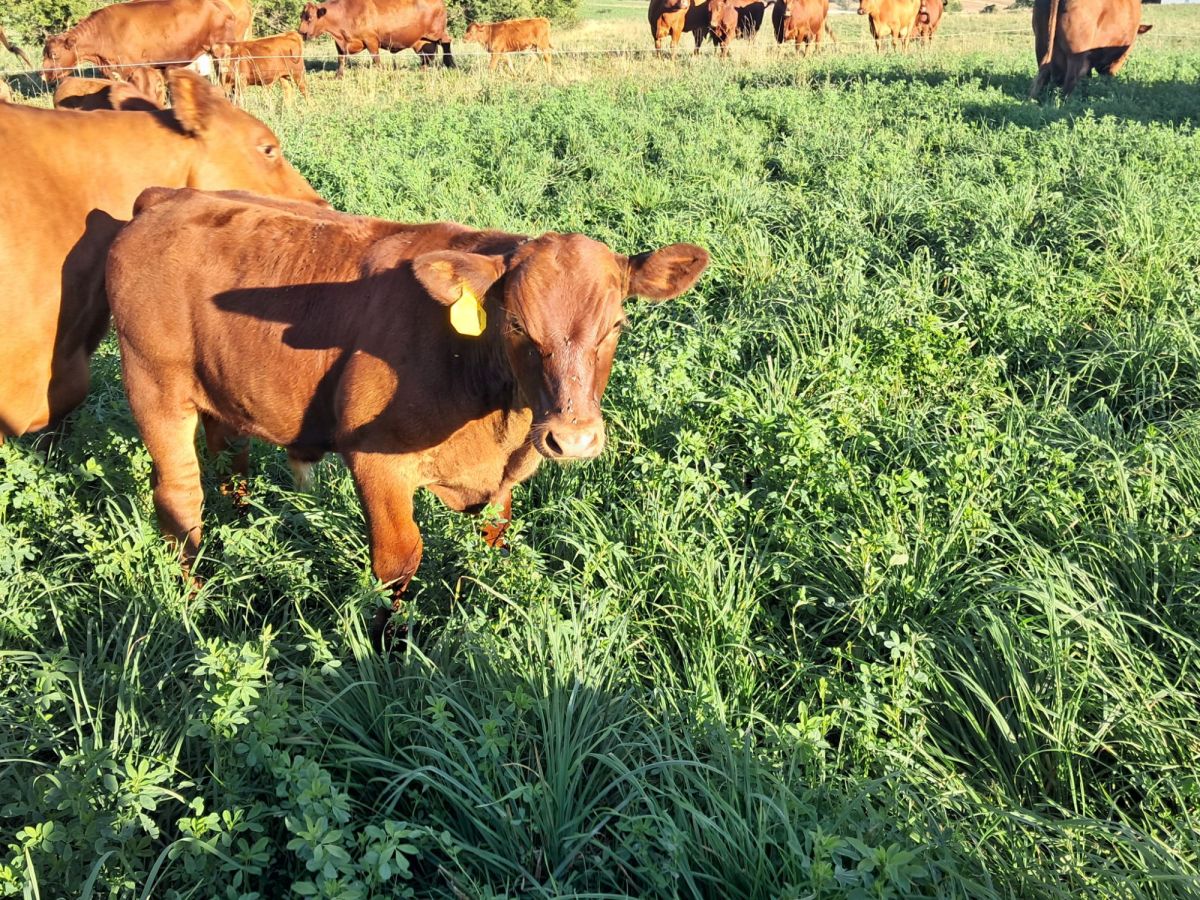
Experience a vivid farm story about rotational grazing, resilience, and regenerative land stewardship through the eyes of a family and their Red Angus herd. Discover how cattle, people, and pasture move together in balance
Keep reading
Between Joy and Heartbreak: Lessons from Life with Animals
If you care for animals, you soon learn that joy and heartbreak are neighbors—arriving together, sometimes within the span of a single sunrise. I didn’t set out to be a caretaker, but each creature has reshaped me, leaving lessons that linger long after the shed doors close. Learning Detachment My childhood on a dairy farm…
Keep reading
 Practical Homesteading
Leave a comment