Category: Community

  • My Mission: Growing Food, Raising Kids, and Building Community — A Path Back to Connection

    My Mission: Growing Food, Raising Kids, and Building Community — A Path Back to Connection

    Daily writing prompt
    What is your mission?

    “We’re stronger together.”
    — A lesson from the land, the past, and the heart.

    Some days, I find myself wondering why I share so much of my messy, joyful, back-to-the-land life. Then I remember—it’s not just a blog; it’s a declaration of purpose. I’m not just learning to grow food or raise livestock. I’m learning to build a life rooted in connection, resilience, and love—the kind of life that feels increasingly rare in our modern world.


    Growing Food

    My mission comes back to the words that guide everything I do: “Growing food, raising kids, building community.”

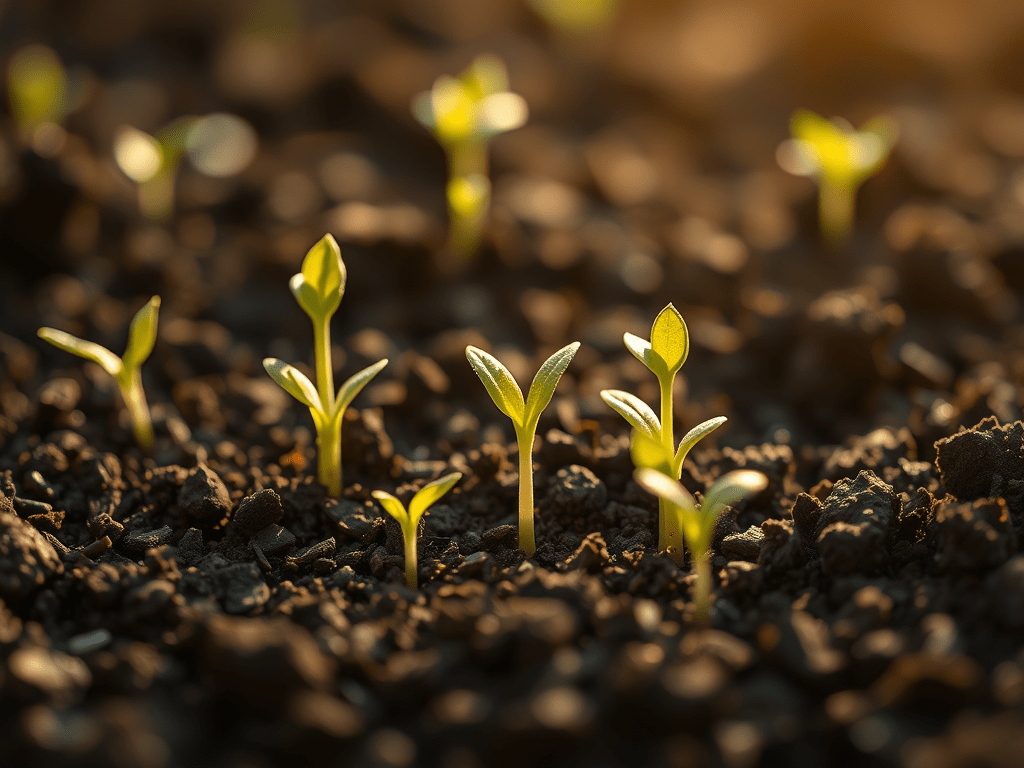
    Growing food isn’t just about self-sufficiency; it’s about slowing down and remembering that life takes time. Whether it’s a full garden, a few backyard hens, or a pot of herbs on a sunny windowsill, each act connects us to the earth and to the generations who worked it before us.

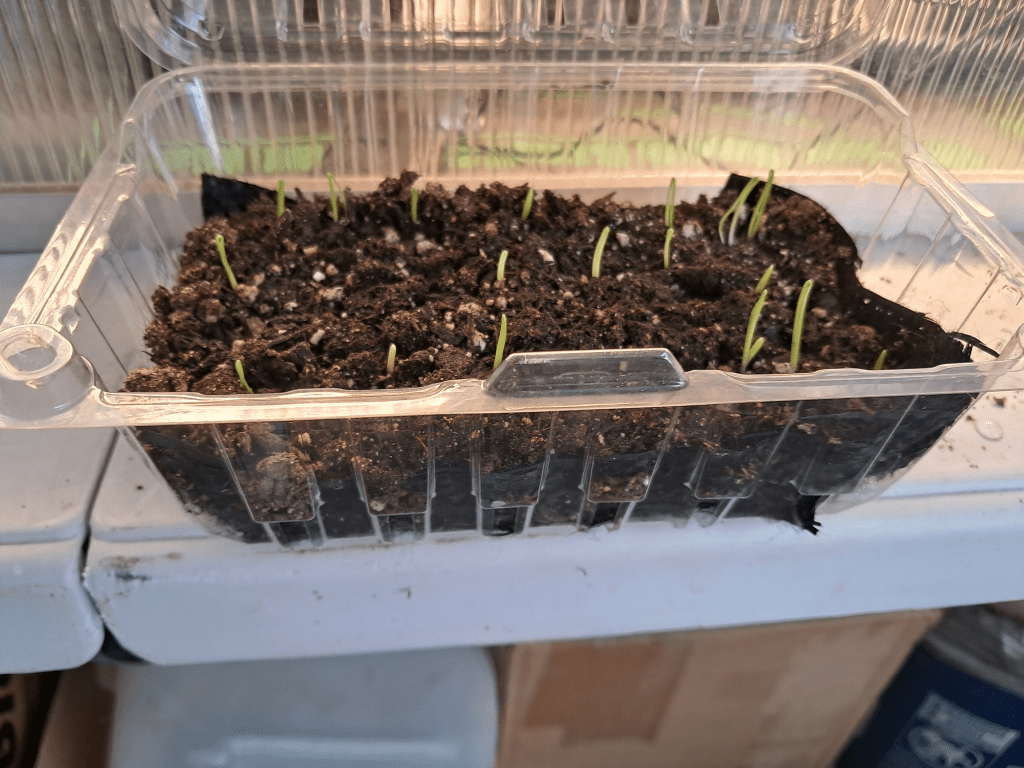
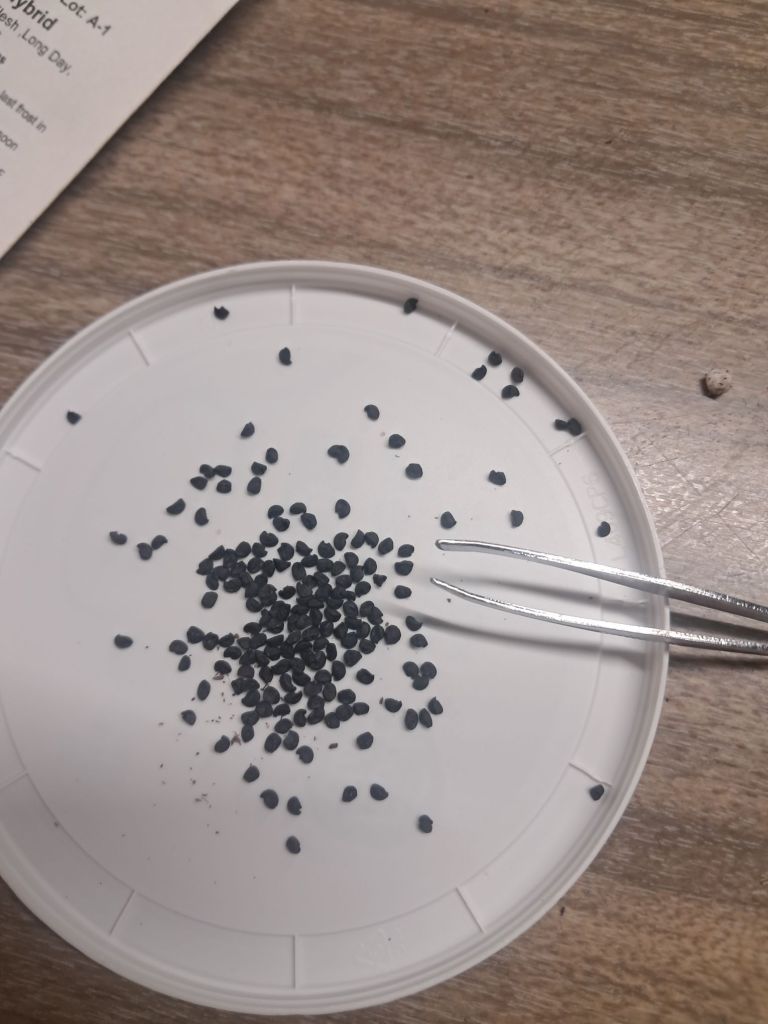
    You don’t need acres to begin—just a seed, a container, and a little sunlight.

    Even one small step can be the beginning of a more grounded life. Each seed planted is a reminder that we can create abundance with our own hands.


    Raising Kids

    Just as tending the garden teaches patience, so does parenting. Homesteading is a classroom like no other—muddy, humbling, and full of wonder.

    It teaches our children what no textbook can: that hard work matters, that life is cyclical, and that family is their safe harbor in a sometimes harsh world.

    My hope is that my kids grow up knowing home isn’t merely a place—it’s a legacy we build with care and intention. Whether they keep chickens, plant tomatoes, or simply carry these values forward, I want them to understand where they come from and who they are.


    Building Community

    And then there’s community—the heartbeat of homesteading and, I believe, our survival as humans.

    American society often tells us that strength comes from independence—that we should manage everything ourselves, and outsource what we can’t, because we’re too exhausted to do it all. But that version of “strength” leaves us burned out and disconnected.

    True strength doesn’t grow in isolation—it blossoms in interdependence.

    Sometimes that means swapping seeds or recipes; other times, it’s checking on a neighbor or being brave enough to ask for help. We were never meant to do this alone.


    Lessons from the Past

    When I think about how far we’ve drifted from those roots, I can’t help but look back with respect. Our great-grandparents understood community in ways we’ve forgotten.

    Their lives weren’t easy—many faced relentless hardship. I once read about children in rural Wisconsin in the 1930s who walked miles to town barefoot, carrying their shoes so they wouldn’t wear them out. They’d put them on only once they reached town, because those shoes had to last—and often be passed down to the next child.

    Those stories remind me that while the past wasn’t perfect, it carried wisdom worth keeping. People ate real food, raised resilient children, and looked out for their neighbors. They knew that survival wasn’t just about grit—it was about connection and care.


    Planting Hope

    In the end, that’s what I want my life—and this blog—to reflect. I want to inspire others to live intentionally, grow their own food, raise their families with love, and reconnect with the people around them.

    Because when we nurture the soil, our children, and each other, we’re planting more than gardens—we’re planting hope. And in that hope, we rediscover a simple truth our ancestors never forgot:

    We are always stronger together.


    Now it’s your turn. How do you balance modern life’s demands with a desire to live more simply? Tell me about it in the comments. Let’s start a conversation!

    If this post spoke to you, I’d love for you to help the message spread:

    💬 Share your thoughts in the comments — I truly enjoy hearing your stories.

    💚 Share this post with a friend who believes we’re stronger together.

    🌾 Subscribe to the blog for more reflections on growing food, raising kids, and building community—one season at a time.

    Related Posts

  • Keeping Time With the Land: How Seasonal Living Can Help You Slow Down

    Keeping Time With the Land: How Seasonal Living Can Help You Slow Down

    What the seasons can teach us about slowing down, finding balance, and belonging
    A version of this essay appears in the January 8, 2026 edition of the Dodge County Pionier.


    Ask most people how they measure time today, and the answers sound familiar: alarms, deadlines, color‑coded calendars, the endless scroll of days on a glowing screen. Phone notifications cut across dinner, school schedules slice afternoons into drop‑offs and pickups, and the next bill due date is never far from mind.

    Where I live, time follows a different rhythm—guided not by screens but by the soil itself.

    My family keeps time by the signals nature gives: sap rising in March, turtles crossing the road in May, fireflies at dusk in June, corn drying into gold by October. A cold north wind can say “November” more clearly than any app. These cycles remind us that time isn’t a race toward exhaustion; it’s a loop—a pattern of effort, rest, and return.

    In a world obsessed with productivity, the land offers a quiet lesson: slowing down isn’t falling behind. It’s catching up to what matters.


    Winter: the radical act of rest

    When the holidays end and snow hushes the fields, stillness takes hold. The world outside the window turns soft and muted, as if someone turned down the volume. Days stretch long. Nights invite reading, conversation, and quiet.

    In modern life, that slowness often gets labeled “unproductive.” Inbox counters climb even as the sun sets before dinner. But in the rural calendar, winter is preparation—the season the earth itself uses to heal. Under the frozen top layer, roots are resting, waiting for their cue.

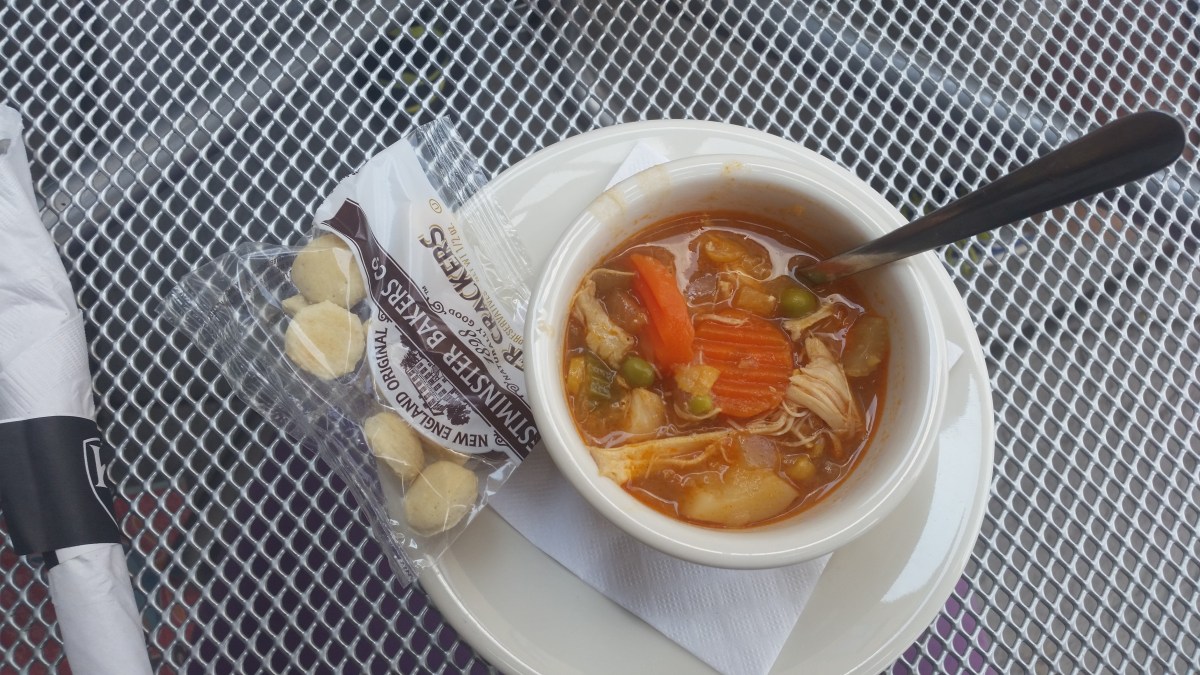
    Inside, a different kind of work takes over: soup on the stove, a deck of cards on the table, a cat snoring near the heat register. There’s no badge for this kind of work, but the house feels fuller for it.

    Winter offers permission to pause. Even without a farm or a woodstove, anyone can claim a bit of that wisdom: choose a few evenings when nothing is scheduled, let the phone stay in another room, and let the quiet do its work.


    Spring: a rehearsal for renewal

    Spring announces itself quietly at first—a drip of meltwater from the eaves, the smell of mud, the first bird that sings before sunrise. One morning the snow looks tired; the next, you notice a thin green line where the lawn meets the sidewalk.

    We tap trees and plant seeds, acts that serve no instant gratification. The sap runs clear and cold, one slow drop after another into plastic jugs. Seed trays sit under lights, all dirt and hope, for weeks before anything green appears. Yet when syrup warms pancakes or sprouts unfurl in a window box, you can taste reward drawn from patience.

    Spring teaches urgency without panic. Ramps, asparagus, morels, and rhubarb arrive in a rush, then slip away as if they were never there. The season reminds us that beginnings are not one-time events but recurring invitations. The world doesn’t ask, “Did you start perfectly?” It asks, “Are you willing to start again?”

    You don’t need a sugar bush or a greenhouse to feel this. A single pot of herbs on a balcony, or a commitment to walk the same city block once a week and notice what’s blooming, can turn spring into a ritual rather than a blur.

    And after that first rush of green, the land hardly pauses—by July, it’s in full voice.


    Summer: where work and joy meet

    By midsummer, everything hums. In the afternoon heat, insects buzz like a low electric current in the fields. Lawnmowers start and stop up and down the street. Windows are open, and someone, somewhere, is grilling.

    Gardens overflow. Tomatoes split if you don’t pick them in time. Zucchini multiplies on the counter and quietly appears on neighbors’ doorsteps. Kids shriek through sprinklers, leaving wet footprints on hot pavement. Even the air smells different: cut grass, sunscreen, diesel from a tractor on a distant road.

    Like the growing season, our best days often mix effort with enjoyment. Summer’s lesson is simple: work and joy are not enemies. They often belong in the same hour. There is satisfaction in going to bed with dirt under your fingernails and the memory of a late sunset still bright in your mind.

    The reward for effort can be as close as a ripe berry, a shared picnic in a city park, or a tired, happy body at the end of a long, light-filled day.


    Autumn: gratitude and gathering

    Autumn softens the light and sharpens the air. Mornings carry that first hint of frost, and you can see your breath if you step outside before the sun gets serious. Leaves turn from green to gold and red, then crunch underfoot in the driveway.

    The season’s abundance—pumpkins on porches, apples piled in crates, shelves lined with jars and loaves—reminds us how much depends on cooperation: between people, earth, and time. No one person makes a harvest alone. There are seed savers, farm workers, truck drivers, grocers, and cooks all woven into the meal.

    Gratitude, in this season, isn’t just a word reserved for a single holiday. It’s the habit of looking at an ordinary table—soup, bread, a piece of fruit—and seeing the many hands and seasons that brought it there.

    Even in an apartment, autumn can become a practice of gathering: inviting friends over for a simple pot of chili, walking through a park under changing trees, or taking five extra minutes to watch the early dark settle in instead of rushing past it.


    What circles can teach a linear world

    When winter returns, it’s easy to see it as a setback: dark, cold, the end of something. But the more closely the seasons are watched, the clearer it becomes that time does not move in a straight line. It hums in a circle.

    Each season brings another chance to begin again—not by doing more, but by noticing more. The calendar on the wall may march from one square to the next, but the world outside repeats its old, trustworthy patterns: thaw, bloom, heat, harvest, rest.

    Wherever you live—city or countryside—you can keep time with the land in your own way. Let January be a little slower. Let spring mean at least one meal built around what is fresh where you are. Let summer include a night spent outdoors until it’s fully dark. Let autumn carry a moment of thanks, even if it’s just whispered over a sink full of dishes.

    The land has never hurried. It always arrives where it should. Maybe we can too, if we’re willing to step out of the race now and then and walk in circles for a while instead.


    How could you bring a bit of seasonal balance into your daily routine? Please let me know below in the comments.

    If this reflection on seasonal living resonated with you, please take a moment to like and share it with someone who might need a gentler rhythm right now.

    To receive future essays on slow, seasonal living straight to your inbox, subscribe to the blog and join this little community of people learning to keep time with the land.

    Related Posts

    The Quiet Wealth of These Fields

    Welcome to the rural economy—where value isn’t counted in cash but in connections. Beneath the wide-open sky, where grain silos and fence posts stitch the land into neat parcels, the real currency is not minted or printed. It’s grown and built, raised and traded. Trust, hard work, the barter of honest services and handmade goods.…

    Keep reading
  • Homestead Longevity Habits: Growing Food, Raising Kids, Real Life

    What are your thoughts on the concept of living a very long life?

    Do you want to live to 100—or just live well until 98, still gathering eggs with grandkids?

    I don’t know if I’ll get there, but my great-grandfather did, according to my Dad. He was lucid and mobile nearly to the end. In my mid-30s, I’m stacking practical habits on our homestead to increase those odds: growing food, raising kids, building community.

    My Daily Longevity Playbook
    Stress reduction starts by cuddling with my kids—reading to them works better than any app.
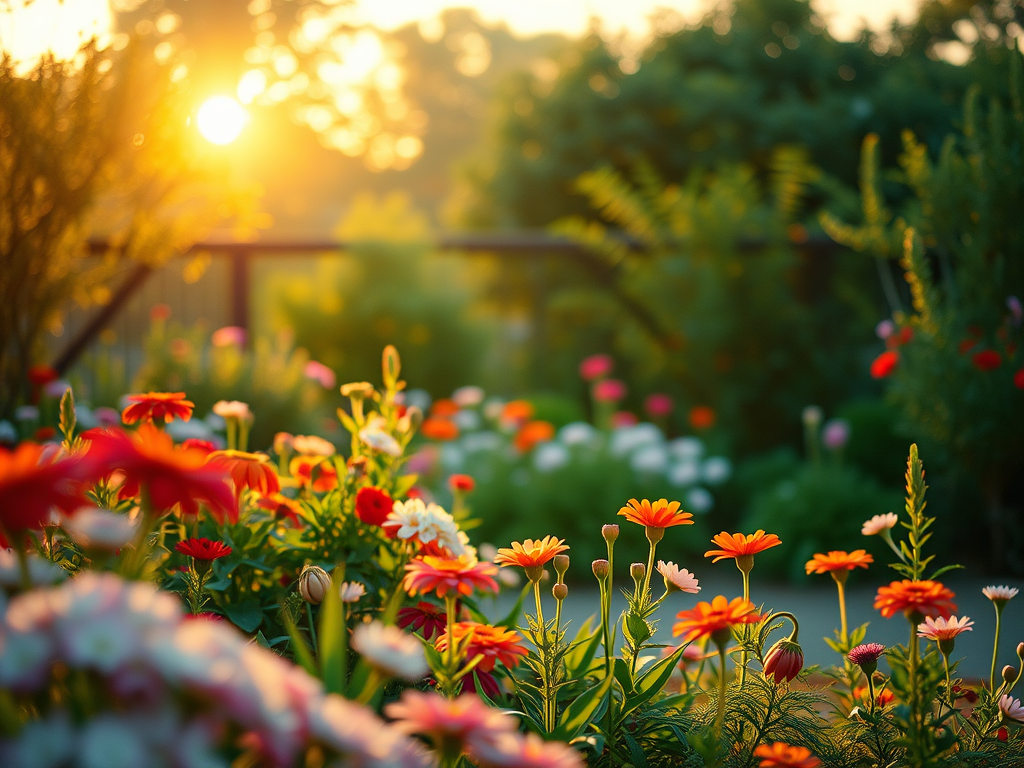
    I aim for a half-hour outside daily, walking our land or talking to friends on the phone. Friendships faded for years after college, but now I’m rebuilding. I pursue projects with neighbors, a monthly book club I love (the reading! the conversations!), and a local women’s business group. These are the bonds that science says add years to your life.
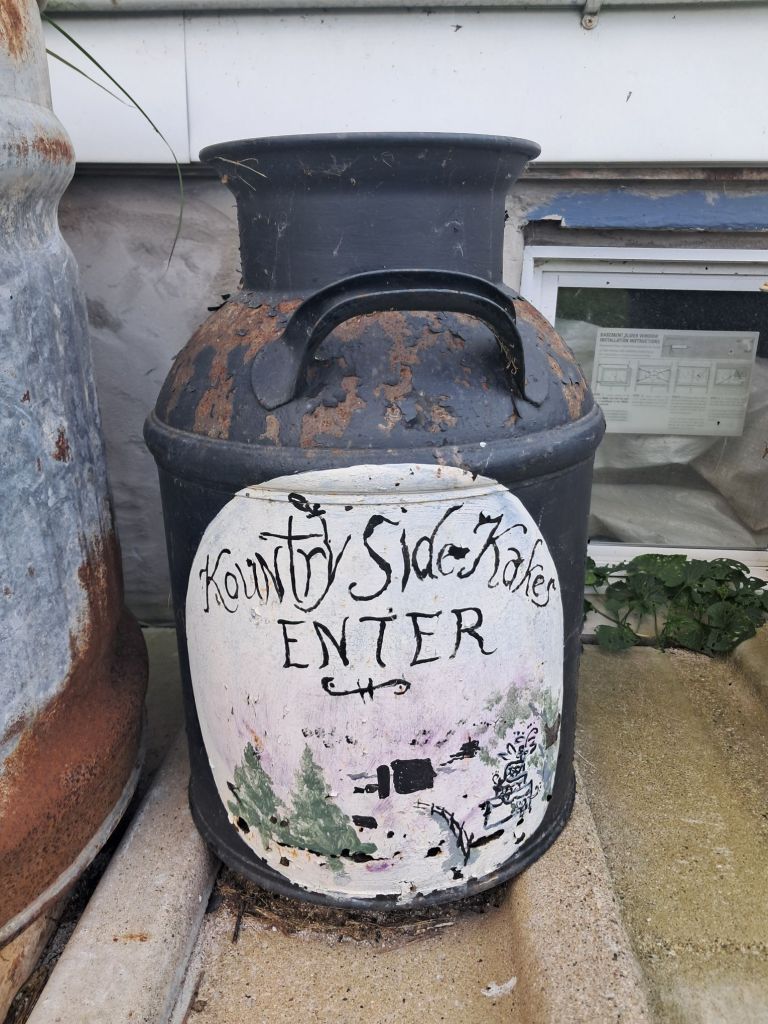
    Food comes mostly from our backyard or my hands. Kneading bread with kids’ sticky fingers. Simmering soups from last week’s harvest. My toddler daughter prefers kitchen chaos—stirring, measuring—over outdoor chores (though she squeals for eggs). These moments teach more than nutrition.

    Movement stays simple. Fifteen minutes most mornings. Hauling feed sacks, chasing little legs—it builds bones that last.

    We’re saving more than 15% now—no desks at 90. Self-reliance cuts costs. Growing our own feeds the plan.

    Parenting builds the deepest roots. Our six-year-old folds laundry (grumbling). Toddler “helps” everywhere. These shared chores create memories stronger than birthday cards decades from now.

    Marriage anchors everything. My husband and I have cultivated collaboration—shared goals, complementary strengths. He lifts heavy, builds systems. I tend garden rhythms, kid routines. This divides loads, multiplies joy, limits resentment. Longevity for two definitely beats going it alone.

    Sleep: The Hardest Reset
    Pre-kids, unbroken sleep was default. Now? Night wakings, early risers, worry-spinning mind. Relearning happens slowly: early dinners, screen-free evenings, herbal tea. One solid night compounds.

    What 98 Years Taught Me
    My dad remembers Great-Grandpa’s callused hands still driving around at 95, pipe smoke clinging to his flannel. No protocols—just simple food, steady movement, people who mattered. That’s my blueprint.

    I see myself at 90 on our porch: grandkids gathering eggs, husband rocking nearby, son and daughter helping us, friends sharing harvest soup. That picture fuels every dirt-caked morning.

    The Homestead Longevity Formula
    Growing food, raising kids, building community—these practices stack together, increasing the odds of a long life according to science. Whole foods fight inflammation, movement builds resilience, relationships protect telomeres. I don’t know if I’ll reach 98, but I’m doing what I can to tilt the scales. Truth hits hardest when flour dusts my daughter’s nose or my husband and I split evening chores by instinct.


    Your turn: What’s your one non-negotiable longevity habit amid real life? Drop it below—I might steal it for our place.

    If this hit home, help it reach someone else:
    ❤️ Like if you’re building for the long haul
    📤 Share with a friend fighting sleep battles 
    📧 Subscribe for more Practical Homesteading

    **Growing food, raising kids, building community**—straight to your inbox.

    Related Posts


  • What Could I Do Differently?  Homesteading, Kids Chores, and Friend Connections

    What Could I Do Differently? Homesteading, Kids Chores, and Friend Connections

    What could you do differently?

    I catch myself asking this while scrubbing potatoes at the sink, weeding garden rows, or picking up blocks for the tenth time.

    On our homestead, the work never stops. But lately, I’ve seen a few clear ways to shift — not for perfection, but for more peace, presence, and real connection with the people who matter most.

    Slow My Yes. Guard My Rest.
    Here’s one big change: I’d say yes more slowly. And treat rest like a non-negotiable chore.

    Extra commitments sneak in easily — kid activities, one more property project, favors for friends. They’re good things. Until they blur our days into exhaustion.

    Rest isn’t optional. It’s fuel.

    What that looks like for us:
    – One protected family evening weekly. No plans. No screens.
    – A slower morning after big days, even if dishes wait.
    – Sometimes my best “yes” is actually no — leaving margin for what refills us.

    Pull the Kids Closer (Mess and All)
    When I’m tired, my instinct is “just do it myself.” That’s changing.
    We’ve asked our six-year-old to help clean and put clothes away. He sighs. Drags his feet through the laundry pile. Grumbles. But he does it. And when he does, my load lightens. We talk about his day while he folds socks and I straighten up the living room. We laugh when a shirt lands inside-out.

    Kids helping isn’t efficient. It’s essential.

    Those small chores build something bigger: his sense of belonging, our family rhythm, moments to actually connect instead of just managing the house around him.

    Make Space for Neighbors
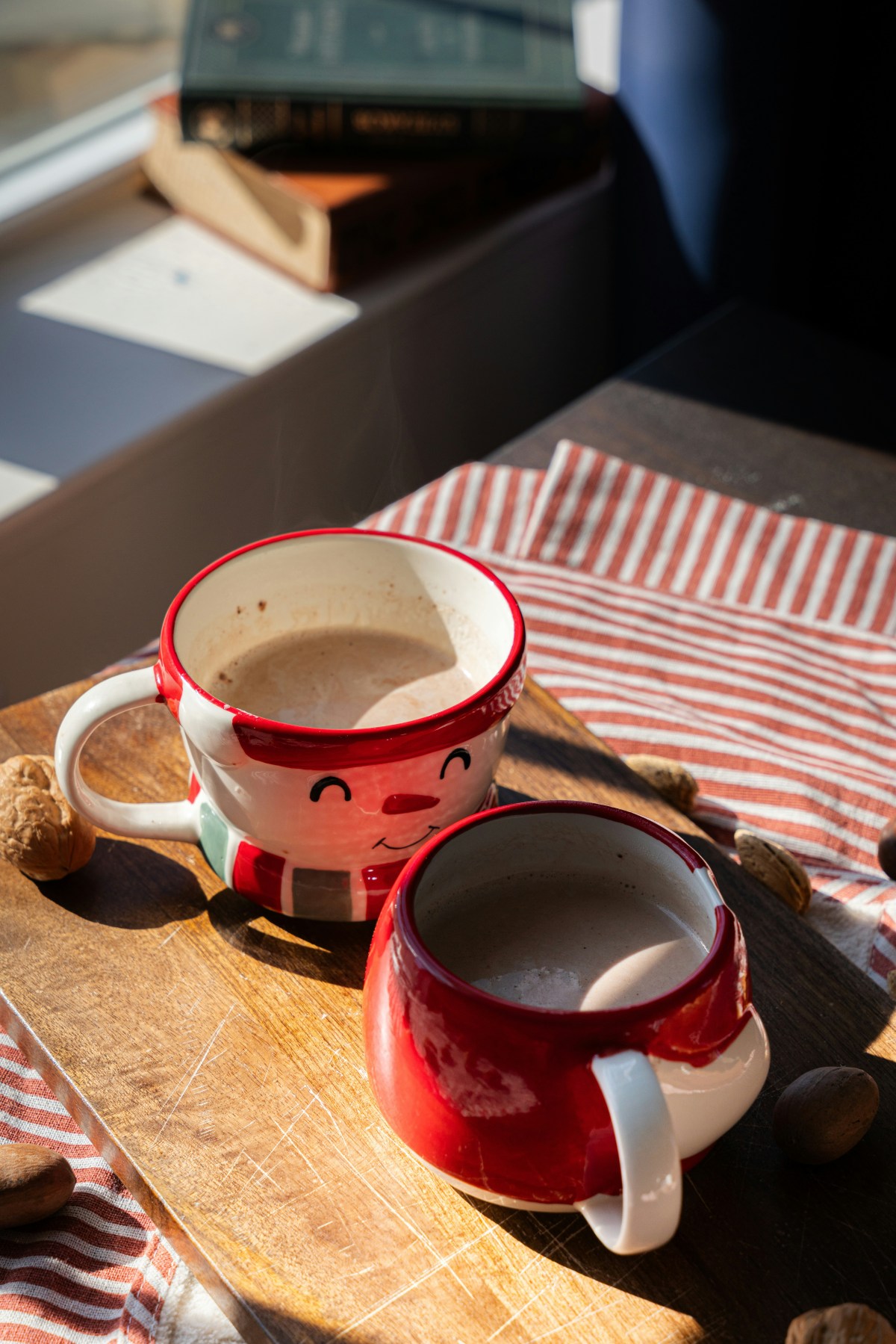
    Right now, we’re looking for more neighbor friends — the kind who stop by with garden produce or help with a project. Lately, I’ve been carving out time for one friend, helping her keep up with a winter garden. We talk animals, plot cold frames, and hope for a game night soon under blankets with hot cocoa.

    That’s the kind of margin I want more of. Not just for projects, but people. The garden beds matter. But so do late talks about goats versus chickens, shared labor on a neighbor’s shed, or laughter over cards with new friends nearby.

    Real community doesn’t form on a schedule. It grows.

    What I could do differently: protect one flexible afternoon weekly for whoever shows up — the neighbor with a question about crop rotation, or someone new walking up the drive. Our homestead thrives when the people around it do, too.

    The Change That Stays
    These shifts aren’t a checklist to conquer. They’re small turns toward what matters:

    – Saying yes slower.
    – Resting on purpose.
    – Inviting kids into real chores like cleaning and clothes.
    – Making room for neighbors, not just garden rows.

    The weeds won’t stop growing. The laundry won’t vanish. But with these changes, our home could become what I picture most:

    A place where garden beds,
    kids folding tiny clothes,
    and neighbors’ boots on the porch
    all thrive side by side.


    What’s one thing you could do differently this week? Share your thoughts in the comments!

    If this post sparked a moment of thought or connection for you, please take a moment to like, share, or subscribe. Your support helps this little space of reflection and growth keep blossoming.

    Love real-life stories from the homestead? Practical Homesteading: growing food, raising kids, building community. Get honest reflections like this in your inbox.

    Related Posts

  • We’re Stronger Together:  Homesteading, Family, and the Power of a Village

    We’re Stronger Together: Homesteading, Family, and the Power of a Village

    If you had a freeway billboard, what would it say?

    “Real life — the good kind — isn’t a solo project. It’s meant to be shared.”

    If I Had a Freeway Billboard, It Would Say:
    “We’re Stronger Together.”
    Simple. Short. True.

    That phrase might only take a second to read, but it’s something I’ve come to believe deeply over time. Homesteading, parenting, and everyday life keep reminding me that none of us truly thrive in isolation. We can’t — and we’re not meant to.

    The Myth of “Doing It All”
    I’ve tried to “do it all” before. Maybe you have, too.

    I remember one quiet afternoon watching our toddler play alone in the wide stretch of our backyard. Sunlight shone on his light blonde hair. Chickens were clucking somewhere behind him. The smell of wet grass lingered after the rain. My husband and I had been talking about having another child, but the thought brought a flood of questions. Could we manage it all — raising little ones, keeping the homestead going, working — without losing our minds or each other?

    That moment planted a seed. I didn’t know it then, but it would change how we lived. Even though we were proud of our self-sufficiency, trying to do everything alone left us stretched thin and quietly disconnected.

    Real life — the good kind — isn’t a solo project. It’s meant to be shared.

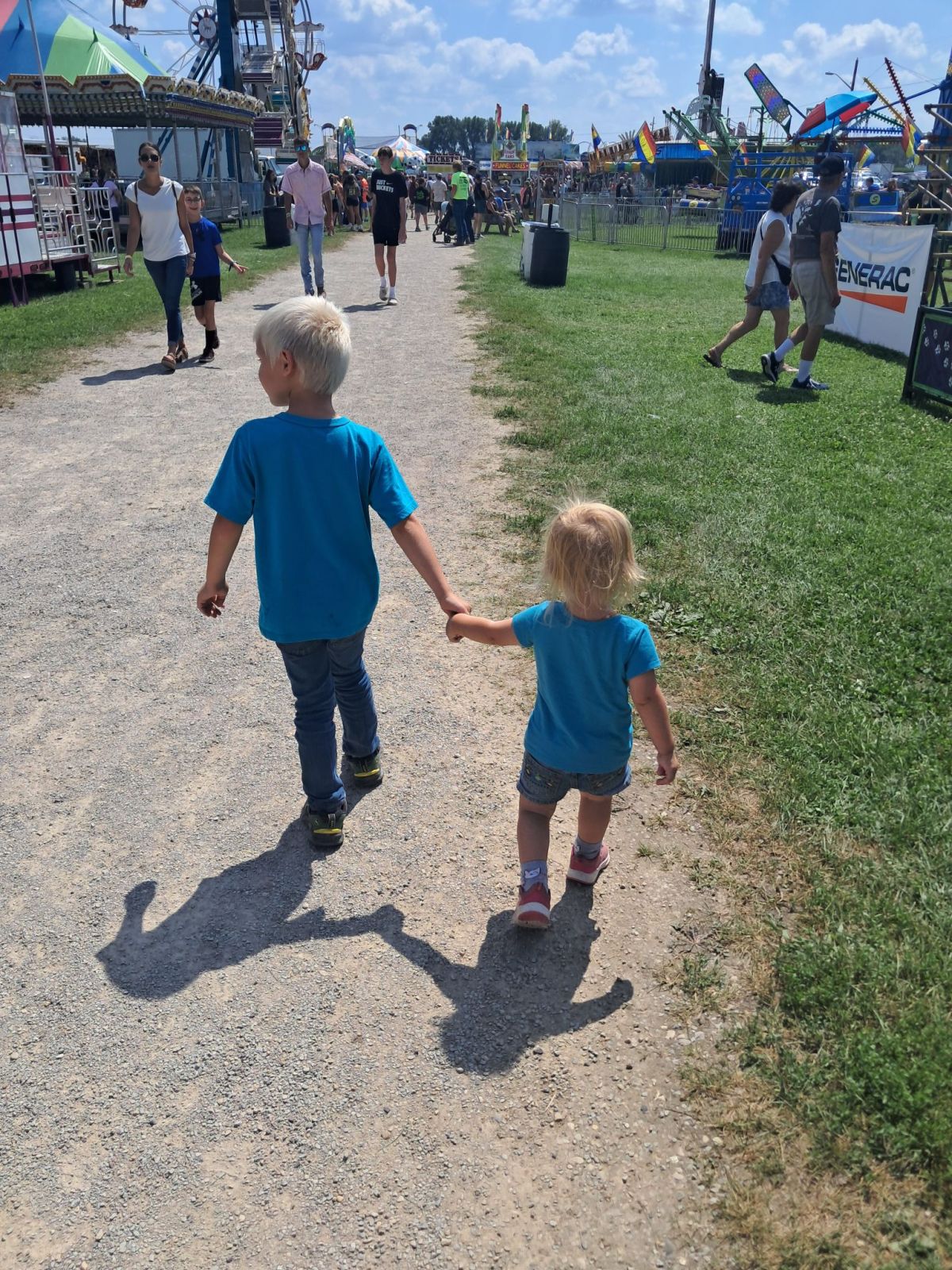
    In the four years since that afternoon, so much has changed. We moved closer to family and, not long after, welcomed our daughter — another beautiful whirlwind of toddler energy. Now we have more of a village to help raise her. And in turn, we can show up for others.

    That web of giving and receiving has made all the difference. It’s turned our days into something more sustainable, more joyful, and far more connected.

    Why “Together” Matters
    It’s easy to imagine strength as something proven alone. But real strength is interwoven — built through connection, trust, and shared effort.

    It’s the kind that shows up when neighbors help fix our house, when friends drop off soup unasked, or when laughter spills out during chores that would otherwise feel endless.

    On the homestead, togetherness looks like shared harvests and muddy boots side by side. The garden gets weeded faster when more than one person is pulling. The work lightens, and the smiles come easier.

    That’s the kind of strength that fills the spaces where frustration or loneliness might otherwise take root.

    And that same truth guides the way we’re raising our kids.

    Building “Together” at Home
    In our family, we talk a lot about contributing to the household — because this home’s success belongs to all of us.

    Since I started giving our six-year-old a daily job, he’s made it clear he doesn’t always love it. He sighs, he drags his feet, and he grumbles his way through — but he does it.

    And afterward, something shifts. My load feels lighter, our days run smoother, and I have more time to simply be with him — to laugh, to listen, to connect.

    The lesson is simple but powerful: we build strength, resilience, and belonging not by doing everything ourselves, but by doing our part together.

    What That Billboard Really Means
    So if someone sped past my billboard and read the words “We’re stronger together,” I’d hope it would land right when they needed it most — in a moment of overwhelm, or when they’re trying to carry too much alone.

    Because strength doesn’t have to mean solitude. Sometimes the bravest thing we can do is reach out a hand — or take one that’s being offered.

    After all, the strongest gardens — like families — grow best when many hands tend them.

    And that truth keeps my feet steady, season after season.

    We’re stronger. Together.


    What’s one way someone has shown up for you recently? Please share your stories in the comments.

    If this post sparked a moment of thought or connection for you, please take a moment to like, share, or subscribe. Your support helps this little space of reflection and growth keep blossoming.

    Love real-life stories from the homestead? Join the Practical Homesteading email list for new posts on growing food, raising kids, and building community, plus seasonal updates and simple, practical ideas for home.

    Related Posts

    The Booyah Curling Club: Finding Community in Unexpected Places

    If you started a sports team, what would the colors and mascot be? Some people dream of owning a football franchise or a professional basketball team. Me? I’d rather build something smaller—something you can actually show up for without needing a corporate sponsor or a teleprompter. Mainstream sports have their own kind of magic, sure,…

    Keep reading
  • Past Lessons and Future Dreams: Learning, Growing, and Moving Forward

    Past Lessons and Future Dreams: Learning, Growing, and Moving Forward

    Do you spend more time thinking about the future or the past? Why?

    They say hindsight is 20/20, but I think it’s more like a mirror — one that reflects both who we were and who we’re becoming. And the future? That’s the canvas we’re still painting, brush in hand, deciding what colors come next.

    I spend time with both — the past and the future — but if I had to choose, I’d say I think about the future more. Still, the two aren’t separate for me. The past is where the learning happens, and the future is where I try to put that learning into action.

    Learning from the Past
    When I think about the past, it’s rarely about nostalgia. More often, it’s replaying moments that didn’t go quite right — conversations I wish I’d handled with more patience or insight. I tend to notice small things, especially how the other person responded.

    Did they look away halfway through? Did their shoulders drop, or did their voice tighten? Did they frown — or cross their arms, or become defensive? Those reactions stay with me long after the conversation ends. They’re like clues that help me understand the power of tone, timing, and empathy.

    It’s not that I’m trying to critique every interaction — I’m trying to learn from them. Reflection, for me, has become a quiet sort of self-check. I don’t want to get stuck regretting old exchanges, but I do want to notice patterns: when I get defensive, when I rush my words, when I stop truly listening.

    Sometimes, it feels like flipping through a small mental scrapbook of lessons — not to linger on the pictures, but to trace the edges and think, How can I handle this better next time?

    Dreaming Toward the Future
    When my mind turns toward the future, everything feels brighter, warmer, and more open. I think about my family — how our children might grow, who they’ll become, and what kinds of people they’ll bring into their own lives. I think about my husband, and how I hope we’ll still laugh together, still spend weekends side by side, still find joy in the simple rhythm of our days.

    I imagine our home, our garden, the hum of a peaceful homestead alive with everyday sounds: wind in the trees, chickens clucking, maybe the buzz of bees on summer afternoons. Sometimes I picture our future selves sitting on the porch after a long day’s work, hands tired but hearts full, reflecting on the life we built together.

    Those dreams give me motivation. They remind me that the choices I make now — how I spend my time, how I treat people, how I speak and respond — are shaping the world I’m headed toward. Thinking about the future helps me see daily life not as a checklist, but as a foundation. Every habit or conversation plants a seed for what’s still to come.

    Using the Past to Benefit the Future
    Even my backward glances at the past carry a forward focus. When I catch myself remembering a tense moment or an awkward pause, I use it as a reminder: next time, pause longer. Listen more carefully. Stay soft even when the other person isn’t.

    Learning from the past gives me tools; imagining the future gives me energy. The two often work hand in hand — one guiding, the other driving.

    Balancing Reflection and Hope
    If I had to choose between thinking about the past or the future, I’d still say the future wins. But really, they’re part of the same equation. The past reminds me where I’ve been; the future invites me to grow beyond it.

    To me, this process is a lot like gardening. Each season leaves its mark — the crops that thrived, the ones that failed, the weeds you didn’t pull soon enough. But when you plant again, you do it with all that knowledge quietly tucked into your hands. You trust that what you’ve learned will make next season stronger.

    That’s how I try to live — learning gently, dreaming boldly, and remembering that both reflection and hope have their place in growth.


    Do you find yourself thinking more about the past or the future these days?

    When you look back, do your reflections inspire you to move forward differently? I’d love to hear how you balance the two — share your thoughts in the comments below.

    If this post sparked a moment of thought or connection for you, please take a moment to like, share, or subscribe. Your support helps this little space of reflection and growth keep blossoming.

    Each week, I share new reflections about learning, living intentionally, and finding joy in both the lessons and dreams that shape us. Subscribe below to grow along with me.

    Related Posts

  • The Greatest Gift: Time, Attention, and an Open Mind

    The Greatest Gift: Time, Attention, and an Open Mind

    What is the greatest gift someone could give you?

    We live in a world overflowing with stuff but starving for presence. The older I get, the more I realize that the greatest gifts don’t come wrapped, purchased, or planned — they come through connection.
    For me, the greatest gift someone could give isn’t a thing at all. It’s their time, their attention, and an open mind. Those three might sound simple, but they carry more weight than anything that can be bought.

    The Gift of Time and Attention
    Time is quietly the most valuable thing any of us have. None of us can make more of it — only choose how to spend it. So when someone offers their time freely, I see it as an act of generosity.

    The same goes for attention. In an age of constant distractions, uninterrupted focus feels like luxury. A conversation without checking a phone or glancing at the clock is rare — and meaningful.

    I’ve had moments when a friend listened without trying to fix anything, simply nodding and holding space while I talked through something heavy. No advice, no interruptions, just presence. That kind of attention lasts long after the words fade. It says, you matter to me right now.

    Time and attention are really about presence — about showing up fully instead of halfway. And if we can do something together, like tending a garden on a warm afternoon or cooking something fragrant on the stove, all the better. Shared experiences turn time into memory and memory into meaning.

    The Power of an Open Mind
    An open mind is just as important. Conversation stops feeling like connection the moment it turns into correction. I appreciate people who listen to understand rather than to win. When someone truly listens, it feels safe to share — to disagree, even — without fear of being shut down. That safety is what real trust feels like.

    But when a person constantly inserts their opinions or tries to prove a point, I quietly withdraw. It stops being dialogue — it becomes a contest, and connection disappears.

    Maybe that’s what ties all three gifts together — time, attention, and open-mindedness are all forms of presence. They ask us to slow down, listen, and approach each other with curiosity instead of control.

    Presence as the Greatest Gift
    The best gifts don’t usually arrive on birthdays or holidays. They show up in the small, ordinary moments when someone sets aside distractions and simply shows up.

    In the end, the greatest gift isn’t something someone gives to me — it’s how they show up with me. Showing up wholeheartedly — with kindness, curiosity, and no agenda — might just be the greatest gift we can offer each other.


    What’s the greatest gift someone has ever given you? Was it a thing, a moment, or simply their presence? Share your story in the comments. It’s always a joy to hear how others experience connection.

    If this piece resonated with you, please take a moment to like, share, or subscribe. Your support helps this space grow—a place for stories, reflection, and the quiet beauty of everyday life.

    Join me each week for reflections on connection, mindful living, and the small joys that make everyday life meaningful. Subscribe below to bring presence and perspective to your inbox.

    Related Posts

    Photo by Annie Spratt on Unsplash

  • A Proud Badger Journey: Lessons, Friendships, and Lifelong Connections at UW–Madison

    A Proud Badger Journey: Lessons, Friendships, and Lifelong Connections at UW–Madison

    What colleges have you attended?

    A Proud Badger Journey
    They say you never forget where you came from—especially if where you came from taught you who you are. For me, that place is the University of Wisconsin–Madison. I’m a proud Badger through and through, and UW–Madison shaped my future in ways I never expected.
    It took me about four and a half years to earn my undergraduate degree. I didn’t take the straightest path, but somewhere between long nights in the library, crowded buses, and the first hints of autumn around Lake Mendota, I found my footing. The campus pulsed with life—students weaving through lecture halls, the buzz of State Street on game days, and the sound of “On, Wisconsin!” echoing across the stadium. UW–Madison wasn’t just where I studied; it was where I started to become myself.
    From Research to Teaching
    When graduation rolled around, the job market was rough. At the time, I was working as an undergraduate researcher for a graduate student, helping with data collection and analysis. What started as a temporary position quickly became a turning point. My mentor didn’t just hand out assignments—he encouraged curiosity. He taught me to think critically, to ask better questions, and to explore the “why” behind what we were testing.
    With his guidance, I learned to build my own hypotheses, test them, and interpret my results. Eventually, I put together my first research poster and presented it at a conference of around 400 people. Standing there, explaining my work and answering questions, I realized I truly enjoyed translating complicated ideas into something approachable. That experience changed how I saw myself—I wasn’t just completing assignments; I was discovering my own potential.
    By the time I finished my undergraduate studies, my curiosity had outgrown the classroom. I wanted to keep asking questions. So when the department offered me funding for a full research project, tuition coverage, health insurance, and a modest stipend, it felt like the universe was giving me a nudge forward. I said yes, and graduate school became my next step.
    Graduate school came with a new kind of challenge. I served as a teaching assistant for soil mechanics, which pushed me far outside my comfort zone. Standing in front of a classroom for the first time, trying to explain shear strength and compaction testing, I learned quickly that teaching requires more than technical knowledge—it takes patience, clarity, and a calm voice when questions come faster than answers.
    That experience reshaped me. I discovered that true understanding isn’t about what you know—it’s about what you can help others learn. It also taught me time management, humility, and confidence under pressure. By the end of my program, I felt ready for what came next, both professionally and personally.
    Shortly before graduation, I received a job offer in my field from a nearby city. It was the perfect next step and proof that all those late nights and lessons had paid off.
    The Friendships That Last
    Even now, years later, that connection to Madison hasn’t faded. Some of my closest friendships were born there, forged through shared deadlines, football games, and spontaneous coffee breaks. A few of us still make time each year for a camping trip at a local state park—a weekend to slow down, unplug, and remember who we were when we met.
    Many of us are married now, raising families and chasing careers, but that same camaraderie still lives strong. And true to Badger tradition, every alumni wedding includes one sure thing: “Jump Around.” The moment those opening notes hit, every Badger in the room is on their feet, laughing and bouncing as if we’re back in the student section again. That song has become our unspoken promise—we may have grown up, but we haven’t grown apart.
    Looking back, my UW–Madison years were about much more than degrees or professional milestones. They were about growth—learning how to ask better questions, finding mentors who believed in me, and building friendships that stand the test of time.
    The University gave me an education, yes—but also perspective, gratitude, and a lasting sense of belonging.
    Once a Badger, always a Badger.


    If you’re a fellow UW–Madison alum (or college grad with fond memories), I’d love to hear your story. What lesson, tradition, or friendship from your college days has stayed with you the longest? Share below — let’s celebrate the memories that never fade.

    If this story brought back memories or made you smile, please take a moment to like, share, or subscribe. Your support helps build this community of reflection, growth, and genuine connection — one story at a time.

    Join me each week for reflections on life lessons, family, and the experiences that stay with us. Subscribe below to bring a little inspiration and gratitude into your inbox.


  • Looking Back and Writing Forward: My Year in Words

    Looking Back and Writing Forward: My Year in Words

    In November 2024, I started writing again — just for myself at first. It felt like rediscovering a familiar part of me that had been waiting quietly in the background. When I was a kid, I used to dream about being both a journalist and an author, so picking up the pen again felt a bit like coming full circle. The words started to flow, and before long, I realized how much I’d missed the process of shaping thoughts, stories, and ideas one line at a time.

    By May 2025, I decided to give my writing a proper home and launched a blog. It quickly became a place for reflection, creativity, and plenty of learning moments along the way. Some posts came together easily; others made me wrestle for every word — but each one taught me something about what inspires me and what connects with readers.

    A few months later, I created a Facebook page to share posts more widely and connect with people in a more conversational way. That turned out to be one of the best decisions yet. The page has grown into a lively community of over 2,100 people who comment, laugh, and share their own stories. I love that mix — serious one day, lighthearted the next — and the encouragement I’ve gotten there keeps me writing.

    September brought another milestone: I started writing a monthly column for the Dodge County Pionier. Seeing my words in print for the first time was both thrilling and surreal. I’ll admit, I took a photo of that first published column just to make sure it was real! Hearing from readers who’ve enjoyed those pieces has meant more than I can say.

    Since reopening that creative door a little over a year ago, I’ve drafted 123 blog posts (some better than others, haha), published weekly updates to 22 subscribers, and written four newspaper columns. Looking back, it’s amazing to see how this little writing habit turned into something that connects with so many people. In some ways, it feels like that childhood dream of being both a journalist and an author has quietly started to take shape.

    As I look ahead to 2026, I want to keep building on that foundation — continuing to grow as a writer, learn from readers, and explore new ideas. Lately, I’ve been diving into local history, and I’m fascinated by the stories tucked into everyday places around here. You’ll probably see some of that curiosity showing up in my posts this year.

    And since this space has become such a wonderful little community, I’d love to hear from you — what would you like to read in 2026? Are there local topics, stories, or memories you’re curious about? Drop a comment or send me a message. I’m always open to new ideas and conversations.

    Here’s to another year of words, stories, and shared discoveries. Cheers to 2026 — I can’t wait to see what we’ll uncover together!

    Join the journey! Subscribe to my blog for weekly posts or follow me on Facebook to share stories, laughter, and local discoveries throughout 2026.

    Related Posts

  • Relationships That Shape Growth: Lessons from Family, Friends, and Challenges

    What relationships have a positive impact on you?

    Relationships are like mirrors and anchors at the same time—some show who you are, others steady who you’re becoming. In this season of reflection, I realize how the “ordinary” people in my daily life quietly shape my growth. They influence my mental health and even my dreams. These bonds aren’t dramatic or headline-worthy; they’re the steady threads weaving a stronger me.

    The Foundation: My Partner
    My relationship with my husband forms the bedrock. He doesn’t just agree with me; he gently challenges my assumptions and expands how I see the world. When life feels heavy, he brings calm, humor, and problem-solving that reminds me I’m not carrying everything alone.

    Everyday Teachers: My Children
    My children root me in the present, pulling me from overthinking. They spark curiosity—asking endless questions, noticing tiny details, finding joy in the ordinary. Parenting stretches my patience and teaches me to slow down, breathe, and model emotional regulation they can carry forward.

    Roots and Reflection: Parents and Sisters
    My parents embody quiet generosity and long-term commitment. They show up, help, and give without keeping score—a living lesson in love in action. My sisters bring laughter and insight. We revisit our childhood, name its lasting imprints, and still share honest, silly, vulnerable moments safely.

    Steadiness and Encouragement: In-Laws and Friends
    My in-laws reveal family’s deeper layers—loving children wholeheartedly and offering dependable presence. That reliability steadies chaotic seasons. Friends urge me forward, saying, “Share that passion.” They cheer as I shape writing, parenting insights, and homesteading into gifts for others.

    Even the Hard Ones: Lessons from Tension
    Even draining dynamics now serve growth. They highlight where boundaries must firm up and remind me not everyone merits deep access to my inner world. The shift: observe and learn without repeated hurt, protecting energy with compassion for all involved.

    These relationships—supportive, challenging, or tough—collectively sculpt who I’m becoming. I nurture love, honesty, and respect while curbing harm. In doing so, my life mirrors the connections I hope to pass to my children.


    Now it’s your turn. What’s one relationship shaping your growth right now?

    If this resonates, like, share, and subscribe for more on personal growth, parenting, homesteading, and real-life wisdom. Your support keeps this community thriving!

    Join our newsletter for weekly reflections on family, growth, and finding wisdom in everyday life. Subscribe below to receive thoughtful stories straight to your inbox.

    Related Posts