Category: Family Life

  • Seeds of Patience: What Planting Onions with My Child Taught Me About Growth

    Seeds of Patience: What Planting Onions with My Child Taught Me About Growth

    My six‑year‑old son and I stand together in the soft, golden light of a winter morning. Outside, the world lies quiet under a thin layer of snow. Inside, our kitchen hums with gentle purpose. On an old sour cream container cover, tiny onion seeds rest—black flecks of promise. The soil waits to cradle them in recycled strawberry cartons. My son points to the sunbeam and whispers that the floating dust looks like magic. I smile and agree.
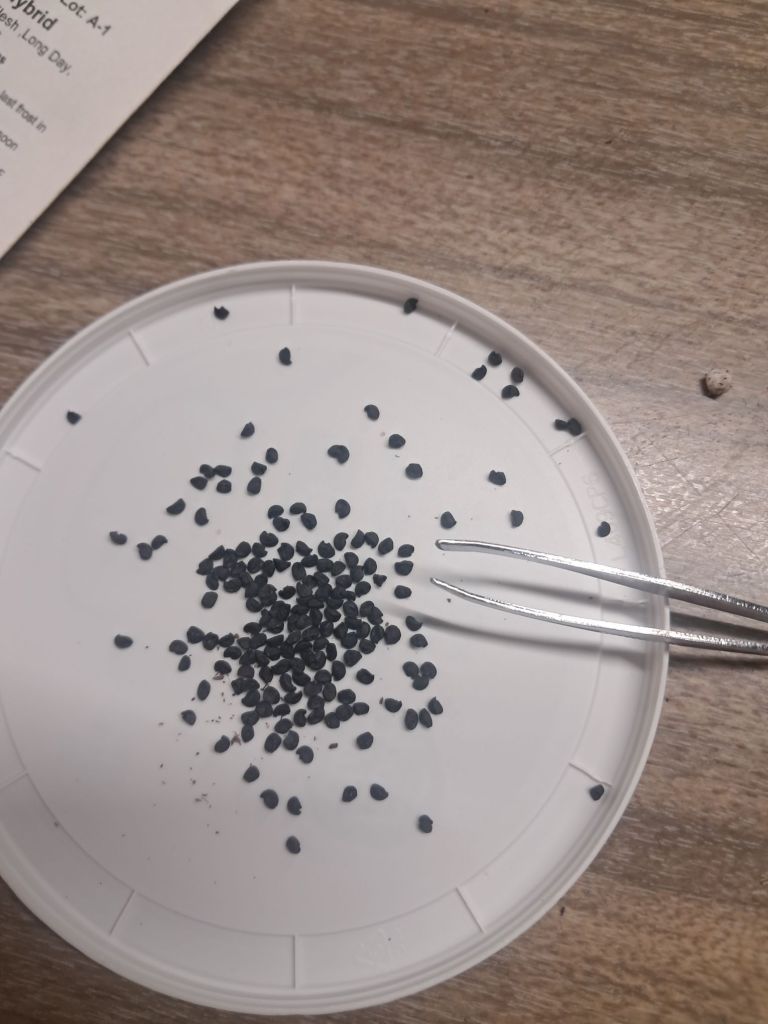
    With tweezers in hand, I show him how to lift each seed and drop it into place. He tries once, twice, and then finds his rhythm. We do this a hundred times—two sets of hands planting quiet hope in the soil. The air smells of earth and possibility. Even in midwinter, there’s life brewing under our fingertips.

    I am struck by how vulnerable each seed is—relying entirely on us for warmth, water, and light. They hold the potential to feed our family, just as my son holds his own potential, waiting for the right care to help him thrive. I can give him a home, guidance, and love, but not control what takes root or how quickly it grows. All I can do is nurture and trust.

    Each morning, we peek into the trays. Nothing happens—until, suddenly, everything does. A thin green shoot bends toward the light, impossibly fragile yet fierce in its will to live. I feel that same thrill watching my son master something new. The patience, the waiting, the joy of discovery—all unfolds in its own time.
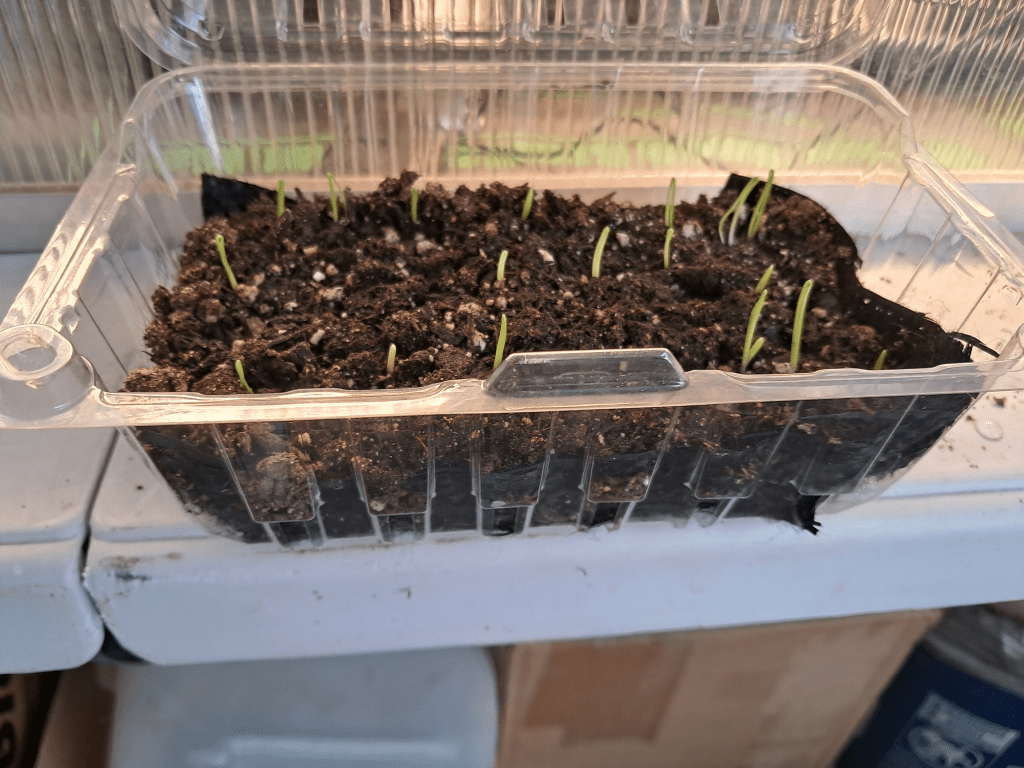
    Over the weeks, we’ll water carefully, clip the tops, and ready the seedlings for their place in the garden. By summer, they’ll feed us, just as these shared moments feed me in ways I never expected. It feels good to know that something small, started with care, can ripple outward into community.

    Gardening keeps teaching me that growth—whether in a seed, a child, or a neighborhood—comes from the same things: attention, patience, and faith in what we cannot yet see. Maybe that’s why tending these small beginnings feels so deeply hopeful.

    In my next post, I’ll share exactly how we start our onions indoors each January, in case you’d like to bring a little green magic into your own winter days.


    🌱 Did this story resonate with you? Tell me about a moment when gardening taught you something unexpected.
    💬 Know someone who’d enjoy this reflection? Please share it!
    ❤️ Subscribe for more stories about growing food, raising kids, and building community.

    Related Posts
    A First Day for Both of Us

    This morning I realized that for the first time in nearly six years, my son will spend more waking hours away from me than with me. Tomorrow, he starts Kindergarten—8 am to 3 pm, five days a week. That single fact tightens my chest with a swirl of emotions: pride at the boy he’s becoming, excitement…

    Keep reading
  • From Frisbees to Family: How Sports Taught Me the True Meaning of Community

    From Frisbees to Family: How Sports Taught Me the True Meaning of Community

    Daily writing prompt
    What are your favorite sports to watch and play?

    A Game of Connection

    Sports have never been my main passion. But they always seem to sneak back into my life — especially when community and connection are involved.

    For someone more comfortable in the garden than on the field, I’ve learned that sports aren’t really about keeping score. They’re about teamwork, laughter, and shared stories that stick with you long after the final whistle.

    Back When I Played

    Back in graduate school, a group of friends and colleagues had a standing tradition of meeting twice a week to rotate between volleyball, soccer, and ultimate frisbee. Rain or shine, homework or no, we almost always managed to get enough players for two teams. Those games were the highlight of my week — a sweaty, laughter-filled break from the grind of grad school. We learned to read each other’s signals, celebrate small victories, and laugh off missed goals. These lessons translated well both to the lab and to the classroom. And, of course, the post-game burgers and beers were every bit as important as the play itself.

    The Knee Incident (and Das Boot)

    My sports “career,” however, took a dramatic turn during one fateful ultimate frisbee game. I jumped, landed wrong, and felt that awful twist — I had dislocated my right kneecap. That injury ended my athletic adventures at the tender age of 24. I still remember that sharp pop, the scramble to the sidelines, and the next day’s slow walk to urgent care. A few weeks later, at my own going-away party and still determined to have fun, I went with my crew to the Essenhaus to dance the polka. Let’s just say: bad idea. Same knee, same problem.

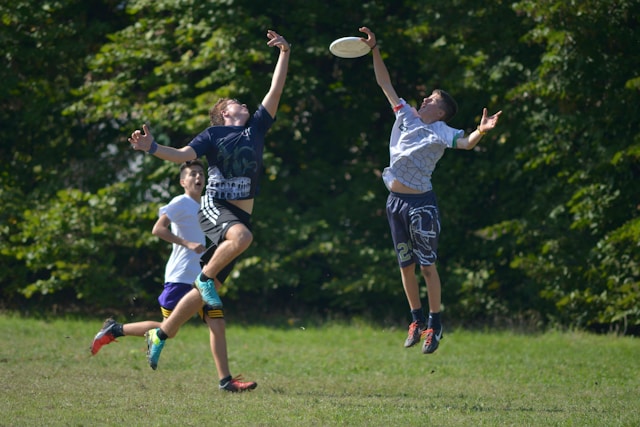
    The type of jump I made when I dislocated my kneecap. I caught the frisbee too. Photo by Stefano Zocca on Unsplash

    Looking back, I can admit that drinking Das Boot probably had something to do with my decision to hit the dance floor on a bum knee. Lesson learned, but it’s still one of those stories we laugh about around the table. Now, more than a decade later, the memory makes me smile far more than it aches.

    Watching Now, Not Playing

    These days, sports play a different role in my life. I may not be on the field anymore, but I love the energy of watching a good game — especially live. There’s something about a football or baseball crowd that brings people together so naturally. Strangers high-five after a score, pass along shared cheers, or tease rival fans in good fun. Tailgates are my favorite part — not because of the game itself, but for the food and fellowship that surround them. The smoky scent of burgers, laughter spilling from nearby tents, friends swapping recipes for dips or barbecue sauces — it’s all about connection. Like sharing a dish at a potluck or passing homegrown tomatoes over the fence, sports gatherings are another way we build community one joyful moment at a time.

    From Tailgates to Home Games

    On game days at home, the living room becomes our little stadium. The kids get into the excitement (mostly for the snacks), and we all share those small, easy moments of joy — a great play, a plate of nachos disappearing too quickly, and the cat hiding under the couch, wondering why the humans are hollering again. I may not follow every stat or play, but I love how sports create reasons to pause, eat, laugh, and just be together — much like a shared meal from the garden or a neighborhood cookout.

    A Different Kind of Teamwork

    I sometimes joke that I traded my frisbee for a trowel and volleyball sand for garden soil, but the lessons stuck. Whether it’s tending tomatoes, playing pickup soccer with my kids in the yard, or cheering from the sidelines, the spirit of teamwork, joy, and shared stories keeps showing up.

    In the end, community is the real team sport — and that’s one I’ll never retire from.


    What’s one sport or shared activity that’s helped your community grow closer?

    If this story made you smile, share it with a friend. Better yet, invite them over for a game-day snack and a laugh. Subscribe for more reflections on growing food, raising kids, and building community.

    Related Posts

    The Booyah Curling Club: Finding Community in Unexpected Places

    If you started a sports team, what would the colors and mascot be? Some people dream of owning a football franchise or a professional basketball team. Me? I’d rather build something smaller—something you can actually show up for without needing a corporate sponsor or a teleprompter. Mainstream sports have their own kind of magic, sure,…

    Keep reading
  • Why I Read Survivor Stories About Strength and Hope

    Why I Read Survivor Stories About Strength and Hope

    Daily writing prompt
    What books do you want to read?

    Books shape us as much as we shape gardens or communities. They feed the mind, plant empathy, and remind us that resilience often grows in the darkest places.

    When I saw today’s prompt — “What books do you want to read?” — I realized my answer says a lot about what kind of growth I’m craving this year. Reading has always been more than a pastime; it’s how I connect. Story time with my kids is sacred — we laugh, wonder, and sometimes ask big questions together. Once, I even read The Disaster Artist aloud to my husband, and we laughed so hard we cried. That joy lives in my memory like a cherished heirloom.


    📚 Reading with the village

    Beyond home, I gather monthly at our local library for book club — a lively mix of neighbors and new friends united by stories and snacks. We’ve been deep in historical fiction lately, stepping into lives far from our own. These evenings remind me that community grows naturally when people come together to wonder.

    If you’re curious about what we’ve been reading together, I share highlights and reflections on my Book Club Reads page (this page contains affiliate links — I may earn a small commission, at no extra cost to you, if you decide to purchase. Thank you for supporting Practical Homesteading!).


    🌿 Why survivor stories call to me

    Recently, I’ve found myself drawn to stories of survival — real people facing impossible odds and somehow finding light. Maybe it’s because they show not only how people survive, but why they choose to keep living.

    Here are a few titles that top my list right now:

    “Man’s Search for Meaning” by Viktor Frankl
    A profound reflection on finding purpose even in suffering. Frankl’s insights from Auschwitz remind me that inner strength begins with meaning.

    “Endurance: Shackleton’s Incredible Voyage” by Alfred Lansing
    Twenty-eight men trapped on Antarctic ice for more than a year — and every one of them survives. It’s a gripping lesson in leadership, loyalty, and hope against all odds.

    “Jungle” by Yossi Ghinsberg
    Still on my to-read list, this one explores what happens when you’re alone in the Amazon and survival depends on the mind as much as the body.


    🌼 Lessons for everyday resilience

    I hope I never face what these survivors endured, yet I read their stories to understand the quiet strength that grows inside us all. I want my children to see that resilience works like a garden — cultivated through patience, weathering storms, and trusting in renewal.

    Reading reminds me that every family, every friendship, is its own kind of survival story. We move through hard seasons by leaning on one another and holding faith that winter won’t last forever.

    “Endurance isn’t about toughness — it’s about purpose, compassion, and hope taking root in the hardest soil.”

    So, as I grow food, raise kids, and build community, I’ll keep reading about people who found light when the world went dark. These stories keep me grounded — and remind me that, like a garden in spring, we can always begin again.


    What about you — which story has taught you the most about resilience? Please share your book recommendations in the comments! I love to learn and grow with you!

    🌱 If you enjoyed this reflection, don’t forget to like, share, and subscribe for more posts about growing food, raising kids, and building community — one story at a time.

    Related Posts

    From Ghost Ships to Dragons: Growing a Family of Readers

    What book are you reading right now? Some of my earliest memories are of getting lost in a book. I read on the school bus until the motion made me queasy but I never quite wanted to stop. Books have always been my favorite escape into bigger worlds. That love of stories has shaped much…

    Keep reading
  • From Brine to Sandwich: Homemade Corned Beef and Reubens from Scratch

    From Brine to Sandwich: Homemade Corned Beef and Reubens from Scratch

    Disclosure: This post contains affiliate links. As an Amazon Associate, I earn from qualifying purchases. Thanks for supporting Practical Homesteading!


    This post wraps up my Homemade Reuben Quest—a three-part winter food adventure that’s taken me from fermenting garden cabbage (Part 1: Sauerkraut) to baking hearty rye bread (Part 2). Now, we’re bringing it all together with the grand finale: homemade corned beef and Reubens from scratch.


    No brisket? Still making corned beef!

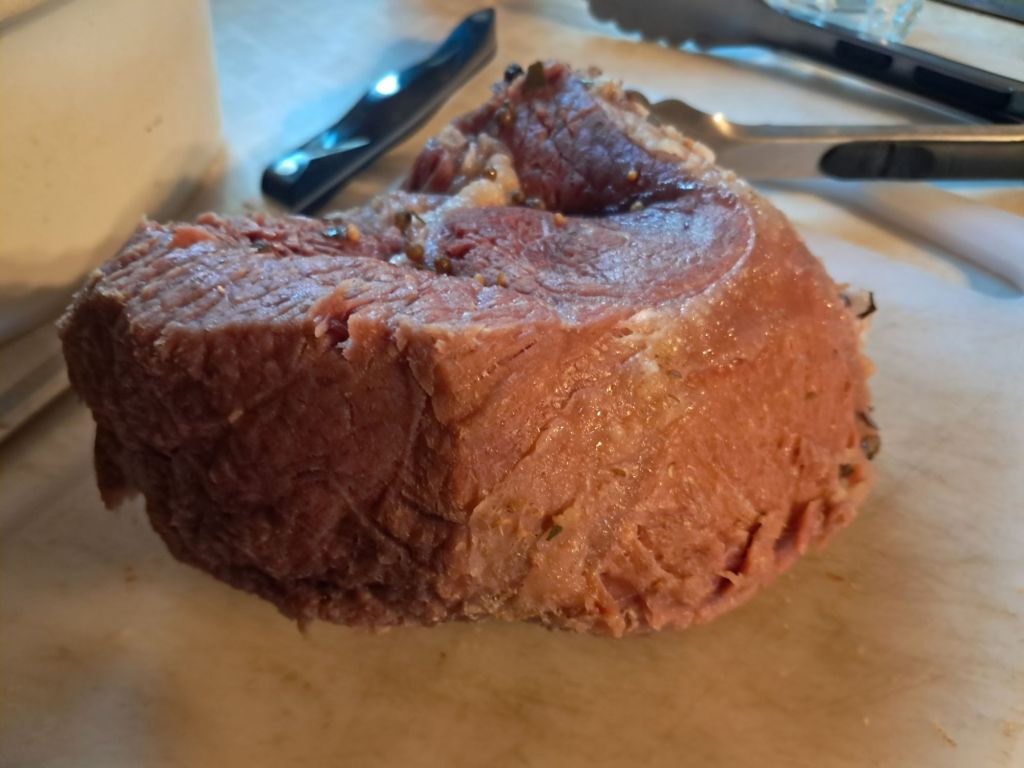
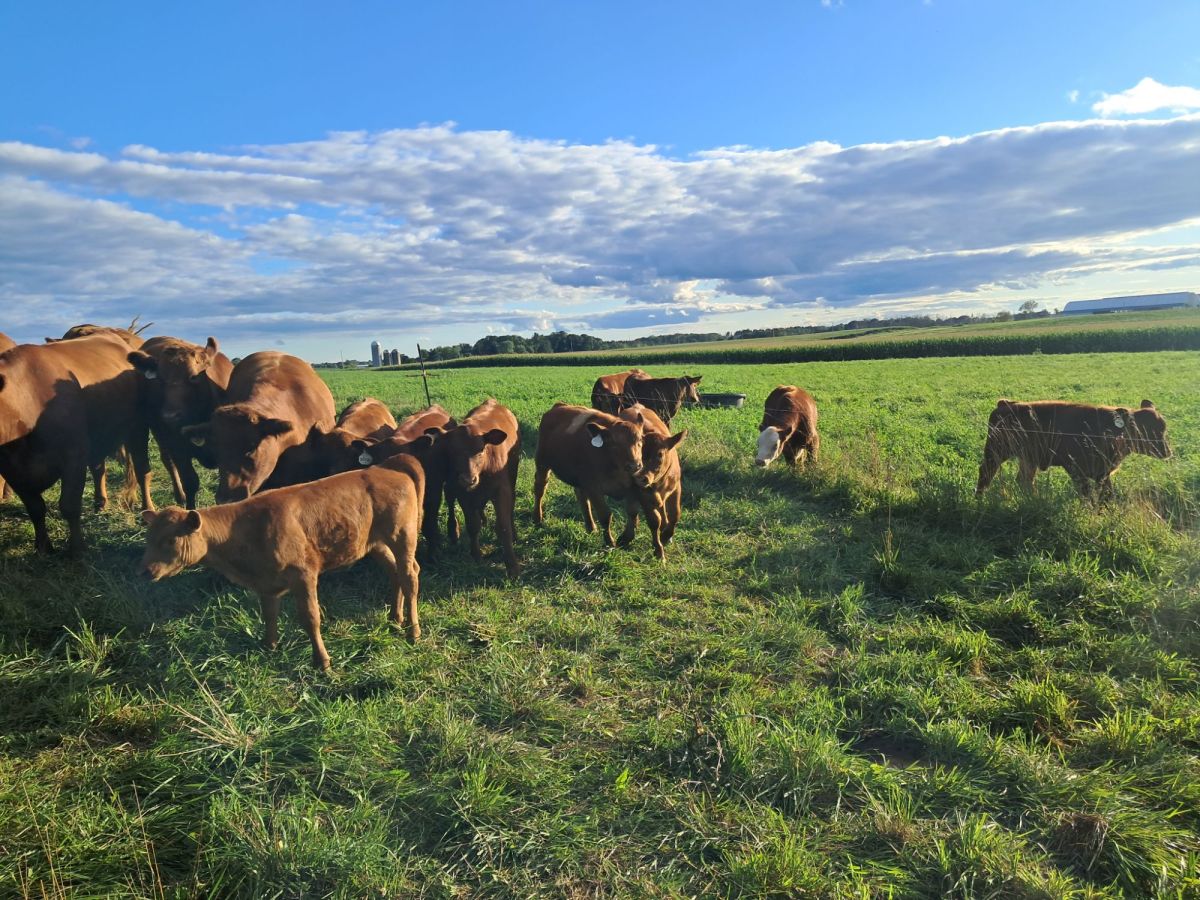
    Winter is my favorite time for kitchen experiments. With the garden resting and more time indoors, slow food projects become a kind of therapy. For this one, I started with a 4‑lb sirloin tip roast from the freezer (thank you, Gruenberger Farms). My husband cleared fridge space, my son ground the pickling spices in our old mortar and pestle, and before I knew it, we had a full-family project underway.


    The Brine Recipe

    Here’s the exact brine I used (scaled for a 4‑lb roast):

    Bring the water to a simmer, stirring until the salt and sugar dissolve. Let it cool completely before adding the ground spices. Submerge the roast, topping off with water until fully covered.

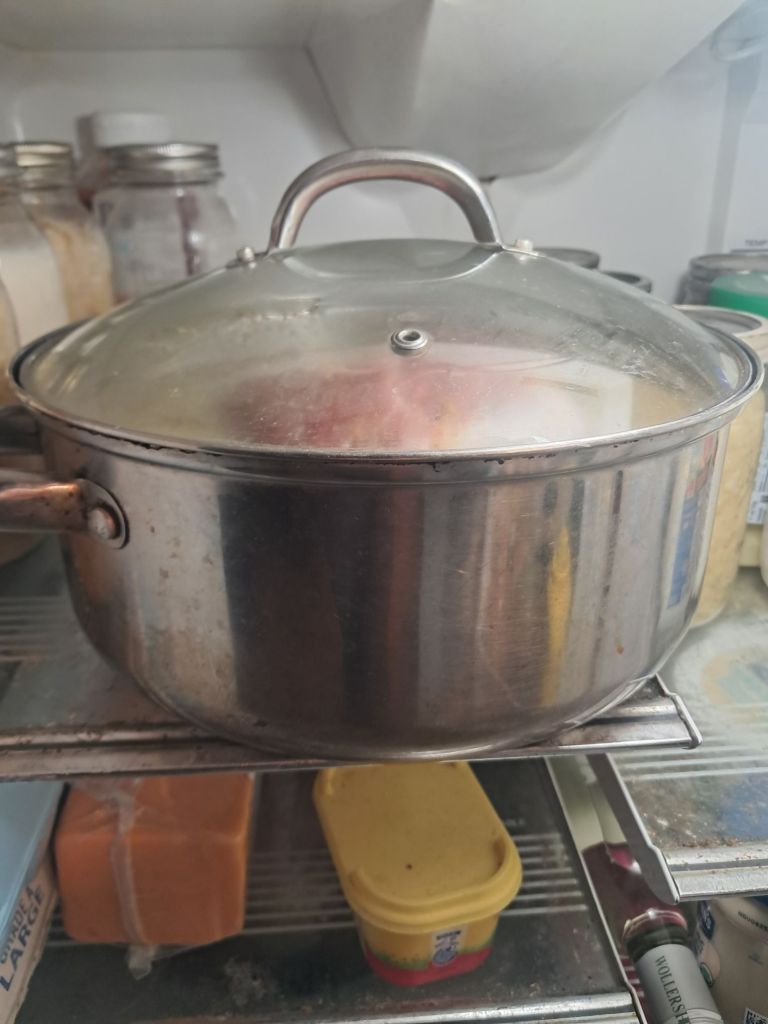
    Refrigerate for 5–7 days, flipping the meat every 12 hours for the first two days. Then just let it rest quietly, soaking up flavor while you get excited for what’s next. Meanwhile, my homemade sauerkraut (three months in the making) waited patiently in its jar, ready for sandwich day.


    Slow‑Cooking Day

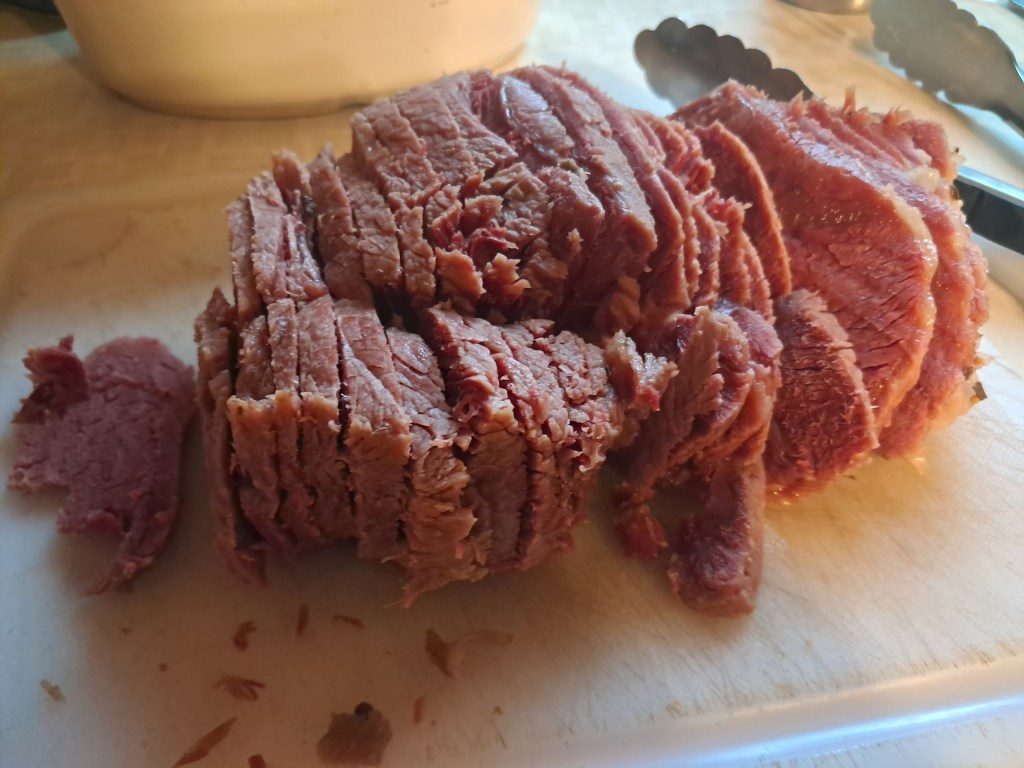
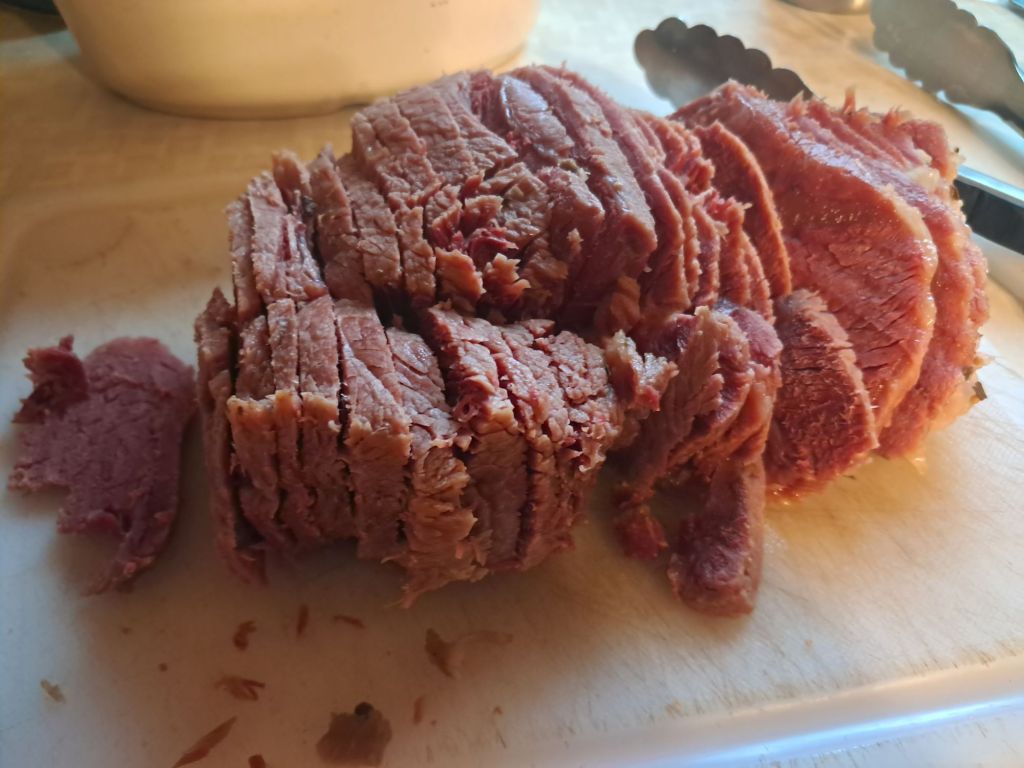
    After a week in the brine, I added 1 T of pickling spice and slow‑cooked the roast in my trusty crock pot (affiliate link) for about 6 hours on low, then—out of mild panic—bumped it to high for one more hour. The result? Perfectly pink, sliceable corned beef that made the whole kitchen smell incredible.

    A quick note on cuts: sirloin tip roasts are leaner than brisket, so they can dry out a little faster. Monitor the internal temperature and aim for 195–205°F—that’s when it turns fork‑tender and flakes apart beautifully.

    Tip: Slice thin and against the grain for tender, restaurant‑style results.


    Reuben Sandwich Night

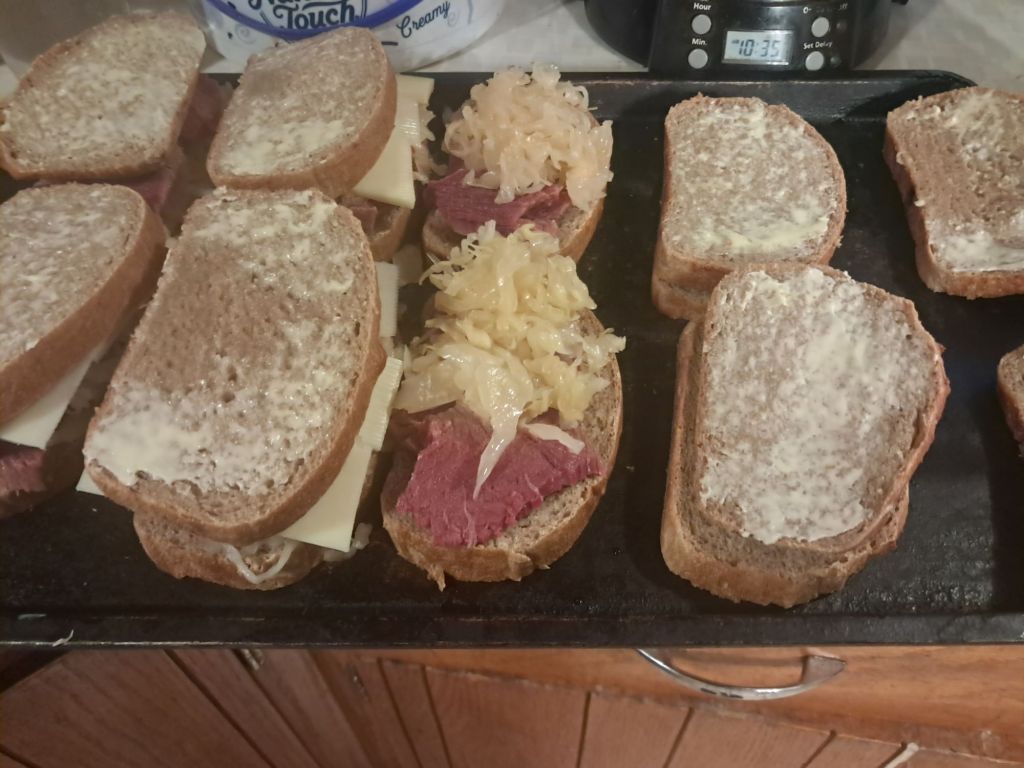
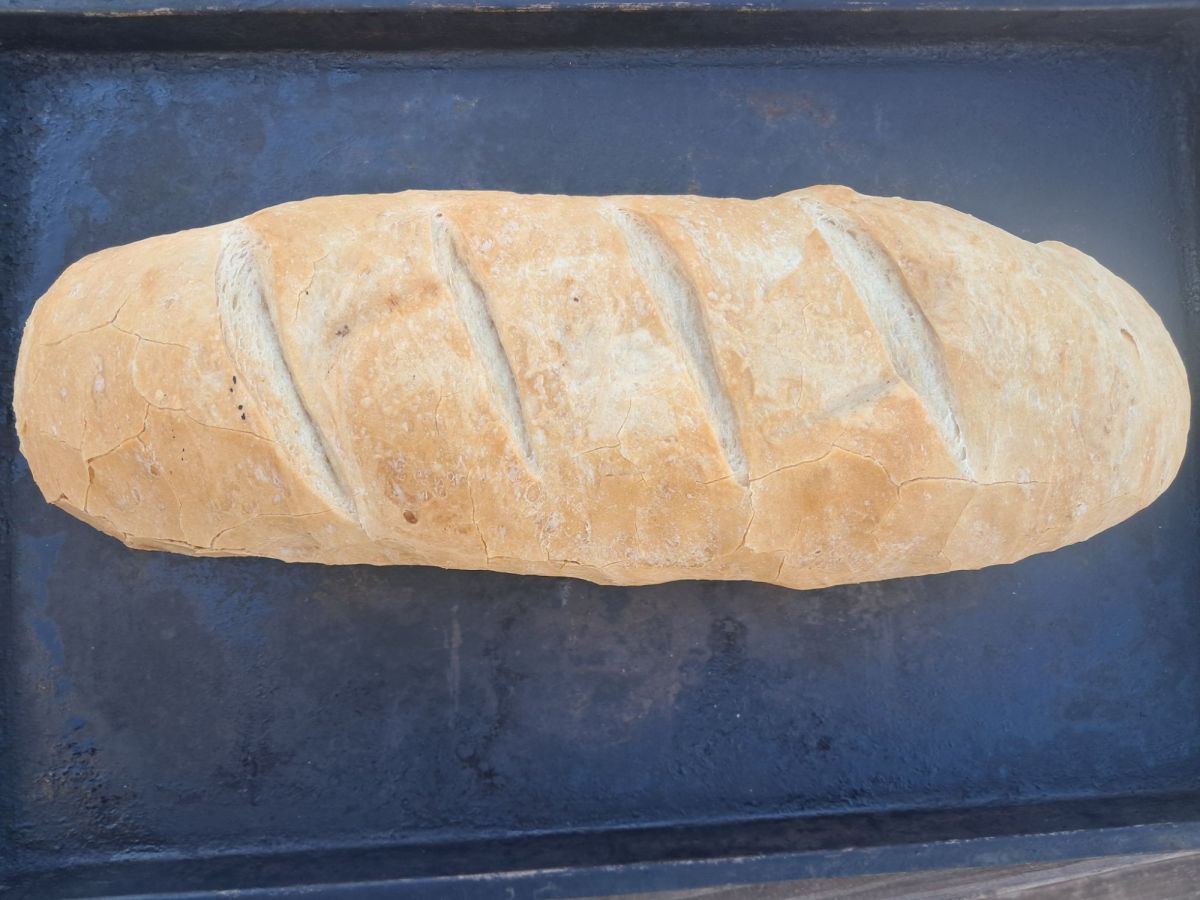
    At last, everything came together. I baked a dozen Reubens for family and friends: slices of my homemade rye bread, topped with my fermented sauerkraut, this freshly cured corned beef, Swiss cheese, and a generous spread of Thousand Island dressing.

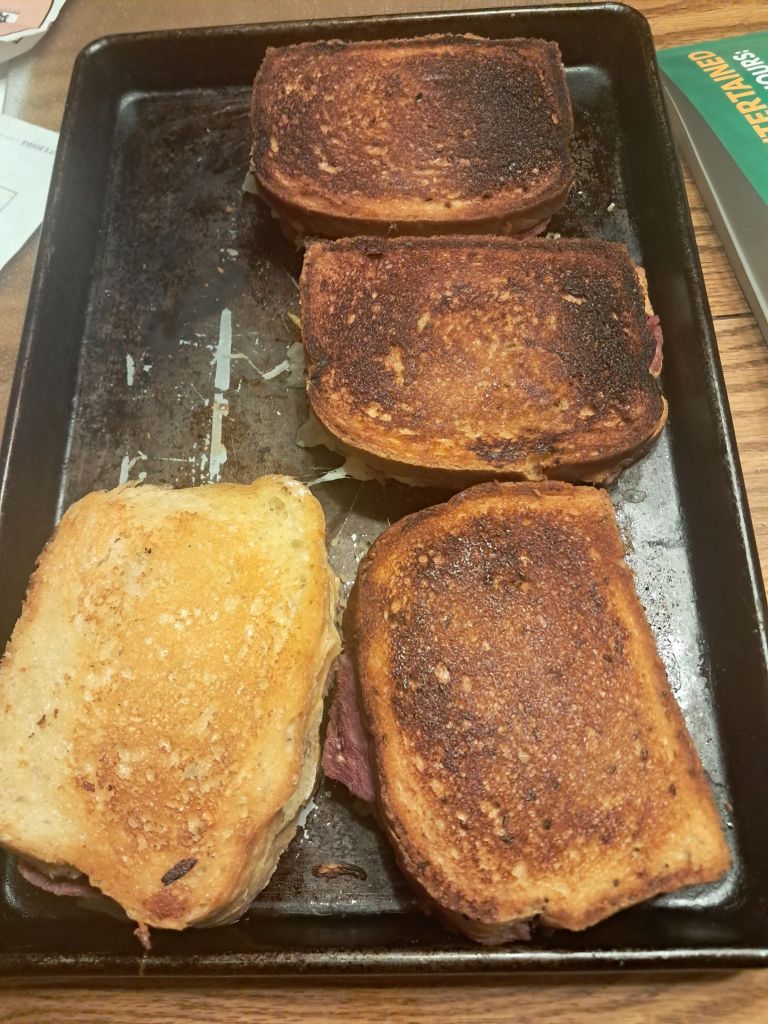
    They baked on sheet trays until golden, melty, and bubbling—comfort food perfection. Out of twelve sandwiches, only two made it to lunch the next day, and honestly, that’s the best kind of leftover.


    The Verdict

    Corned beef from a sirloin tip roast? Total success.

    It wasn’t brisket, but it was tender, flavorful, and easy enough to manage during a quiet January week. I’ll try a traditional brisket next time, but this experiment proved what homesteading always reminds me—resourcefulness beats perfection every time.

    From garden cabbage to bubbling sauerkraut, from sticky rye dough to crusty loaves, and now this hearty corned beef… this series has been such a satisfying food journey. Three homemade staples, one comforting sandwich, and plenty of lessons along the way. Have you ever tried curing your own meat or building a meal completely from scratch? I’d love to hear your most adventurous kitchen project in the comments below!


    Have you ever cured meat or tackled a big “from scratch” project? I’d love to hear what’s cooking in your winter kitchen!

    🥪 And if you’ve enjoyed my Homemade Reuben Quest, please like, share, and subscribe!

    Subscribers get first notice when the next homestead food series begins—plus practical tips for cooking, gardening, and raising kids on the homestead.


    Thanks for following along from sauerkraut to rye bread to corned beef—here’s to the next kitchen adventure!

    Related Posts

  • I Already Have My Dream Job: Work-from-Home Wins

    I Already Have My Dream Job: Work-from-Home Wins

    What’s your dream job?

    Disclosure: This post contains affiliate links. As an Amazon Associate, I earn from qualifying purchases. Thanks for supporting Practical Homesteading!


    Most chase dream jobs like unicorns—elusive, shiny, and always just out of reach. Turns out, mine was hiding in plain sight: my home office, flexible deadlines, and a career that fuels both family and purpose.

    Right now, I work as an environmental professional from home. I set my own hours, within reason—I still need to respond to emails promptly, deliver quality work on time, and show up for meetings. But between those responsibilities, there is space. Space to step away for ten minutes to start dinner. Space to take my kids to a doctor’s appointment without begging for time off. Space to grab an early lunch from a reliable stand-up desk (affiliate link) setup like mine, keeping energy steady without back strain .

    Financially, this job allows me to both support my family and save aggressively for retirement. That combination—being present for my family in the day-to-day while also planning for their future—feels like a rare gift. I am not choosing between meaningful work and stability; I have both. The paycheck is not just about bills, but about building a cushion that will give us options and freedom later .

    The work itself matters deeply to me. I am in a discipline I care about, doing environmental work that has a tangible impact on the world around me. My efforts contribute, even modestly, to healthier ecosystems and communities. That sense of purpose changes how Monday mornings feel. I am not just logging in to pass the time; I am showing up for something bigger than myself .

    Is it perfect every single day? Of course not. There are stressful deadlines, long meetings, and moments where the balance tips and I feel stretched thin. But when I step back and look at the full picture—the flexibility, the trust, the financial stability, the meaningful work, and the ability to weave my family life into my workday—I realize something important.

    For all intents and purposes, I already have my dream job.

    Feature photo by Volodymyr Hryshchenko on Unsplash

    The views from this post are my own.


    What’s one “dream” perk you already live? Share below—let’s celebrate the wins we’re missing in the chase .

    Loved this reality check? Like if you’re living a hidden dream job, share with your WFH crew, subscribe for more family+career real talk! What’s your “unicorn” perk? Drop it below 👇 .

    Related Posts

    From Nerves to Connection: Lessons from a Lifetime of Public Speaking

    Have you ever performed on stage or given a speech? My heartbeat quickened as the announcer called my name, each syllable echoing through the microphone. Applause filled the conference hall as I walked toward the podium, my shoes tapping softly against the floor. The room smelled faintly of coffee and stale donuts—a familiar comfort for…

    Keep reading

    Unmuted: Laughing Together at Last

    I never expected to feel this nervous just walking into a donut shop. The bell above the door chimed softly, and I paused—heart rattling, palms damp against my blue Yeti water bottle. The air was thick with sugar and dough, but I wasn’t here for pastries. I was listening for a voice I’d only ever…

    Keep reading
  • Good Leaders Delegate: Lessons from My Toddler

    Good Leaders Delegate: Lessons from My Toddler

    What makes a good leader?

    Disclosure: This post contains affiliate links. As an Amazon Associate, I earn from qualifying purchases. Thanks for supporting Practical Homesteading!


    Ever watch a toddler triumphantly pull up their own pants and beam with pride? That’s leadership unfolding—in the everyday chaos of family life, where small wins build big resilience.

    What Self-Awareness Builds
    A good leader knows their strengths and recognizes when others have strengths they don’t. This self-awareness keeps them humble and helps build strong, well-rounded teams instead of trying to do everything solo. Rather than feeling threatened by others’ gifts, they feel grateful and make space for those gifts to shine .

    Delegation That Empowers
    That mindset fuels effective delegation. Good leaders don’t just hand off tasks; they match people with responsibilities that fit their abilities, interests, and growth areas. This empowers others to take ownership, build confidence, and develop skills—making leadership contagious as people step up .

    Stress Without the Spillover
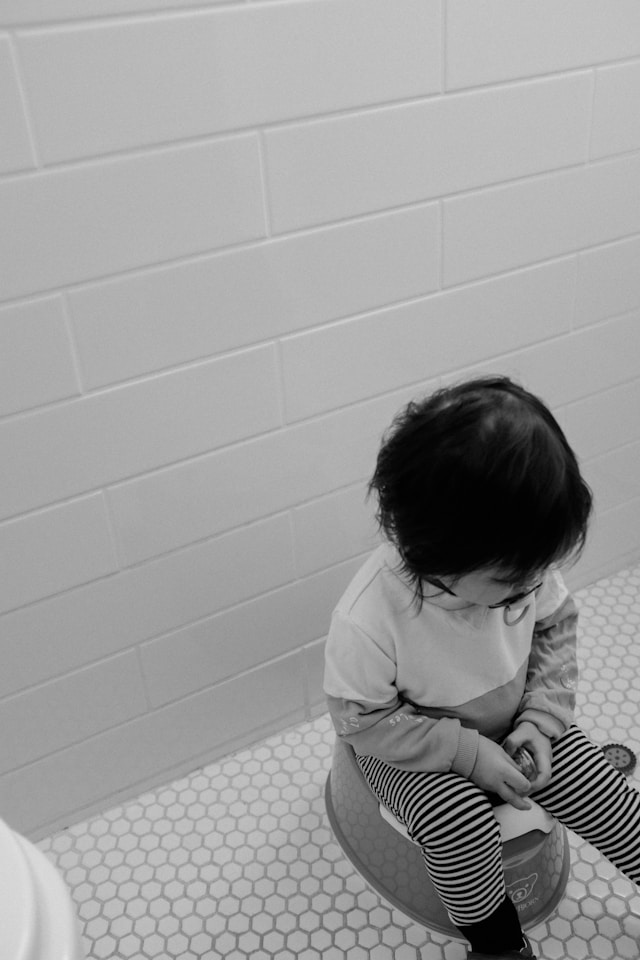
    Good leaders handle stress well—like staying calm through potty regressions or toddler meltdowns at home. Pressure from deadlines, conflict, or surprises is inevitable, but they pause, prioritize, and respond calmly instead of reacting. By staying grounded, they create safety for their team and family. They also prove it’s possible to navigate challenges without losing compassion or perspective.

    Leadership at Home
    I see this at home too. Delegating laundry to my 6-year-old son lets him tackle it on his own schedule, building ownership and resilience. With my 2-year-old daughter, encouraging her to pull up her pants herself after the bathroom means she gets better each day through small wins. Ours started with a Baby Bjorn potty seat (affiliate link), toilet seat insert (affiliate link), and wooden step stool (affiliate link) for that independent reach.

    That’s good leadership in action. Recognizing each child’s unique strengths, giving age-appropriate responsibility, and inviting them into solutions instead of just following orders. The key? Commitment: leadership means little if you’re emotionally absent at home .

    Leadership isn’t about holding the reins—it’s about releasing them wisely so others can run. Who are you empowering today? In families, teams, or communities, the best leaders steward growth, leaving a legacy of capable, confident people who carry the torch forward.

    Feature photo by charlesdeluvio on Unsplash


    Loved this? Like if it hit home, share with a parent-leader, and subscribe for daily real-talk wisdom! Who’s your toughest leadership lesson from? Comment below! 👇

    Related Posts

    Where the Red Fern Grows and the Sprinkler Flows

    The moment I stepped outside in the morning, sweat prickled down my back:  a warning that today would be a scorcher. The thermometer already hovered above 90 degrees, and the rest of the day promised no relief. My husband would be gone this afternoon, off helping family with farm chores, leaving me alone with our…

    Keep reading
    Tickets, Trade-Offs, and Tilt-a-Whirls

    We stepped through the county fair gates with twenty ride tickets to last the whole day. To my five-year-old son, they were a golden key to unlimited fun. To me, they were a limited resource — and a math lesson waiting to happen. The August sun pressed down, bouncing off the metal siding of food…

    Keep reading
  • When Toddler Dishes Taught This Working Mom to Feel Loved

    Can you share a positive example of where you’ve felt loved?

    Disclosure: This post contains affiliate links. As an Amazon Associate, I earn from qualifying purchases. Thanks for supporting Practical Homesteading!


    Ever feel like love keeps reaching for you, but some old instinct makes you duck away?

    That’s been my story for most of my life, a quiet belief that something was fundamentally wrong with me—something that disqualified me from being truly, deeply loved. When people went out of their way with kindness, whether it was a thoughtful gesture or words meant to affirm me, I found myself almost unable to bear it. I’d deflect with a joke, change the subject, or pull back to what felt like a safer distance, convincing myself I didn’t really need anyone after all. And yet, from that very distance, I’d ache and complain that no one truly cared.

    Where the Pattern Began
    Looking back, I can trace much of this to childhood on our Wisconsin dairy farm. Farming carried relentless stress—long days in the fields, milking cows, haying season pressures that stretched my parents thin. The farm always came first, and while they poured everything into keeping it alive, we six girls learned to need less, do more, and stay out of the way. We never needed words to feel the pressure, but children read rooms like seismographs, absorbing every sigh, every moment of bone-deep tiredness. I internalized that needing anything made me a burden. So I shrank myself: good student, low-maintenance helper, hyper-independent. Better to be useful than to be needy.

    That pattern wove into adulthood. My love language became acts of service—cooking, cleaning, organizing, stepping in quietly. It became both how I loved and my shield. Always doing meant never done for, staying safely in control as the helper, never the helped.

    When My Children Started to Change Everything
    Motherhood began unraveling this through hundreds of small moments. When my babies nestled against me, their complete trust felt like a start. But deeper change came as they grew, each finding ways to love me back through acts of service—their tiny mirror of what I’d modeled for them.

    My two-year-old adores doing the dishes. She drags a chair to the sink, climbs up purposefully, rag in hand, and tackles plastic bowls and spoons. Counters grow wetter, floor becomes a puddle, but her earnest eyes shine with pride. The old me wants to take over. Instead, I hand her another bowl and say softly, “You’re such a good helper. Thank you.”

    My six-year-old is mastering the art of folding laundry. When our daughter arrived, survival mode hit hard. For a while it was simply faster to do everything ourselves. Now that we’re coming out of that season, we’re intentionally pulling him into family contributions, even though it takes more effort and patience from us. He folds t-shirts into neat squares, pairs up socks as best he can. Sometimes I open my drawer to discover one of dad’s underwear tucked in with my things. I gently correct him as I place it in dad’s drawer. Now he proudly asks first, “Mom, is this yours or Dad’s?” Him learning to be involved feels worth it for his well-being in the long run.

    Then there are the rocks. He loves bringing me stones that he finds: smooth pebbles, bits of quartz, sometimes just muddy treasures he knows I’ll appreciate. As an environmental professional with a geology background, his rocks land right in the center of my heart. He’ll run up, eyes shining, holding out his find: “Mom, I found this special rock just for you!” I take time to study each one with him, turning it over in my hands before placing it in this clear container where his rock collection resides.

    The Moment Love Finally Landed
    These imperfect acts were their love language, mirroring mine. Rejecting them would mean rejecting their hearts. So I’m practicing receiving: drying toddler plates, keeping laundry stacks as-is, treasuring every rock.

    One overwhelmed day, I found my two-year-old at the sink, surrounded by suds and her pile of “clean” bowls. Water dripped from her elbows, face earnest, clearly seeing my exhaustion. No words needed—her effort said, “Mommy’s tired. I’m helping.”

    That cracked me open. All my life avoiding burdenhood, here was my toddler seeing me and choosing to lighten my load anyway.

    The Homesteading Lesson Love Teaches
    Love arrived not as overwhelming force, but through soggy dishes, earnest laundry folds, rocks gathered for Mommy—humble acts from small hands noticing my need. My lived-in home holds these lessons.

    My children teach me love shows in ordinary service. When I receive without fixing, I rewrite “burden” as “belonging.” They prove I’m not too much—I’m exactly right for their help, their effort, their love. And teaching my son to contribute builds his confidence for life ahead.


    👉 **What’s YOUR love language struggle?** Drop it below! 
    ❤️ Like if toddler “help” melts you too 
    📲 Share with your fellow working mom 
    **Subscribe for weekly real homesteading + mom life**

    Related Posts


  • Why I Chose Homesteading

    Why I Chose Homesteading

    Disclosure: This post contains affiliate links. As an Amazon Associate, I earn from qualifying purchases. Thanks for supporting Practical Homesteading!


    I turn 36 this week, and it feels like as good a time as any to tell you who I am.

    I am

    • a wife
    • a working mother of 2 beautiful children
    • an environmental professional
    • a homesteader
    • a gardener
    • a reader
    • an animal caretaker
    • an aspiring writer (the blog you’re reading is me practicing)
    • an amateur historian
    • a perfectionist
    • a ruminator
    • a friend
    • a daughter
    • a sister

    Growing Up on a Wisconsin Dairy Farm
    I grew up on a dairy farm in Southeastern Wisconsin during the 1990s. It was a tumultuous time in farming—small family-run dairy farms were rapidly disappearing into larger, consolidated operations.

    My dad secretly never wanted to be a farmer. Born an only child into a multigenerational operation, he inherited the responsibility anyway. Despite that, he managed to hold onto his land and his 60-cow herd through years of stress and hardship. All the while, there was this undercurrent—he’d tell us kids, “Don’t farm. There’s no money in it.” That story deserves its own post someday.

    In 2001, my dad sold the herd and rented the land to a nearby large farm. By that point, my five older sisters had mostly graduated high school and left to make their own way. My parents took “city jobs”—Ma at the local grocery store, my dad first as a farmhand, then for a local horizontal drilling company. They bought beef cattle for me to care for during my teenage years.

    The Teenage Rebel Who Wanted Out
    Before my dad took over from his father, farmers traveled no more than a mile to access all their land. By the time he changed careers 25 years later, some had to drive an hour or more to reach the farthest corners of their acreage. The world I grew up in was already shifting fast beneath my feet.

    But as a teenager, I couldn’t have cared less about the cattle I was entrusted with. Farming felt pointless. I was determined to “get out of Dodge County” and go to college in nearby Madison. Books came easily to me, and I wore that like armor. I had a chip on my shoulder—I thought I was smarter than the farm life, better than staying put, that I had everything figured out.

    Pride, Pain, and Coming Back to Earth
    Pride comes before a fall, as they say. I never had one dramatic crash, but I had low moments that humbled me.

    When I was 17, I sustained serious burn injuries on my arms and chest. I received skin grafts on my arms. I spent a long season wrestling with shame and the fact that I was marked by scars. When I finally reached Madison—the dream I’d chased—I felt small next to high achievers who hadn’t come from farms and had flawless skin.

    Even after landing a job as an environmental professional, I stood in rooms feeling inadequate beside people who seemed to know so much more. It took years to accept I wasn’t the smartest person in the room—but I still had something valuable to offer.

    Love, Long Courtship, and Hotel-Hopping 20s
    I started dating my now-husband at 19. We’d known each other longer, but that’s when our story began. He didn’t grow up on a farm but found agriculture fascinating. He thought it was neat that I’d spent my childhood around cows, even as I ran away from that identity.

    After a long courtship, we married when I was 27. We loved each other deeply, but finding our rhythm took time. Through trial and error, we landed on shared ground: children, homesteading, and country living.

    All along, I’d quietly loved making things from scratch, even if I didn’t call it homesteading. Freshman year of college, I made pizza entirely from scratch (except the cheese). It took three times longer than it should have. I ruined zucchini bread by confusing tablespoons for teaspoons of salt. Junior year, I bought a crockpot (affiliate link) that made my dorm floor jealous of the dinner smells wafting from my room.

    Motherhood Opened My Eyes
    I graduated grad school at 24 and we moved near Green Bay for my job. For the next six years—my freewheeling late 20s—we traveled heavily—for work and fun—with each other, family, and friends. Hotels became our second home. It was a wonderful season of freedom I hated to see end.

    Then I had my son just before turning 30. Motherhood was like someone handing me color television after a lifetime of black-and-white. The challenges were endless—physical, emotional, exhausting. But when he smiled and grabbed my finger with his tiny, chunky hand, everything faded. I wanted to be better for him.

    That first year coincided with Covid. No village. Husband working a lot. Our beautiful house on 18 acres of “dream land” suddenly felt hollow. Land doesn’t raise children. Pride in property lines doesn’t fill the gaps. As we talked about baby number two, we made a deliberate choice: we moved back to our hometown near Mayville, Wisconsin.

    Photo by Markus Spiske on Unsplash

    Dad Endured. I’m Choosing.
    Dad held onto that farm through brutal years—not because he loved it, but because he was born into it as the only child carrying a multigenerational legacy. He’d tell us, “Don’t farm—there’s no money in it.” Now I’m choosing this life freely—not out of obligation, but because it fits who I’m becoming. We’re gardening, raising chickens, baking bread, and raising two children. The girl who couldn’t wait to escape Dodge County came back on her own terms.

    At 36, I’m still a perfectionist and a ruminator. Still learning that I don’t need to be the smartest to serve well—I just need to show up, learn, and share what I find.

    This blog is me doing that. Someone standing in the middle of her story. Rooted, growing, still in progress.

    Practical Homesteading: growing food, raising kids, building community.


    If you enjoyed reading this post, please like it. Share with an interested friend. And subscribe for more reflections on the messiness of life (and a couple recipes too). Thank you for reading.

    Related Posts

  • Why Seahorses Are My Favorite Animal (Not Chickens!)

    Why Seahorses Are My Favorite Animal (Not Chickens!)

    What is your favorite animal?

    Disclosure: This post contains affiliate links. As an Amazon Associate, I earn from qualifying purchases. Thanks for supporting Practical Homesteading!

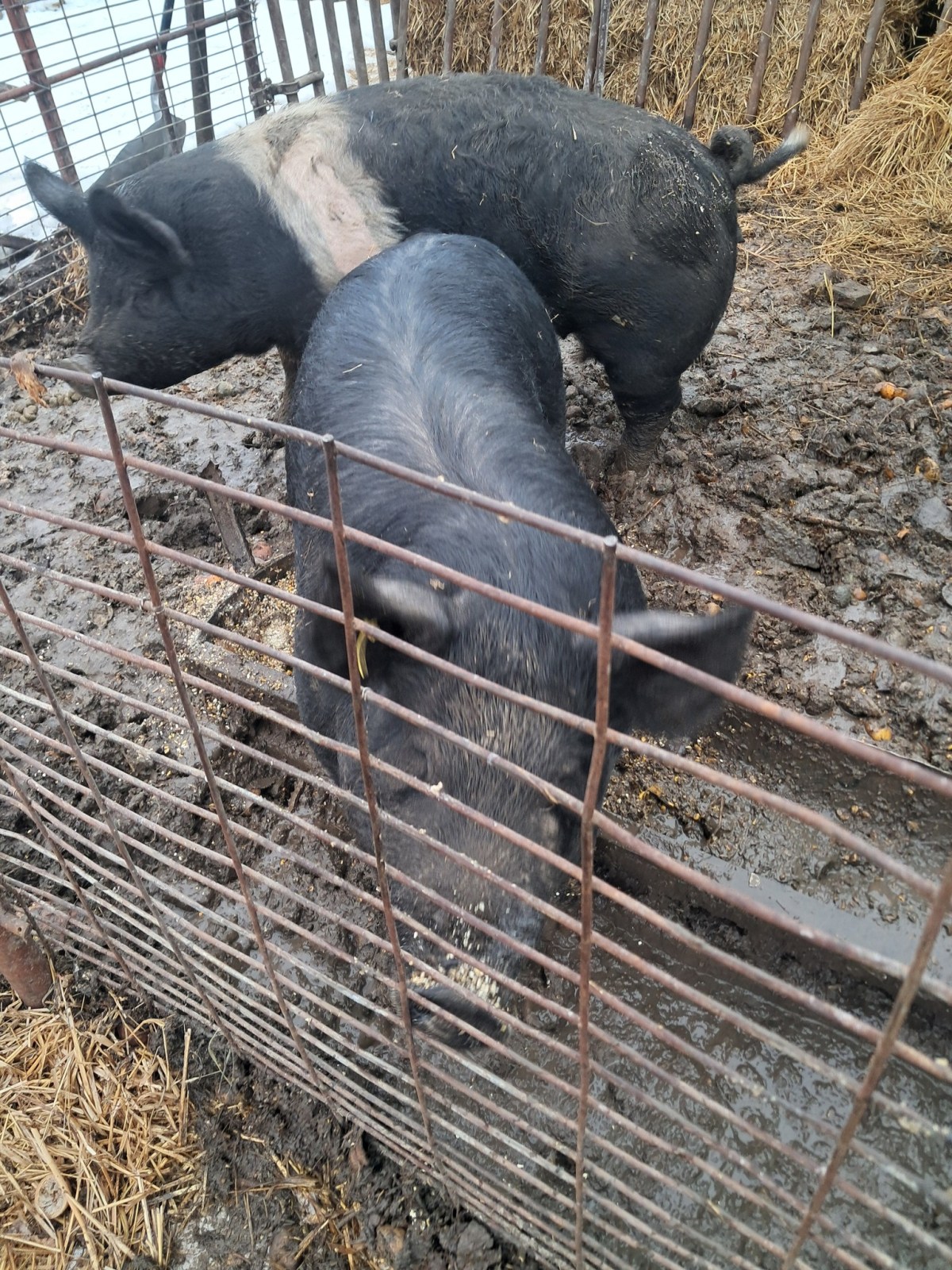
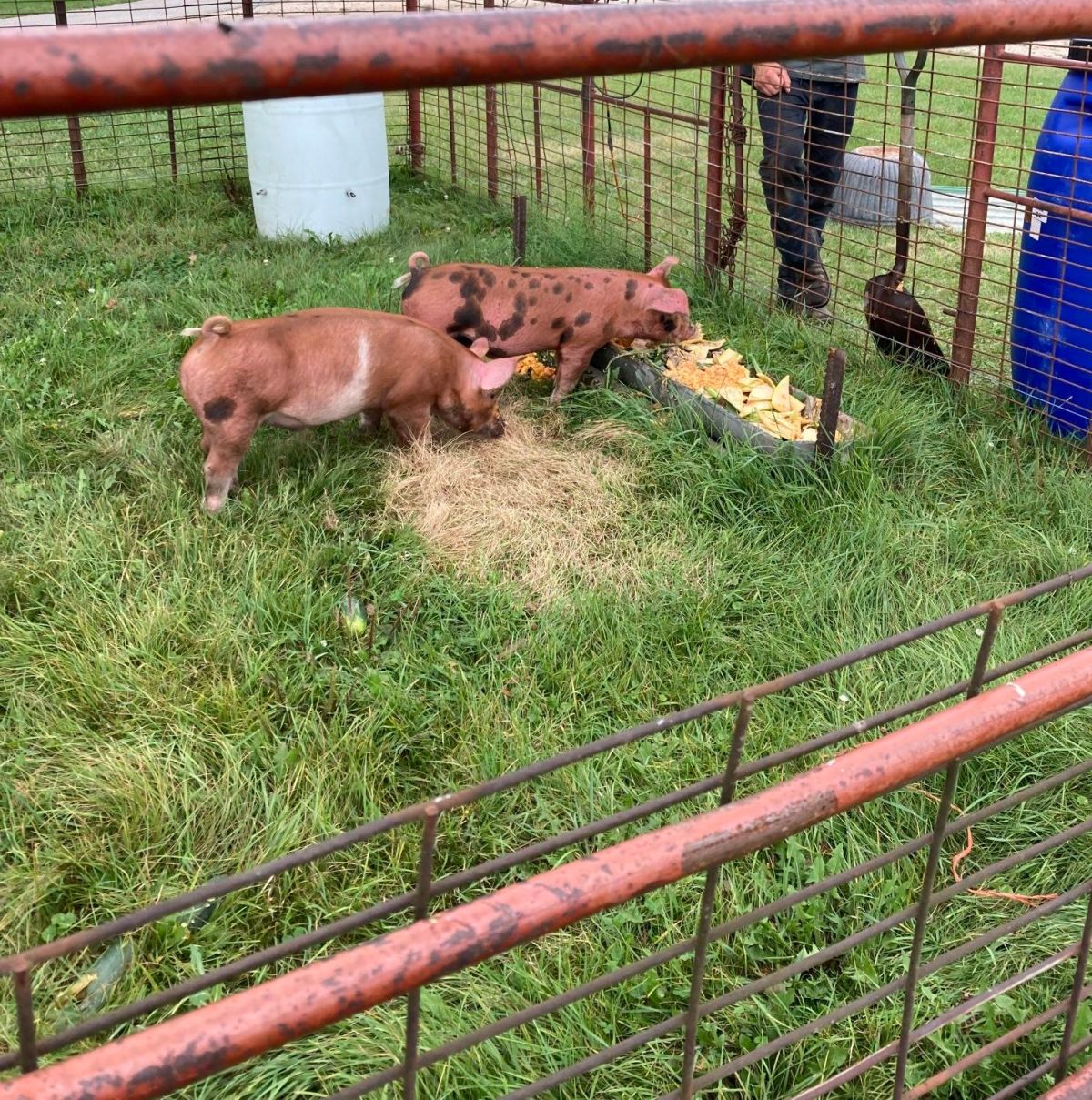
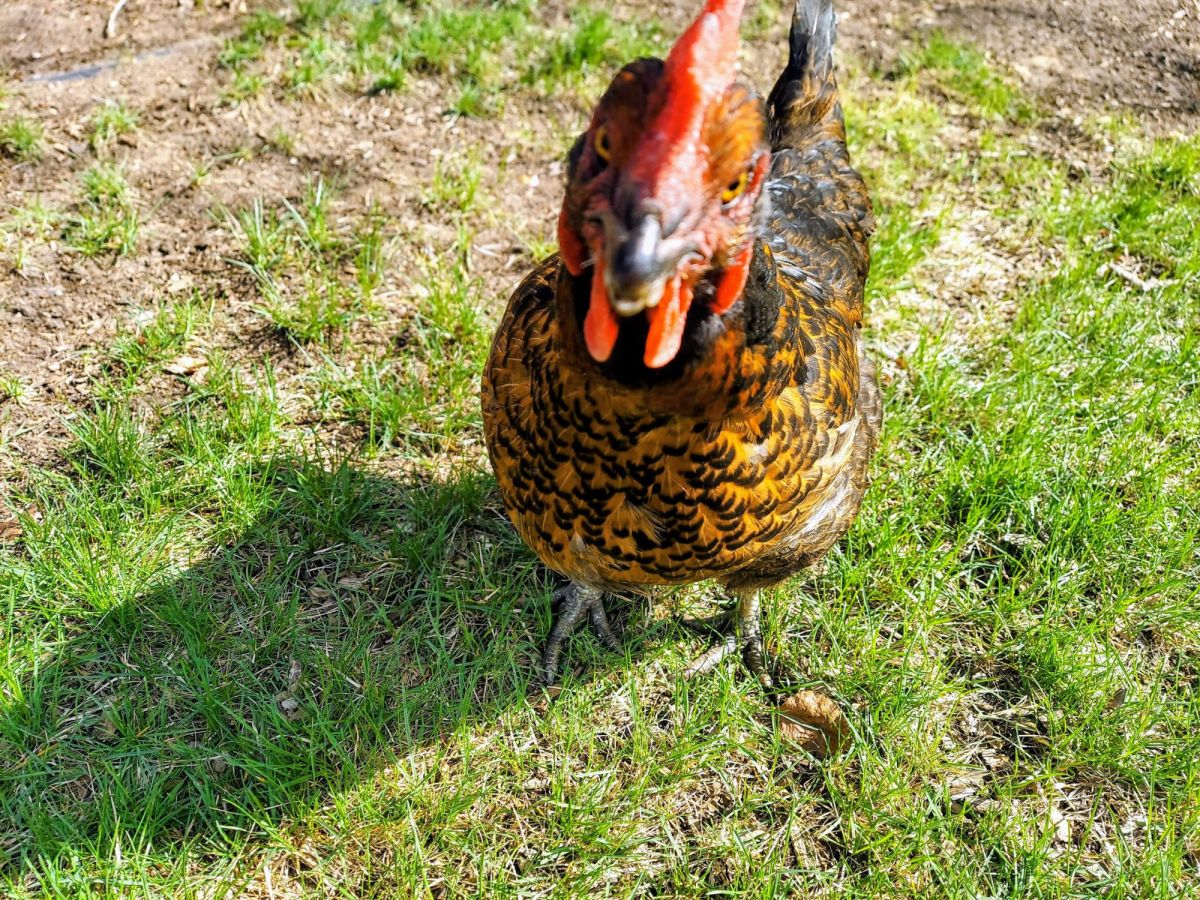
    I’m going off script here. You’d expect a homestead star from a homestead girly like me—like the clever pigs rearranging their shelter to face the sun or chickens pecking frogs and toes with equal fervor. I cherish those animals. They shape our daily lessons.

    Yet today, I’m choosing the seahorse. I’ve never kept one. It serves no farm purpose. But that’s its magic—it prompts reflection on family roles from an ocean’s distance.

    Photo by David Clode on Unsplash

    What fascinates me is its gentle role reversal. The female deposits eggs, but the male tucks them into his pouch, nurtures them, and births the young. This challenges “men provide, women nurture.” It models shared responsibility where both partners stay strong, gentle, and committed.

    That’s not just ocean poetry—it’s our story since returning to our hometown. My husband and I share caretaking duties seamlessly. He minds the children during my work calls (sometimes after I paced with our baby in this baby carrier (affiliate link). No toy chaos waits behind—hard-won after frank talks that tested us both. He tends evening chicken feeds amid dusty clucks while I plan garden rows, much like seahorses exchanging roles beneath the waves.

    Caregiving thrives on that flexibility. It’s the yin-yang balance of roles shifting as needed—under ocean depths where seahorses trade pouches and responsibilities, or right here in the farmyard dust where my husband and I pass the load back and forth. Whether it’s him stepping up with the kids so I can wrap a call, or me tackling garden rows while he handles the coop, this give-and-take nurtures what endures: a family that bends without breaking.


    What animal has shaped your view of family? Or what’s your unexpected favorite animal? Share your story below!

    Loved the seahorse twist?
    ❤️ Like if animals inspire your family
    📲 Share with your partner-in-crime
    📧 Subscribe for more homestead wisdom

    Related Posts

    Feathers, Frogs, and Family: Lessons from Our Chickens

    What are your favorite animals? I remember he day our delivery person lingered just to pet a chicken. It marked a quiet but unforgettable connection between humans and animals in our lives. That black hen with golden feathers wasn’t just beautiful. She was a symbol of the surprising personalities and stories hidden in every farm…

    Keep reading
    Unmuted: Laughing Together at Last

    I never expected to feel this nervous just walking into a donut shop. The bell above the door chimed softly, and I paused—heart rattling, palms damp against my blue Yeti water bottle. The air was thick with sugar and dough, but I wasn’t here for pastries. I was listening for a voice I’d only ever…

    Keep reading

  • How Teams + Chickens Power My Work-from-Home Mom Life

    How Teams + Chickens Power My Work-from-Home Mom Life

    In what ways do you communicate online?

    Disclosure: This post contains affiliate links. As an Amazon Associate, I earn from qualifying purchases. Thanks for supporting Practical Homesteading!

    Online communication wraps my days like an old quilt—patched from COVID chaos into something warm and steady, threading work demands with homestead heart.
    Work: Coworkers Made It Possible
    Picture March 2020: lockdown just hit, my 4-month-old screaming through a call with all my coworkers, less than a week into daycare closures. A kind voice chimed in—”Hey, there’s a mute button”—a small grace that eased my overwhelm and turned chaos into control.

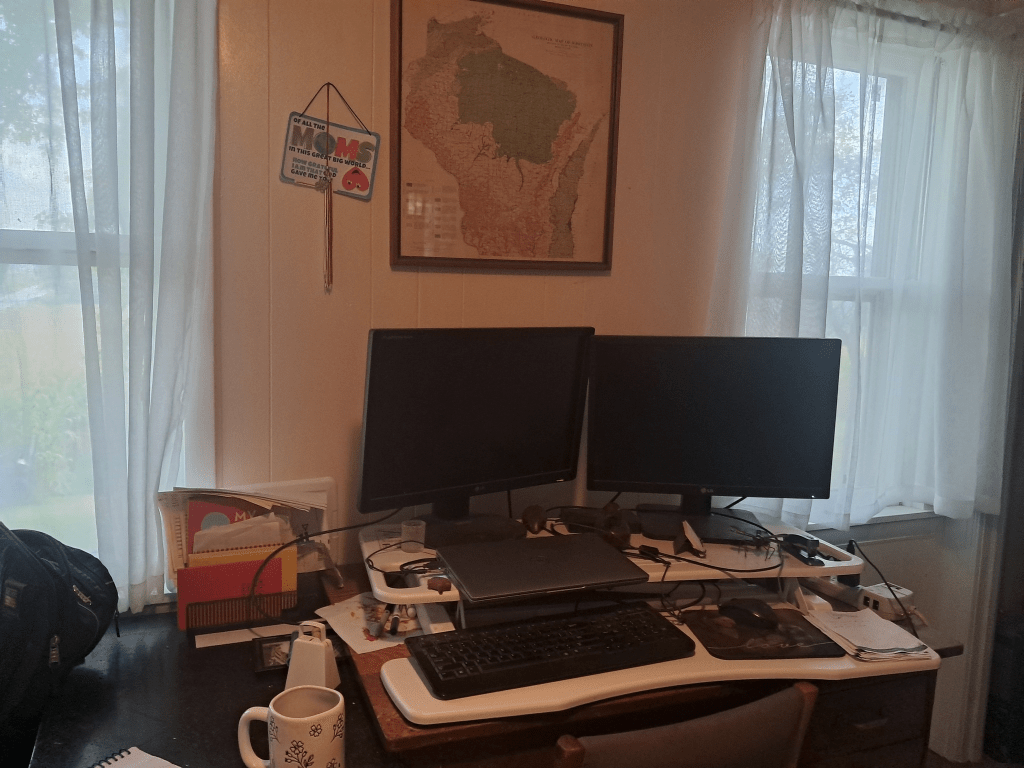
    I wouldn’t have built this virtual career stride without my amazing coworkers who saw me through. That moment etched Teams mastery into me: nailing the mute through fussy spells while pacing in this baby carrier (affiliate link), leaning on chat pings for quick collaboration, sharing OneDrive links for big files without inbox jams from my stand-up desk (affiliate link), and email for the decisions that stick.

    Now both kids know to hush during calls—proof of growth from raw survival to steady rhythm, all thanks to that team support.

    Personal: The Good Stuff We Share
    You know how Google Calendar just saves us? Color-coded birthdays popping up for relatives, schedule nudges so nothing falls through the cracks. Facebook, though—that’s our family laugh album. Me posting those glorious flat “nailed it” pancakes with a giggle, plus coop fixes glowing in sunset light. Email is for the heartfelt catch-ups that stick with you. It’s all that unpolished joy keeping far-flung friends and family right there with us, cheering the wins through the quiet stretches .

    Homestead Recharge
    Those personal connections keep me going, but after the workday’s emotional drain—especially tough Teams calls and tough reports—it’s the chickens that truly reset me.

    I slip out to the run where hens cluck hello amid dust baths. Their simple rhythm grounds me in why I grind. It’s a feathered reset that clears my head for garden plots ahead. Those quiet moments remind me this online hustle fuels real soil and seeds. It’s where virtual threads meet tangible roots, weaving work grit into family purpose one contented cluck at a time .


    Loved hearing about my mute-button moment or chicken resets?
    ❤️ Like if you’ve had your own work-from-home win
    📲 Share with a working parent who needs this
    📧 Subscribe for more real-talk on juggling career, kids, and chickens

    Your stories keep this community growing—what’s your go-to reset? Drop it below!

    Related Posts

    From Nerves to Connection: Lessons from a Lifetime of Public Speaking

    Have you ever performed on stage or given a speech? My heartbeat quickened as the announcer called my name, each syllable echoing through the microphone. Applause filled the conference hall as I walked toward the podium, my shoes tapping softly against the floor. The room smelled faintly of coffee and stale donuts—a familiar comfort for…

    Keep reading

    The Farmstead Paradox: How Technology Frees Us and Challenges Us

    What technology would you be better off without, why? What if I unplugged everything—just one day—and watched my farmstead world grind back to its raw roots? Sun crests the barn at 5:45 am. No alarm jolts me; instinct pulls me up. We feed the animals, hauling water, grinding feed. We dress kids by fading lantern…
    Keep reading
    Unmuted: Laughing Together at Last
    I never expected to feel this nervous just walking into a donut shop. The bell above the door chimed softly, and I paused—heart rattling, palms damp against my blue Yeti water bottle. The air was thick with sugar and dough, but I wasn’t here for pastries. I was listening for a voice I’d only ever…

    Keep reading