Tag: homesteading

  • What I Complain About Most: Why Farmers Deserve More Appreciation (And How We’re Reconnecting)

    What I Complain About Most: Why Farmers Deserve More Appreciation (And How We’re Reconnecting)

    Daily writing prompt
    What do you complain about the most?

    I used to be a champion complainer—until I realized it never planted a single seed worth growing.


    I try not to complain too much. It’s a nasty habit that usually leaves me feeling worse than before I started. Instead, I try to live by the words of the Serenity Prayer:

    “God, grant me the serenity to accept the things I cannot change,
    The courage to change the things I can,
    And the wisdom to know the difference.”

    When I catch myself slipping into that spiral of frustration, I remind myself of those lines. If there’s something I can fix, I get to work on it. If there isn’t, I try to shift my perspective. Some days, that works beautifully. Other days, not so much—but it’s a practice, and a worthwhile one.


    When Passion Comes from Frustration

    Still, there are some things bigger than myself that I can’t quite let go of—issues that deserve our collective attention. That’s where my frustration tends to turn into passion.

    If you really want to know what gets me on my soapbox, it’s this: how undervalued the foundation of our society has become—the farmer.


    Lessons from the Milking Barn

    I grew up on a dairy farm surrounded by fields, animals, and five hardworking older sisters. My dad, like many farmers, cautioned us not to follow in his footsteps. He didn’t say that out of bitterness; he said it out of love.

    He knew farming demanded endless hours, uncertain pay, and a body that rarely got a day off. The cows still needed milking before dawn, even after a night of broken sleep or if you were sick. The hay still needed to come in, even if rain clouds were gathering on the horizon. And no matter how hard you worked, the weather or the market could undo it all in a single season. With today’s global markets, that uncertainty feels even sharper than it did thirty years ago.


    The Great Disconnect

    Despite all that labor, society often treats farmers as an afterthought. We depend on them for our most basic need: food. Yet we seem disconnected from what it truly takes to put dinner on the table. It’s astonishing how quickly that disconnect happened. In just two or three generations, we’ve gone from home gardens, backyard chickens, and canning jars in the pantry to drive‑thru dinners and foods that travel thousands of miles before reaching us.

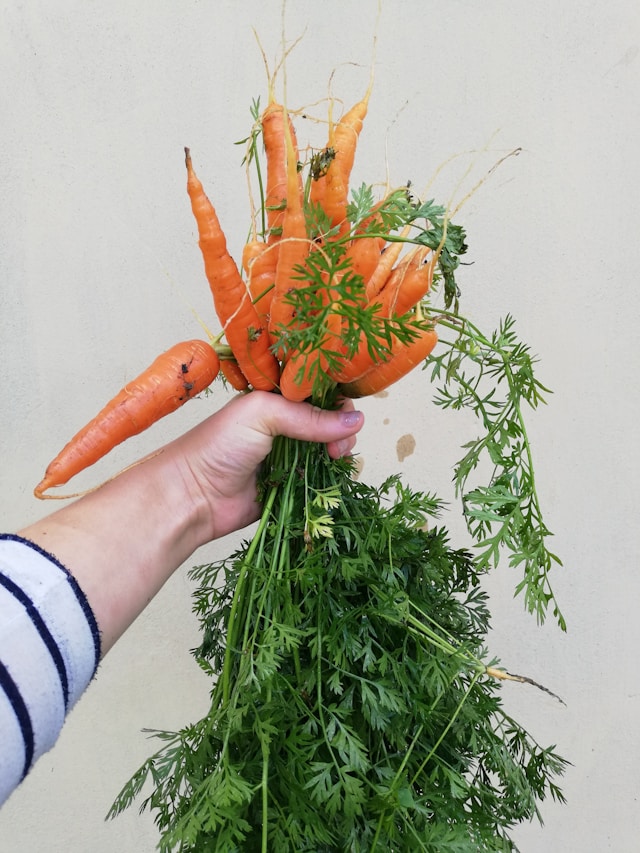
    Our modern food system is complicated. We’ve gained convenience but lost some wisdom along the way—wisdom about soil, seasons, and self‑sufficiency. Many children have never pulled a carrot from the ground or gathered a fresh egg. Even adults often feel surprised to learn where their food comes from.


    Marketing Replaces Memory

    Not long ago, I saw a potato chip bag proudly labeled “Made with Real Potatoes,” as if that were some sort of revelation. It made me laugh—and then it made me sad.

    Somewhere along the way, marketing replaced knowledge. We began trusting brands more than the soil, and food became a product instead of a shared experience. When I mentioned it on my Facebook page, people chimed in from everywhere. It turns out, so many of us feel the same way—grateful for convenience, but yearning to reconnect.


    Growing, Raising, and Reconnecting

    That little moment reminded me why I care so deeply about growing food, raising kids, and building community. These things are intertwined. When children understand where their meals come from, when we grow even a small piece of what we eat, when neighbors come together to share skills, seeds, and harvests—we start to rebuild that lost connection. Even something as simple as buying from a local farmers market, planting herbs on a windowsill, or teaching a child how to cook can make a difference.

    So maybe I don’t really complain all that much anymore. Maybe what I’m doing is something better: advocating, educating, and planting small seeds of change and connection in my backyard and in my community. Because while I can’t change the world overnight, I can nurture the soil right in front of me. And that feels like a pretty good start.


    Resources I Recommend

    Disclosure: This section contains Amazon affiliate links. If you purchase through them, I may earn a small commission at no extra cost to you. Thank you for supporting Practical Homesteading!

    If this post stirred something in you, here are a few places to start learning, growing, and preserving more of your own food. I only share resources I truly find useful.

    • Read and reflect: One book that has deeply shaped how I think about food and farming is The Omnivore’s Dilemma by Michael Pollan. It follows several different meals from source to table and invites you to really consider where your food comes from and who grows it. You can buy it in my link or borrow it from your local library.
    • Learn the basics of preserving: The Ball Book of Preserving is a solid, economical place to start if you’re new to canning. It covers the fundamentals clearly without feeling overwhelming, and it’s a great first step into safe home food preservation.
    • Go deeper with more recipes: The Ball Complete Book of Home Preserving is a much more comprehensive resource, with many more recipes and techniques. It’s a bigger investment, but worth it if you discover that preserving is something you love and want to keep expanding.
    • My home preservation essentials: I’ve put together an Amazon list of tools and books I use or recommend for dehydrating, canning, and freezing food at home. You can find it here: Home Preservation Essentials.

    If you have favorite books, tools, or simple tips for beginners who want to grow or preserve their own food, please share them in the comments—I’d love to learn from you, too!


    Loved this? Hit that ❤️ if it resonated. Share with a friend who needs to hear it. Subscribe for more real talk about growing food and building community. Your support means everything!
    Related Posts

    Why I Chose Homesteading

    Working mom of 2 shares her homesteading origin story – from Wisconsin dairy farm rebel to choosing chickens, gardening and bread making. Environmental professional finds freedom in practical homesteading.

    Keep reading
  • Finding Real Wealth: Why I’d Buy Back Time, Not Things, If I Won the Lottery

    Finding Real Wealth: Why I’d Buy Back Time, Not Things, If I Won the Lottery

    Daily writing prompt
    What would you do if you won the lottery?

    If I won the lottery, I wouldn’t change much about my life—just the pace of it. The truth is, my dream life already unfolds in a kitchen filled with vegetables, laughter, and flour‑dusted hands.

    I don’t often buy lottery tickets myself; they usually show up as small, easy gifts tucked into birthdays or holiday exchanges. Last Christmas, I received a couple of scratch‑offs and quickly realized I had no idea what I was doing. (Is there a secret club for people who actually understand those rules?) Somehow, by sheer guessing or luck, I ended up winning $25. A fun surprise, sure, but not what this prompt is really about.

    The real question, I think, is this: What would you do if money were no longer a stressor?


    Buying Back Time

    For me, the answer is simple—I’d buy back more time. My husband and I have already been working toward that goal. We’re shaping a life that values time over convenience and connection over consumption. Not time to sit idly, but time to live more fully: to raise our children, grow our food, and slow down enough to notice the beauty in ordinary days.

    We’ve traded convenience for satisfaction. I would much rather spend an hour chopping vegetables and stirring a pot beside my kids than spend that same hour working to afford a restaurant meal I didn’t make. There’s something grounding about cooking dinner on our stove while twilight settles outside the window, the kids laughing nearby as the kitchen fills with warmth and good smells. The meal may take longer, but the value of it lingers long after the dishes are done.


    If Money Were No Object

    If I suddenly didn’t have to think about money, I wouldn’t move away from this life—I’d sink deeper into it. I’d build a larger greenhouse to grow more food, not just for our family but to share seedlings and knowledge with neighbors. I’d host more community meals—the kind where tables are lined with mason jars of flowers, kids are chasing chickens through the yard, and conversations stretch long into the evening.

    My husband would spend more time perfecting his model engines, patiently shaping each piece until it fits with quiet precision. And I’d write more—stories, reflections, maybe even a book about how cultivating food and family can teach us nearly everything we need to know about patience and abundance.


    Real Wealth

    We didn’t choose this way of living because it’s easier. We chose it because it reminds us what’s real: the joy of working with our hands, of hearing laughter drift through the kitchen, of eating something we grew from the soil beneath our feet.

    Maybe the real prize isn’t a winning ticket—it’s the quiet wealth of growing food, raising kids, and building community.


    If this story resonated with you, I’d love for you to join the conversation!

    💬 Tell me in the comments—what would you do if money were no longer a worry?

    💚 If you enjoyed this reflection, tap the ❤️, share it with a friend, and subscribe for new posts about growing food, raising kids, and building community.

    Related Posts

    Why I Chose Homesteading

    Working mom of 2 shares her homesteading origin story – from Wisconsin dairy farm rebel to choosing chickens, gardening and bread making. Environmental professional finds freedom in practical homesteading.

    Keep reading
  • From Brine to Sandwich: Homemade Corned Beef and Reubens from Scratch

    From Brine to Sandwich: Homemade Corned Beef and Reubens from Scratch

    Disclosure: This post contains affiliate links. As an Amazon Associate, I earn from qualifying purchases. Thanks for supporting Practical Homesteading!


    This post wraps up my Homemade Reuben Quest—a three-part winter food adventure that’s taken me from fermenting garden cabbage (Part 1: Sauerkraut) to baking hearty rye bread (Part 2). Now, we’re bringing it all together with the grand finale: homemade corned beef and Reubens from scratch.


    No brisket? Still making corned beef!

    Winter is my favorite time for kitchen experiments. With the garden resting and more time indoors, slow food projects become a kind of therapy. For this one, I started with a 4‑lb sirloin tip roast from the freezer (thank you, Gruenberger Farms). My husband cleared fridge space, my son ground the pickling spices in our old mortar and pestle, and before I knew it, we had a full-family project underway.


    The Brine Recipe

    Here’s the exact brine I used (scaled for a 4‑lb roast):

    Bring the water to a simmer, stirring until the salt and sugar dissolve. Let it cool completely before adding the ground spices. Submerge the roast, topping off with water until fully covered.

    Refrigerate for 5–7 days, flipping the meat every 12 hours for the first two days. Then just let it rest quietly, soaking up flavor while you get excited for what’s next. Meanwhile, my homemade sauerkraut (three months in the making) waited patiently in its jar, ready for sandwich day.


    Slow‑Cooking Day

    After a week in the brine, I added 1 T of pickling spice and slow‑cooked the roast in my trusty crock pot (affiliate link) for about 6 hours on low, then—out of mild panic—bumped it to high for one more hour. The result? Perfectly pink, sliceable corned beef that made the whole kitchen smell incredible.

    A quick note on cuts: sirloin tip roasts are leaner than brisket, so they can dry out a little faster. Monitor the internal temperature and aim for 195–205°F—that’s when it turns fork‑tender and flakes apart beautifully.

    Tip: Slice thin and against the grain for tender, restaurant‑style results.


    Reuben Sandwich Night

    At last, everything came together. I baked a dozen Reubens for family and friends: slices of my homemade rye bread, topped with my fermented sauerkraut, this freshly cured corned beef, Swiss cheese, and a generous spread of Thousand Island dressing.

    They baked on sheet trays until golden, melty, and bubbling—comfort food perfection. Out of twelve sandwiches, only two made it to lunch the next day, and honestly, that’s the best kind of leftover.


    The Verdict

    Corned beef from a sirloin tip roast? Total success.

    It wasn’t brisket, but it was tender, flavorful, and easy enough to manage during a quiet January week. I’ll try a traditional brisket next time, but this experiment proved what homesteading always reminds me—resourcefulness beats perfection every time.

    From garden cabbage to bubbling sauerkraut, from sticky rye dough to crusty loaves, and now this hearty corned beef… this series has been such a satisfying food journey. Three homemade staples, one comforting sandwich, and plenty of lessons along the way. Have you ever tried curing your own meat or building a meal completely from scratch? I’d love to hear your most adventurous kitchen project in the comments below!


    Have you ever cured meat or tackled a big “from scratch” project? I’d love to hear what’s cooking in your winter kitchen!

    🥪 And if you’ve enjoyed my Homemade Reuben Quest, please like, share, and subscribe!

    Subscribers get first notice when the next homestead food series begins—plus practical tips for cooking, gardening, and raising kids on the homestead.


    Thanks for following along from sauerkraut to rye bread to corned beef—here’s to the next kitchen adventure!

    Related Posts

  • How to Make Homemade Rye Bread (Perfect for Reubens & Soups!)

    How to Make Homemade Rye Bread (Perfect for Reubens & Soups!)

    Disclosure: This post contains affiliate links. As an Amazon Associate, I earn from qualifying purchases. Thanks for supporting Practical Homesteading!


    Last week, we started this Homemade Reuben Quest with garden-grown sauerkraut. This week, it’s all about the loaf that holds it all together—rye bread.

    I’ll be honest: rye baking isn’t my strong suit. I’ve made plenty of bread over the years, but rye feels like a different animal. It’s sticky, heavy, and doesn’t spring up quite like a soft wheat loaf. Still, homesteading is about learning as you go, so I decided to give it another honest try.


    The Recipe

    Here’s what went into my loaf:

    • 1½ cups warm water
    • 2 tablespoons honey
    • 2 teaspoons active dry yeast (affiliate link)
    • 2¾ cups bread flour (affiliate link)
    • 1½ cups rye flour (affiliate link)
    • 1 tablespoon vegetable oil (I used olive oil instead)
    • 1 tablespoon caraway seeds (I didn’t have any on hand, but they really do make a difference.)
    • 1¾ teaspoons salt

    The Process

    I started by mixing the warm water, honey, and yeast, letting it proof until bubbly and alive. Then in went the flours, olive oil, and salt—all combined using the stand mixer’s dough hook.

    The dough was wetter than what I’m used to, almost too soft to handle, but I resisted the urge to fix it. Bread teaches patience if you let it. I covered the bowl, set it aside, and gave the yeast time to do its work.

    Once the dough had doubled, I turned it out onto the counter, flattened it into a rectangle, and rolled it up like a cigar, pinching the ends to seal. For the second rise, I nestled the loaf into a bread pan (affiliate link) and set the pan inside a larger roasting pan (affiliate link)—a quick Dutch oven substitute that traps steam and builds a crisp crust.

    The bread baked at 425°F (220°C) for 20 minutes covered, then 10 minutes uncovered to finish.


    The Results

    The finished loaf came out a bit flatter than my usual bakes—rye just doesn’t have the lift of wheat—but the flavor made up for it. Deep and hearty, with a touch of tang and sweetness from the honey. The crust was firm but not tough, and the scent when I sliced into it… earthy, warm, and comforting.

    Even without the caraway seeds, it paired beautifully with my homemade sauerkraut and corned beef (coming next week!). The truth is, sometimes the less-than-perfect loaves are the ones that teach us most.

    Homesteading has a way of humbling you in all the best ways—it’s not about reaching perfection but trusting the process, one loaf at a time.


    Have you ever baked rye bread before? Did you use caraway seeds, or leave them out like I did? I’d love to hear your favorite blends, flours, or fermentation tricks in the comments.

    🥖 If you enjoyed this post, please take a moment to like, share, or subscribe!
    Every share helps our little homestead community grow. Subscribe to get next week’s post in your inbox—Part 3: home‑cured corned beef—and finish the ultimate homemade Reuben!

    Related Posts

    Sourdough Bread

    To me, sourdough is both fascinating and frustrating.  How can something based only on simple pantry staples:  flour, water, and salt, result in such a delicious cornerstone food of society?  Once you attempt your first few loaves, you begin to understand.  There’s a certain alchemy in the starter, the captured yeast on which the success…

    Keep reading
  • How to Make Homemade Sauerkraut (Perfect for Reubens & Pork Roasts!)

    How to Make Homemade Sauerkraut (Perfect for Reubens & Pork Roasts!)

    This winter, I’m on a delicious quest to make the ultimate homemade Reuben sandwich—from scratch.

    It’s a three-part series:

    1. Sauerkraut
    2. Rye bread
    3. Home-cured corned beef

    Every piece is made right here at home. Because when you love good food and the process that brings it to the plate, every step matters.

    Today, we start where every great Reuben does—with sauerkraut.


    Disclosure: This post contains affiliate links. As an Amazon Associate, I earn from qualifying purchases. Thanks for supporting Practical Homesteading!


    From Garden to Crock

    Back in September, I harvested crisp green Megaton hybrid cabbages from the garden and tucked them away for something special.

    We stripped off the outer leaves, then cut the heads into manageable chunks with this knife (affiliate link) after using this honing steel (affiliate link) to sharpen the blade. My husband pulled out our meat slicer to shred the cabbage into fine ribbons—teamwork at its best!
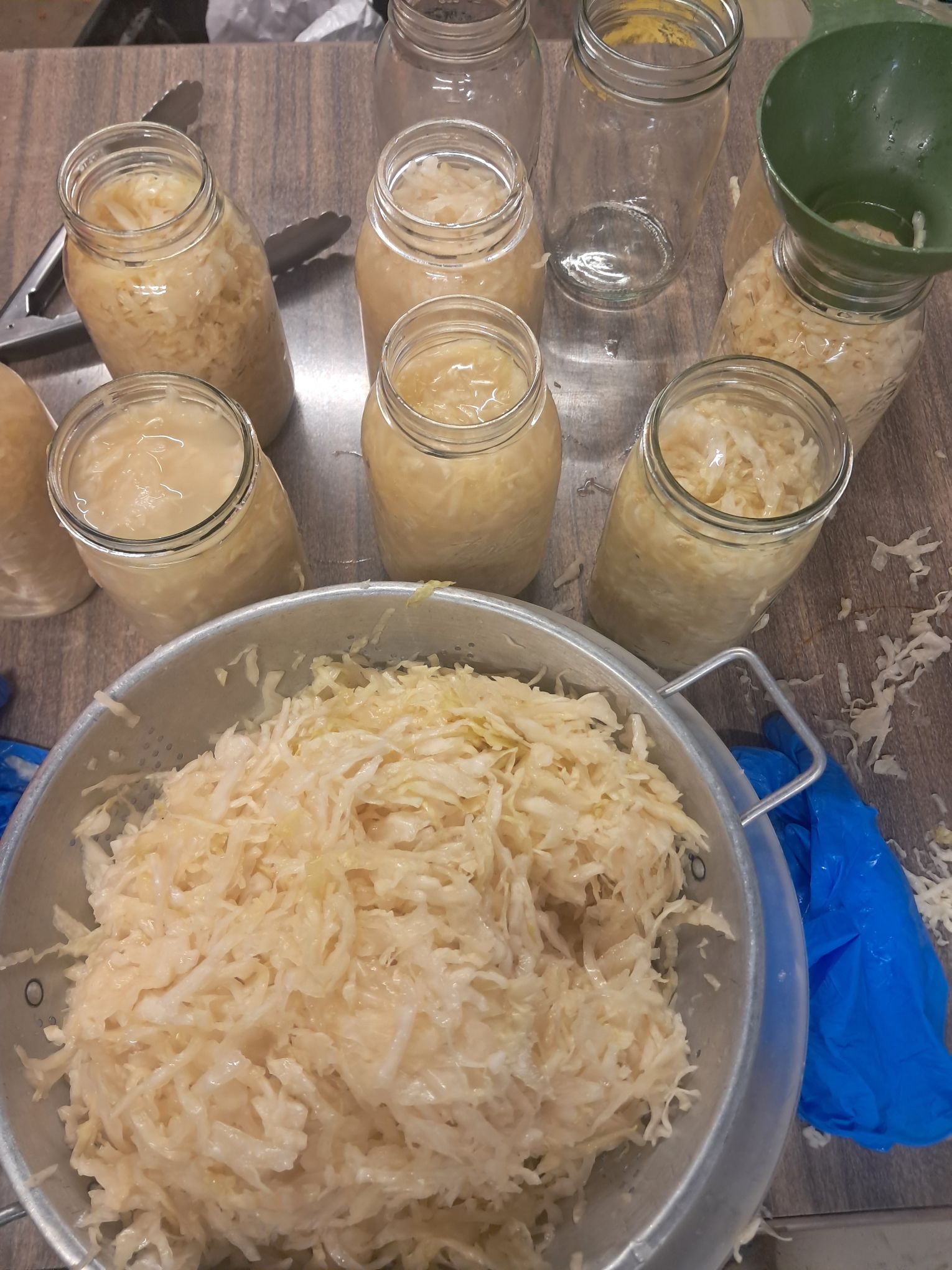
    Next, we weighed the shredded cabbage on a kitchen scale, then calculated and measured out 2% canning salt (affiliate link) by weight. After mixing the cabbage and salt together, we packed it down firmly into our antique RedWing stoneware crock using a homemade stamper (basically a broom handle fitted onto a wooden block—but it works perfectly for this purpose).


    The Secret to a Clean Ferment

    Place cabbage leaves above the salt/cabbage mixture.
    A garbage bag filled with water helps to seal the fermenting sauerkraut from outside air.

    To finish, we laid a few whole cabbage leaves on top and placed a water-filled plastic garbage bag over everything. This simple trick does two things:

    • The weight keeps the cabbage fully submerged in brine.
    • The plastic molds to the sides of the crock, reducing airflow and spoilage.

    Then the real magic began—waiting. The crock sat in a cool, dark corner of the basement for about three and a half months. Time and microbes quietly transformed that fresh cabbage into something incredible.


    The Big Reveal

    That beautiful sauerkraut after 3.5 months of fermentation.

    When I finally opened the lid, I was greeted by the unmistakable scent of good fermentation—earthy, tangy, and fresh. The sauerkraut was crisp, slightly golden, and bursting with flavor.

    This batch is destined for homemade Reubens and maybe a pork roast or two. The wait? Absolutely worth it.


    Reflections from the Crock

    Homesteading has a way of teaching through food—patience, balance, and trust in nature’s quiet work. The same rhythms that shape a garden shape us, too.


    Have you ever made your own sauerkraut or fermented veggies?
    Homesteading is more fun when we learn together.

    Tell me what’s bubbling on your countertop—or what I should try fermenting next!

    💚 If you enjoyed this post, please take a moment to like, share, and subscribe!

    New readers help this little homestead grow—and sharing your own food projects inspires others, too.

    Subscribe to join me for the next part of this Reuben adventure: homemade rye bread!

    Related Posts

  • My Mission: Growing Food, Raising Kids, and Building Community — A Path Back to Connection

    My Mission: Growing Food, Raising Kids, and Building Community — A Path Back to Connection

    Daily writing prompt
    What is your mission?

    “We’re stronger together.”
    — A lesson from the land, the past, and the heart.

    Some days, I find myself wondering why I share so much of my messy, joyful, back-to-the-land life. Then I remember—it’s not just a blog; it’s a declaration of purpose. I’m not just learning to grow food or raise livestock. I’m learning to build a life rooted in connection, resilience, and love—the kind of life that feels increasingly rare in our modern world.


    Growing Food

    My mission comes back to the words that guide everything I do: “Growing food, raising kids, building community.”

    Growing food isn’t just about self-sufficiency; it’s about slowing down and remembering that life takes time. Whether it’s a full garden, a few backyard hens, or a pot of herbs on a sunny windowsill, each act connects us to the earth and to the generations who worked it before us.

    You don’t need acres to begin—just a seed, a container, and a little sunlight.

    Even one small step can be the beginning of a more grounded life. Each seed planted is a reminder that we can create abundance with our own hands.


    Raising Kids

    Just as tending the garden teaches patience, so does parenting. Homesteading is a classroom like no other—muddy, humbling, and full of wonder.

    It teaches our children what no textbook can: that hard work matters, that life is cyclical, and that family is their safe harbor in a sometimes harsh world.

    My hope is that my kids grow up knowing home isn’t merely a place—it’s a legacy we build with care and intention. Whether they keep chickens, plant tomatoes, or simply carry these values forward, I want them to understand where they come from and who they are.


    Building Community

    And then there’s community—the heartbeat of homesteading and, I believe, our survival as humans.

    American society often tells us that strength comes from independence—that we should manage everything ourselves, and outsource what we can’t, because we’re too exhausted to do it all. But that version of “strength” leaves us burned out and disconnected.

    True strength doesn’t grow in isolation—it blossoms in interdependence.

    Sometimes that means swapping seeds or recipes; other times, it’s checking on a neighbor or being brave enough to ask for help. We were never meant to do this alone.


    Lessons from the Past

    When I think about how far we’ve drifted from those roots, I can’t help but look back with respect. Our great-grandparents understood community in ways we’ve forgotten.

    Their lives weren’t easy—many faced relentless hardship. I once read about children in rural Wisconsin in the 1930s who walked miles to town barefoot, carrying their shoes so they wouldn’t wear them out. They’d put them on only once they reached town, because those shoes had to last—and often be passed down to the next child.

    Those stories remind me that while the past wasn’t perfect, it carried wisdom worth keeping. People ate real food, raised resilient children, and looked out for their neighbors. They knew that survival wasn’t just about grit—it was about connection and care.


    Planting Hope

    In the end, that’s what I want my life—and this blog—to reflect. I want to inspire others to live intentionally, grow their own food, raise their families with love, and reconnect with the people around them.

    Because when we nurture the soil, our children, and each other, we’re planting more than gardens—we’re planting hope. And in that hope, we rediscover a simple truth our ancestors never forgot:

    We are always stronger together.


    Now it’s your turn. How do you balance modern life’s demands with a desire to live more simply? Tell me about it in the comments. Let’s start a conversation!

    If this post spoke to you, I’d love for you to help the message spread:

    💬 Share your thoughts in the comments — I truly enjoy hearing your stories.

    💚 Share this post with a friend who believes we’re stronger together.

    🌾 Subscribe to the blog for more reflections on growing food, raising kids, and building community—one season at a time.

    Related Posts

  • My Biggest Influences from Family, Homesteading, and Simple Living

    My Biggest Influences from Family, Homesteading, and Simple Living

    Who are the biggest influences in your life?

    Keywords
    simple living inspiration, homesteading lifestyle, family-centered life, personal growth journey, rural living values, community and connection, self-sufficiency and family, gratitude and intention


    Influence comes in many forms—some quiet and steady, others bold and life-changing. Lately, I’ve been reflecting on who’s helped shape my journey toward simple living, family-centered growth, and self-sufficiency.

    Books That Shape My Thinking
    Books have always been my greatest teachers. I can spend hours tucked into a good nonfiction guide—whether it’s about self-improvement, gardening, or preserving old homestead traditions. The works of Midwestern authors like Jerry Apps hold a special place in my heart. His book about rural school life reminded me of the values that built strong communities: honesty, grit, and compassion. Reading it inspired me to start writing again and to live more intentionally.

    Another influential book is Ben Logan’s The Land Remembers. His stories of growing up in Wisconsin capture what I love most about rural living. He talks about connection to the land, rhythm of the seasons, and the quiet lessons found in hard work. These authors remind me that storytelling preserves the values and wisdom worth passing on.

    Just as books have shaped how I think about simple living, the people around me continue to shape how I live it each day.

    Community That Inspires Me
    Social media has become a surprisingly powerful influence in my life. My Facebook followers bring so much joy, encouragement, and creativity. We swap garden tips, share family stories, and remind each other that we’re not alone in pursuing intentional living.

    What’s even more special is how online connections can grow into real friendships. Just last week, a friend from high school reached out after reading one of my posts. We met for coffee and had a wonderful conversation. It’s one that bridged years and reminded me how connection can start anywhere, even with a simple post.
    Platforms like YouTube have also become part of my daily rhythm.

    Watching fellow homesteaders and lifestyle creators encourages me to keep learning new skills and to approach life’s routines with curiosity and gratitude.

    Family That Grounds Me
    At the heart of my life is family. My parents and in-laws are always ready to help. Sometimes, it’s lending a hand with a project. Other times, it’s offering wisdom when I need it most. My husband is my constant partner—steadfast, kind, and right beside me whether we’re tending the garden or tackling challenges together.

    My children have become my best teachers. They remind me to slow down, play, and find joy in the small things. Through them, I’ve learned patience, creativity, and how to truly appreciate everyday blessings.

    And my sisters hold a special place in my heart. We share humor, sorrow, and plenty of homesteading projects. Their support and laughter keep me rooted, even when life feels hectic.

    Living and Learning Together
    Every influence—books, community, and family—forms part of the foundation that supports my growth. They motivate me to write, to homestead with purpose, and to live each day with gratitude. Growth doesn’t happen in isolation; it blossoms through shared stories, nurturing relationships, and open hearts.


    Now it’s your turn. Who or what have you found to be influential in your life?

    If this journey speaks to you, I’d love to have you join this community. We discuss simple living, homesteading, and personal growth through family life. Subscribe to my blog for weekly reflections, practical tips, and heartfelt stories about building a life rooted in intention and simplicity. Let’s keep growing and creating something meaningful together.

    Related Posts

  • Why Is Beef So Expensive? The Real Story Behind Your Steak — and How You Can Help Support Local Farmers

    Why Is Beef So Expensive? The Real Story Behind Your Steak — and How You Can Help Support Local Farmers

    Beef prices are higher than ever, and it’s hard not to flinch when you see the total at the checkout. But there’s a bigger story behind that price tag. It’s a story of weather, supply, and the everyday people who make your meals possible.

    The Shrinking Herd
    Across the country, the U.S. cattle herd is the smallest it’s been since 1951. Years of drought have dried up pastures. Rising feed and fuel costs have forced many families to sell breeding cows just to hold on.

    With fewer calves entering the pipeline and beef taking about two years to raise from birth to butcher, this shortage doesn’t rebound quickly. Meanwhile, Americans still love their beef—consuming around 57 pounds per person each year, according to USDA estimates.

    When demand stays strong and supply runs short, prices naturally climb.

    Family Farms Under Pressure
    But economics only tell half the story. On my sister’s small farm, she and her husband raise beef—a side project that grew out of their love for good food and good land. Like many small producers, they both work jobs outside the home to keep their operation going.

    What started as a passion for raising healthy animals and feeding their neighbors has become a delicate balance between purpose and practicality. For them, and countless others, farming isn’t just about income—it’s about identity, family, and stewardship of the land.

    Their experience isn’t unique. The average farmer in the U.S. is now around 58 years old, and for younger generations, getting started can feel impossible. Land, equipment, and livestock cost hundreds of thousands of dollars before the first calf is ever born.

    On top of that, just a handful of large companies control most of the nation’s beef processing. That means family farms earn less, even as consumers pay more at the store. It’s a painful disconnect that continues to squeeze rural families across the country.

    Watching my sister pour her time and heart into those cattle reminds me of something deeper. Homesteading—like life—rarely offers shortcuts. The work is long, often quiet, but filled with meaning that doesn’t show up on a price tag.

    The Cost of Keeping Food Safe
    Processing adds another layer of expense. Federal law requires a USDA inspector to be on-site during every moment of slaughter and processing. Their presence ensures animal health, cleanliness, and safety—vital safeguards that protect us all—but compliance adds time, labor, and cost.

    Some experts believe these inspections could be modernized and streamlined to preserve safety while easing financial pressure on small processors. For now, those costs carry through the system, one steak at a time.

    Beyond the Farm Gate
    Every link in the supply chain—from pastures and processors to packaging and transport—feels the strain of rising fuel prices, labor shortages, and inflation. And behind that rising price tag are families working early mornings and late nights to keep barns running, pastures green, and herds healthy.

    For many, it’s more than work—it’s a calling built on resilience and pride.

    And for those of us on the other end, part of honoring that work is learning to value the whole animal. Beef isn’t just ribeyes and tenderloins. It’s also the flavorful roasts, shanks, and stewing cuts that take time, effort, and patience to cook.

    When we learn to use every cut—every bit of what an animal gives—we stretch our dollar, reduce waste, and show respect for the life and effort behind our food. In a way, that practice is at the very heart of homesteading: using wisely, wasting little, and cooking with gratitude.

    What You Can Do
    Understanding the system is a great first step. Visit your local butcher or farmers’ market. Ask where your beef comes from. Learn from small farmers who raise animals with care and integrity—and don’t be afraid to try new cuts or cooking methods.

    If you have the freezer space, consider buying a quarter beef directly from a local farmer. It’s roughly 200 pounds of meat—everything from premium steaks and roasts to ground beef and lesser cuts. Buying this way often saves money per pound, puts more of your dollars directly into the farmer’s pocket, and helps keep local processors and butchers in business.

    This is what a quarter beef looks like, directly from the butcher.

    Supporting local producers and cooking with intention helps preserve the values that built rural communities: thrift, respect, and connection to the land. When you approach food with awareness, every meal becomes an act of gratitude.

    If you try a new cut or buy in bulk from a local farm, share your experience in the comments. I’d love to hear how you’re honoring the hands and hearts behind your food.

    A Final Thought
    The next time you pick up a steak—or a simple pack of stew meat—remember the weather, markets, and families who make it possible. Every mindful purchase helps sustain not just a food system, but a tradition of stewardship that keeps families—and their farms—going strong.


    If this story resonated with you, give it a like. Share it with a friend or pass it along to someone who loves good food and community.

     
    Your support helps this blog keep shining a light on local farmers, homesteading life, and the values that keep our tables full of meaning. 


    Subscribe for more stories—and practical tips—on living simply, eating well, and staying connected to the land.

    Related Posts

    Harvesting Traditions

    The hum of diesel engines and the scent of dusty corn fill the air every fall, signaling harvest season and long days ahead. For the local farmers, this time of year brings both relief and pressure—hundreds of acres to harvest before rain or early snow set in. My dad is always there to help, his…

    Keep reading

    Beyond the Plate: Cooking with Heart, Seasonality, and Family in Mind

    What are your family’s top 3 favorite meals? Disclosure: This post contains affiliate links. As an Amazon Associate, I earn from qualifying purchases. Thanks for supporting Practical Homesteading! Imagine standing in your kitchen after a long day, staring into the fridge and pantry. Hungry family members are standing by waiting not-so-patiently. You juggle not only…

    Keep reading

  • My Top 5 Essential Grocery Staples for Homesteading and Scratch Cooking

    My Top 5 Essential Grocery Staples for Homesteading and Scratch Cooking

    List your top 5 grocery store items.

    Disclosure: This post contains affiliate links. As an Amazon Associate, I earn from qualifying purchases. Thanks for supporting Practical Homesteading!


    If you walked down a typical grocery store aisle with me, you might think I’m lost. While most American shoppers reach for convenience, I’m the one squinting at sacks of flour, jars of yeast, and tubs of coconut oil — the same staples my great-grandmother probably chose 75 years ago. I don’t shop for ready-made meals; I shop for possibility.

    At home, those bulk ingredients become whatever we need — bread, tortillas, sauces, or even snacks. If I don’t know how to make something, I learn. A simple search and a quiet evening in the kitchen have taught me more than any cookbook could. This hands-on, old-fashioned approach has saved us thousands over the years, but more importantly, it’s built confidence, patience, and gratitude for every meal we share.

    Now, that doesn’t mean I don’t enjoy Chinese takeout once in a while! I’ve learned to make my own dumpling and stir-fry recipes — they’re delicious when they turn out, and hilarious when they don’t. (One of my most epic flops was a lemon pepper chicken so salty it could’ve been used as a salt lick.) Mistakes keep me humble, and in a way, they’re the best ingredient for growth.

    Homemade potato chips
    Bloody Mary with mostly homegrown ingredients

    So with gratitude — and a dash of humility — here are my five most essential grocery items and how they shape my kitchen life on the homestead.


    5. Coconut Oil

    Coconut oil (affiliate link) is my go-to multipurpose fat. It melts like butter and works wonders in place of lard or shortening. I use it to pop popcorn, bake desserts, and even blend it into homemade flour tortillas.

    Its aroma — faintly sweet and buttery — adds a subtle depth you can’t quite place but always appreciate.

    Tip: For tender baked goods, replace half the butter or shortening in your recipe with coconut oil, then reduce liquid slightly. It gives just enough chew without the greasy feel.


    4. Active Dry Yeast

    Yeast (affiliate link) is the quiet hero of my kitchen — small, simple, and full of potential. Watching dough rise never loses its magic, especially when the kitchen smells of warm, sweet yeast and anticipation.

    It symbolizes self-reliance: turning flour, water, and salt into something living, breathing, and nourishing.

    Tip: Always proof yeast with a pinch of sugar in warm water (around 110°F). If it bubbles within 10 minutes, your dough is ready to rise.


    3. Chicken and Beef Bouillon Powder

    I lean on chicken (affiliate link) and beef (affiliate link) bouillon powders for soups, gravies, and especially rice. Cooking rice in chicken or beef stock instead of water transforms it from plain to crave-worthy.

    I also mix beef bouillon into my homemade onion soup powder — it adds warmth and richness that store mixes can’t match.

    Tip: Swap half the water for stock when cooking noodles, grains, or vegetables. It’s the fastest way to round out flavor without extra sauces or salt.


    2. Plain White Sugar

    Plain old white sugar earns a spot near the top because it does so much more than sweeten desserts. It wakes up yeast, balances tomato acidity, and — lately — fuels our lemonade habit.

    My sister keeps me well-supplied with lemons, so I make fresh lemonade weekly. When the kids come in sun-dusted and thirsty, that chilled pitcher waiting in the fridge makes them light up.

    Tip: Add a teaspoon of sugar to tomato sauces or soups to tame acidity without losing depth of flavor.


    1. Flour

    If coconut oil is the heart of my pantry, flour is its backbone. I buy high-gluten flour for breadmaking (affiliate link), but I’m excited to experiment more with ancient grains soon.

    The feel of dough under my hands, the smell of a fresh loaf cooling on the counter, and the crackle as it’s sliced — it’s the rhythm that grounds my kitchen.

    Flour builds loaves, tortillas, focaccia, and even desserts. It’s humble, forgiving, and powerful — no one in my house has ever once complained about home-baked anything.


    We rarely buy vegetables from the store, relying instead on what we’ve grown and preserved — jars of tomatoes, beans, and pickles lining the pantry. They remind me that what we grow in summer sustains us long after the frost sets in.

    Our winter meals center around potatoes, onions, and frozen vegetables like broccoli and bell peppers. We’ve experimented with extending our garden season using a small greenhouse and straw. There’s something deeply satisfying about pulling greens or a carrot from a garden while snow still glitters outside.

    As for meat, we’re still building toward full independence. We raise our own pork, purchase beef from my sister’s grass-fed herd, and still buy chicken from the store — for now. One day soon, meat birds will join the homestead lineup, and the circle will feel more complete.

    Each grocery item on this list earns its place not for novelty but for versatility. They remind me that eating well doesn’t require endless ingredients — just a few solid building blocks and the creativity to make them shine.

    This slower, more deliberate approach to cooking has taught me creativity, patience, and gratitude — lessons that spill over into every other area of life.

    Homesteading has shown me that ingredients matter less than the care and love you pour into them. Every loaf, jar, and meal built from raw goods feels like an act of heritage — and hope — in a world that moves too fast.

    Homestead maple syrup

    What five grocery staples would make your list? Please share them in the comments. And if this post inspired you, please likeshare, or subscribe to follow more homesteading stories, seasonal recipes, and simple living tips.

    Related Posts

    The Choreography of Cattle and Grass

    Experience a vivid farm story about rotational grazing, resilience, and regenerative land stewardship through the eyes of a family and their Red Angus herd. Discover how cattle, people, and pasture move together in balance

    Keep reading
  • Feathers, Frogs, and Family: Lessons from Our Chickens

    Feathers, Frogs, and Family: Lessons from Our Chickens

    What are your favorite animals?

    I remember he day our delivery person lingered just to pet a chicken. It marked a quiet but unforgettable connection between humans and animals in our lives. That black hen with golden feathers wasn’t just beautiful. She was a symbol of the surprising personalities and stories hidden in every farm animal. These stories have shaped my family and me in ways I never expected.

    Farm animals have always felt special to me. More than simple creatures in a barnyard, they each hold distinct characters and life lessons. Chickens, in particular, embody a fascinating mix of contradictions: small yet bold, practical yet full of surprises. Take the first time I saw one catch and eat a frog, for example. I was both fascinated and startled. There she was, darting through the grass with sharp precision, capturing a hopping frog with a triumphant snap. This wild side of chickens revealed itself suddenly but clearly—showing me they are more than gentle garden pets. They are resourceful, lively members of the natural world.

    Equally meaningful to me has been watching my son grow alongside these animals. From tentative first touches to bursts of laughter as he ran alongside the flock, his connection with the chickens deepened steadily over time. This growing bond reached a milestone when we gathered our first pullet egg together. It was a small, warm marvel that tasted like patience and hope. Sharing that fresh egg was a celebration of both life and the quiet rituals that come from care and attentiveness.

    Beyond their intriguing personalities and practical benefits like eating food scraps and producing fertilizer, these animals have woven themselves into our daily rhythms and affections. It’s no wonder our delivery person was so drawn to that golden-feathered hen. Her presence brought him brief moments of comfort and joy. When she passed away, it marked a quiet loss that reminded me how deeply animals can touch human lives and how these bonds leave lasting marks on our hearts.

    Farm animals are, in truth, companions who teach us to slow down, observe, and connect with the cycle of life. Chickens, with their surprising mix of wildness and gentleness, stand out as providers with vibrant personalities and teachers. In their company, I have found moments of laughter, reflection, and an enduring appreciation for the simple, rich realities of living closely with nature.

    What’s your favorite farm animal or memorable moment with animals that has touched your heart? Share your stories in the comments below—I’d love to hear about the special connections you’ve had with animals!


    If you enjoyed this essay and found these stories meaningful, please like this post. Share it with fellow animal lovers. Subscribe for more heartfelt reflections and stories about life with animals. Your support means the world!

    Related Posts