Category: Food

  • Named and Nourished: Living Honestly with Meat

    Named and Nourished: Living Honestly with Meat

    What are your feelings about eating meat?

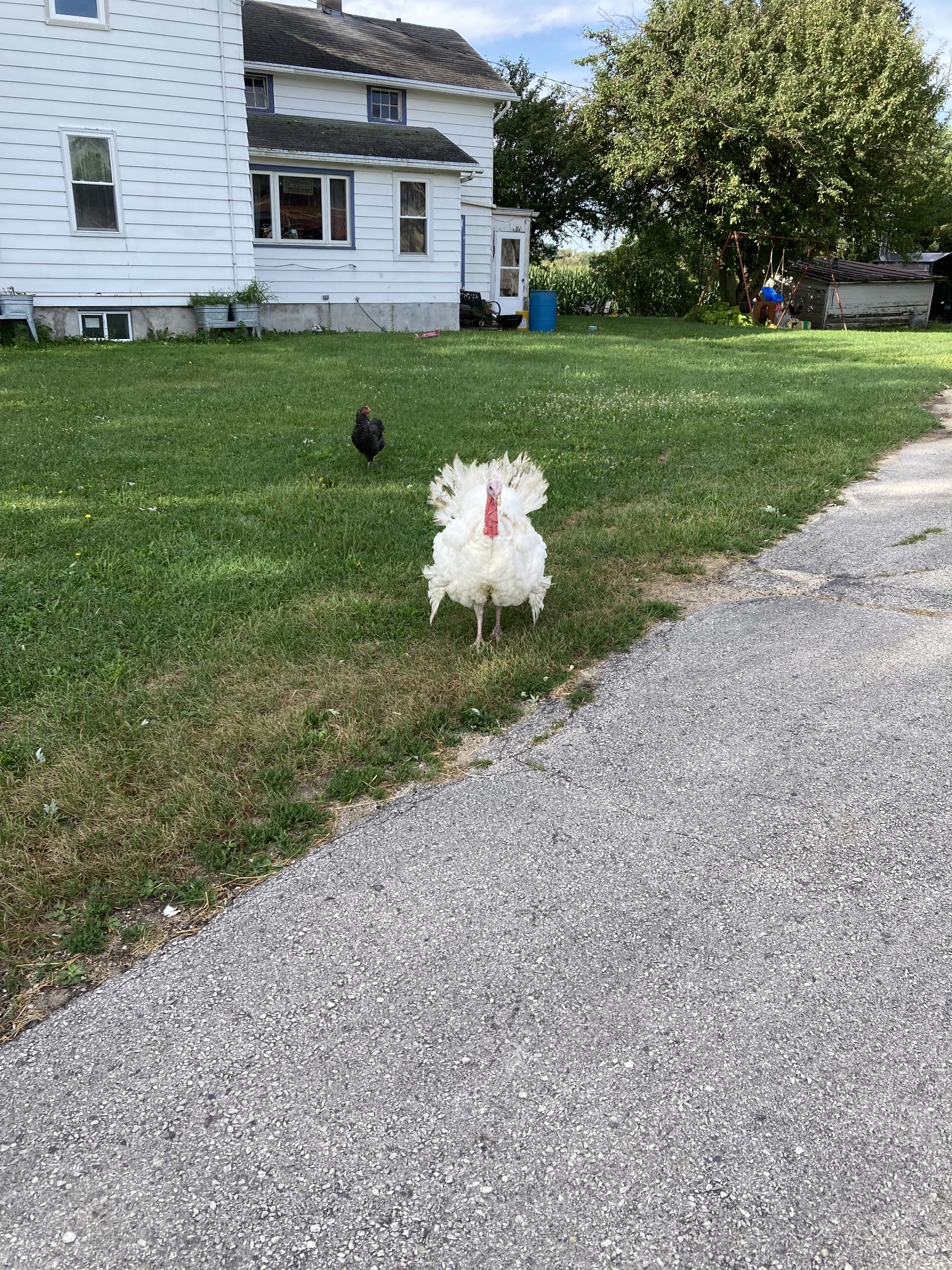
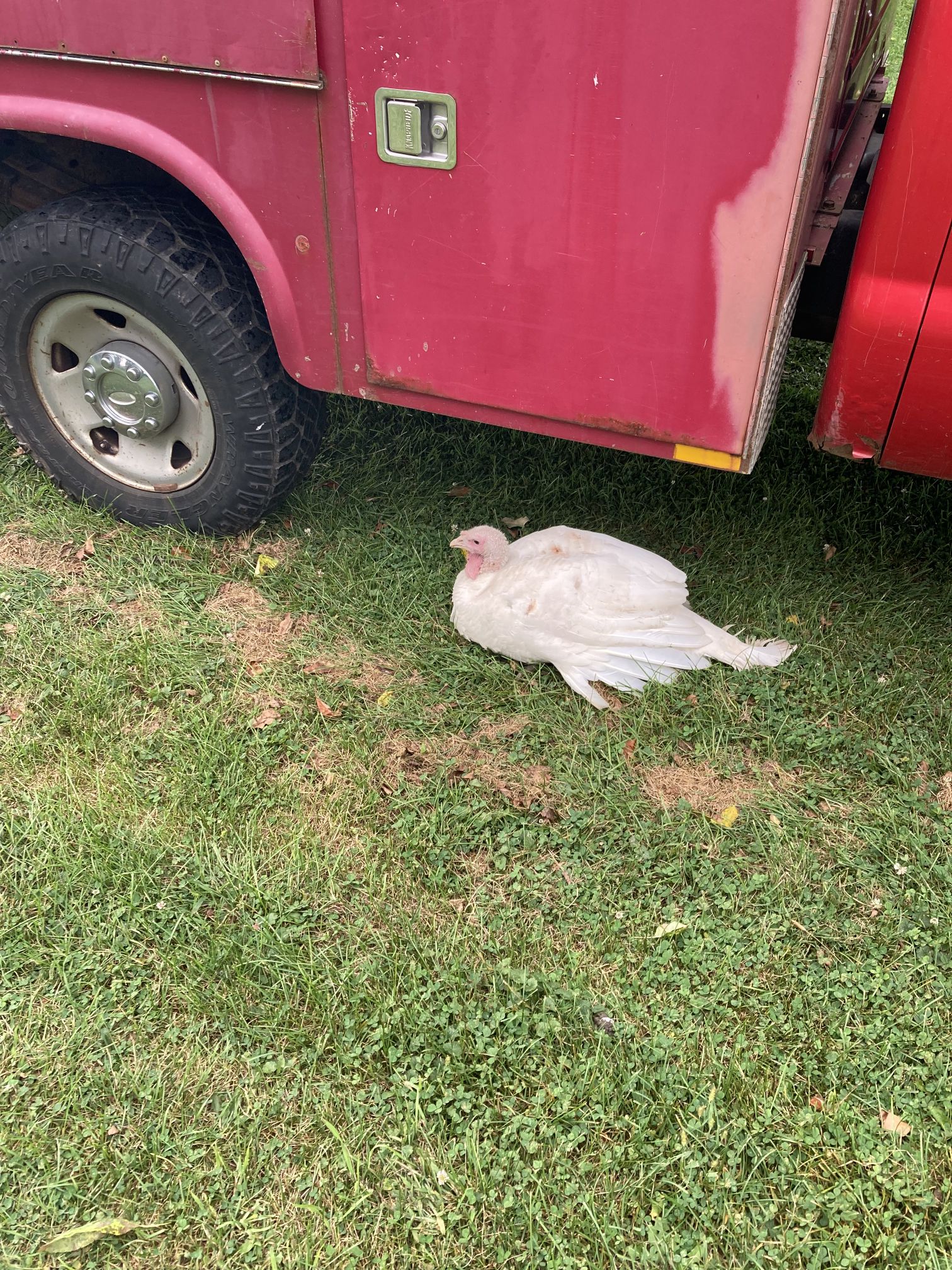
    I sometimes grapple with eating animals I’ve raised and named. Pigs like Spotty loved to root in the muddy corners. The turkey Gobbles strutted proudly in the sunshine. The chickens clucked softly in the evening. I never take it lightly. There is an ache in my chest that tightens when I carry out the hard work of ending their lives. But I would rather face that ache honestly than be complicit in a system that strips animals of dignity, treating them as mere commodities instead of beings. For me, this tension is the price of eating meat with eyes wide open.

    Growing up on my family’s dairy farm, caring for animals was part of my daily rhythm. I remember scratching the ear of a steer. He leaned into my touch with surprising gentleness while I broke ice on water troughs in the biting cold. However, even as a kid, we didn’t always eat meat from our own animals. We bought beef from the store, packaged and removed from the lives—or deaths—that put it on the table. That detachment was normal in my world, a quiet dissonance between nurturing life and consuming it anonymously.

    It wasn’t until I learned about the horrors of industrial agriculture that my perspective began to shift. Chickens are crammed into tiny cages, cattle are confined in waste-filled feedlots, and pigs are subjected to painful tail docking. The animals I knew from childhood sparked a deep yearning to reclaim a meat-eating ethic rooted in respect and care. Where animals could express their natural behaviors under open skies.

    Now, I raise pigs, turkeys, and chickens that roam freely, living full lives before their humane end. Spotty’s joyful mud rooting, Gobbles’s proud displays, and the quiet clucks of layers settling at dusk—all these moments remind me of the life behind the meat. After every harvest, I pause to thank them, honoring their sacrifice and the circle of life in a way that industrial meat production never allows. This act of gratitude is both a balm and a reminder of the weight carried in each bite.

    Eating meat remains a negotiation between love and loss, tenderness and necessity. Naming my animals and seeing their personalities has made me confront discomfort rather than avoid it. It’s deepened my gratitude and underscored my responsibility. Though I sometimes wish I could spare each life, I have chosen this path over indifference. In this way, I believe that conscious stewardship is the only ethical way to continue eating meat.

    In this balance, I find a measure of peace. I carry my sorrow alongside my meals, never forgetting the lives that nourish me. The choice is not easy, but it is honest. And in that honesty, I find a deeper respect—for the animals, for the earth, and for the tradition of living with awareness rather than denial.

    If this essay resonates with your own thoughts on ethical eating, food sourcing, or the farm-to-table life, like it to show support. Share it with fellow homesteaders or omnivores questioning the system. Subscribe for more raw reflections on living intentionally with animals and land.

    Related Posts

    More Than a Meal: Raising Our Own Thanksgiving Turkeys

    Discover the joys and challenges of raising backyard turkeys in this heartfelt story about patience, humor, and the journey from fluffy poults to Thanksgiving centerpiece. Learn personal lessons and practical insights from a family’s wild turkey-raising adventure.

    Keep reading

    The Choreography of Cattle and Grass

    Experience a vivid farm story about rotational grazing, resilience, and regenerative land stewardship through the eyes of a family and their Red Angus herd. Discover how cattle, people, and pasture move together in balance

    Keep reading

    Between Joy and Heartbreak: Lessons from Life with Animals

    If you care for animals, you soon learn that joy and heartbreak are neighbors—arriving together, sometimes within the span of a single sunrise. I didn’t set out to be a caretaker, but each creature has reshaped me, leaving lessons that linger long after the shed doors close. Learning Detachment My childhood on a dairy farm…

    Keep reading
  • Crescents of Resilience

    Crescents of Resilience

    Do you or your family make any special dishes for the holidays?

    Flour-dusted hands trembled over a bowl at 3 a.m., measuring cups snapping in the silent kitchen. Everything was a desperate attempt to summon my mother from the hospital. An undiagnosed intestinal blockage had her rejecting even water.

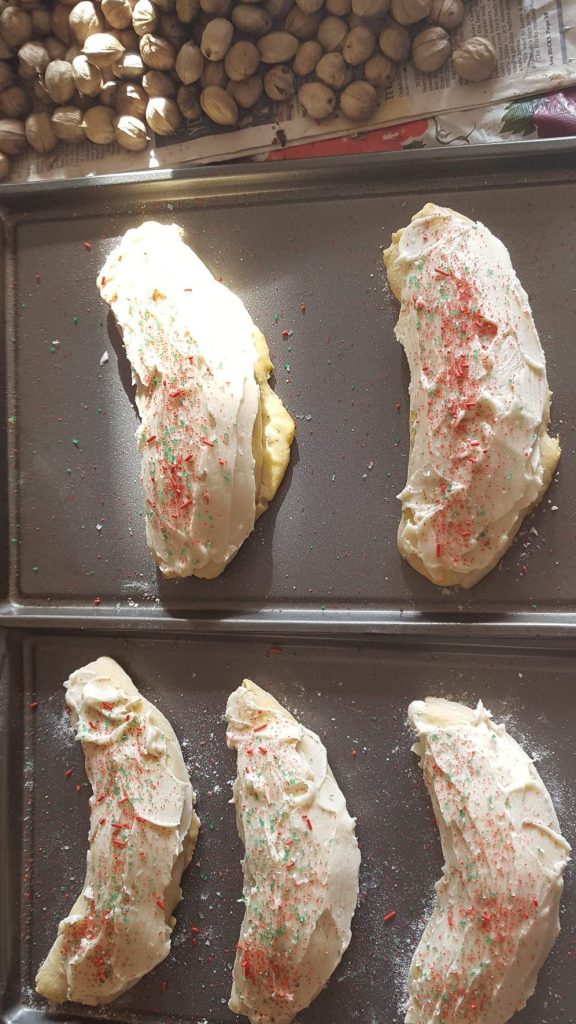
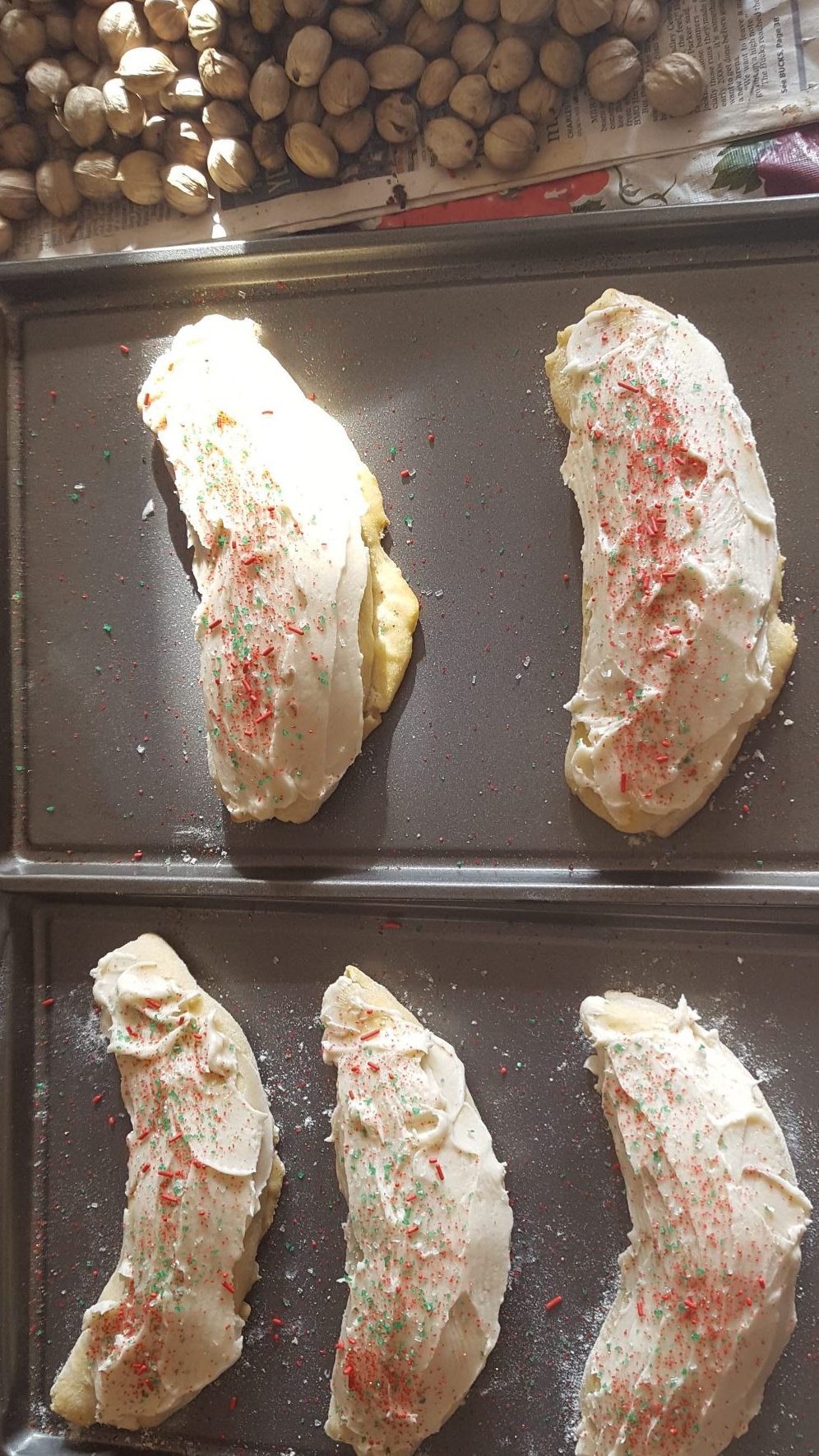
    The family lineage traces to heavy German roots. My father’s ancestors came from Austria in the 1870s, my mother’s from northern Germany in the 1850s. Her kranz kuchen recipe endures from her grandmother’s penciled cards. Yeasted dough rolled thin, layered with my dad’s foraged hickory nuts, chopped dates, cinnamon, and brown sugar. Twisted into crescents, baked golden, and glazed, dozens emerge each year for us six daughters, neighbors, and church friends, embodying a quiet hospitality.

    Last Christmas, that rhythm fractured. Hospitalized, she could not retain food; us sisters started a text string, asking one question. “What if they never pinpoint the cause?” No flour clouds rose, no yeasty warmth filled the air—only silence amplifying the dread of a holiday without her.


    Insomnia seized the nights. Each fragmented update jolted awake any fragile rest. Kneading became refuge: egg yolks merging into warm, proofed milk and yeast, the dough yielding beneath palms like hope taking form. As it rose under a towel, yeast’s scent enveloped the darkness. Folding in the nuts, dates, and spice, then rolling and shaping crescents, the hands of generations guided mine.


    The oven’s glow dispelled shadows; caramelized sugar perfumed the halls. Frosting traced uneven paths, mirroring hers. Those crescents transformed rupture into resilience.


    A single bite of spice-laced crumb now evokes my dad’s meticulous toil, my mother’s assured fold, my midnight vigil—a resilient pastry proving adversity does not sever us but reshapes us, crescent intact. She recovered. The tradition persists. We endure.

    If this story of family tradition and quiet strength resonates with you, like this post. Share it with someone who needs a reminder that resilience often starts in the kitchen. Subscribe for more heartfelt essays on heritage and hope.

    Related Posts

  • More Than a Meal: Raising Our Own Thanksgiving Turkeys

    Gobbles and the Unmowed Lawn

    Gobbles, our forty‑pound turkey, once refused to move for the lawnmower. My husband drove closer, then closer still, waiting for the bird to do the sensible thing. Gobbles didn’t budge, and that’s how we ended up with a turkey‑shaped patch of unmowed lawn—a small, stubborn monument to the wild experiment we’d started in our backyard.

    A New Chapter in Backyard Farming

    Chickens had already shown me that birds can be both hilarious and mean. Ducks had proven that cuteness and filth can happily coexist. A few years ago, after reading about a woman who raised her own Thanksgiving turkeys, I realized I wanted to go further. When our local hatchery couldn’t source ducklings one spring, it was a minor inconvenience. This became the excuse to bring home three turkey poults instead.

    From Basement Brooder to Outdoor Coop

    This time, my husband handled pickup duty. He arrived with a box of peeping chicks and poults. Their arrival turned the whole house electric with anticipation. The brooder—a repurposed water tank in our basement—waited with a heat lamp, water, feed, and a lid to contain the chaos. At first, the turkeys were only slightly larger than the chicks, all of them fluffy and awkward. Within days, though, the turkeys started to pull away. They doubled in size, then doubled again. It seemed their entire job was to eat, drink, and poop as efficiently as possible.

    We lost one poult early on for reasons we never understood, and the sudden shift from three to two landed harder than I expected. It was a quiet, early lesson in how fragile life on a small farm can be. Of the survivors, one always had his feathers sticking out at odd angles, so we named him Gobbles, a little wink to anyone who’d seen South Park. The smaller bird became Jennie, after the frozen turkey brand that had defined “Thanksgiving” for us before we raised our own.

    Gobbles

    By early May, the brooder was bursting, and everyone was ready for fresh air. We tried separating the turkeys from the chickens that first night outside, but the noise they made made it clear we were fighting a losing battle. After one loud, sleepless experiment, we moved everyone into our mobile chicken coop and let them sort it out. During the day, they roamed the yard as a mismatched flock, and each evening they filed back into the coop like feathered commuters, jostling for their preferred spots.

    Jennie

    Personality Plus: Turkeys vs. Chickens

    Living with both species at once made their differences obvious. The chickens were efficient, slightly tyrannical little dinosaurs. The turkeys seemed to have missed out on common sense entirely. On Memorial Day weekend, a big storm rolled in; the chickens headed straight for shelter, while the turkeys stood in the downpour, soaked and squawking as if the rain were a personal insult.

    My husband and I slogged around in the storm, alternating between laughing and swearing as we scooped them up and shoved them under cover. We were half convinced they might drown standing there or draw an eagle with all that frantic noise. By summer, their physical transformation matched their larger‑than‑life behavior. If the chickens were little dinosaurs, the turkeys were the T‑rex cousins. After about four months, Gobbles weighed around forty pounds and Jennie about twenty‑five, and both strutted like they owned the place.

    Rising Stakes: Growth and Pecking Order

    Gobbles clearly saw himself at the top of the pecking order, inserting his bulk into whatever drama unfolded among the hens. Jennie, despite her smaller size, regularly put the roosters in their place and even bloodied one during a particularly heated round of dominance negotiations. The same birds that made us laugh with their antics were always moving toward the date we’d circled on the calendar. Around the five‑month mark, butcher day arrived—never something we looked forward to, but the reason we’d brought them home.

    Butcher Day: The Hardest Part of the Journey

    My husband handled the hardest part. Once it was done, I thanked the turkeys out loud before joining the work of plucking, stepping away now and then to check on the kids. Our five‑year‑old surprised me by wanting to help, his small fingers well suited to grabbing stubborn feathers, and I felt a brief tug between pride and discomfort as I let him join in. My husband’s father arrived and the day settled into a rhythm: music playing, adults talking, drinks in hand, hands busy. The work was still heavy, but it felt shared, almost like a ritual we were inventing as we went.

    By the end, we had one dressed turkey at about thirty pounds and another around twenty, lined up for the freezer like oversized, deeply personal trophies of our effort.

    Preparing the Turkey for the Table

    I hauled Gobbles from the freezer about a week before Thanksgiving. I set him to defrost in our unheated upstairs. He loomed silently every time I walked past. Each glance reminded me of the fluffy, clumsy poult he had been. It also brought back the long, messy chain of chores that had brought him there.

    Two days before Thanksgiving, I mixed a simple brine with salt, sugar, Worcestershire, garlic, and pepper. I discovered that the only vessel big enough was our turkey fryer, minus the basket. It was a ridiculous fit, but it worked. On Thanksgiving morning, we got up early, drained the brine, patted Gobbles dry, rubbed him with salt and oil, and wedged him into a large Nesco roaster so tightly we had to shove his legs down to close the lid. Then we poured in four cans of Miller Lite and turned our attention to the rest of the meal.

    Waiting for that turkey to cook felt tense and nerve-wracking. It was like waiting for an exam grade posted in front of the entire extended family. Fifteen people, one bird, no backup plan if it turned out dry or oversalted. As the scent of beer, garlic, and roasting fat filled the house, my anxiety loosened its grip. It shifted into something closer to anticipation. Even if it wasn’t perfect, it was already unforgettable.

    Thanksgiving Dinner: More Than Just a Meal

    When we finally gathered around the table, Gobbles was as much story as food. As everyone carved off pieces, we traded memories of his lawnmower standoff. We recalled his attempts at intimidation. We laughed at the way he used to lumber after the flock like a confused bodyguard. Conversation took on the tone of a slightly irreverent eulogy as we honored his life in the most direct way possible. We ate the bird who had once stood his ground against a mower and won. It was the best turkey I’d ever tasted, not because it was flawless, but because we knew every step that had led to that plate.

    Lessons Learned and Lasting Memories

    Looking back, those turkeys demanded patience when they outgrew every space we gave them. They taught us humility when plans went sideways. We needed a sense of humor. We found ourselves sprinting through rainstorms to rescue birds that were too bewildered to seek shelter. They pulled Thanksgiving out of the grocery store freezer and dropped it squarely into our own backyard. I don’t know if I’ll raise turkeys again. Every November, when I see a frozen Jennie in the supermarket, I remember Gobbles and Jennie. I think about the stubborn patch of lawn out back. I recall the season when our holiday centerpiece had a personality—and a history—all his own.

    If you’ve raised turkeys or other backyard poultry, share your stories, challenges, or favorite moments in the comments below! What surprises did your birds bring? What tips would you pass on to someone thinking about raising their own turkeys?

    If you enjoyed this story, please like it. Share with your fellow backyard farmers. Subscribe for more honest, practical tales and tips from life on a small farm. Your support helps us keep these stories—and the learning—coming!

    #backyardfarm #homestead #farmtotable #growyourown #homegrown #backyardchickens #homesteading #farmfresh #urbanfarming #sustainablefarming #chickensofinstagram #turkeyraising #familyfarm #smallfarm #countrylife #gardeninglife #organicgardening #plantlover #animalhusbandry

  • Beyond the Plate: Cooking with Heart, Seasonality, and Family in Mind

    What are your family’s top 3 favorite meals?


    Disclosure: This post contains affiliate links. As an Amazon Associate, I earn from qualifying purchases. Thanks for supporting Practical Homesteading!


    Imagine standing in your kitchen after a long day, staring into the fridge and pantry. Hungry family members are standing by waiting not-so-patiently. You juggle not only what tastes good but also what’s nutritious, budget-friendly, and available—all in one mental balancing act. As the main cook in our household, this daily challenge has encouraged me to develop a simple system. I choose meals based not just on flavor but also on their flexibility, ease, and heart.

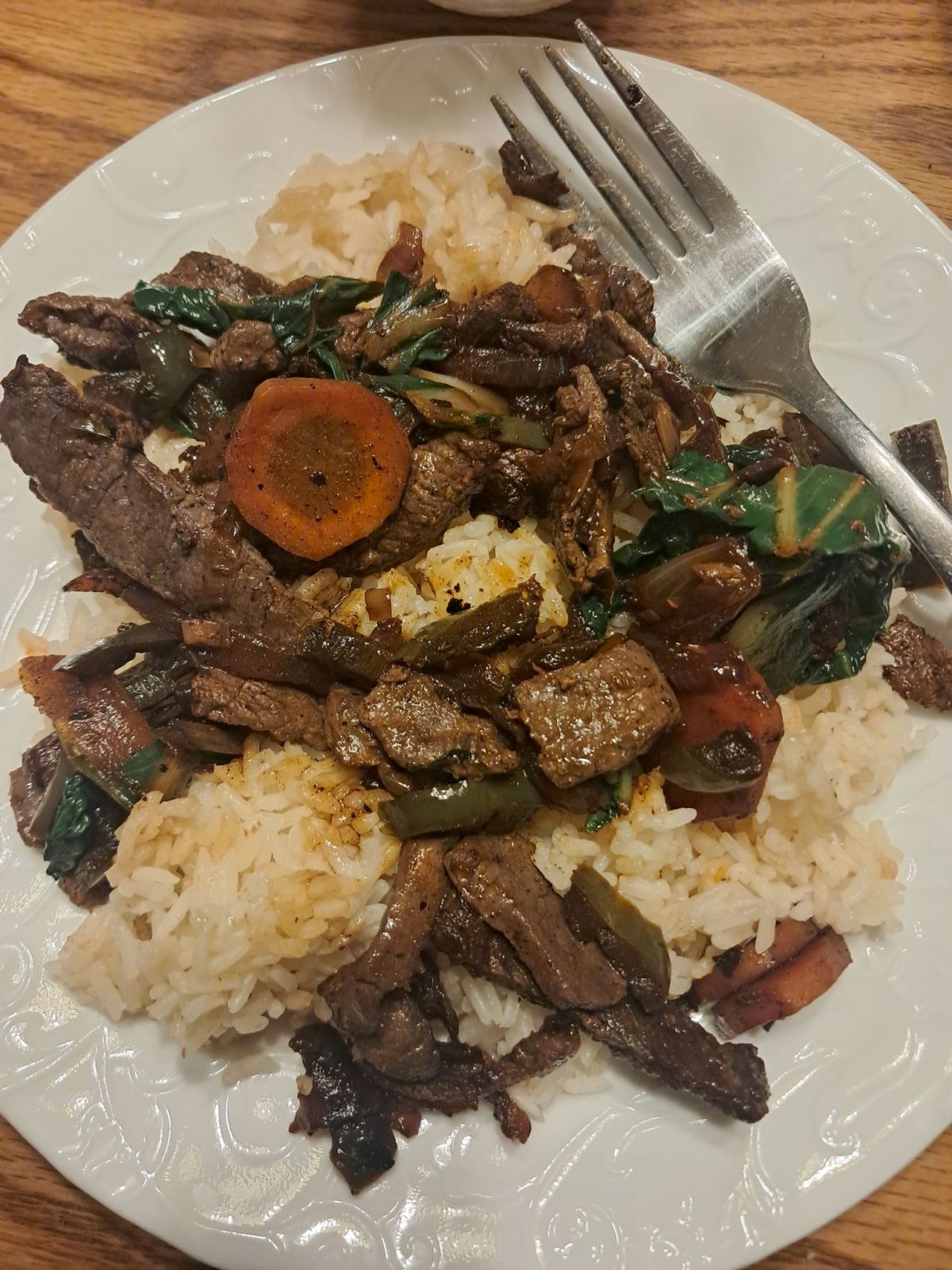
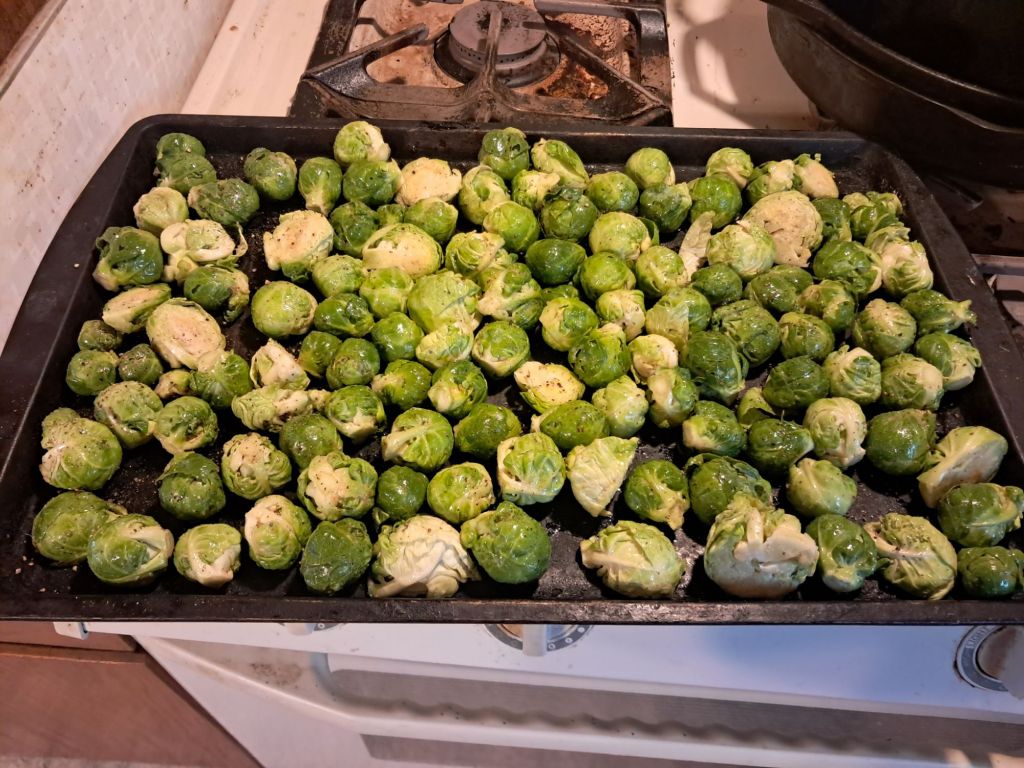
    At the core is a meal framework built around three essentials: protein, vegetables, and starch. This adaptable formula shifts with the seasons and what’s on hand. Proteins can be chicken, pork, beef, fish, or even plant-based, depending on our mood. Vegetables reflect the harvest—right now, that means home-preserved summer bounty or crisp fall favorites like cabbage, Brussels sprouts, and carrots. Starches might be boiled potatoes, rice (affiliate link), bread, or pasta.

    Take Swedish meatballs simmered in savory sauce, paired with boiled potatoes and roasted Brussels sprouts. The meatballs release a comforting spiced aroma, while the tender potatoes soak up the sauce’s richness. The Brussels sprouts, caramelized and slightly crisp, add a satisfying texture. Sometimes, I swap the potatoes for egg noodles or rice. Other times, I substitute veggies with whatever is fresh or frozen—perhaps roasted cabbage or steamed broccoli. That’s what makes this dish endlessly flexible and flavorful.

    Another deeply comforting meal we savor is our pork roast with baking powder dumplings and homemade sauerkraut. This dish carries the warmth of tradition—raised from hogs on our farm and fermented sauerkraut preserved each year. The dumplings, pillowy and light, take about 20 minutes to make, but their soft texture is worth the wait. On busier nights, a crusty loaf of bread stands in just fine. The tangy sauerkraut and savory pork meld beautifully. It’s a combination that our 6-year-old son eagerly requests, making it more than dinner—but a family ritual.

    When I have more time to savor cooking, I prepare roasted lemon garlic salmon with rice and roasted broccoli. The salmon, infused with bright lemon and savory garlic flavors, roasts to tender perfection with a slightly crisp edge. The roasted broccoli brings a bit of earthiness and crunch, balancing the richness of the fish. Fluffy rice accompanies the dish, soaking up any juices and tying the meal together harmoniously. This combination can easily adjust. You can swap the rice for potatoes or pasta. Or you can switch up the veggies depending on what’s fresh or frozen. As a result, this meal is both versatile and inviting.

    What unites these meals is more than just ingredients or technique. It’s the love poured into making them work for everyday life. These dishes mirror the seasons, our kitchen’s rhythm, and the joy of feeding family with less stress and fuss. They invite us to gather around the table, share stories, and create memories. Cooking, for me, is not just about sustenance; it’s an act of care and connection.

    In the end, cooking for family is a dance of practicality and pleasure, tradition and innovation. Our favorite meals teach me that the best dinners aren’t about perfection—they’re about presence: being there, nourishing those you love, and turning the ordinary into something extraordinary.

    Now it’s your turn! What are your family’s three favorite meals? Do you use a simple framework like protein-veggie-starch, or do you have a unique approach in your kitchen? Share your go-to dishes or meal hacks in the comments below. I love hearing how others bring their families together through food.

    And for more easy, adaptable recipes and home-cooking tips, please like this post. Share it with friends who might find this inspiring. Don’t forget to subscribe or follow for regular updates—you won’t want to miss what’s cooking next!

    Related Posts

  • Fifty Lemons and a Lesson in Waste

    Fifty Lemons and a Lesson in Waste

    The Waste We Don’t See

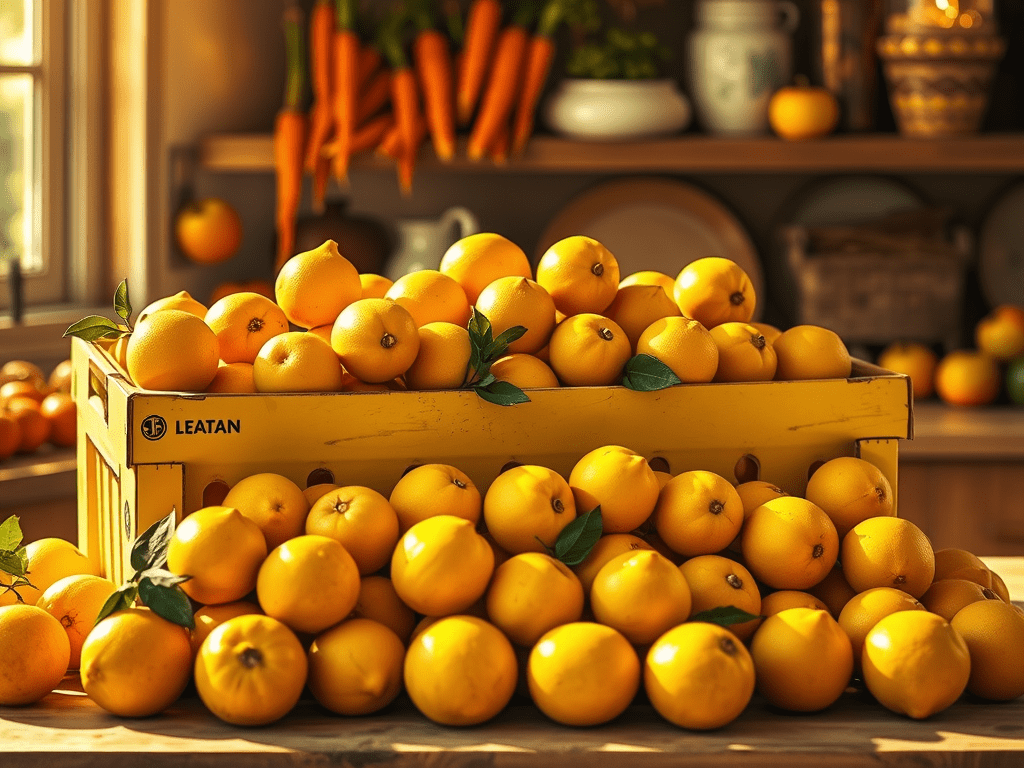
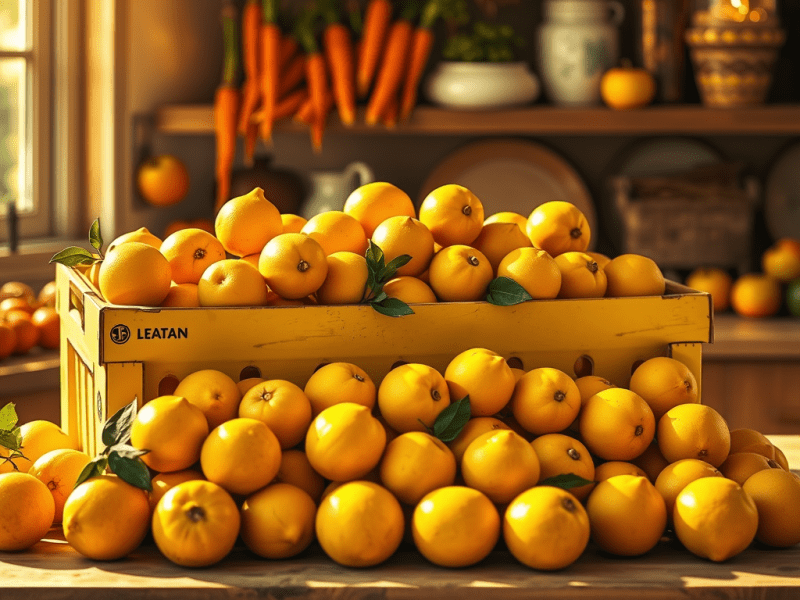
    The banana box sat on the counter—fifty lemons, bright as sunrise. Perfectly good fruit headed for the trash. It’s hard to take in the scale of it, but nearly 40 percent of all food in the United States ends up discarded. Almost half of what’s grown, shipped, and stocked here never feeds anyone at all, but instead clogs up landfills.

    A Small Farm That Says “No” to Waste

    My sister sees boxes like this every week. They’re packed with produce grocery stores can’t sell—carrots too crooked for the shelf, apples with a harmless bruise, greens that wilted before they were bought. So instead of going to a landfill, the food comes to her small farm.

    There, everything serves a purpose. Chickens peck at the soft tomatoes. Pigs enjoy the bruised peaches. The things that can’t be eaten become rich compost for next season’s gardens. Watching her sort through those boxes makes you realize how easily abundance can be mistaken for excess. Nothing is truly wasted unless we give up on finding a use for it.

    Transforming Lemons into Possibility

    Those fifty lemons turned into their own little project for us. We juiced most of them and stored the concentrate in jars for lemonade and marinades. Some zest went into a bright lemon sauce for pasta. The rest became loaves of lemon poppy seed bread, wrapped up and shared with family. What might have been waste became food, memory, and connection.

    The Homestead Mindset

    That’s one of the quiet lessons of homesteading: learning to see potential where others see loss. A tired head of lettuce is chicken feed. Stale bread becomes breadcrumbs or croutons. Overripe bananas transform into breakfast. Once you find that rhythm of reuse, it stops feeling like work and starts feeling like gratitude.

    The best part?  You don’t need a farm to think this way. A small compost bin, a backyard garden, or simply paying attention to what’s in your fridge can shift how you handle food. Every time you find a way to reuse, share, or return something to the soil, you chip away at that staggering 40 percent—one meal at a time.

    The Bigger Picture

    Maybe your fifty lemons look a little different. Maybe they’re cucumbers softening in the crisper or a few jars tucked away and forgotten. Whatever form they take, they’re an invitation to look closer before you throw something away.

    Homesteading, at its heart, isn’t about perfection or isolation. It’s about paying attention—seeing worth in what we already have and finding new life in what might have been lost.

    So here’s my question to you: What could your fifty lemons become?


    Join the Conversation

    What’s one way you’ve learned to reduce waste or give new life to something others might discard? Share your ideas in the comments below—I’d love to hear them.

    If you enjoyed this story, don’t forget to like, share, and subscribe for more simple living and homesteading reflections.


    #HomesteadLiving #ReduceFoodWaste #SustainableLiving #SimpleLife #FromWasteToWorth #ZeroWasteKitchen #MindfulHomestead

  • Bridging Time: Meeting the Courage of My Ancestors

    Bridging Time: Meeting the Courage of My Ancestors

    If you could meet a historical figure, who would it be and why?

    If given the chance to meet any historical figure, I would choose not a famous leader or thinker.

    I’d choose to meet my own ancestors in both Germany and Austria between the 1850s and 1870s. These were ordinary people facing an extraordinary choice-to leave everything familiar behind and journey into the unknown by migrating to the United States.

    I imagine sitting with them around a simple wooden table lit by flickering candlelight. We’d share a modest meal of bread, butter, and cheese. The scent of wood smoke would fill the room as we would gaze out at the garden beyond. In that humble setting, I would listen intently to their stories, carried across time with quiet strength.

    Their decision was not made lightly, fueled by hope yet shadowed by uncertainty. I see cold, harsh winters; backbreaking labor; and political unrest shaping their daily lives. They were bound by tradition and faced limited opportunity. They risked everything—their homes, their communities, their ways of life. They crossed a vast ocean in search of freedom and a new beginning.

    What fears kept them awake at night? What sacrifices did they endure silently? Hearing their firsthand accounts would reveal the resilience and courage that anchored their journey.

    This connection would deepen my gratitude for the life I live today. Their sacrifices laid the foundation for my family’s present and inspire me to face my own challenges with courage. Knowing they braved the unknown encourages me to take risks of my own. I dare to put my words to the page. I push forward even in moments of fear and uncertainty. My ancestors did not seek to change history; they aimed to build a future. Their journey teaches me that true growth often requires stepping boldly into the unknown.

    Meeting my ancestors would mean more than satisfying curiosity—it would strengthen my roots and nourish my spirit. Their legacy reminds me who I am and empowers me to write my own story. Hope, resilience, and gratitude will flow through every word.

    If you could meet an ancestor or historical figure from your own family history, who would it be? What would you most want to ask or learn from them? Share your thoughts and stories in the comments below.  I’d love to hear about the journeys and courage that inspire you!

    And if this story of courage, sacrifice, and connection resonated with you, please like and share it with others who appreciate the power of family history. Don’t forget to subscribe for more reflections that honor our roots and inspire us to face our own journeys with hope and resilience.

    Related Posts

  • The Choreography of Cattle and Grass

    The Choreography of Cattle and Grass

    The Cattle Knew Before I Did

    Out in the pasture, instinct moves faster than thought. The herd already knew what I hadn’t yet seen: today was a day of renewal.

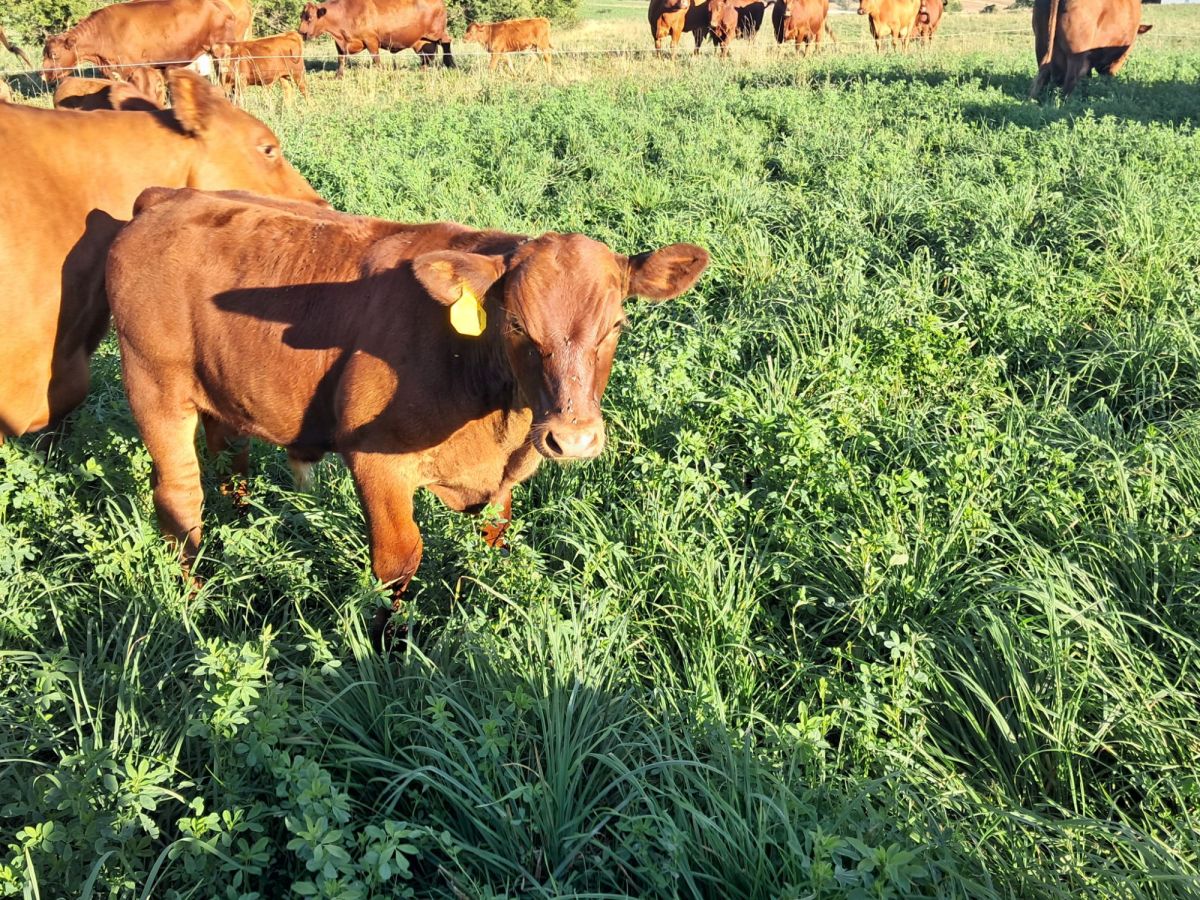
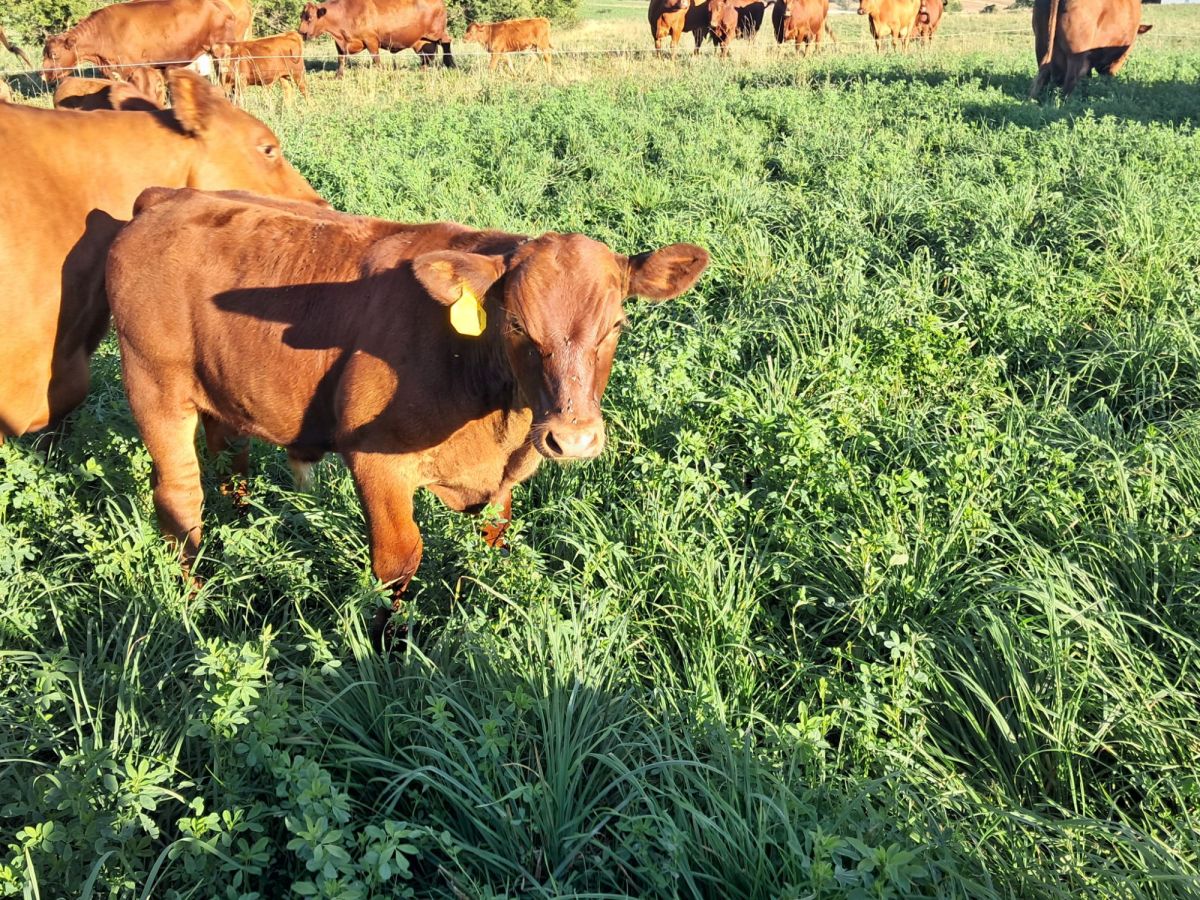
    The moment our UTV rolled across the pasture, forty Red Angus beef cattle lifted their heads in unison. Mothers stood shoulder to shoulder, calves pressed between them, and the lone bull kept watch a few steps behind. They had gathered tight against the slender electric wire that marked the edge of their world, eyes wide and ears twitching—already waiting. They sensed what I had yet to see: fresh pasture was coming.

    A Dance Between Herd, Land, and Hand

    My sister didn’t waste time with explanations. She tipped the empty water tank, wrestled it into the adjoining paddock, and clipped on the hose. With a metallic clink, she fastened the UTV to the mineral feeder and dragged it through the open gate like a sled over grass. Over the hum of the engine, her practiced voice carried, bright and firm: “Here, bahsy!”

    For a heartbeat, the herd froze. Then one bold cow stepped forward. In an instant, the rest followed like a living tide. All except one.

    The new mother lingered. A week ago she had calved, and her baby—small enough to slip beneath the wire—now stood stranded on the wrong side. The cow lowered her head and called, a deep-throated sound stitched with both command and worry. We had just started toward the calf when his spindly legs carried him scrambling back under on his own. The tension melted. She met him with a fierce gentleness, nosing his flank until he steadied beside her. My sister laughed, remembering a calf that roamed for three days before finally wandering home. “Guess they all want adventure,” she said,  amused, half exasperated.

    The dog launched next, circling fast and sharp to tuck mother and baby back into the surge. Together they flowed through the gate, spreading across the new paddock where muzzles dropped at once into the alfalfa. They tore off lush green mouthfuls while a few calves sprang into stiff-legged kicks, joy breaking loose through their bodies as they danced across their “salad bar.”


    Roots, Renewal, and the Rhythm of Stewardship

    What looked like routine was closer to choreography—people, animals, and land moving in time with one another. The cattle grazed, and with each mouthful they scattered fertility. The brief stress of grazing forced the plants to drive roots deeper, bringing resilience and storing carbon. Each careful rotation became a small act of renewal, stitched into a larger cycle of grass, growth, and gratitude.

    In winter, the family feeds them hay—baled and wrapped, fermenting sweet and sour until the animals nose into it gladly. Another verse in the same song. But that afternoon, under sun and grass, what struck me most was satisfaction made visible: forty animals, content and humming with life, heads bowed as if in prayer.

    The calf pressed against his mother then, reaching to nurse. And as I watched, it dawned on me—this wasn’t just work or habit. It was stewardship, connection, and gratitude rooted in motion.

    Your Turn

    What everyday work have you seen or done that revealed something deeper than ‘just a chore’?  Share your stories in the comments below!

    Read, Reflect, and Share

    If this story brought you into the pasture for a moment, tap Like. Follow for more stories of land and livestock in harmony. Share it with someone who understands the quiet art of caring for what grows. Your support helps this space grow and reach others with similar interests.

    #RegenerativeAg #GrassFedLife #FarmStewardship #PastureMoments #CattleAndLand #RanchLifeReflections #SoilToSoul #RotationGrazing #LivingChoreography #CircleOfCare

  • Biggest Garden Yet: Lessons, Laughs, and Pig-Approved Produce

    Biggest Garden Yet: Lessons, Laughs, and Pig-Approved Produce

    We grew onions the size of softballs, harvested mushrooms from straw, and accidentally bred watermelons that tasted like cucumbers. It wasn’t perfect—but it was unforgettable.


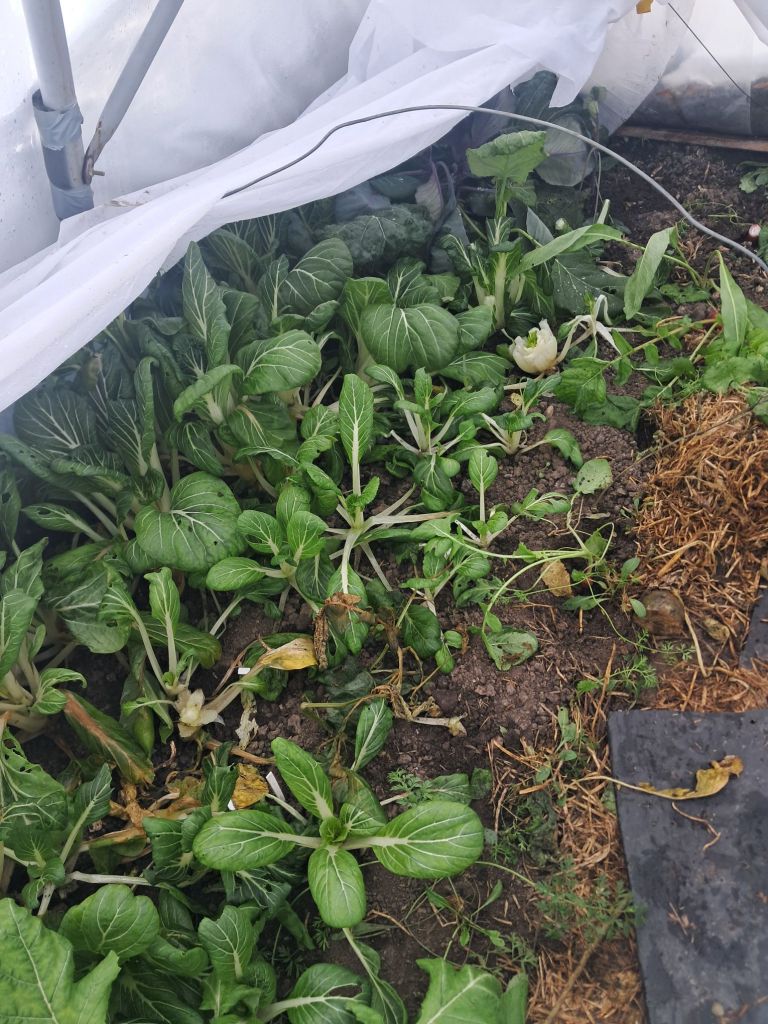
    There’s something grounding about tucking a garden in for winter. As we wrap up the 2025 season, I can’t help but look back on all the experiments. There were victories and “well, that didn’t work” moments from our biggest garden yet. From one-pound onions to hybrid mishaps, it’s been a year full of growth in more ways than one.

    Strong Starts and Small Wins

    This year, we tried something new—consistent weeding. Just fifteen minutes each evening turned the chaos of past summers into tidy, thriving rows. It wasn’t perfect, but it felt like real progress. Small, steady habits made a big difference.

    The Stars of the Season

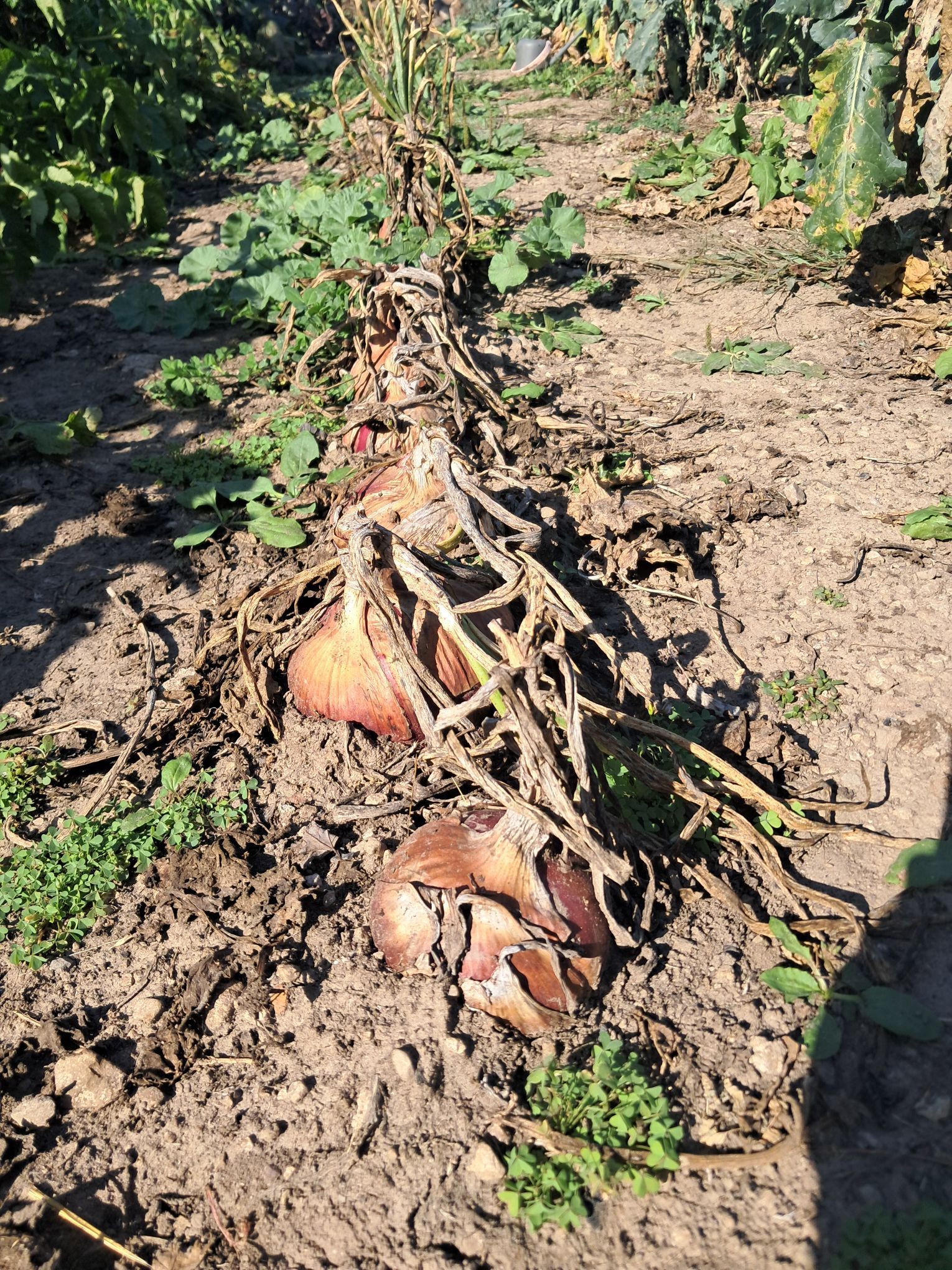
    Our onions stole the show. Started from seed, they matured into hefty red and yellow bulbs, some weighing over a pound. They’ll serve us well through the winter. It’s hard not to feel proud knowing how far they came from those tiny seeds.

    Onion sprouts

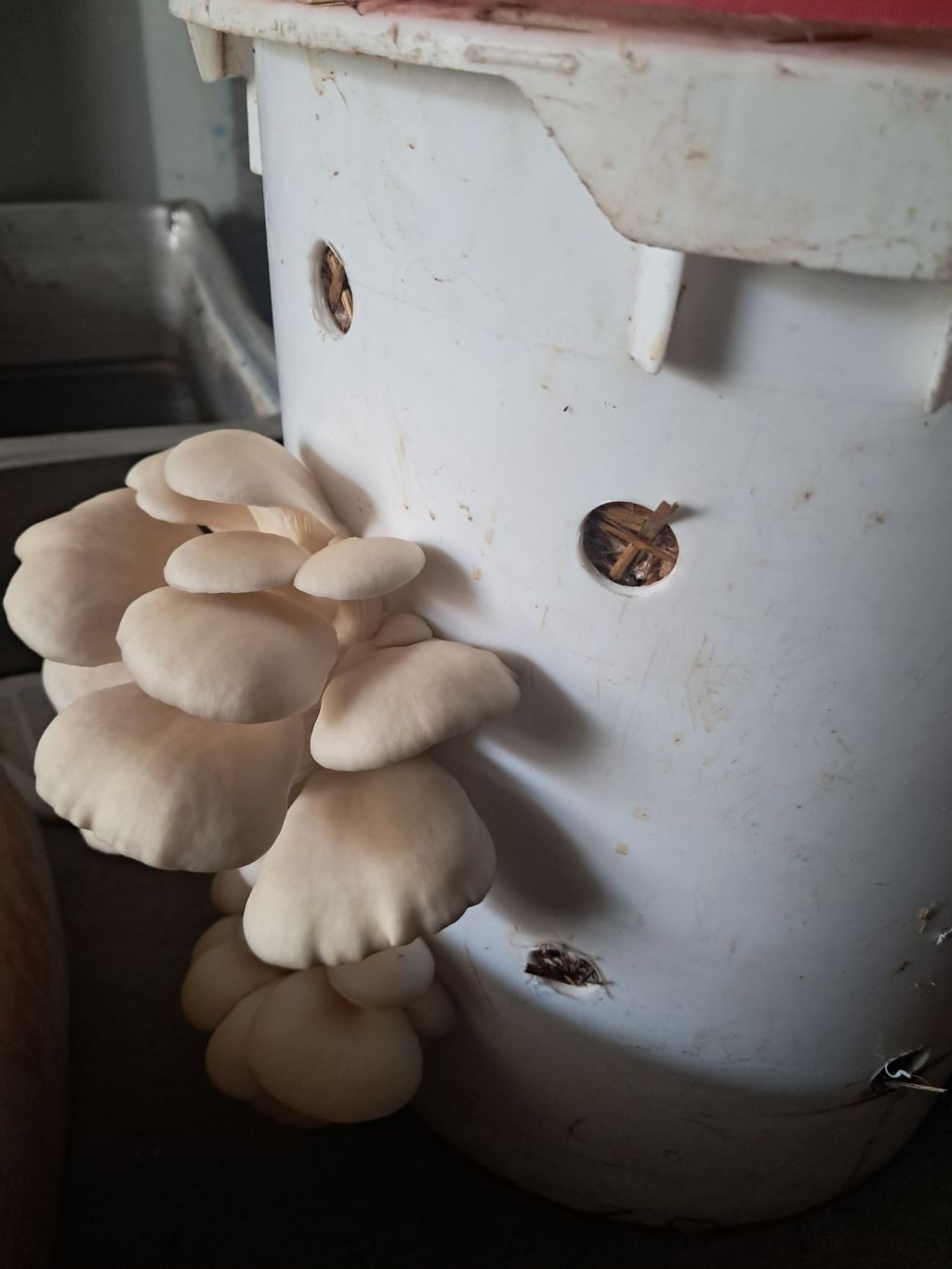
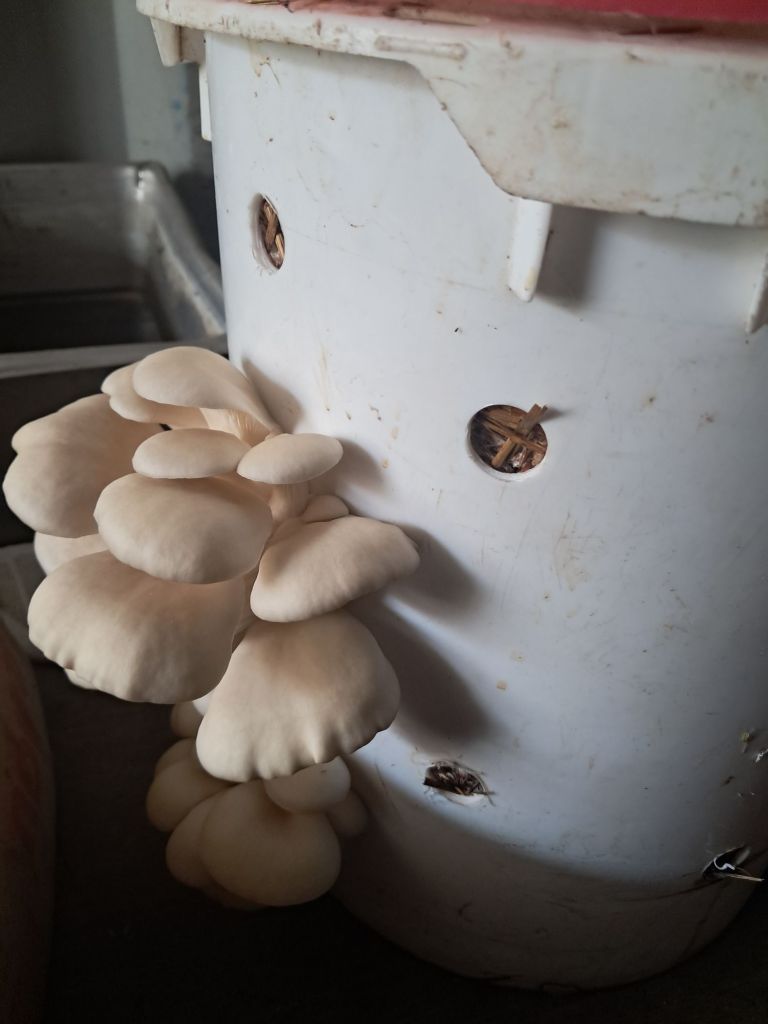
    We also are running a few fun experiments. Carrots will overwinter right in the garden under a thick layer of straw. The celery turned out beautifully—tall, green, and crisp—and I’m exploring ways to preserve it for soups and sauces. We even grew oyster mushrooms on straw, then added the spent substrate to enrich our Three Sisters garden beds.

    Natural Harmony: The Three Sisters Garden

    The corn, beans, and squash worked together like old friends. The corn stood tall. The beans climbed gracefully up the stalks. The squash spread wide, shading the soil and keeping weeds away. Watching that ancient partnership in motion felt like seeing teamwork at its best.

    Tomato Chaos and Watermelon Surprises

    Of course, no season is without its blunders. Our tomato patch turned into a jungle. Skipping the trellis was a rookie mistake, and by midsummer, the plants were an impenetrable mass of green. The cherry tomatoes only added to the chaos.

    Tomato jungle

    And then there were the watermelons—except they weren’t just watermelons. Somehow, they crossed with cucumbers, resulting in fruits that looked beautiful but tasted dismal. Definitely not something we’ll repeat, but it gave us a good laugh and another lesson in garden genetics.

    Beauty, Abundance, and a Helping Hoof

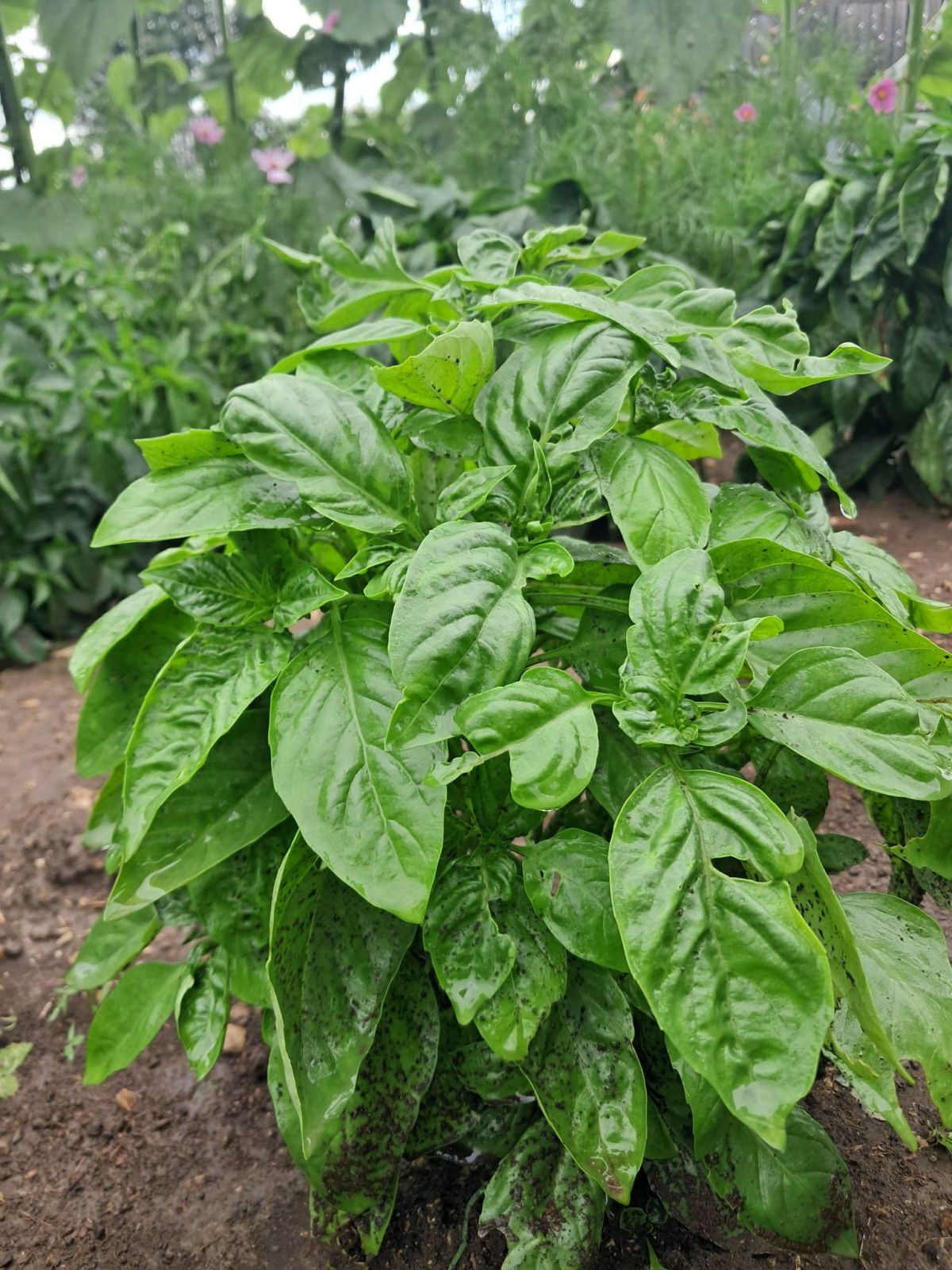
    The basil overflowed this year, so we got creative—pesto, basil salt, and enough dried leaves to last till next summer. It was fun sharing armfuls with friends and neighbors.

    Cosmos, marigolds, and sunflowers framed the whole garden, drawing pollinators and adding a cheerful backdrop to every harvest. And when our produce exceeded what we could use, our pigs were more than happy to indulge. Nothing went to waste; every harvest found its purpose.

    Lessons That Stick

    Every season teaches something new. This one reinforced patience, balance, humor, and gratitude. From those oversized onions to the watermelon-cucumber mystery, the garden reminded us that even the oddest outcomes have value.

    As we close the gate on this season, I’m thankful for muddy hands. I appreciate the full baskets and the quiet wisdom that comes from working close to the soil.

    Your Turn

    What garden surprises or “oops” moments stood out for you this year? Did something unexpected turn into a favorite memory? Share your stories in the comments below!

    Keep the Story Going
    If you enjoyed this peek into our growing season, give this post a like. Share it with your fellow gardeners. Subscribe for more garden updates, experiments, and lessons learned along the way.

    #gardening #garden #gardeninspiration #plants #nature #growyourown #homegrown #vegetablegardening #gardenlife #flowers #plantlover #springgardening

  • The Attic That Remembered the Harvest

    A quiet corner of the house becomes a window into the rhythm of old farm life


    The Secret History in the Rafters

    There are places in a home that carry silence differently. Our attic is one of them. The floorboards creak with memory, and dust glows like soft smoke in the afternoon sun. At first glance, it’s just old timber and rusted hardware—until you notice the nails. Thousands of them, hammered deep into the beams.

    Three thousand, give or take. They jut out like punctuation marks in a story written by hands who walked within these walls but I’ll never meet. Each nail represents a note of effort, a record of someone’s steady persistence. I remember asking my husband about them the first time I followed him upstairs. He smiled and said simply, “Corn drying nails.”

    Rediscovering an Old Tradition

    I had no idea what he meant. Then autumn arrived, and our blue dent corn ripened in our garden. We carried the harvest up the narrow attic stairs, a banana box full of bright, heavy ears. Instead of looping the husks and hanging them as I had envisioned, my husband pressed the cobs straight onto the nails.

    It was slow, almost ceremonial work. The corn slid onto the metal with a satisfying scrape. One by one, the wall filled with color—deep blue, sun-gold, and flickers of red silk. In that dim, quiet light, the attic became a mosaic of patience and practicality.

    For generations before hybridization transformed agriculture, this was how families saved their seed stock. The previous year’s corn dried high above ground, away from moisture and rodents, until it was ready to be shelled in spring and replanted. Every cob represented not just a meal, but a promise for next year’s planting—a steady thread of survival and renewal.

    The Weight of Time and Work

    Sometimes, when I’m up there alone, I imagine those who lived here before me. Maybe a farmer with calloused hands, wiping sweat from his temple as he climbed the attic stairs. Maybe a child trailing behind, helping to hold the basket. The air would have smelled like a granary, of earth, timber, and ripened grain—a hand-me-down scent that tied one harvest to the next.

    Now the nails stand empty, gleaming faintly in the warm shadows. They hold no corn, but they still anchor something larger: a memory of endurance, a rhythm of life that didn’t depend on abundance but on balance, care, and steady effort.

    Every time the wind hums through the eaves, I think of those nailed-up seasons—how work once lingered in simple materials, how love was measured in continuity, not convenience.

    What Stories Live in Your Home?

    Look around your own space. Maybe there’s a scuffed tabletop, a patch of paint that doesn’t quite match, or a worn stair tread that speaks of every footstep before yours. What places in your home hold quiet stories of labor and love?

    Keep the Story Going

    If this glimpse into an old farming tradition resonated with you, please show your support: Like, share, and subscribe for more reflections on rural living, heritage, and the small acts of abundance that fill ordinary days. Let’s keep these stories alive—because sometimes, the past is only a floorboard away.

    #FarmLife #HomesteadHeritage #RuralStories #TraditionAndCraft #CornHarvest #SustainableLiving #CountryWisdom #SlowLiving #StorytellingSunday #CountryRoots

  • How to Make Homemade Venison Jerky: Smoked vs Dehydrated

    Looking for a way to turn fresh venison into something truly delicious and shelf-stable? You’re in the right place! In this post, we’re walking through how we took a deer we recently processed and transformed it into mouthwatering homemade venison jerky—a high-protein, low-fat snack that’s perfect for hunters, hikers, and anyone who loves wholesome, from-scratch food.
    If you’ve ever wondered what goes into making jerky from scratch or whether smoking or dehydrating tastes better, read on—because we tested both methods side by side and have the results for you!

    Processing the Venison
    After harvesting the deer, my husband handled the messy part—removing the hide and quartering the meat. While I didn’t snap photos of this step, it’s essential for breaking the animal down into workable portions. Once the meat was ready, we began deboning—a labor-intensive process!

    But here’s the payoff: processing your own game ensures quality and freshness with the satisfaction of providing your own food. Plus, venison is leaner and lower in fat than beef, while being packed with protein, iron, and essential nutrients. It’s an excellent, heart-healthy meat to keep in rotation alongside veggies, fruits, and other proteins.

    Grinding and Seasoning the Meat
    Once the bones were removed, we ground the tougher cuts and trimmings using our trusty meat grinder. (Ours has been a solid investment—it’s strong, doesn’t clog easily, and is simple to clean. If you’d like a product recommendation, drop a comment below!)

    For seasoning, we used a Fleet Farm Original Flavor jerky seasoning mix, which offers a balanced blend of savory and slight sweetness—perfect for venison’s natural richness. We mixed the seasoning thoroughly, ensuring every bite would be flavorful, then refrigerated the seasoned meat overnight to let all those seasonings work their magic.

    Shaping and Drying the Jerky
    The next day, we got creative with our setup. Instead of a dedicated jerky gun, we improvised with our meat grinder using a sausage tube narrowed down with a vice grip. Sometimes, homesteading means working with what you have, and this hack worked beautifully!

    After shaping the jerky strips, we placed them on racks and divided our batch in two for a taste test: smoked vs dehydrated.

    • Smoker: Applewood chips, 160°F, for 6 hours
    • Dehydrator: 160°F, for 12 hours

    The Verdict: Smoked vs. Dehydrated Venison Jerky
    Both batches turned out delicious, but slightly on the dry side—a note for next time!

    The applewood smoked jerky, however, stole the show. The smoky aroma, subtle sweetness, and depth of flavor make it hard to beat. If you’re on the fence about getting out the smoker, trust me—it’s worth it.

    Smoked or dehydrated, homemade venison jerky tastes incredible, packs well for adventures, and gives you that satisfying “I made this!” pride every time you open a bag.

    Final Thoughts and Tips
    Making homemade venison jerky takes time, but it’s incredibly rewarding. You know exactly what’s going into your food, it’s healthier than store-bought, and it captures the true flavor of the hunt.


    If you’re new to jerky-making, I recommend experimenting with both smoking and dehydrating to see which method suits your taste best. Adjust drying time slightly to achieve your ideal texture.

    Join the Conversation!
    Have you made venison jerky before? What seasoning blend or wood smoke do you swear by? Comment below—I’d love to hear your tips! And if you enjoyed this post:
    👉 Like, share, and subscribe for more homesteading, cooking, and DIY food adventures. Your support helps us keep creating helpful content for folks like you!

    Follow us on social for daily kitchen and homestead inspo.

    #VenisonJerky #HomemadeJerky #WildGameCooking #HomesteadingLife #DIYFood #JerkyRecipes #SmokedJerky #DehydratorRecipes #FoodPreservation #FromFieldToTable