Category: Food

  • Homestead Longevity Habits: Growing Food, Raising Kids, Real Life

    What are your thoughts on the concept of living a very long life?

    Do you want to live to 100—or just live well until 98, still gathering eggs with grandkids?

    I don’t know if I’ll get there, but my great-grandfather did, according to my Dad. He was lucid and mobile nearly to the end. In my mid-30s, I’m stacking practical habits on our homestead to increase those odds: growing food, raising kids, building community.

    My Daily Longevity Playbook
    Stress reduction starts by cuddling with my kids—reading to them works better than any app.

    I aim for a half-hour outside daily, walking our land or talking to friends on the phone. Friendships faded for years after college, but now I’m rebuilding. I pursue projects with neighbors, a monthly book club I love (the reading! the conversations!), and a local women’s business group. These are the bonds that science says add years to your life.

    Food comes mostly from our backyard or my hands. Kneading bread with kids’ sticky fingers. Simmering soups from last week’s harvest. My toddler daughter prefers kitchen chaos—stirring, measuring—over outdoor chores (though she squeals for eggs). These moments teach more than nutrition.

    Movement stays simple. Fifteen minutes most mornings. Hauling feed sacks, chasing little legs—it builds bones that last.

    We’re saving more than 15% now—no desks at 90. Self-reliance cuts costs. Growing our own feeds the plan.

    Parenting builds the deepest roots. Our six-year-old folds laundry (grumbling). Toddler “helps” everywhere. These shared chores create memories stronger than birthday cards decades from now.

    Marriage anchors everything. My husband and I have cultivated collaboration—shared goals, complementary strengths. He lifts heavy, builds systems. I tend garden rhythms, kid routines. This divides loads, multiplies joy, limits resentment. Longevity for two definitely beats going it alone.

    Sleep: The Hardest Reset
    Pre-kids, unbroken sleep was default. Now? Night wakings, early risers, worry-spinning mind. Relearning happens slowly: early dinners, screen-free evenings, herbal tea. One solid night compounds.

    What 98 Years Taught Me
    My dad remembers Great-Grandpa’s callused hands still driving around at 95, pipe smoke clinging to his flannel. No protocols—just simple food, steady movement, people who mattered. That’s my blueprint.

    I see myself at 90 on our porch: grandkids gathering eggs, husband rocking nearby, son and daughter helping us, friends sharing harvest soup. That picture fuels every dirt-caked morning.

    The Homestead Longevity Formula
    Growing food, raising kids, building community—these practices stack together, increasing the odds of a long life according to science. Whole foods fight inflammation, movement builds resilience, relationships protect telomeres. I don’t know if I’ll reach 98, but I’m doing what I can to tilt the scales. Truth hits hardest when flour dusts my daughter’s nose or my husband and I split evening chores by instinct.


    Your turn: What’s your one non-negotiable longevity habit amid real life? Drop it below—I might steal it for our place.

    If this hit home, help it reach someone else:
    ❤️ Like if you’re building for the long haul
    📤 Share with a friend fighting sleep battles 
    📧 Subscribe for more Practical Homesteading

    **Growing food, raising kids, building community**—straight to your inbox.

    Related Posts


  • What Could I Do Differently?  Homesteading, Kids Chores, and Friend Connections

    What Could I Do Differently? Homesteading, Kids Chores, and Friend Connections

    What could you do differently?

    I catch myself asking this while scrubbing potatoes at the sink, weeding garden rows, or picking up blocks for the tenth time.

    On our homestead, the work never stops. But lately, I’ve seen a few clear ways to shift — not for perfection, but for more peace, presence, and real connection with the people who matter most.

    Slow My Yes. Guard My Rest.
    Here’s one big change: I’d say yes more slowly. And treat rest like a non-negotiable chore.

    Extra commitments sneak in easily — kid activities, one more property project, favors for friends. They’re good things. Until they blur our days into exhaustion.

    Rest isn’t optional. It’s fuel.

    What that looks like for us:
    – One protected family evening weekly. No plans. No screens.
    – A slower morning after big days, even if dishes wait.
    – Sometimes my best “yes” is actually no — leaving margin for what refills us.

    Pull the Kids Closer (Mess and All)
    When I’m tired, my instinct is “just do it myself.” That’s changing.

    We’ve asked our six-year-old to help clean and put clothes away. He sighs. Drags his feet through the laundry pile. Grumbles. But he does it. And when he does, my load lightens. We talk about his day while he folds socks and I straighten up the living room. We laugh when a shirt lands inside-out.

    Kids helping isn’t efficient. It’s essential.

    Those small chores build something bigger: his sense of belonging, our family rhythm, moments to actually connect instead of just managing the house around him.

    Make Space for Neighbors
    Right now, we’re looking for more neighbor friends — the kind who stop by with garden produce or help with a project. Lately, I’ve been carving out time for one friend, helping her keep up with a winter garden. We talk animals, plot cold frames, and hope for a game night soon under blankets with hot cocoa.

    That’s the kind of margin I want more of. Not just for projects, but people. The garden beds matter. But so do late talks about goats versus chickens, shared labor on a neighbor’s shed, or laughter over cards with new friends nearby.

    Real community doesn’t form on a schedule. It grows.

    What I could do differently: protect one flexible afternoon weekly for whoever shows up — the neighbor with a question about crop rotation, or someone new walking up the drive. Our homestead thrives when the people around it do, too.

    The Change That Stays
    These shifts aren’t a checklist to conquer. They’re small turns toward what matters:

    – Saying yes slower.
    – Resting on purpose.
    – Inviting kids into real chores like cleaning and clothes.
    – Making room for neighbors, not just garden rows.

    The weeds won’t stop growing. The laundry won’t vanish. But with these changes, our home could become what I picture most:

    A place where garden beds,
    kids folding tiny clothes,
    and neighbors’ boots on the porch
    all thrive side by side.


    What’s one thing you could do differently this week? Share your thoughts in the comments!

    If this post sparked a moment of thought or connection for you, please take a moment to like, share, or subscribe. Your support helps this little space of reflection and growth keep blossoming.

    Love real-life stories from the homestead? Practical Homesteading: growing food, raising kids, building community. Get honest reflections like this in your inbox.

    Related Posts

  • The Art of Ordinary Living: Finding Creativity in Writing, Cooking, and Parenting

    The Art of Ordinary Living: Finding Creativity in Writing, Cooking, and Parenting

    How are you creative?

    Creativity doesn’t always look like a canvas, a stage, or a masterpiece. Sometimes, it looks like a skillet full of potatoes, a bedtime routine that finally works, or a few quiet minutes spent putting messy life into words. For me, creativity lives in the everyday—in the effort, the resourcefulness, and the love poured into small things.

    Writing Creativity
    I’m creative through writing. I may not write fiction, but I write with color and heart. My words capture the hum of morning chores, the smell of bread rising on the counter, and the soft sounds of my family winding down after a long day.

    Writing helps me slow down and hold onto fleeting moments before they slip away. My hope is that when someone reads what I write, they see their own life reflected back at them. I hope they begin to look for beauty in the ordinary. Writing, to me, is storykeeping more than storytelling—a way to honor the simple rhythm of living.

    Cooking Creativity
    That same creative spirit follows me into the kitchen. Few things bring more joy than opening the refrigerator with little motivation and turning almost nothing into something truly satisfying.

    My trusty skillet, a few potatoes, and some onions have saved more dinners than I can count. The sound of onions sizzling in butter and the smell that fills the house remind me that creativity often blooms from constraint. It’s about seeing what you have and imagining what it could become.

    Parenting Creativity
    I’m also creative in my parenting. I didn’t want to raise my children exactly as I was raised, so I’ve learned to improvise and adapt through plenty of trial and error.

    Take my two-year-old daughter and the great toothbrushing standoff. For months, we tried everything—games, choices, even silly songs—but it always ended the same: us brushing her teeth while she screamed in protest.

    About a month ago, we took a new approach. We simply told her this was part of bedtime—non-negotiable, like pajamas and stories. To my surprise, she accepted it. Now she even reaches for the toothbrush herself.

    My son wouldn’t have responded to that method at her age, but that’s the creative dance of parenting—learning each child’s rhythm, one routine at a time.

    Reflection
    Over time, I’ve realized that creativity isn’t limited to what we make—it’s how we live. It’s the spark that turns routine into ritual, leftovers into a warm meal, and frustration into understanding. It’s what keeps a home vibrant, a family connected, and a heart grateful. Every time I face life’s little challenges and find a gentler way through, I’m reminded of how much beauty lives in simply trying.

    We are all, in one way or another, artists of ordinary life—crafting something meaningful out of the materials we’ve been given.


    Now it’s your turn. How do you bring creativity into your everyday routines?

    If this reflection resonated with you, share it with someone who finds beauty in everyday moments too. 💛 

    Like this post. Leave a comment about how you express creativity in your day-to-day life. Subscribe for more stories on homesteading, family, and mindful living. Let’s keep celebrating the art of ordinary life—together.

    #homesteadinglife #everydaycreativity #familyblogger #simpleliving #parentingtruths #mindfulliving #gratitudeinmotion #creativeparenting #findingjoyeveryday

    Related Posts

    The Road to What Matters

    Toward the edge of town, amongst beeping car horns and humming engines, a road trip fight started because of hot dogs, of all things. “Let’s just grab dinner ingredients here,” I said, glancing nervously at the fluorescent-lit refrigerator shelves of the gas station convenience store. “We will cook them at the campsite.” My husband frowned,…

    Keep reading
  • Holiday Traditions That Root Us: Family, Food, and Connection on the Homestead

    Holiday Traditions That Root Us: Family, Food, and Connection on the Homestead

    Every December, I feel the year take a deep, satisfied breath. The first frost settles on the garden beds and the house grows quiet under early sunsets.

    The holidays don’t arrive in a rush of gifts or glitter. They come as a gentle exhale. It’s an invitation to pause, look back, and give thanks for all we’ve built together as a family.


    The Joy of Holiday Cards

    One of my favorite ways to mark the season is through the tradition of holiday cards. Each one feels like a small window into someone’s life. There’s a handwritten note, a new baby’s smile, a captured moment of love.

    We hang the cards over our doorway. That way, each time we step outside, we pass under a colorful arch of friendship and memory. It’s a daily reminder that while we may live miles apart, the ties that bind us remain close and bright.


    The Tree That Tells Our Story

    Our Christmas tree may not be grand or freshly cut. It’s an old artificial one, gifted by a coworker more than a decade ago. The branches are slightly bent, and a few bulbs refuse to light. Yet when we pull it from the box each year, it feels like greeting an old friend.

    Each ornament holds a fragment of our story. There are handmade trinkets from the kids, crocheted snowflakes from my mother-in-law, and treasures from years past. The tree stands as a quiet symbol of continuity and gratitude. It reminds me that beauty often lives in what endures.


    Simple Joys and Shared Stories

    Every season brings a moment to slow down and savor the familiar. I always find myself rewatching It’s a Wonderful Life.

    George Bailey’s struggles and small joys remind me that even in life’s messiest seasons, there’s beauty in simply showing up. I carry that spirit into my workplace, too. Working remotely most of the year, my in-person time with coworkers feels extra special.

    There’s an ease in sharing stories beyond the screen. We share laughter over drinks, conversations that meander like old friendships, and the reminder that connection doesn’t depend on proximity.


    A Season for Sweetness

    At home, the kitchen becomes the heart of the season. The air fills with the scent of butter, cinnamon, and sugar—the unmistakable signal that it’s cookie time.

    My favorite tradition, though, is baking kranz kuchen. It’s a tender, yeasted bread folded with hickory nuts, brown sugar, cinnamon, and dates. The recipe has been passed down through generations. Every year we forage the hickory nuts ourselves.

    There’s something sacred about that ritual. We gather food from the land, turn it into something fragrant and celebratory, and share it with those I love.


    Gifts Made of Experience

    Instead of focusing on material gifts, our family gives each other an experience every year.

    A few winters ago, we wandered through the glowing quiet of Cave of the Mounds. Last year, our son’s eyes lit up at the Manitowoc Maritime Museum as he marveled at the USS Cobia.

    This year, we’re heading to Oshkosh to see the light show, visit the EAA Museum, and end the day with dinner and laughter at the Mineshaft. These experiences spark curiosity and wonder. They remind me that time and attention are the greatest gifts we can give our children.


    Gathered Around the Table

    Christmas Eve dinner with my parents is the anchor of the season.

    We gather around a table filled with food that tells our story. The main coarse is pork roast from pigs we raised and sauerkraut made from cabbage grown in my parents’ garden. It’s more than a meal. It’s a celebration of patience, hard work, and the quiet rhythm of the land that sustains us. Every bite tastes like gratitude made tangible.

    The next day, we join my in-laws for a night of laughter, games, and gift exchanges that always end in joyful mayhem.

    Once February arrives, the festivities begin again when my extended family gathers for our belated celebration. Some of my sisters can’t travel in December, but that second gathering has become its own cherished tradition. It’s a spark of warmth that keeps the season alive well into the new year.


    The Heart of Tradition

    Each of these rituals—whether we’re baking, sharing stories through holiday cards, or sitting around the table—reminds me that traditions aren’t about repetition.

    They’re about remembering who we are. The holidays teach me to slow down, to honor what we’ve grown, and to see abundance in what’s already here.

    When the lights fade and the tree comes down, I tuck the cards into a small box. Their words and faces carry the season’s glow into the months ahead.

    And I’m left with the same quiet truth: home isn’t a place or a moment. It’s a feeling—built from love, gratitude, and the steady rhythm of returning to what matters most.


    Join the Conversation

    If these reflections resonate with you, I’d love to share more glimpses of slow, seasonal living from our little homestead.

    Like this post. Share it with someone who cherishes their own family traditions. Subscribe for more reflections on homesteading, family life, and intentional living.

    Let’s keep growing together, one season and one story at a time.


    Related Posts

    The Quiet Wealth of These Fields

    Welcome to the rural economy—where value isn’t counted in cash but in connections. Beneath the wide-open sky, where grain silos and fence posts stitch the land into neat parcels, the real currency is not minted or printed. It’s grown and built, raised and traded. Trust, hard work, the barter of honest services and handmade goods.…

    Keep reading

    Bread Crumbs of Connection

    They say food is a universal language, but sometimes, it also has a quiet legacy. Eleven years ago, I was on a road trip with my mom, aunt, and sister when we stopped at a small restaurant and ordered Swedish meatballs. I still remember how delicious they were: comforting, perfectly spiced, and unforgettable. That afternoon,…

    Keep reading

    #HolidayTraditions #FamilyTime #HomesteadLife #SimpleLiving #SustainableHolidays #HomemadeHolidays #IntentionalLiving #FamilyTraditions #SlowLiving #ChristmasTheHomestead

  • Why Is Beef So Expensive? The Real Story Behind Your Steak — and How You Can Help Support Local Farmers

    Why Is Beef So Expensive? The Real Story Behind Your Steak — and How You Can Help Support Local Farmers

    Beef prices are higher than ever, and it’s hard not to flinch when you see the total at the checkout. But there’s a bigger story behind that price tag. It’s a story of weather, supply, and the everyday people who make your meals possible.

    The Shrinking Herd
    Across the country, the U.S. cattle herd is the smallest it’s been since 1951. Years of drought have dried up pastures. Rising feed and fuel costs have forced many families to sell breeding cows just to hold on.

    With fewer calves entering the pipeline and beef taking about two years to raise from birth to butcher, this shortage doesn’t rebound quickly. Meanwhile, Americans still love their beef—consuming around 57 pounds per person each year, according to USDA estimates.

    When demand stays strong and supply runs short, prices naturally climb.

    Family Farms Under Pressure
    But economics only tell half the story. On my sister’s small farm, she and her husband raise beef—a side project that grew out of their love for good food and good land. Like many small producers, they both work jobs outside the home to keep their operation going.

    What started as a passion for raising healthy animals and feeding their neighbors has become a delicate balance between purpose and practicality. For them, and countless others, farming isn’t just about income—it’s about identity, family, and stewardship of the land.

    Their experience isn’t unique. The average farmer in the U.S. is now around 58 years old, and for younger generations, getting started can feel impossible. Land, equipment, and livestock cost hundreds of thousands of dollars before the first calf is ever born.

    On top of that, just a handful of large companies control most of the nation’s beef processing. That means family farms earn less, even as consumers pay more at the store. It’s a painful disconnect that continues to squeeze rural families across the country.

    Watching my sister pour her time and heart into those cattle reminds me of something deeper. Homesteading—like life—rarely offers shortcuts. The work is long, often quiet, but filled with meaning that doesn’t show up on a price tag.

    The Cost of Keeping Food Safe
    Processing adds another layer of expense. Federal law requires a USDA inspector to be on-site during every moment of slaughter and processing. Their presence ensures animal health, cleanliness, and safety—vital safeguards that protect us all—but compliance adds time, labor, and cost.

    Some experts believe these inspections could be modernized and streamlined to preserve safety while easing financial pressure on small processors. For now, those costs carry through the system, one steak at a time.

    Beyond the Farm Gate
    Every link in the supply chain—from pastures and processors to packaging and transport—feels the strain of rising fuel prices, labor shortages, and inflation. And behind that rising price tag are families working early mornings and late nights to keep barns running, pastures green, and herds healthy.

    For many, it’s more than work—it’s a calling built on resilience and pride.

    And for those of us on the other end, part of honoring that work is learning to value the whole animal. Beef isn’t just ribeyes and tenderloins. It’s also the flavorful roasts, shanks, and stewing cuts that take time, effort, and patience to cook.

    When we learn to use every cut—every bit of what an animal gives—we stretch our dollar, reduce waste, and show respect for the life and effort behind our food. In a way, that practice is at the very heart of homesteading: using wisely, wasting little, and cooking with gratitude.

    What You Can Do
    Understanding the system is a great first step. Visit your local butcher or farmers’ market. Ask where your beef comes from. Learn from small farmers who raise animals with care and integrity—and don’t be afraid to try new cuts or cooking methods.

    If you have the freezer space, consider buying a quarter beef directly from a local farmer. It’s roughly 200 pounds of meat—everything from premium steaks and roasts to ground beef and lesser cuts. Buying this way often saves money per pound, puts more of your dollars directly into the farmer’s pocket, and helps keep local processors and butchers in business.

    This is what a quarter beef looks like, directly from the butcher.

    Supporting local producers and cooking with intention helps preserve the values that built rural communities: thrift, respect, and connection to the land. When you approach food with awareness, every meal becomes an act of gratitude.

    If you try a new cut or buy in bulk from a local farm, share your experience in the comments. I’d love to hear how you’re honoring the hands and hearts behind your food.

    A Final Thought
    The next time you pick up a steak—or a simple pack of stew meat—remember the weather, markets, and families who make it possible. Every mindful purchase helps sustain not just a food system, but a tradition of stewardship that keeps families—and their farms—going strong.


    If this story resonated with you, give it a like. Share it with a friend or pass it along to someone who loves good food and community.

     
    Your support helps this blog keep shining a light on local farmers, homesteading life, and the values that keep our tables full of meaning. 


    Subscribe for more stories—and practical tips—on living simply, eating well, and staying connected to the land.

    Related Posts

    Harvesting Traditions

    The hum of diesel engines and the scent of dusty corn fill the air every fall, signaling harvest season and long days ahead. For the local farmers, this time of year brings both relief and pressure—hundreds of acres to harvest before rain or early snow set in. My dad is always there to help, his…

    Keep reading

    Beyond the Plate: Cooking with Heart, Seasonality, and Family in Mind

    What are your family’s top 3 favorite meals? Disclosure: This post contains affiliate links. As an Amazon Associate, I earn from qualifying purchases. Thanks for supporting Practical Homesteading! Imagine standing in your kitchen after a long day, staring into the fridge and pantry. Hungry family members are standing by waiting not-so-patiently. You juggle not only…

    Keep reading

  • My Top 5 Essential Grocery Staples for Homesteading and Scratch Cooking

    My Top 5 Essential Grocery Staples for Homesteading and Scratch Cooking

    List your top 5 grocery store items.

    Disclosure: This post contains affiliate links. As an Amazon Associate, I earn from qualifying purchases. Thanks for supporting Practical Homesteading!


    If you walked down a typical grocery store aisle with me, you might think I’m lost. While most American shoppers reach for convenience, I’m the one squinting at sacks of flour, jars of yeast, and tubs of coconut oil — the same staples my great-grandmother probably chose 75 years ago. I don’t shop for ready-made meals; I shop for possibility.

    At home, those bulk ingredients become whatever we need — bread, tortillas, sauces, or even snacks. If I don’t know how to make something, I learn. A simple search and a quiet evening in the kitchen have taught me more than any cookbook could. This hands-on, old-fashioned approach has saved us thousands over the years, but more importantly, it’s built confidence, patience, and gratitude for every meal we share.

    Now, that doesn’t mean I don’t enjoy Chinese takeout once in a while! I’ve learned to make my own dumpling and stir-fry recipes — they’re delicious when they turn out, and hilarious when they don’t. (One of my most epic flops was a lemon pepper chicken so salty it could’ve been used as a salt lick.) Mistakes keep me humble, and in a way, they’re the best ingredient for growth.

    Homemade potato chips
    Bloody Mary with mostly homegrown ingredients

    So with gratitude — and a dash of humility — here are my five most essential grocery items and how they shape my kitchen life on the homestead.


    5. Coconut Oil

    Coconut oil (affiliate link) is my go-to multipurpose fat. It melts like butter and works wonders in place of lard or shortening. I use it to pop popcorn, bake desserts, and even blend it into homemade flour tortillas.

    Its aroma — faintly sweet and buttery — adds a subtle depth you can’t quite place but always appreciate.

    Tip: For tender baked goods, replace half the butter or shortening in your recipe with coconut oil, then reduce liquid slightly. It gives just enough chew without the greasy feel.


    4. Active Dry Yeast

    Yeast (affiliate link) is the quiet hero of my kitchen — small, simple, and full of potential. Watching dough rise never loses its magic, especially when the kitchen smells of warm, sweet yeast and anticipation.

    It symbolizes self-reliance: turning flour, water, and salt into something living, breathing, and nourishing.

    Tip: Always proof yeast with a pinch of sugar in warm water (around 110°F). If it bubbles within 10 minutes, your dough is ready to rise.


    3. Chicken and Beef Bouillon Powder

    I lean on chicken (affiliate link) and beef (affiliate link) bouillon powders for soups, gravies, and especially rice. Cooking rice in chicken or beef stock instead of water transforms it from plain to crave-worthy.

    I also mix beef bouillon into my homemade onion soup powder — it adds warmth and richness that store mixes can’t match.

    Tip: Swap half the water for stock when cooking noodles, grains, or vegetables. It’s the fastest way to round out flavor without extra sauces or salt.


    2. Plain White Sugar

    Plain old white sugar earns a spot near the top because it does so much more than sweeten desserts. It wakes up yeast, balances tomato acidity, and — lately — fuels our lemonade habit.

    My sister keeps me well-supplied with lemons, so I make fresh lemonade weekly. When the kids come in sun-dusted and thirsty, that chilled pitcher waiting in the fridge makes them light up.

    Tip: Add a teaspoon of sugar to tomato sauces or soups to tame acidity without losing depth of flavor.


    1. Flour

    If coconut oil is the heart of my pantry, flour is its backbone. I buy high-gluten flour for breadmaking (affiliate link), but I’m excited to experiment more with ancient grains soon.

    The feel of dough under my hands, the smell of a fresh loaf cooling on the counter, and the crackle as it’s sliced — it’s the rhythm that grounds my kitchen.

    Flour builds loaves, tortillas, focaccia, and even desserts. It’s humble, forgiving, and powerful — no one in my house has ever once complained about home-baked anything.


    We rarely buy vegetables from the store, relying instead on what we’ve grown and preserved — jars of tomatoes, beans, and pickles lining the pantry. They remind me that what we grow in summer sustains us long after the frost sets in.

    Our winter meals center around potatoes, onions, and frozen vegetables like broccoli and bell peppers. We’ve experimented with extending our garden season using a small greenhouse and straw. There’s something deeply satisfying about pulling greens or a carrot from a garden while snow still glitters outside.

    As for meat, we’re still building toward full independence. We raise our own pork, purchase beef from my sister’s grass-fed herd, and still buy chicken from the store — for now. One day soon, meat birds will join the homestead lineup, and the circle will feel more complete.

    Each grocery item on this list earns its place not for novelty but for versatility. They remind me that eating well doesn’t require endless ingredients — just a few solid building blocks and the creativity to make them shine.

    This slower, more deliberate approach to cooking has taught me creativity, patience, and gratitude — lessons that spill over into every other area of life.

    Homesteading has shown me that ingredients matter less than the care and love you pour into them. Every loaf, jar, and meal built from raw goods feels like an act of heritage — and hope — in a world that moves too fast.

    Homestead maple syrup

    What five grocery staples would make your list? Please share them in the comments. And if this post inspired you, please likeshare, or subscribe to follow more homesteading stories, seasonal recipes, and simple living tips.

    Related Posts

    The Choreography of Cattle and Grass

    Experience a vivid farm story about rotational grazing, resilience, and regenerative land stewardship through the eyes of a family and their Red Angus herd. Discover how cattle, people, and pasture move together in balance

    Keep reading
  • From Field to Skillet: How I Learned to Make Venison Tender and Delicious

    From Field to Skillet: How I Learned to Make Venison Tender and Delicious

    Disclosure: This post contains affiliate links. As an Amazon Associate, I earn from qualifying purchases. Thanks for supporting Practical Homesteading!


    Venison gets an unfair reputation — people call it tough, gamey, or finicky. But after more than six years of learning, tinkering, and a few overcooked inedible mistakes, I’ve found the secret to turning this beautiful wild game into something melt-in-your-mouth tender. It’s not magic — just good technique, a mindful marinade, and a skillet hot enough to make Hank Shaw proud.

    1. Start with quality
    Good venison starts long before it hits the pan. Pick a clean, lean cut — the kind that shows care in field dressing and storage. If you’ve stocked your freezer after a hunt (or a gift from a friend), make sure it’s well-wrapped and free from freezer burn. The better your meat, the better your final dish.

    2. Slice it right
    Here’s the part most people overlook: how you cut the meat changes everything. Slice thin (less than 1/8 inch [3 mm]), against the grain, and while it’s still half-frozen. That half-frozen state gives you control. If it’s too frozen, you’ll be sawing through it. If it’s too thawed, you’ll end up mashing it. I use this knife (affiliate link) this honing steel (affiliate link) to sharpen the blade. I probably learned this trick while watching America’s Test Kitchen one winter, and it’s been my quiet edge ever since.

    3. Marinade that magic
    This is where you build the flavor. Mix fish sauce, soy sauce, sesame oil, and a splash of dry wine. Then let it rest overnight in the refrigerator. The marinade seeps into the thin slices, giving your stir fry that rich, layered flavor that tastes like it came from a seasoned wok.

    Here’s my marinade recipe. Feel free to use or modify it as needed! This marinade works well with any protein, and even tofu if you prefer vegetarian dishes!

    • 3/8 cup (90 mL) oyster sauce
    • 1/4 cup (60 mL) soy sauce
    • 1.5 T (22.5 mL) sesame oil
    • 1.5 T (22.5 mL) Shaoxing wine (I substitute in a dry white wine when I don’t have this on hand)

    4. Hot skillet, quick cook
    Here’s a move straight out of Hank Shaw’s (the Hunter Angler Gardener Cook) playbook. Get your skillet (affiliate link) rip-roaring hot. Cover the bottom with about one-eighth inch (or 3 mm) of high-heat oil, and work in small batches. Lay the meat out in a single layer — no overcrowding.

    Each side needs just a quick sear. When it’s this thin, the edges brown beautifully, and the center stays tender. This is where patience pays off — resist the urge to stir too early. This technique is called velveting, and will elevate your stir fry from merely good, to great.

    5. Bring it all together
    Once the venison’s seared, set it aside and toss your vegetables in that same pan. The oil and browned bits from the meat give your veggies an instant flavor boost. Toss in a high water vegetable such as frozen bell pepper to deglaze the pan. Combine everything, toss until the sauce clings, and serve it steaming over a bed of rice (affiliate link). I prepare it using a pressure cooker (affiliate link) to get the perfect texture every time.

    6. The reward
    This dish represents six years of cooking smarter — not just harder. It’s the payoff from learning where texture meets timing and how to balance heat and patience. Add in homegrown vegetables from the garden, and you’ve got a true farm-to-table moment.

    Venison doesn’t have to be tough. With the right prep, it’s tender, juicy, and just a little bit wild — in the best way.

    And if you want to read the full story of this stir fry, read this post.

    If this recipe helped you fall a little more in love with cooking wild game, I’d love to know! Hit that like button. Share this with a fellow homesteader or hunter. Subscribe to the blog for more down-to-earth stories and recipes from our kitchen to yours.

    Related Posts

    More Than a Meal: Raising Our Own Thanksgiving Turkeys

    Discover the joys and challenges of raising backyard turkeys in this heartfelt story about patience, humor, and the journey from fluffy poults to Thanksgiving centerpiece. Learn personal lessons and practical insights from a family’s wild turkey-raising adventure.

    Keep reading

    How to Make Homemade Venison Jerky: Smoked vs Dehydrated

    If you love making your own food from scratch, this homemade venison jerky recipe is a must-try. Whether you’re a hunter processing your latest deer or simply someone looking for a leaner, high-protein alternative to beef jerky, this step-by-step guide walks you through every stage: from processing and seasoning to smoking and dehydrating. We even…

    Keep reading

    Fifty Lemons and a Lesson in Waste

    A reflective homesteading essay about turning fifty rescued lemons into food and connection. Learn how small choices and mindful reuse can reduce the 40% of food wasted in America every year.

    Keep reading


    #VenisonStirFry #WildGameCooking #FarmToTable #HomegrownEats #HankShawInspired #CookingTips #AmericasTestKitchen #LocalCooking #KitchenJourney

  • How a Simple Venison Stir Fry Taught Our Family the Heart of Homesteading

    How a Simple Venison Stir Fry Taught Our Family the Heart of Homesteading

    Disclosure: This post contains affiliate links. As an Amazon Associate, I earn from qualifying purchases. Thanks for supporting Practical Homesteading!


    There’s something special about meals that tell a story. The kind of food that’s more than a recipe — but part of life. For us, that story came together in one simple dish: a homemade venison stir fry. It started months ago in the garden, wound through a winter greenhouse, and ended at a table surrounded by six hungry, happy faces. This wasn’t only food, but it a reminder of why we homestead in the first place.


    A Stir Fry That Tells a Story

    We had venison stir fry for dinner recently, a meal that smells like effort and tastes like reward. Stir fry always means chopping, sizzling, and a little chaos in the kitchen, but every bite feels like celebration. The dish is never quite the same for us. It shifts with the seasons and whatever our garden and freezer produce. That’s part of its beauty — it’s a living reflection of our homestead.


    From Seed to Skillet

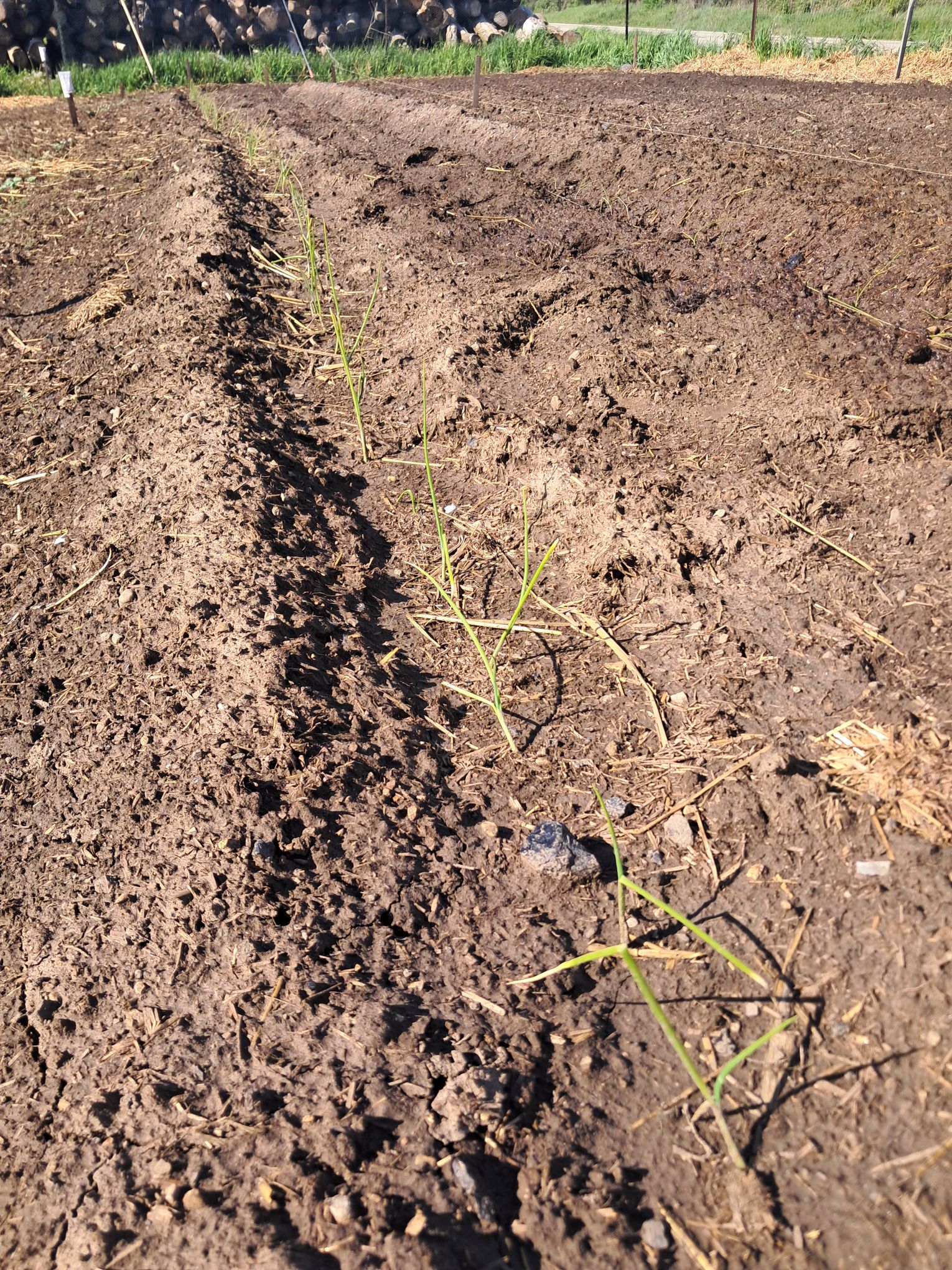
    The story of this particular stir fry starts late last winter when we started onion and pepper seeds inside. We watched them grow, and my son delighted in trimming the onion shoots to give more life to the roots. Come spring, we pressed carrot seeds into the earth and transplanted our onions and bell peppers. By summer, our days smelled sweet and green. My kids loved pulling up carrots, brushing off dirt, and biting in right there in the garden. Their juice was sweeter than candy. The onions swelled to the size of softballs. When their stalks dried, we cured them in the basement. Then we set them inside old fruit crates beside jars of last year’s preserves. Peppers overflowed in waves of green, so I bagged and froze them for colder days.

    Onions as they first sprouted from the ground.
    Mature onion, ready for harvest
    Peppers galore!

    Homesteading tip: Frozen bell peppers don’t need blanching. To preserve, just slice, seed, and freeze them raw for perfect stir fry texture later.  Onions can be cured and placed in a cool dark place to keep over winter.

    By November, we tucked our last carrots under straw, the soil still holding its warmth like a secret.


    Winter’s Sweetest Harvest

    In December, I scraped away snow and straw with my bare hands to dig some carrots. (A mistake I won’t repeat — frostbite nearly earned an invitation to dinner.) My son peeled them eagerly, and when we tasted the first one raw, its sweetness floored us. Cold turns carrots into sugar. They’re winter candy disguised as vegetables.

    Homesteading note: A thick straw mulch keeps carrots from freezing and lets you harvest them into early winter.

    Winter carrots

    Greenhouse Gold

    The bok choy came from a new experiment. I helped my experienced friend start a winter garden. I still remember stepping into her small greenhouse surrounded by snow. The chill outside vanished into crisp air that smelled of soil and life. Beneath soft covers, green leaves glowed faintly in the filtered light. Harvesting bok choy in December felt like a small miracle.

    Winter gardening tip: A simple plastic-covered hoop house and landscape fabric over each row can extend your growing season by months. The flavor difference in fresh winter greens is unbelievable.

    Bok choy harvested in December

    Family in the Kitchen

    Cooking became a family affair. My daughter stood at my side, eyes watering over the cutting board, proudly dropping onion slices into the container as I sliced them with this knife (affiliate link). My six-year-old son learned how to make rice that night — a big responsibility. We’d bought the rice from our local scratch-and-dent store for much less than retail. It wasn’t something we grew ourselves, but it was another way to live intentionally, supporting local businesses and stretching our budget.

    He measured the rice, water, and bouillon with quiet focus, stirring carefully to break up every clump in the pressure cooker (affiliate link). Watching his concentration, I realized that learning to cook simple staples might be one of the best skills a homesteader’s child can develop.

    Parenting philosophy: Give your children small but meaningful jobs in the kitchen as you cook.  It takes the burden from you to endlessly entertain them, and they learn real life skills.


    Wild Meat, Real Gratitude

    The venison came from the road. This deer was recently hit by a car, and my husband found it on his way to town one chilly fall day. He hauled it home, and that night he and his dad processed every usable piece. We made jerky from some and froze the rest for meals like this. There’s a quiet satisfaction in knowing exactly where your food came from, in salvaging instead of wasting.

    Homesteading philosophy: Nothing should go to waste. This includes an animal, harvest, and opportunity to teach your children how to create value from what’s available.


    From Skillet to Supper Table

    When it was time to cook, I sliced the venison thin while half-frozen and marinated it overnight. The next day, the meat hit the hot skillet (affiliate link)— hissing, sizzling — browning into tender, caramelized pieces. My kids stole bites faster than I could cook them.

    Cooking tip: Slice meat against the grain while it’s half-frozen for cleaner cuts and more tender results. This small trick makes all the difference with lean game meat like venison.

    The vegetables followed: frozen peppers releasing water that deglazed the pan. The onions soaked up the sauce until they were golden brown. The carrots softened just a bit. The bok choy folded gently into the mix. The whole kitchen filled with the earthy perfume of garlic, soy, and family.


    Six Around the Table

    By dinner, the six of us — our little family and my husband’s parents — gathered around a steaming pot of rice and a glossy pot of stir fry. It wasn’t just delicious; it was ours — every part grown, harvested, found, or crafted by hand. That’s the heart of homesteading for me. It’s not simply saving money or knowing what’s in your food. It’s seeing how the garden dirt beneath your nails, a salvaged deer, and a child’s curiosity can all end up in the same bowl. It’s nourishment that carries the story of your family’s seasons.


    Homestead Notes

    • Preserve what you grow: Freeze peppers raw and store onions in breathable boxes.
    • Extend your harvest: Straw-mulched carrots and cold-frame greens can provide fresh food even in winter.
    • Use what you have: Venison, garden vegetables, and discounted pantry staples can turn a simple meal into a story.
    • Teach through involvement: Kids remember the meals they helped make far more than the food they simply ate.

    If our venison stir fry story stirred something in you — a memory, a craving, or just a bit of inspiration to slow down and cook what you grow — we’d love for you to join our little homestead circle.


    Click like if you enjoyed this story. Share it with someone who’d appreciate the journey from seed to supper. Subscribe to follow along as we grow, cook, and live season by season.

    Related Posts

    How to Make Homemade Venison Jerky: Smoked vs Dehydrated

    If you love making your own food from scratch, this homemade venison jerky recipe is a must-try. Whether you’re a hunter processing your latest deer or simply someone looking for a leaner, high-protein alternative to beef jerky, this step-by-step guide walks you through every stage: from processing and seasoning to smoking and dehydrating. We even…

    Keep reading

    Planting Hope in September Soil

    The soil was cooler than I expected when I slipped a broccoli seedling into the ground. September isn’t when I usually think about planting—it’s when I imagine gardens winding down, not continuing. For me, gardening has always belonged to summer: long days of pulling weeds at dusk, arms full of cucumbers, nights spent rushing to…

    Keep reading

    #Homesteading #FarmToTable #FromGardenToTable #SustainableLiving #HomeCooking #SeasonalEating #VenisonRecipes #GrowYourOwnFood #WinterHarvest #KidsInTheKitchen #FoodWithAStory #IntentionalLiving #SlowFood

  • The Best Holiday Gifts You Can’t Order Online

    The Best Holiday Gifts You Can’t Order Online

    How Local and Handmade Traditions Make the Season Truly Meaningful

    What if the best holiday gift wasn’t something you ordered in seconds, but something made by a neighbor, a local shop, or your own two hands?

    Gifts That Actually Stick

    Think about it: what was the last gift you really remembered a year later? Chances are, it wasn’t the priciest thing on your list. More often, it’s the homemade jam from a friend’s kitchen. It could be the mug thrown by a local potter. Perhaps it’s the scarf someone knitted while thinking about you. Those kinds of gifts carry a story and quietly say, “You’re worth my time.”

    The Smoked Cream Cheese Surprise

    One of my favorite examples came from a retired farmer who gifted us smoked cream cheese. It was infused with cherry and oak from his backyard smoker. Shared around the table on simple crackers, it tasted like patience and pride. It sparked a whole conversation about how he learned to smoke cheese—something no anonymous online order could ever deliver.

    Family Recipes That Last Generations

    That same spirit shows up in family traditions. In my family, my mom’s kranz kuchen—a crescent-shaped bread layered with dates, brown sugar, and hand-foraged hickory nuts—has been on the holiday table for four generations. It’s not just dessert; it’s a lineage of hands and stories. When someone slices into it, they’re tasting time, memory, and love as much as sugar and spice.

    Local Shops, Real Connections

    Local shops can hold that kind of magic, too. They’re often packed with small-batch cheeses, handmade ornaments, candles, and art that reflect the character of your town. A couple of years ago at a tiny cheese factory, I got chatting with the woman behind the counter. We swapped recipes and laughs. I walked out not just with cheese. She had tucked a quirky chocolate-pairing poster into my bag. No algorithm could have predicted how much that silly poster would delight me. I think of her now and then when I find it among my things.

    Start Small This Holiday

    You don’t have to overhaul your whole holiday routine to lean into this. Start small. Maybe this year you bake a batch of cookies. You could write a poem. Paint a simple ornament. Or put together a little basket featuring a couple of local favorites. Even if you don’t have many nearby shops, you can still support small makers online. Alternatively, share something only you can offer. This could be a playlist, a letter, a framed photo, or a recipe.

    Over time, those small choices can grow into traditions: an annual baking day, a visit to a favorite market, a handmade gift exchange among friends. Years from now, when people look back on “the good holidays,” they probably won’t reminisce about two-day shipping. They’ll remember the smoked cream cheese, the kranz kuchen, the unexpected poster, and the feeling of being truly seen.

    Your Turn to Share

    What’s one handmade or local gift you’ve received (or given) that you still think about? Why did it stick with you?

    If this resonated with you, tap like. Share it with someone who loves local makers. Subscribe so you don’t miss future posts on intentional, community-rooted living.

    #LocalGifts #HandmadeHolidays #ShopSmall #SupportLocalMakers #SlowLiving #IntentionalGifting #HolidayTraditions #SustainableGifting #CommunityOverConsumption #SmallBusinessLove

  • Curiosity in Motion

    Curiosity in Motion

    Share five things you’re good at.

    When I pull a forgotten vegetable from the back of the fridge and turn it into lunch, I’m reminded of something deeper about myself. I love the challenge of making something worthwhile out of what might otherwise go to waste. That instinct—to look, think, and try again—connects many of the things I do well. My strengths don’t always fit neatly together, and each carries its complications. However, they shape how I learn, love, and live.

    Self-Reflection
    I’ve always been good at analyzing my actions. After any conversation or decision, my mind replays each detail. What did I say? How did people react? What could I have done differently? Self-reflection helps me grow and maintain harmony with others. The downside? I sometimes lie awake at night, stuck in loops of overthinking. But I’d rather wrestle with too much awareness than drift through life without it. Reflection keeps me grounded and connected—to myself and to the people I care about.

    Making the Most of Resources
    I take real pride in making something out of nothing. Whether it’s stretching a budget or reinventing leftovers, I see potential where others might see waste. Just recently, I rescued leftover turkey bound for the garbage. I turned it into turkey dumpling soup—comforting and thrifty all at once. There’s joy in transforming scraps into sustenance. Sure, a few experiments have gone sideways over the years, but most end up nourishing both body and spirit.

    Love of Learning
    Books have always been my favorite adventure. I devour all kinds—self-improvement, history, fiction, science—and never tire of discovering something new. My husband and I trade recommendations, and our six-year-old son has caught the curiosity bug too. Right now, he’s fascinated by the Titanic and Nova. Our living room is often alive with questions, research, and excitement. Occasionally, I crave a low-effort evening in front of a screen. However, learning rarely feels like work—it feels like fuel for my mind and heart.

    Acting Quickly to Solve Problems
    When a problem pops up, I seldom stay frozen. I research fast, decide fast, and act even faster. It’s a trait that propels me forward but sometimes frustrates my husband, who prefers more deliberation. One October, tired of waiting for him to pick a spot to plant garlic, I finally chose one myself. My decision complicated his spring tilling. Looking back, I smile at the reminder that progress sometimes grows out of impatience. Action, even imperfect, has its rewards.

    Experimentation
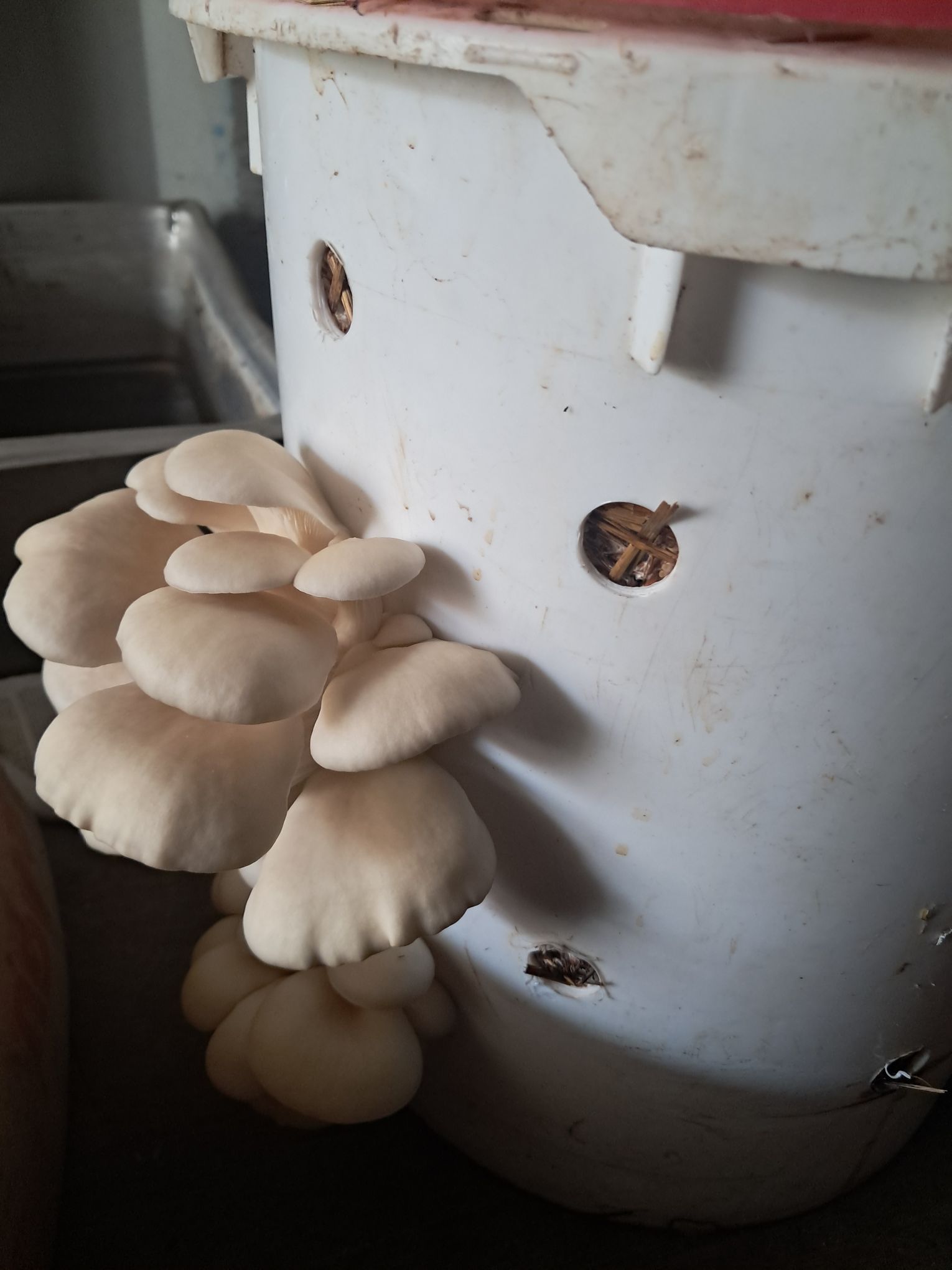
    Above all, I’m an experimenter. I believe life is meant to be touched, tested, and transformed. This year, I took on mushroom cultivation—because starting with one variety felt too cautious. I grew oyster, wine cap, and shiitake mushrooms. The oysters thrived, the wine caps refused to fruit, and the shiitakes are still waiting for spring. Whether something succeeds or fails, I find meaning in the process. Curiosity keeps my world growing in unexpected directions.

    Bringing It All Together
    Reflection, resourcefulness, learning, decisiveness, and experimentation—each one fuels the others in its own looping rhythm. Reflection deepens learning; learning sparks curiosity; curiosity invites action; and every action offers new insight to reflect upon. Being good at many things isn’t about mastering them all. It’s about staying open to possibility, allowing skill and spirit to evolve side by side.

    I’d like to pass on a willingness to think, try, and turn even life’s leftovers into something worth savoring. Perhaps my greatest experiment of all is unfolding every day. I’m raising two children who see the world as one big opportunity to learn, question, and grow.

    If this post resonated with you, don’t forget to like and share it. Please subscribe for more reflections on creativity, learning, and everyday life’s quiet experiments.

    Related Posts

    The Forgotten Resource

    Every homestead has secrets, but sometimes you uncover far more than you had expected. On the day we officially moved onto our new property, I thought I knew what sustainability looked like:  careful choices, eco-friendly habits, mindful living. Yet, as we settled into our new land, the barns and outbuildings became a sort of blind…

    Keep reading

    Fifty Lemons and a Lesson in Waste

    A reflective homesteading essay about turning fifty rescued lemons into food and connection. Learn how small choices and mindful reuse can reduce the 40% of food wasted in America every year.

    Keep reading

    Learning from the Three Sisters

    Ancient Wisdom, Modern Lessons The “Three Sisters” — corn, beans, and squash — show what true collaboration looks like. Rooted in ancient Indigenous wisdom, this companion-planting method isn’t just sustainable; it’s a living model of balance. Corn stands tall and strong, offering the beans a natural trellis. The beans return the favor, fixing nitrogen that…

    Keep reading