

Why I Would Change Food Safety Laws for Homesteaders and Small Farms
I would change food safety laws—not to make food less safe, but to make them more personal, local, and community-centered for homesteaders and small farms who want to sell direct to their neighbors.
Current food safety regulations overwhelmingly favor industrial giants over small-scale farmers. They’re built around the assumption that all our food comes from nameless corporations and massive processing plants located hundreds of miles away, placing all trust and responsibility out there with distant regulators. The practical result? It’s dramatically easier for a huge company to manufacture and distribute shelf-stable, ultra-processed food across the entire nation than it is for the family down the road to legally sell you homegrown pork or a backyard chicken they raised themselves with care.
The Homestead Processing Cost Barrier
Here’s our homestead reality: My family raises our own pigs right here on our land, pouring love and quality feed into every animal. But when it comes time to process them, the USDA processing costs make our homestead pork 3x more expensive per pound than the stuff at the grocery store. Those mandatory, government-inspected facilities charge small-batch farmers like us up to 3x higher per pound because we can’t meet their high-volume minimums. Cross one state line or trigger one additional regulation, and suddenly small farms like ours simply can’t compete with factory-farmed bacon that’s been shipped cross-country. The current system prioritizes industrial food safety over practical direct-to-consumer meat options that build real relationships.
Why Food Safety Regulations Exist
I completely understand why these food safety regulations exist in the first place—I read The Jungle by Upton Sinclair. The book exposed absolutely horrifying conditions in early 20th-century meatpacking plants: rats running through meat, workers falling into rendering tanks, sawdust and chemicals covering everything. Those food safety laws that followed genuinely saved countless lives and cleaned up a dangerous industry. But in the century since, ordinary people have gradually offloaded personal food safety responsibility onto those same labels, USDA stamps, and distant inspectors. We’ve largely forgotten the common-sense skills our grandparents used to judge food quality ourselves—smell, sight, source.
Modern Food Safety Failures
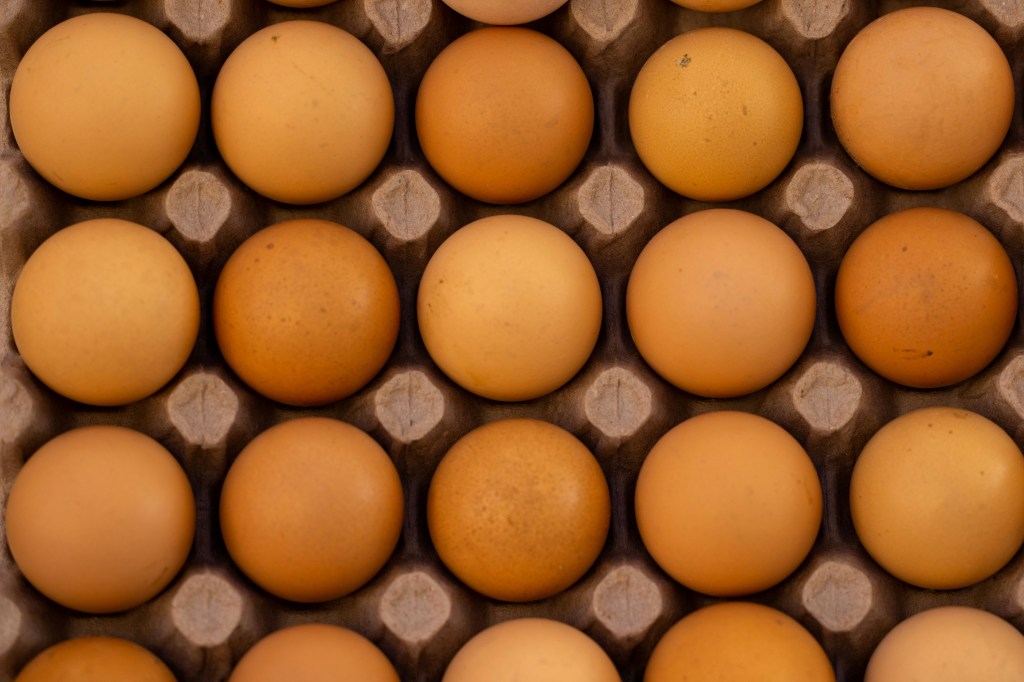
Even with all these regulations, industrial food safety still fails spectacularly and regularly. Meat recalls, produce outbreaks, and contamination in shelf-stable items make headlines every single year—the CDC tracks 128,000 salmonella cases annually, with the vast majority tied to conventional industrial sources, not local farms. This proves knowing your food source matters more than ever, especially when “regulated” supply chains break down. Plus, fresher local food simply tastes better—don’t believe me? Crack open a factory-raised egg next to one from pasture-raised chickens allowed outside to eat grass and bugs. The deep orange yolk color, richer flavor, and firmer texture in the local egg will convince anyone on the spot.
My Food Law Change for Small Farms
If I could change one law, I’d create tiered food safety regulations: light-touch rules for small-scale direct sales (under 1,000 lbs/year, strictly on-farm or direct-to-consumer only) paired with mandatory honest labeling and full transparency, while keeping strict oversight for anything headed to commercial scale. This isn’t either/or—keep industrial options for convenience, unlock local for those ready. This would finally enable practical local meat processing, community butchering days where neighbors share skills and tools, and simple backyard chicken sales—without the slippery slope of scale creep into larger operations.
Not reckless at all—consumer choice plus farm transparency (visit anytime, ask questions, see living conditions firsthand) beats blind trust in a logo every time. Custom-exempt processors already work extremely safely for personal use; we just need to thoughtfully extend that proven model.
Reclaim Food Freedom and Community
With smarter food safety laws, homesteaders could finally save real money by skipping expensive middlemen and mandatory big-facility processing. Families would reclaim food sovereignty through hands-on knowledge, kids would actually see where food comes from instead of just trusting packaging, and entire communities would grow stronger around this shared, meaningful work—swapping time-tested recipes, teaching traditional skills, and caring for the land in hands-on ways our great-grandparents took for granted.
Safety comes from knowing your farmer personally, combined with those great-grandparents’ practical skills and smart, tiered rules. Better food regulations would deliver healthier eating, stronger communities, and the local food freedom we’ve quietly lost over generations.
Feature Photo by engin akyurt on Unsplash
Want to dive deeper? Read The Omnivore’s Dilemma by Michael Pollan—it brilliantly unpacks exactly these tensions in modern food systems.
If this resonates with your homesteading journey, like + share to help other families reclaim their food freedom! What food law would YOU change? Drop it in the comments! 👇
Loved this? Subscribe for weekly homesteading tips:
Read Next: What I’d Uninvent: Addictive Convenience Foods Working Moms Hate
 Practical Homesteading
Leave a reply to Homestead Maple Syrup Making: Sugar Shack to 66° Brix Gold – Practical Homesteading Cancel reply