Gobbles and the Unmowed Lawn
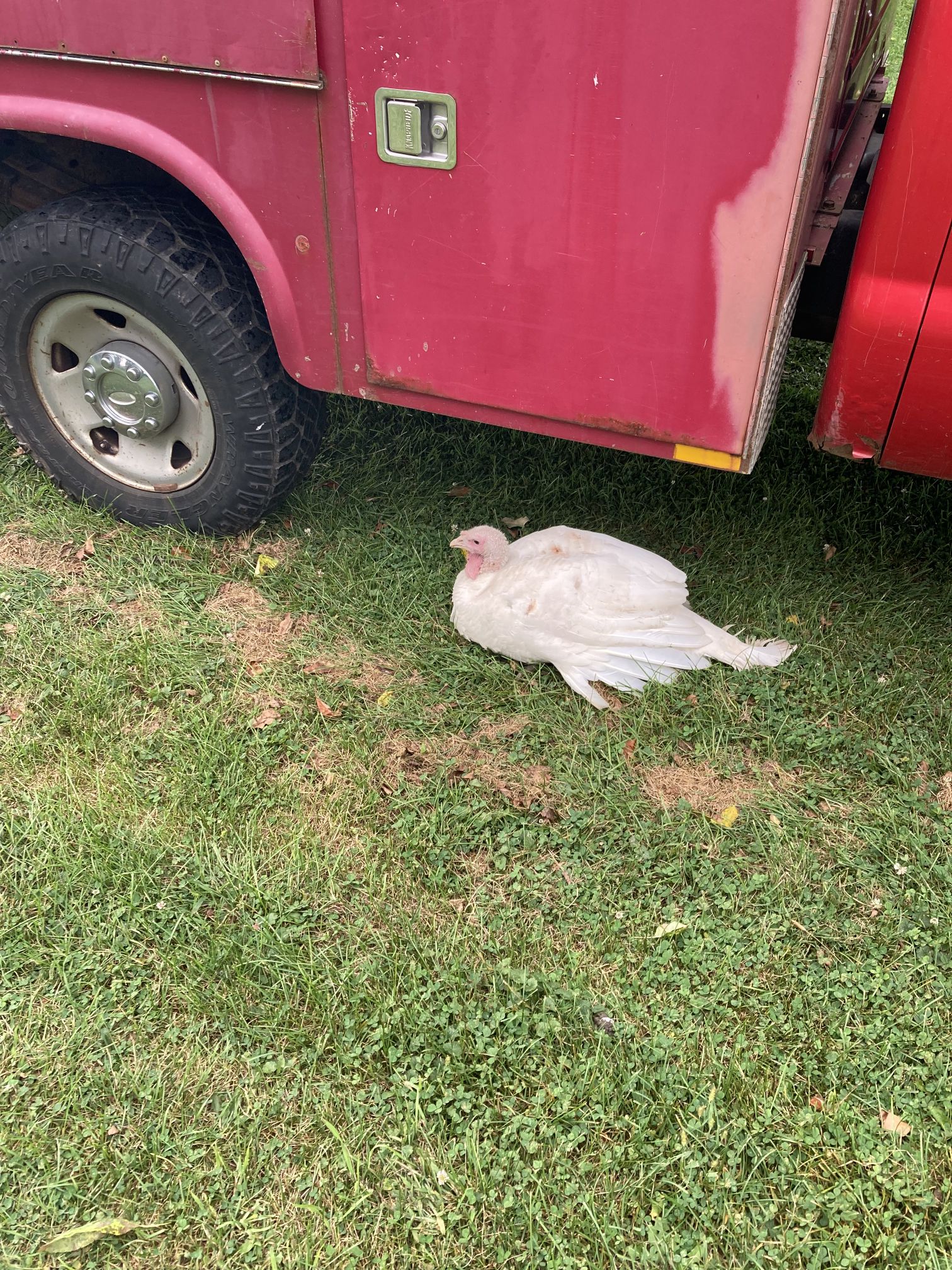
Gobbles, our forty‑pound turkey, once refused to move for the lawnmower. My husband drove closer, then closer still, waiting for the bird to do the sensible thing. Gobbles didn’t budge, and that’s how we ended up with a turkey‑shaped patch of unmowed lawn—a small, stubborn monument to the wild experiment we’d started in our backyard.
A New Chapter in Backyard Farming
Chickens had already shown me that birds can be both hilarious and mean. Ducks had proven that cuteness and filth can happily coexist. A few years ago, after reading about a woman who raised her own Thanksgiving turkeys, I realized I wanted to go further. When our local hatchery couldn’t source ducklings one spring, it was a minor inconvenience. This became the excuse to bring home three turkey poults instead.
From Basement Brooder to Outdoor Coop
This time, my husband handled pickup duty. He arrived with a box of peeping chicks and poults. Their arrival turned the whole house electric with anticipation. The brooder—a repurposed water tank in our basement—waited with a heat lamp, water, feed, and a lid to contain the chaos. At first, the turkeys were only slightly larger than the chicks, all of them fluffy and awkward. Within days, though, the turkeys started to pull away. They doubled in size, then doubled again. It seemed their entire job was to eat, drink, and poop as efficiently as possible.
We lost one poult early on for reasons we never understood, and the sudden shift from three to two landed harder than I expected. It was a quiet, early lesson in how fragile life on a small farm can be. Of the survivors, one always had his feathers sticking out at odd angles, so we named him Gobbles, a little wink to anyone who’d seen South Park. The smaller bird became Jennie, after the frozen turkey brand that had defined “Thanksgiving” for us before we raised our own.

By early May, the brooder was bursting, and everyone was ready for fresh air. We tried separating the turkeys from the chickens that first night outside, but the noise they made made it clear we were fighting a losing battle. After one loud, sleepless experiment, we moved everyone into our mobile chicken coop and let them sort it out. During the day, they roamed the yard as a mismatched flock, and each evening they filed back into the coop like feathered commuters, jostling for their preferred spots.
Personality Plus: Turkeys vs. Chickens
Living with both species at once made their differences obvious. The chickens were efficient, slightly tyrannical little dinosaurs. The turkeys seemed to have missed out on common sense entirely. On Memorial Day weekend, a big storm rolled in; the chickens headed straight for shelter, while the turkeys stood in the downpour, soaked and squawking as if the rain were a personal insult.
My husband and I slogged around in the storm, alternating between laughing and swearing as we scooped them up and shoved them under cover. We were half convinced they might drown standing there or draw an eagle with all that frantic noise. By summer, their physical transformation matched their larger‑than‑life behavior. If the chickens were little dinosaurs, the turkeys were the T‑rex cousins. After about four months, Gobbles weighed around forty pounds and Jennie about twenty‑five, and both strutted like they owned the place.
Rising Stakes: Growth and Pecking Order
Gobbles clearly saw himself at the top of the pecking order, inserting his bulk into whatever drama unfolded among the hens. Jennie, despite her smaller size, regularly put the roosters in their place and even bloodied one during a particularly heated round of dominance negotiations. The same birds that made us laugh with their antics were always moving toward the date we’d circled on the calendar. Around the five‑month mark, butcher day arrived—never something we looked forward to, but the reason we’d brought them home.
Butcher Day: The Hardest Part of the Journey
My husband handled the hardest part. Once it was done, I thanked the turkeys out loud before joining the work of plucking, stepping away now and then to check on the kids. Our five‑year‑old surprised me by wanting to help, his small fingers well suited to grabbing stubborn feathers, and I felt a brief tug between pride and discomfort as I let him join in. My husband’s father arrived and the day settled into a rhythm: music playing, adults talking, drinks in hand, hands busy. The work was still heavy, but it felt shared, almost like a ritual we were inventing as we went.
By the end, we had one dressed turkey at about thirty pounds and another around twenty, lined up for the freezer like oversized, deeply personal trophies of our effort.
Preparing the Turkey for the Table
I hauled Gobbles from the freezer about a week before Thanksgiving. I set him to defrost in our unheated upstairs. He loomed silently every time I walked past. Each glance reminded me of the fluffy, clumsy poult he had been. It also brought back the long, messy chain of chores that had brought him there.
Two days before Thanksgiving, I mixed a simple brine with salt, sugar, Worcestershire, garlic, and pepper. I discovered that the only vessel big enough was our turkey fryer, minus the basket. It was a ridiculous fit, but it worked. On Thanksgiving morning, we got up early, drained the brine, patted Gobbles dry, rubbed him with salt and oil, and wedged him into a large Nesco roaster so tightly we had to shove his legs down to close the lid. Then we poured in four cans of Miller Lite and turned our attention to the rest of the meal.
Waiting for that turkey to cook felt tense and nerve-wracking. It was like waiting for an exam grade posted in front of the entire extended family. Fifteen people, one bird, no backup plan if it turned out dry or oversalted. As the scent of beer, garlic, and roasting fat filled the house, my anxiety loosened its grip. It shifted into something closer to anticipation. Even if it wasn’t perfect, it was already unforgettable.
Thanksgiving Dinner: More Than Just a Meal
When we finally gathered around the table, Gobbles was as much story as food. As everyone carved off pieces, we traded memories of his lawnmower standoff. We recalled his attempts at intimidation. We laughed at the way he used to lumber after the flock like a confused bodyguard. Conversation took on the tone of a slightly irreverent eulogy as we honored his life in the most direct way possible. We ate the bird who had once stood his ground against a mower and won. It was the best turkey I’d ever tasted, not because it was flawless, but because we knew every step that had led to that plate.
Lessons Learned and Lasting Memories
Looking back, those turkeys demanded patience when they outgrew every space we gave them. They taught us humility when plans went sideways. We needed a sense of humor. We found ourselves sprinting through rainstorms to rescue birds that were too bewildered to seek shelter. They pulled Thanksgiving out of the grocery store freezer and dropped it squarely into our own backyard. I don’t know if I’ll raise turkeys again. Every November, when I see a frozen Jennie in the supermarket, I remember Gobbles and Jennie. I think about the stubborn patch of lawn out back. I recall the season when our holiday centerpiece had a personality—and a history—all his own.
If you’ve raised turkeys or other backyard poultry, share your stories, challenges, or favorite moments in the comments below! What surprises did your birds bring? What tips would you pass on to someone thinking about raising their own turkeys?
If you enjoyed this story, please like it. Share with your fellow backyard farmers. Subscribe for more honest, practical tales and tips from life on a small farm. Your support helps us keep these stories—and the learning—coming!
#backyardfarm #homestead #farmtotable #growyourown #homegrown #backyardchickens #homesteading #farmfresh #urbanfarming #sustainablefarming #chickensofinstagram #turkeyraising #familyfarm #smallfarm #countrylife #gardeninglife #organicgardening #plantlover #animalhusbandry
 Practical Homesteading
Leave a comment