This post is the last in my garden freezing series, where I’m sharing three simple ways to preserve the harvest:
- easy no-blanch freezer foods,
- blanch-and-freeze vegetables, and
- cooked vegetables for the freezer.
In this post, I’m covering the final step — freezing cooked garden vegetables.
Want all three freezer methods in one printable guide?
Why Freeze Cooked Vegetables?
Some garden vegetables freeze best after they’ve been fully cooked first. It adds a little extra prep, but for certain vegetables it helps preserve texture and makes them easier to use later.
How to Freeze Beets
Beets are one of the best examples. I cook them until tender, let them cool, then peel and slice or cube them before freezing. Sometimes I freeze them plain, and other times I season them lightly depending on how I think I’ll use them later. Frozen cooked beets are great for salads, side dishes, or reheating with a little butter and salt.
How to Freeze Corn
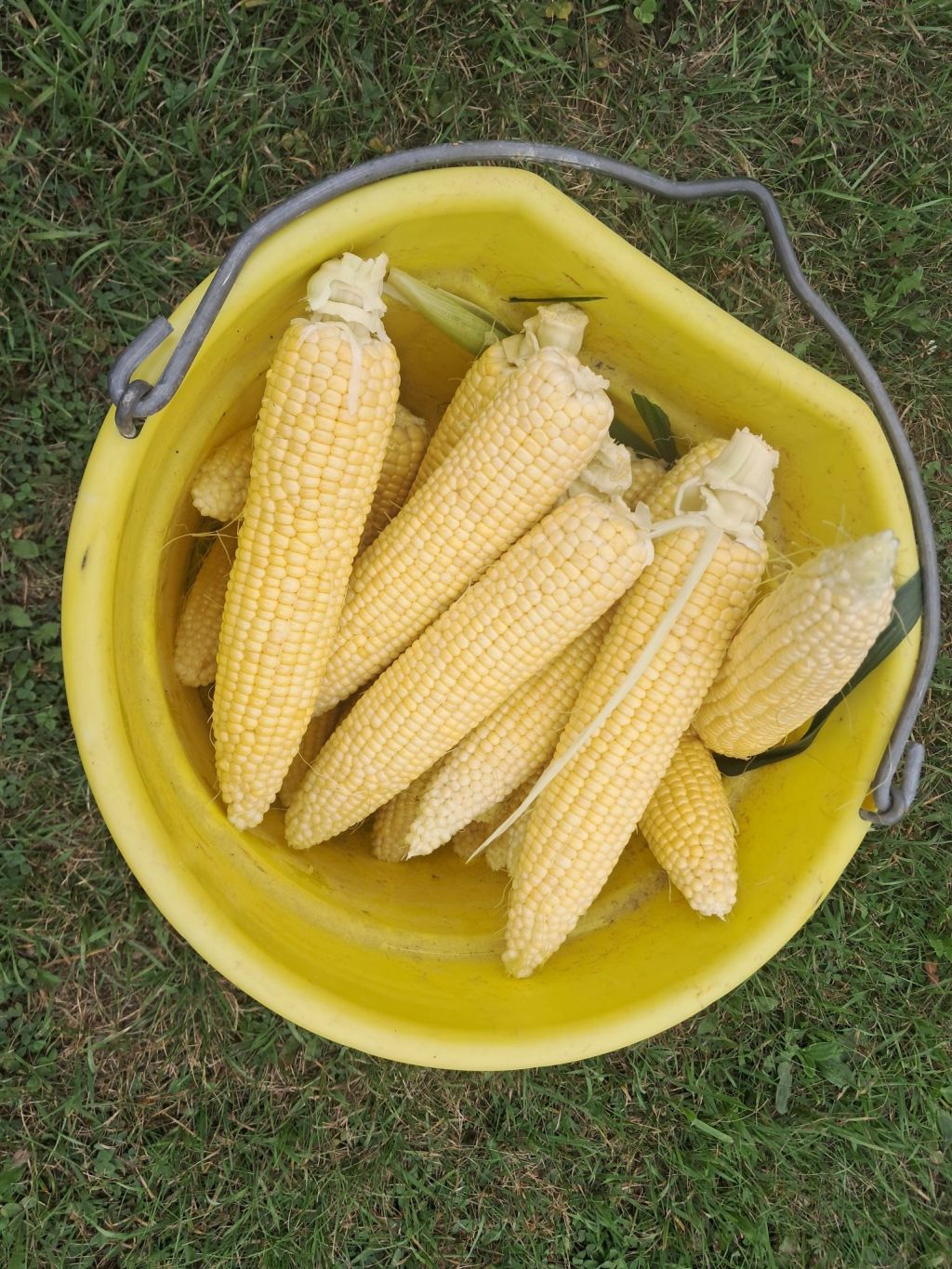
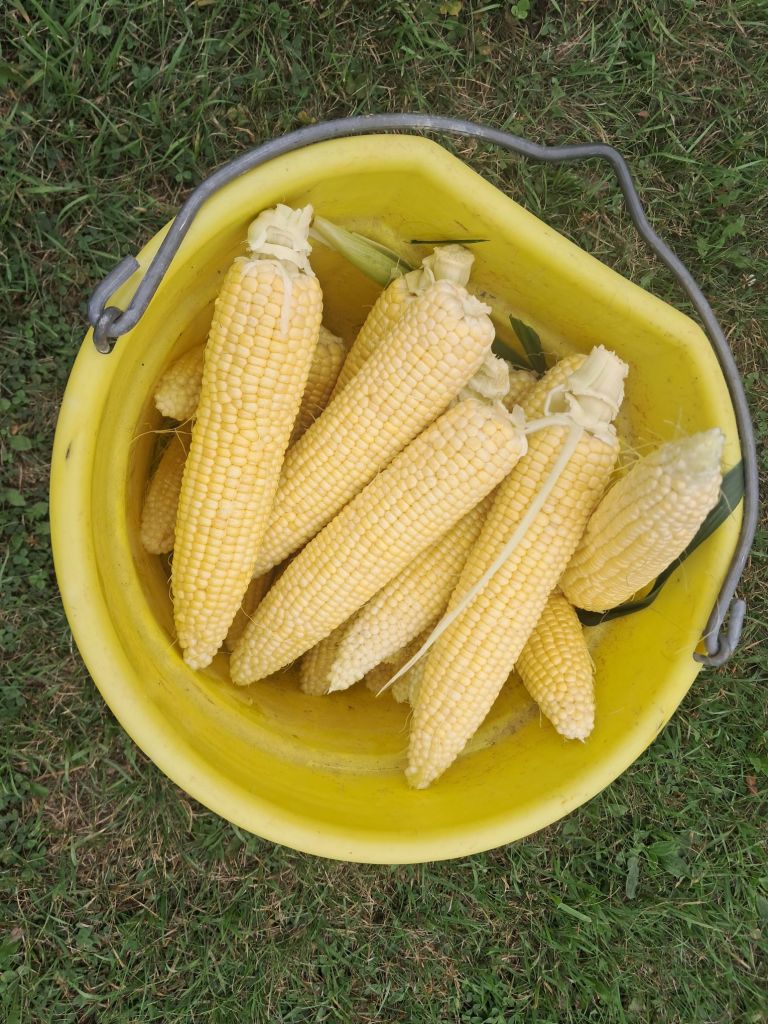
Corn is another vegetable that freezes beautifully after cooking. First I husk the corn.
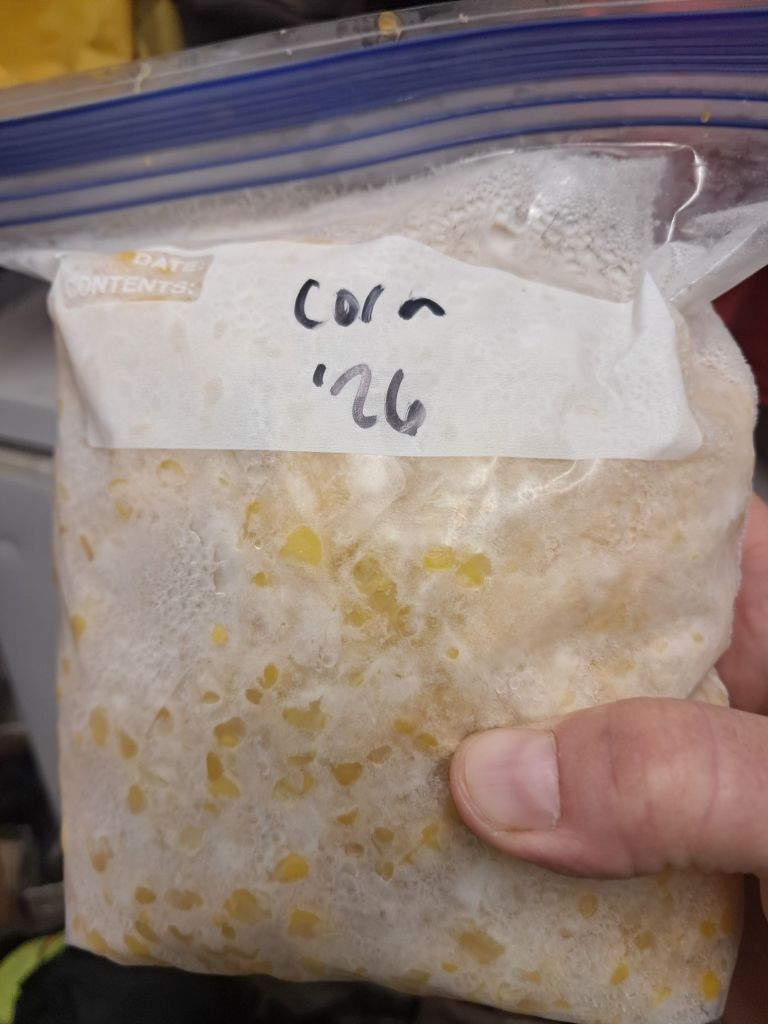
Then I cook the corn on the cob, let it cool, then cut the kernels off the cob before freezing them in portion-sized bags. I squeeze out the air, seal the bags, and place them in the freezer. I usually don’t freeze whole cobs, mostly because the kernels take up less space and are easier to use later in soups, casseroles, chowders, skillet meals, and homemade dinner bowls.
How to Freeze Winter Squash
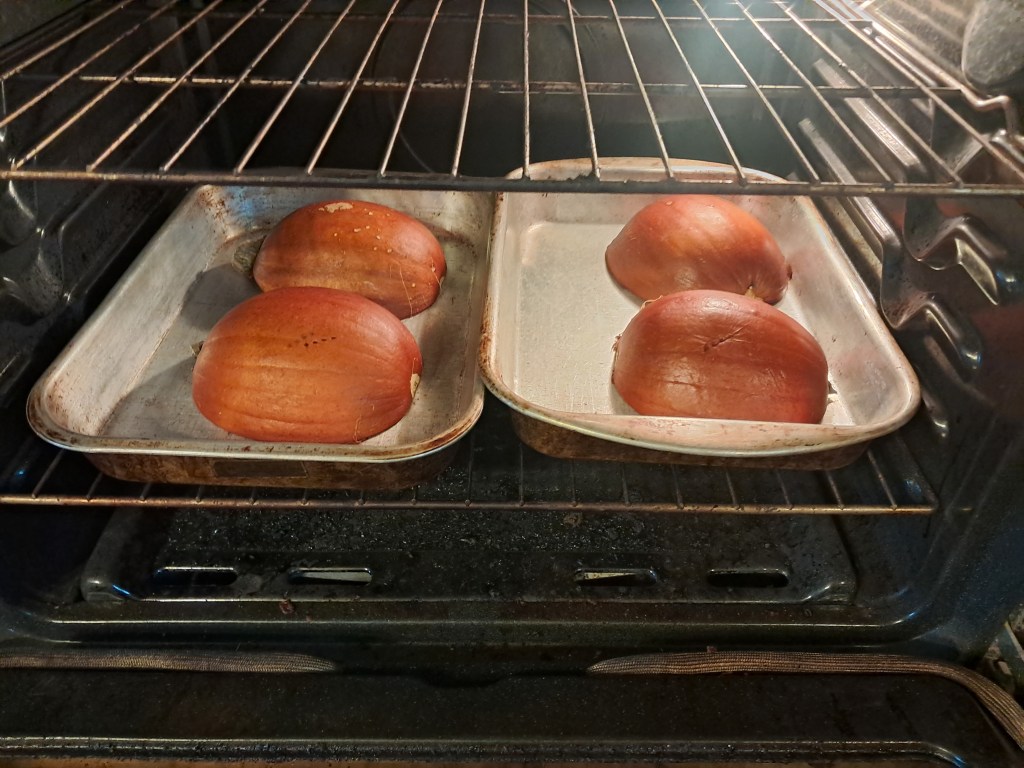
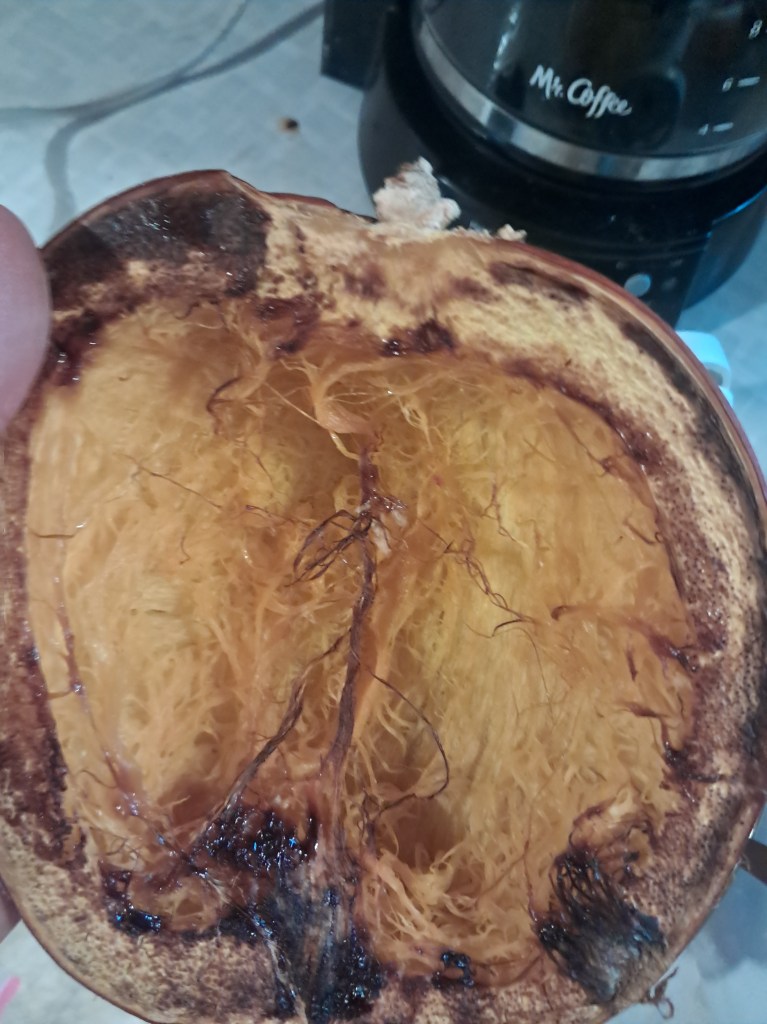
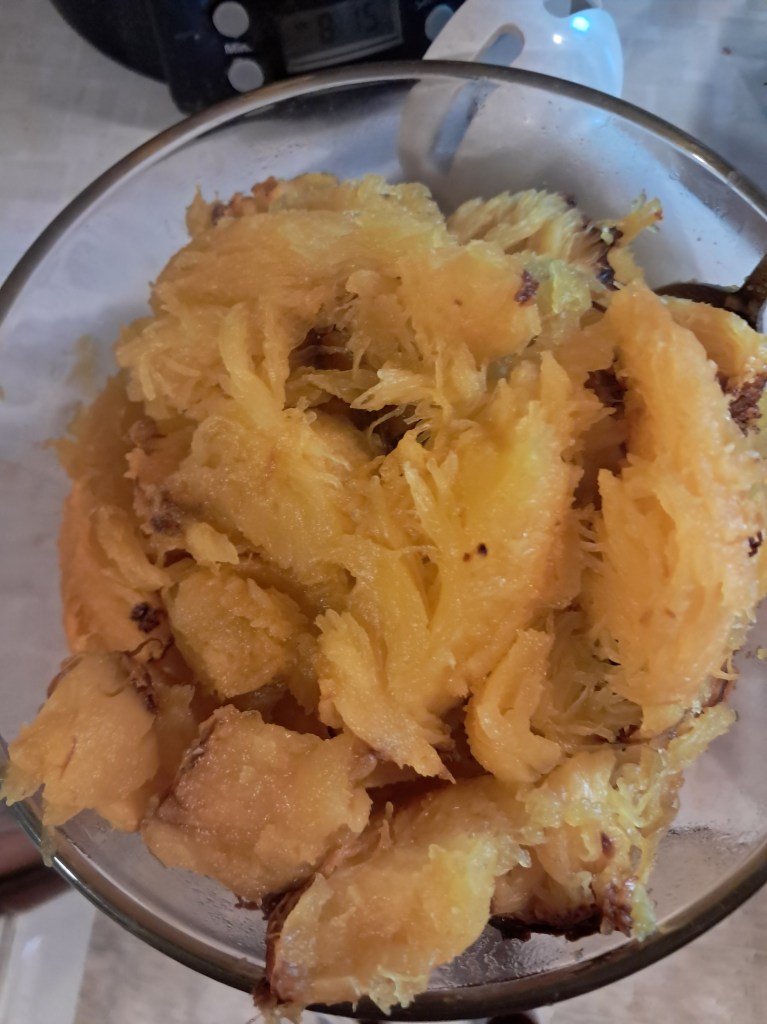
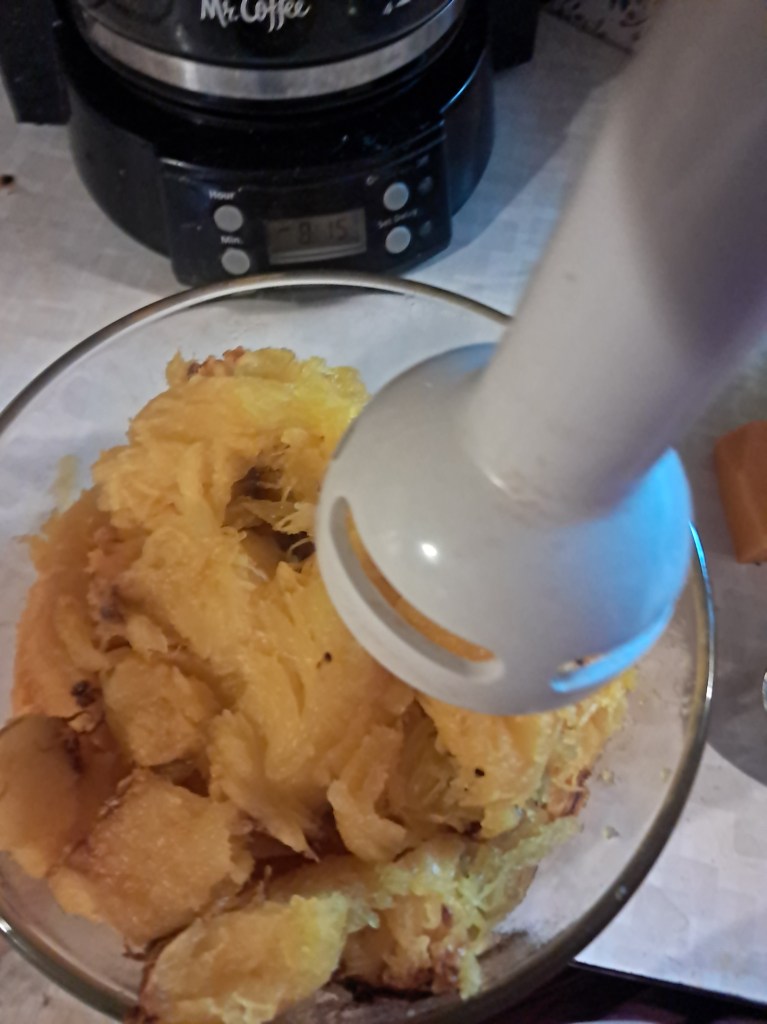
Winter squash also works well with this method, especially varieties like acorn squash, pumpkin, and spaghetti squash. I like to cook them until tender, let them cool, and then freeze the flesh in portions that are easy to thaw later. The texture softens a bit after freezing, but these squash varieties are still wonderful for purees, soups, casseroles, baked dishes, and other recipes where the squash will be mixed in or mashed.
Best Vegetables to Freeze Cooked
This method also works well for other vegetables that are usually cooked before serving or that don’t hold up quite as well when frozen raw. The key is to think ahead about how you’ll want to use them later. If the goal is to save time during the winter, freezing them after cooking can be a great option and only adds a little more work when you’re already cooking a larger batch.
Like the other freezer methods, this one helps us make the most of summer’s harvest. Instead of watching good food go to waste, I can tuck it away for a colder day when a quick homemade meal is exactly what we need.
Cooking and Freezing Guide
If you want a quick reference, here’s a simple guide for freezing cooked vegetables after they’ve been prepared and cooled.
| Vegetable | How to Cook | How Long It Lasts in the Freezer | How to Use After Thawing |
| Beets | Boil or roast until tender, then peel and slice or cube | 8–12 months | Salads, side dishes, reheating with butter, soups |
| Corn | Cook on the cob, then cut kernels off after cooling | 8–12 months | Soups, casseroles, chowders, skillet meals, homemade dinner bowls |
| Acorn squash | Bake or roast until tender, then scoop out the flesh | 8–12 months | Purees, soups, casseroles, baked dishes |
| Pumpkin | Roast or steam until tender, then puree or mash | 8–12 months | Pies, muffins, breads, soups, sauces |
| Spaghetti squash | Bake or roast until tender, then scrape out the strands | 6–8 months | Casseroles, skillet dishes, vegetable sides, mixed vegetable bowls |
I usually label each bag with the date so I know what to use first. I’ll cover canning methods in future posts.
Do you freeze any vegetables after cooking them first? I’d love to hear what works best for you in the comments.
If this post was helpful, please like and share it with a friend who loves preserving garden produce.
Read More Here: Biggest Garden Yet: Lessons, Laughs, and Pig-Approved Produce
 Practical Homesteading
Leave a comment