

I used to be a champion complainer—until I realized it never planted a single seed worth growing.
I try not to complain too much. It’s a nasty habit that usually leaves me feeling worse than before I started. Instead, I try to live by the words of the Serenity Prayer:
“God, grant me the serenity to accept the things I cannot change,
The courage to change the things I can,
And the wisdom to know the difference.”
When I catch myself slipping into that spiral of frustration, I remind myself of those lines. If there’s something I can fix, I get to work on it. If there isn’t, I try to shift my perspective. Some days, that works beautifully. Other days, not so much—but it’s a practice, and a worthwhile one.
When Passion Comes from Frustration
Still, there are some things bigger than myself that I can’t quite let go of—issues that deserve our collective attention. That’s where my frustration tends to turn into passion.
If you really want to know what gets me on my soapbox, it’s this: how undervalued the foundation of our society has become—the farmer.
Lessons from the Milking Barn
I grew up on a dairy farm surrounded by fields, animals, and five hardworking older sisters. My dad, like many farmers, cautioned us not to follow in his footsteps. He didn’t say that out of bitterness; he said it out of love.
He knew farming demanded endless hours, uncertain pay, and a body that rarely got a day off. The cows still needed milking before dawn, even after a night of broken sleep or if you were sick. The hay still needed to come in, even if rain clouds were gathering on the horizon. And no matter how hard you worked, the weather or the market could undo it all in a single season. With today’s global markets, that uncertainty feels even sharper than it did thirty years ago.
The Great Disconnect
Despite all that labor, society often treats farmers as an afterthought. We depend on them for our most basic need: food. Yet we seem disconnected from what it truly takes to put dinner on the table. It’s astonishing how quickly that disconnect happened. In just two or three generations, we’ve gone from home gardens, backyard chickens, and canning jars in the pantry to drive‑thru dinners and foods that travel thousands of miles before reaching us.
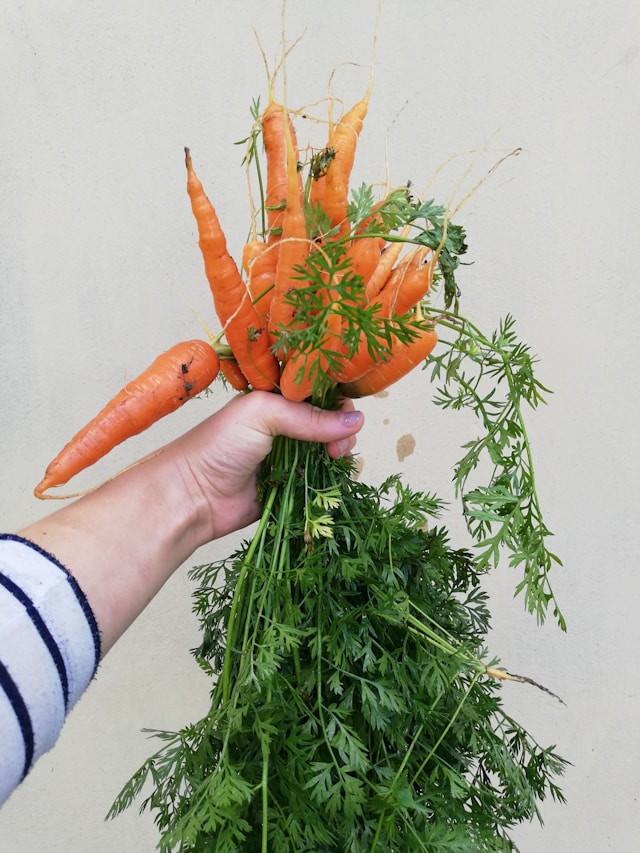
Our modern food system is complicated. We’ve gained convenience but lost some wisdom along the way—wisdom about soil, seasons, and self‑sufficiency. Many children have never pulled a carrot from the ground or gathered a fresh egg. Even adults often feel surprised to learn where their food comes from.
Marketing Replaces Memory
Not long ago, I saw a potato chip bag proudly labeled “Made with Real Potatoes,” as if that were some sort of revelation. It made me laugh—and then it made me sad.
Somewhere along the way, marketing replaced knowledge. We began trusting brands more than the soil, and food became a product instead of a shared experience. When I mentioned it on my Facebook page, people chimed in from everywhere. It turns out, so many of us feel the same way—grateful for convenience, but yearning to reconnect.
Growing, Raising, and Reconnecting
That little moment reminded me why I care so deeply about growing food, raising kids, and building community. These things are intertwined. When children understand where their meals come from, when we grow even a small piece of what we eat, when neighbors come together to share skills, seeds, and harvests—we start to rebuild that lost connection. Even something as simple as buying from a local farmers market, planting herbs on a windowsill, or teaching a child how to cook can make a difference.
So maybe I don’t really complain all that much anymore. Maybe what I’m doing is something better: advocating, educating, and planting small seeds of change and connection in my backyard and in my community. Because while I can’t change the world overnight, I can nurture the soil right in front of me. And that feels like a pretty good start.
Resources I Recommend
Disclosure: This section contains Amazon affiliate links. If you purchase through them, I may earn a small commission at no extra cost to you. Thank you for supporting Practical Homesteading!
If this post stirred something in you, here are a few places to start learning, growing, and preserving more of your own food. I only share resources I truly find useful.
- Read and reflect: One book that has deeply shaped how I think about food and farming is The Omnivore’s Dilemma by Michael Pollan. It follows several different meals from source to table and invites you to really consider where your food comes from and who grows it. You can buy it in my link or borrow it from your local library.
- Learn the basics of preserving: The Ball Book of Preserving is a solid, economical place to start if you’re new to canning. It covers the fundamentals clearly without feeling overwhelming, and it’s a great first step into safe home food preservation.
- Go deeper with more recipes: The Ball Complete Book of Home Preserving is a much more comprehensive resource, with many more recipes and techniques. It’s a bigger investment, but worth it if you discover that preserving is something you love and want to keep expanding.
- My home preservation essentials: I’ve put together an Amazon list of tools and books I use or recommend for dehydrating, canning, and freezing food at home. You can find it here: Home Preservation Essentials.
If you have favorite books, tools, or simple tips for beginners who want to grow or preserve their own food, please share them in the comments—I’d love to learn from you, too!
Loved this? Hit that ❤️ if it resonated. Share with a friend who needs to hear it. Subscribe for more real talk about growing food and building community. Your support means everything!
Related Posts
My Mission: Growing Food, Raising Kids, and Building Community — A Path Back to Connection
Discover why growing food, raising children, and building community are at the heart of my homesteading mission. Together, we can return to the roots of connection, resilience, and hope.
Keep reading
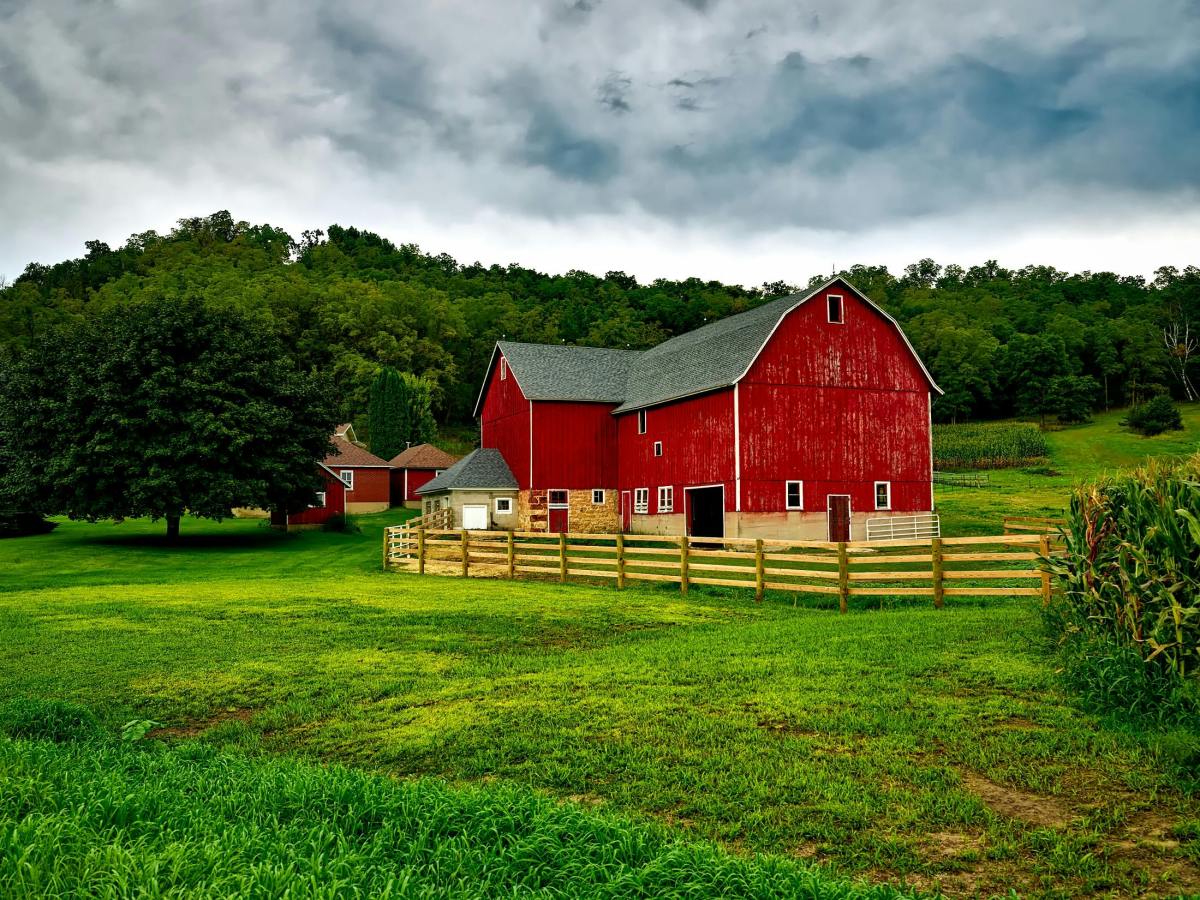
Generations on the Land: Reflections for June Dairy Month
Growing up on a dairy farm in Wisconsin, my days were shaped by the rhythm of the cows and the turning of the seasons. Each morning began before sunrise, the air crisp with the scent of damp earth as my family and I made our way to the barn. The gentle lowing of the cows…
Keep reading
Why I Chose Homesteading
Working mom of 2 shares her homesteading origin story – from Wisconsin dairy farm rebel to choosing chickens, gardening and bread making. Environmental professional finds freedom in practical homesteading.
Keep reading


 Practical Homesteading
Leave a comment